

The World Health Organisation (WHO) has put the global death rate of coronavirus at 3.4 percent, higher than 2 percent earlier stated.
Lloyd’s Launches Crypto-currency Wallet Insurance Policy

Lloyd’s has launched a insurance policy to protect crypto-currency held in online wallets against theft or other malicious hacks.
The first of its kind liability policy, with flexible limits from as little as £1,000 (US$1,281), was created by Lloyd’s syndicate Atrium in conjunction with Coincover to protect against losses arising from the theft of crypto-currency held in online, hot wallets.
It is a new type of liability insurance policy with a dynamic limit that increases or decreases in line with the price changes of crypto assets, which means the insured will always be indemnified for the underlying value of the asset even if this fluctuates over the policy period, explained Lloyd’s in a statement.
The policy is backed by a panel of other Lloyd’s insurers, which includes TMK and Markel, all of whom are members of Lloyd’s Product Innovation Facility (PIF).
As part of the Future at Lloyd’s ambition to be the world’s most customer-centric digital insurance platform, the facility is an important step towards building a marketplace that offers better value for the changing and diverse needs of customers through highly-responsive, cutting-edge risk management products and services, said Lloyd’s in the announcement about the product.
This is the second new insurance product to be backed by PIF members in recent months. The first – a profit protection policy for hotels with an innovative event-based trigger – was launched in September.
“There is a growing demand for insurance that can protect crypto-currency as it becomes increasingly popular,” said Matthew Greaves, underwriter, Atrium. “It is a testament to Lloyd’s that the market has put together an innovative solution to mitigate these new risks and protect against theft – from physical as well as online vaults – thereby providing customers with piece of mind that their assets are safe.”
“We are delighted to have worked with Atrium and the Lloyd’s PIF members to bring such a unique and timely solution to the crypto asset market,” commented David Janczewski, CEO, Coincover. “As the crypto asset market heats up again at the start of 2020, a new wave of crypto-curious customers are standing by at the ready to jump in, having previously been put off by the lack of adequate protection against theft and loss.”
With this new policy, Janczewski added, “we can remove these barriers and broaden the appeal of crypto. It represents another step forward in enabling crypto-currency adoption.”
African Airlines Post 7% Cargo Growth in January 2020
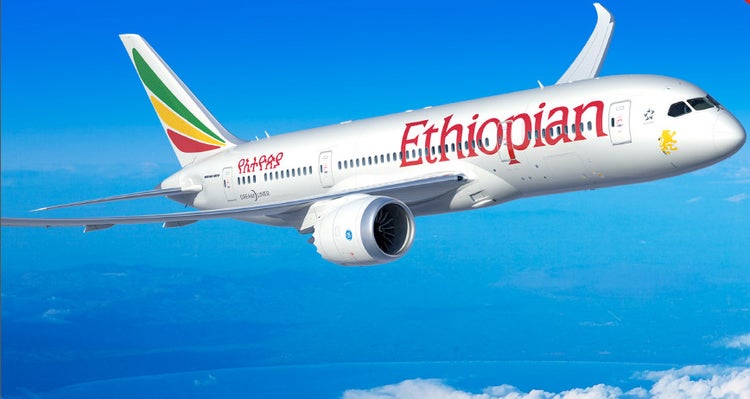
The International Air Transport Association (IATA) has released data for global air freight market showing that demand, measured in cargo tonne kilometers (CTKs), decreased by 3.3% in January 2020 compared to the same period in 2019.
African airlines posted the fastest growth of any region for the 11th consecutive month in January 2020, with an increase in demand of 6.8% compared to the same period a year earlier. Growth on the smaller Africa-Asia trade lanes (up 12.4% in 2019) contributed to the positive performance. Capacity grew 5.9% year-on-year.
”January marked the tenth consecutive month of year-on-year declines in cargo volumes. The air cargo industry started the year on a weak footing. There was optimism that an easing of US-China trade tensions would give the sector a boost in 2020. But that has been overtaken by the COVID-19 outbreak, which has severely disrupted global supply chains, although it did not have a major impact on January’s cargo performance. Tough times are ahead. The course of future events is unclear, but this is a sector that has proven its resilience time and again,” said Alexandre de Juniac, IATA’s Director General and CEO.
Nominations Open for 2nd IATA Diversity & Inclusion Awards
The International Air Transport Association (IATA) has announced the opening of nominations for second edition of the IATA Diversity & Inclusion Awards which recognise and encourage industry excellence.
Nominations are now open in the three following categories:
Inspirational Role Model: Will be presented to a woman who holds a senior position within the industry who has had a significant impact on the aviation agenda through her strong contribution to business delivery, as well as her ongoing support of the diversity & inclusion agenda. Open to all female participants in the aviation industry (IATA members and non-members alike). In 2019, the Award was presented to Christine Ourmières-Widener, the former CEO of Flybe.
- High Flyer: Designed to recognize one of aviation’s young female professionals (i.e. under the age of 40) who has developed thought leadership through concrete action in favor of diversity & inclusion, making a positive impact on the industry. Open to all female professionals in the aviation industry (IATA members and non-members alike). Noutchemo Simo, Founder and President of the Young African Aviation Professional Association (YAAPA) was the recipient of this category in 2019.
- Diversity & Inclusion Team Award: Designed to recognize an airline that has seen measurable change in diversity and inclusion as a result of the work it has been doing in diversity and inclusion. Open to all IATA member airlines. The 2019 Award in this category was presented to Air New Zealand.
Nominations are open from 3 March until 30 April 2020. They will be judged by an independent panel consisting of the 2019 winners of the IATA Diversity & Inclusion Awards. The 2020 Awards will be presented at IATA’s 76th Annual General Meeting and World Air Transport Summit in Amsterdam, the Netherlands (21-23 June 2020).
“Aviation needs to reflect the society we live in. Promoting diversity and inclusion makes us better and more sustainable businesses. To source the skills and talent needed to meet future demand, aviation needs role models who can inspire future generations of leaders. The inaugural Diversity and Inclusion Awards enabled us to highlight strong female leaders and dedicated teams who are driving the industry forward in this important area. I look forward to seeing equally impressive achievements highlighted by this year’s applicants” said Alexandre de Juniac, IATA’s Director General and CEO.
Qatar Airways continues to sponsor these prestigious awards. The winner in each category will receive $25,000 in prize money payable to the awardee or their nominated charity.
“Strong diverse leadership is key for the success of any organisation. In sponsoring these awards, we are committing to improve gender balance at Qatar Airways and to build an industry that recognizes and supports the ambitions of many people who contribute to improving diversity in aviation,” said HE Akbar Al Baker, Qatar Airways Group Chief Executive.
World Bank Unveils $12bn Support for Coronavirus Country Response
As COVID-19 reaches more than 60 countries, the World Bank Group is making available an initial package of up to $12 billion in immediate support to assist countries coping with the health and economic impacts of the global outbreak.
The World Bank said in a Press Release that the financing is designed to help member countries take effective action to respond to and, where possible, lessen the tragic impacts posed by the COVID-19 (coronavirus).
The COVID-19 support package will make available initial crisis resources of up to $12 billion in financing — $8 billion of which is new — on a fast track basis. This comprises up to $2.7 billion new financing from IBRD; $1.3 billion from IDA, complemented by reprioritization of $2 billion of the Bank’s existing portfolio; and $6 billion from IFC, including $2 billion from existing trade facilities. It will also include policy advice and technical assistance drawing on global expertise and country-level knowledge.
“We are working to provide a fast, flexible response based on developing country needs in dealing with the spread of COVID-19,” said World Bank Group President David Malpass. “This includes emergency financing, policy advice, and technical assistance, building on the World Bank Group’s existing instruments and expertise to help countries respond to the crisis.”
The financial package will provide grants and low-interest loans from IDA for low income countries and loans from IBRD for middle income countries, using all of the Bank’s operational instruments with processing accelerated on a fast track basis. International Finance Corporation, the World Bank Group’s private sector arm, will provide its clients with the necessary support to continue operating and to sustain jobs.
The World Bank support will cover a range of interventions to strengthen health services and primary health care, bolster disease monitoring and reporting, train front line health workers, encourage community engagement to maintain public trust, and improve access to treatment for the poorest patients. The Bank will also provide policy and technical advice to ensure countries can access global expertise.
IFC will work with commercial bank clients to expand trade finance and working capital lines. IFC will also directly support its corporate clients — with a focus on strategic sectors including medical equipment and pharmaceuticals — to sustain supply chains and limit downside risks. These solutions will leverage the lessons learned from similar events in the past with a goal to minimize the negative economic and social impacts of COVID-19 globally.
Countries face different levels of risk and vulnerability to COVID-19, and will require different levels of support. The Bank Group support will prioritize the poorest countries and those at high risk with low capacity. As the spread of COVID-19 and its impact continues to evolve, the World Bank Group will adapt its approach and resources as needed.
The World Bank Group is actively engaged with international institutions and country authorities to help coordinate the global response.
Jack Welch, Legendary CEO of GE Dies at 84!

Jack Welch, former Chairman and CEO of General Electric (GE) dead at 84.
His death was officially announced by his wife, Suzy earlier today.
Global Smartphone Market to Decline 11% over Coronavirus
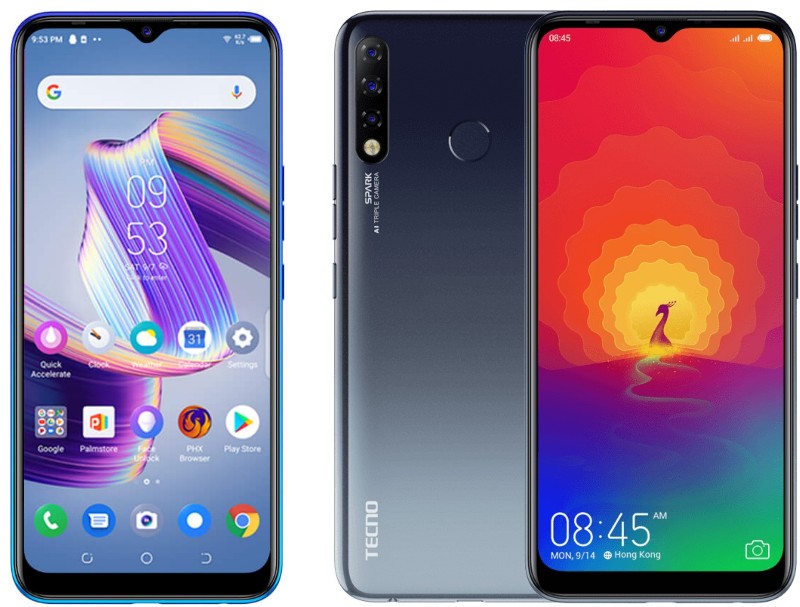
The global smartphone market recovery will be impacted in 2020 as uncertainties around COVID-19 increased over the last month.
According to the latest forecast from the International Data Corporation (IDC) Worldwide Quarterly Mobile Phone Tracker, the worldwide smartphone market is expected to decline 2.3% in 2020 with shipment volume just over 1.3 billion.
The COVID-19 outbreak is expected to stress the short-term scenario with shipments declining 10.6% year over year in the first half of 2020. Global smartphone shipments are expected to return to growth in 2021 driven by accelerated 5G efforts.
IDC has considered optimistic, probable, and pessimistic forecast scenarios driven by the uncertainties around COVID-19. Our current forecasts are aligned with the probable scenario, which ascribes a multi-quarter recovery for manufacturing and logistics given a more gradual return of Chinese workers to factories amidst persisting transportation challenges. China’s demand shock extends several quarters but is mitigated by the end of the year with the aid of government-backed stimuli and subsidies. Demand in surrounding regions will also be briefly suppressed. Global smartphone shipments show a more U-shaped recovery from the second half of the year. However, actual phone shipments could show a different overall shape given the seasonal nature of shipments.
“COVID-19 became yet another reason to extend the current trend of smartphone market contraction, dampening growth in the first half of the year. While China, the largest smartphone market, will take the biggest hit, other major geographies will feel the hit from supply chain disruptions. Component shortages, factory shutdowns, quarantine mandates, logistics, and travel restrictions will create hindrances for smartphone vendors to produce handsets and roll out new devices. The overall scenario is expected to stabilize from the third quarter of the year as the COVID-19 situation hopefully improves and 5G plans pick up the pace globally,” said Sangeetika Srivastava, senior research analyst with IDC’s Worldwide Mobile Device Trackers.
With February and March as the time when manufacturers unveil key flagship products and conduct final pre-production tests and debug their products slated to be unveiled in the first half of the year, changes made to product plans for the first half of the year will likely lead to adjustment of product plans for the medium term and even the long term.
“For the epicenter, China, we forecast the domestic market to drop by nearly 40% year over year for first quarter and even with a potential March recovery it will still be difficult to reach last year’s levels,” said Will Wong, research manager with IDC’s Asia/Pacific Client Devices Group. “Buyers will purchase from online channels, which will account for a significantly increased share of phones sold in the first half of 2020 and may represent a permanent shift in buying behaviors.”
The epidemic outbreak will undermine the Chinese economy as a whole and the many SMEs will likely bear the brunt, leading to tightened wallets of consumers.
At the same time, the SMEs in the phone industry, especially retail channel partners, will see the biggest effect and phone vendors that can effectively help their retail channel and other partners recover and reconsolidate after the end of the epidemic will secure more opportunities in the long term.
Smart Cities Initiatives Targets $124bn Investment in 2020

A new forecast from the International Data Corporation (IDC) Worldwide Smart Cities Spending Guide shows global spending on smart cities initiatives will total nearly $124 billion this year, an increase of 18.9% over 2019.
The top 100 cities investing in smart initiatives in 2019 represented around 29% of global spending, and while growth will be sustained among the top spenders in the short term, the market is quite dispersed across midsize and small cities investing in relatively small projects.
“This new release of IDC’s Worldwide Smart Cities Spending Guide brings further expansion of our forecasts into smart ecosystems with the addition of smart ports alongside smart stadiums and campus,” said Serena Da Rold, program manager in IDC’s Customer Insights & Analysis group.
“The Spending Guide also provides spending data for more than 200 cities and shows that fewer than 80 cities are investing over $100 million per year. At the same time, around 70% of the opportunity lies within cities that are spending $1 million or less per year. There is a great opportunity for providers of smart city solutions who are able to leverage the experience gained from larger projects to offer affordable smart initiatives for small and medium sized cities.”
In 2019, use cases related to resilient energy and infrastructure represented over one third of the opportunity, driven mainly by smart grids. Data-driven public safety and intelligent transportation represented around 18% and 14% of overall spending respectively.
Looking at the largest use cases, smart grids (electricity and gas combined) still attract the largest share of investments, although their relative importance will decrease over time as the market matures and other use cases become mainstream.
Fixed visual surveillance, advanced public transportation, intelligent traffic management, and connected back office follow, and these five use cases together currently represent over half of the opportunity. The use cases that will see the fastest spending growth over the five-year forecast are vehicle-to-everything (V2X) connectivity, digital twin, and officer wearables.
Singapore will remain the top investor in smart cities initiatives. Tokyo will be the second largest spender in 2020, driven by investments for the Summer Olympics, followed by New York City and London. These four cities will each see smart city spending of more than $1 billion in 2020.
On a regional basis, the United States, Western Europe, and China will account for more than 70% of global smart cities spending throughout the forecast. Latin America and Japan will experience the fastest growth in smart cities spending in 2020.
BudgIT Alarmed at Zero Allocations for People Living with Disabilities Centres

BudgIT, a leading civic transparency group, has called on five state governments to take immediate measures to improve the lives of people with disabilities in their states.
Currently, BudgIT is implementing a project through the use of Tracka (a service delivery platform) to monitor projects that concern people with disability in Anambra, Lagos, Kano, Edo and Adamawa states. Our advocacy through Tracka is aimed at the respective state government to give more priority to these people living in the five states covered by the project.
The Tracka team visited several school projects in the five states including, the school for the deaf, Kuje, Abuja, the school for children with special needs, Kuje, Abuja. Special Needs School for Handicapped Children, Auchi, Edo State, the School of Deaf and Dumb in Benin City, Edo State, School for the Blind in Benin City, Edo State, Dawakin Kudu Vocational and Rehabilitation Centre, Kano State, Special School for Deaf and Dumb, St Andrew Anglican Church, Onitsha Anambra State and Basden Memorial Special Education Centre.
According to Project Manager Henry Omokhaye, “state governments should consider that those living with disabilities should be well represented and also part of the social and political administration. All people were born equal and urged them to harness their abilities despite the challenges.”
Our findings from our tracking activities in the above five states reveal the dilapidated state of the facilities for the people living with disabilities in Nigeria, especially the lack of basic amenities in the schools. According to a recent report from Dr Samuel Ankeli, the Special Adviser (SA) to President Muhammadu Buhari on Disability, 25 million Nigerians are living with disabilities. It is disheartening to note that until now, disability centres are not considered as important for government intervention despite the hardship persons with disabilities face trying to cope and thrive in our environment.
We believe state governments should support those with disabilities rather than sympathizing with them, remember that in most schools, people study special education, so we should encourage the state government to put more funds into special education. BudgIT also appealed to other stakeholders to take drastic measures that cater to people with special needs.
BudgIT calls on the governments of Lagos, Adamawa, Edo, Anambra and Kano states to immediately prioritize the issue of persons living with disabilities by providing budgetary allocations to the disability centres in each state. The Tracka project was in collaboration with the British Council and the European Union focus on Rule of law and Anti-corruption (ROLAC) programme in Nigeria.
DMO Seeks Transaction Parties for $3.3bn Eurobond 2020

The Debt Management Office (DMO), on behalf of the Federal Government of Nigeria (FGN), has issued an Expression of Interest (EOI) calling for submissions from institutions who wish to work as Transaction Parties for a possible Issuance of Eurobond of up to $3.30 billion in the International Capital Market in 2020.
The Expression of Interest is for the appointment of international and local financial institutions who will serve as Book runners and Financial Advisers, and international and local law firms that will serve as Legal Advisers for the Eurobond Issuance. The Parties will be appointed on the basis of Open Competitive Bid.
As earlier communicated, Nigeria plans to raise external capital of up to $3.30 billion in the year 2020.
The $3.30 billion is made up of $2.80 billion (equivalent of N850 billion at the Budget Exchange Rate of N305/$1.00) to part-finance the Deficit in the 2020 Appropriation Act, and $500 million for the refinancing of Nigeria’s debut Eurobond of $500 million (6.75% $500M JAN 2021) which will mature on January 28, 2021.
NCC EVC: ‘Consumers Remain our Focal Point’
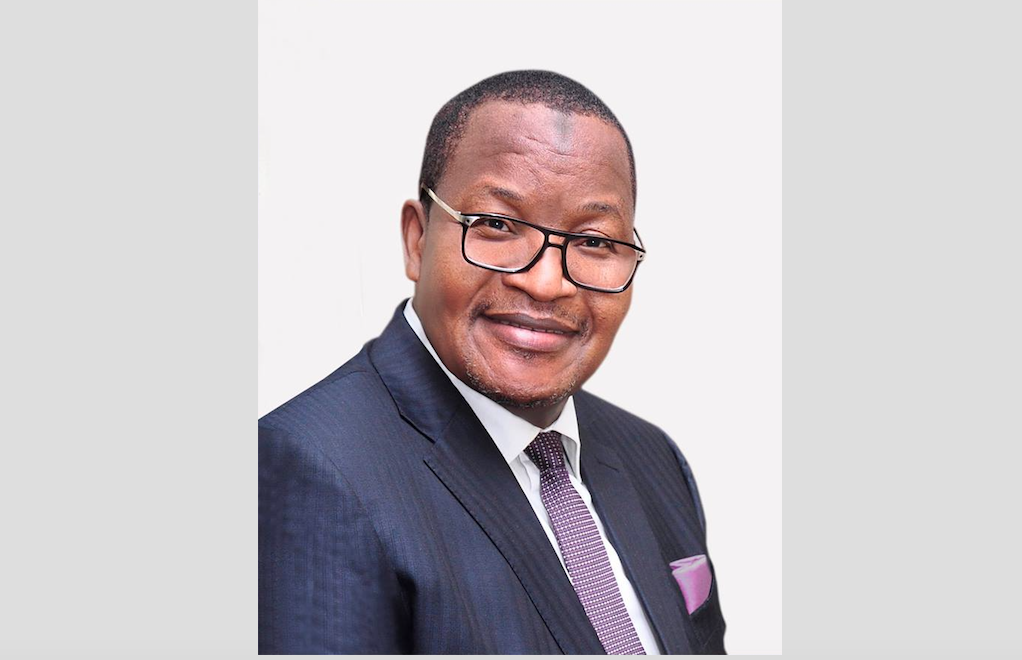
Prof. Umar Danbatta
Executive Vice Chairman/CEO
Nigerian Communications Commission (NCC)
With consumers’ interest and how they could get better quality of services as its focal point, Executive Vice Chairman (EVC), of the Nigerian Communications Commission (NCC) Prof. Umar Garba Danbatta, says “we will abide by all the tenets of consumer rights in our day to day activities at the NCC.”
The EVC’s statement underpins activities of the regulatory agency which has manifest oversight functions over the various network operators in Nigeria.
As Nigeria joins the rest of the global community to mark the World Consumer’s Right Day on March 15, 2020, the EVC said the NCC had put in place a series of initiatives to always cushion and protect the interest of the consumers.
The theme for this year’s event is ‘The Sustainable Consumer’.
For instance, it has over the years hosted the flagship Telecom Consumer Parliament (TCP) where consumer issues are discussed extensively in a high profile session where the regulator, operators and consumers interact and answers got in the process.
Eighty-eight of such parliaments have been held so far in the major cities across Nigeria.
Besides this, no fewer than 110 Consumer Outreach Programmes (COPs) have been held. The event holds monthly in urban centres in the country.
Consumer Town Hall Meetings (CTM) which exclusively hold in rural communities have been well received across the land. So far, 53 of such events have taken place.
There have also been Elite Enlightenment Campaigns targeted at professional organisations during their yearly conferences.
This is done to carry along the high profile professionals who may not have enough time to participate in the TCP, COP and CTMs which hold regularly.
According to a press release signed by Dr. Henry Nkemadu, Director, Public Affairs at NCC, there are campaigns too to empower the Nigerian Youth through information and awareness creation regarding their rights and obligations within the Nigerian telecom industry as well as apprising them about the consumer protection initiatives of the Commission.
“We participate in trade fairs where we engage the consumer on one-on-one basis”.
According to the EVC, the Commission has developed and produced Consumer Education materials on major telecom issues for distribution. The developed factsheets are translated into the three major languages (Igbo, Hausa and Yoruba) including Pidgin. Such materials cover the DND Campaign, SIM Registration and Replacement, role of NCC in consumer protection among others.
The Commission has in place different channels for lodging Consumer Complaints.
These include:
The NCC 622 Toll Free number for escalating unresolved complaints and for seeking redress is working. The centre is open 8am 0 8pm Mondays to Saturdays. There has been consistent campaign on the 622 NCC Toll Free Line.
- Web Portal – The web portal is an alternative online channel for lodging complaints and making enquiries. The portal is available 24 hours and can be accessed via ncc.gov.ng/consumer
- Management of twitter account (@consumersncc) for disseminating information to consumers. The CAB Twitter account (@Consumersncc) is updated with current topical issues of interest to consumers and it currently has 10,700 followers (Consumers).
- Consistent campaign on DND has attracted 22,487,849 subscribers on DND services as at December 2019.
- Regular monitoring of service providers helplines to ensure that the threshold set by the Commission is met 1.e number of rings before connecting to Interactive Voice Response (IVR), connection of calls to live agents, percentage of failed attempts to customer care helplines etc.
- Review of the Complaint Categories and Service Level Agreements (SLAs) on Complaint Management in view of recent technological advancements.
- Co-ordination of Consumer Protection Special Intervention Initiatives such as:
- a. Strategic Bi-Annual Meeting with Senior Executive Directors of Telcos on Complaint Management.
- Constitution of a Multi-Sectorial Working Group on E-Fraud
- Development of a Memorandum of Understanding (MoU) with relevant Stakeholders on E-Fraud.
- Periodic visits to Service Providers call centres to monitor real time handling of consumer complaints on quality of service and assurance, among others.
IMF: ‘Global Co-operation Will Contain Impact of Coronavirus’

|
Ms. Kristalina Georgieva, Managing Director of the International Monetary Fund (IMF) made the following remarks at the G20 Finance Ministers and Central Bank Governors Meeting in Riyadh, Saudi Arabia on the economic impact of coronavirus. “While the impact of the epidemic continues to unfold, the WHO’s assessment is that with strong and co-ordinated measures, the spread of the virus in China and globally can yet be contained and the human tragedy arrested. We are still learning about how this complex virus spreads and the uncertainties are too great to permit reliable forecasting. Many scenarios can play out, depending on how quickly the virus is contained and how fast the Chinese and other affected economies return to normal. In our current baseline scenario, announced policies are implemented and China’s economy would return to normal in the second quarter. As a result, the impact on the world economy would be relatively minor and short-lived. In this scenario, 2020 growth for China would be 5.6 percent. This is 0.4 percentage points lower than the January WEO Update. Global growth would be about 0.1 percentage points lower. But we are also looking at more dire scenarios where the spread of the virus continues for longer and more globally, and the growth consequences are more protracted. Global co-operation is essential to the containment of the COVID-19 and its economic impact, particularly if the outbreak turns out to be more persistent and widespread. To be adequately prepared, now is the time to recognise the potential risk for fragile states and countries with weak health care systems. The IMF stands ready to help, including through our Catastrophe Containment and Relief Trust that can provide grants for debt relief to our poorest and most vulnerable members.” |
‘Gas is Critical for Sub-Saharan Africa’s Energy Future’

| ‘ |
| Energy experts discuss the importance of gas for Africa’s current and future energy needs; GE’s innovative gas power generation portfolio is providing faster, more reliable, more cost-effective and more environmentally friendly power for baseload, emergency or clean energy transition needs; Gas will be critical for creating industry, manufacturing and attracting investment capital.
With recent major gas discoveries in Tanzania, Mozambique, Senegal, Mauritania and South Africa, Africa is poised to use gas technologies that are faster, more reliable, more cost-effective and more environmentally-friendly than coal or oil. To deliberate on the changing trends and future direction of gas in the energy industry, GE recently hosted the Gas Power Summit for Sub-Saharan Africa in Cape Town, South Africa. The forum brought together senior leaders from governments, financiers as well as key stakeholders and thought leaders from utilities and the private sector across the region to explore industry opportunities and challenges on the future of gas power in sub-Saharan Africa. “GE continues to help countries throughout sub-Saharan Africa meet their growing energy demands. Case in point, our Aero-derivative gas turbines provide fast, reliable power for energy emergencies and power crisis while our total plant management solutions demonstrates our strength as a single service provider that understands the full plant-as-a-system impact for installation, maintenance, repair and upgrade activities,” said Elisee Sezan, CEO for GE’s Gas Power business in Sub-Saharan Africa. “GE’s TM2500 mobile aeroderivative gas turbine, for example, can be installed quickly – in as little as a few weeks – to help alleviate frequent outages, making them especially well-suited for countries throughout Africa.” In Angola, GE Gas Power provided emergency power within 30 days just before Christmas, providing emergency power for approximately 100,000 Angolan homes. |
#SMWLAGOS: Unity Bank Advocates Increased Investment in Creative Industry

From left: Head, Digital, Events & Sponsorships, Unity Bank, Bashir Salami, Founder/CEO of Sparkle, Uzoma Dozie, Head, Retail & SME Banking, Opeyemi Ojesina, CEO of Kuda, Babs Ogundeyi and Partner, PwC, Chijioke Uwaegbute after a panel session on “Financing the Music” at the just concluded Social Media Week, Lagos.
Nigeria’s commercial lender, Unity Bank Plc has advocated more investment in the creative industry to drive its contribution to the Nigerian economy.
The Head, Personal & SME, Unity Bank Plc, Mr. Opeyemi Ojesina made the call in Lagos on Wednesday while speaking at a panel to explore financing options for the music industry at the just concluded Social Media Week.
Nigeria’s music industry witnessed an explosion over the past decade, growing by 9 per cent in 2016 to hit $39 million, and is set to grow by 13.4 per cent by 2021, with an estimated worth of about $73 million, according to statistics.
Highlighting impediments to flow of credits and investment, Ojesina stated that the music industry with the involvement of stakeholders in financial services sector needs a deliberate action plan to boost investment that will grow opportunities for entrepreneurs in the sector.
“To attract the required funding in the music industry, all the stakeholders involved must be deliberate about it. But most importantly, the people in the industry must begin to understand the business of their craft and build the necessary structure that would enable financial institutions to make an informed investment decision’’, Ojesina said.
Also speaking, the Head of Digital, Events & Sponsorships, Unity Bank Plc, Bashir Salami reiterated that the Bank has been exploring several financing strategies to support musicians and grow the industry.
He added that, “before the Central Bank of Nigeria, CBN, came out with the Creative Funding Initiative, CFI, the Bank has supported a number of artistes to promote initiatives and projects that resonates with corporate objective of the Bank,” citing the endorsement deal with Adekunle Gold in 2018 as the most significant project to enhance the Bank’s contribution to the growth of the Nigerian music industry.
The session was hosted by Beat FM in partnership with Unity Bank Plc. Titled: “Financing the Music” it had in attendance over hundreds of musicians and creative industry entrepreneurs.
About Unity Bank Plc
We are one of Nigeria’s leading retail banks with over 200 business offices spread across the 36 states and Federal Capital Territory of Nigeria.
The Bank offers wide-ranging financial services to individuals, businesses and the public sector of the nation’s economy. As a further commitment to the growth of the nation’s economy, Unity Bank focuses on SMEs and Agribusinesses. We are driven by the vision to be the retail bank of choice for all Nigerians and this is at the core of all that we do.
‘Linkage Assurance Will Meet N10bn Capital Base by 2nd Qtr’

L-R: Okanlawon Adelagun, Executive Director, Technical, Linkage Assurance Plc; Rotimi Edu, Deputy President, Nigerian Council of Registered Insurance Brokers (NCRIB); Bola Onigbogi, President, NCRIB ; Daniel Braie, Managing Director/CEO, Linkage Assurance; Joyce Ojemudia, General Manager, Marketing, Linkage Assurance and Fatai Adegbenro, Executive Secretary/CEO, NCRIB, during the February Members’ Evening of the NCRIB hosted by Linkage Assurance Plc in Lagos.
The Managing Director/CEO of Linkage Assurance Plc, Mr. Daniel Braie has assured the brokerage fraternity that his company will meet the new capital base of N10 billion.
Braie said that Linkage is not looking outside for funding to meet the recapitalisation requirement, but that it has the internal capacity to raise the needed funds.
Mr. Daniel Braie, who disclosed this during the February Members Evening of the Nigerian Council of Registered Insurance Brokers (NCRIB) held in Lagos, said that Linkage Assurance will conclude its recapitalisation process on or before the end of second quarter 2020.
He told them that they are dealing with an underwriter that is financially strong and have the capacity to meet its obligations as and when due, disclosing that Linkage as at the end of 2019 has a shareholders fund of N28 billion.
According to him, being the first underwriter to host the brokers this year 2020, having also achieved that feat in 2019 underscores the regard and valued partnership the Company has with the brokers. We believe that the brokers are our genuine partners and that is why we continue to be the first to host this programme.
Linkage is also the first underwriting company to extend this partnership to other Area Committees of NCRIB outside Lagos. NCRIB Area Committees hosted in 2019 are in Abuja, Port-Harcourt, Kano, and we are continuing, he said.
Braie assured the brokers that Linkage will not take the partnership for granted, and so has put in place a seamless system to ensure that commissions and claims are processed speedily.
From the way we have structured our operations, you don’t need to see the MD for your claims to be paid, and from anywhere we are in this world we can authorise payment, he assured the brokers.
The NCRIB Members, who unanimously commended Linkage Assurance for their professionalism and response time, gave their endorsement, charging the company to continue its exemplary leadership role in the industry.
Linkage Assurance Plc at the close of business in 2019 posted a Gross Written Premium (GWP) of N6.52 billion as against N5.39 billion during the same period in 2018, indicating a 21 percent increase.
From the business generated in 2019, the company also recorded a Profit Before Tax (PBT) growth of 909 percent, moving from N135 million in 2018 to N1.36 billion during the review period.
Profit After Tax (PAT) also grew to N1.3 Billion, a 553 percent increase from a loss position of N290 million during the same period in 2018.
Underwriting profit rose by 153 percent to close at N409 million during the review period, as against loss position of N773 million the previous year, while investment also grew by 10 percent, moving from N2.46 billion in 2018 to N2.71 billion in 2019.