Saturday, January 24, 2026
35.4 C
Lagos
Home Blog Page 140

Stanbic IBTC Bank PMI – Business Conditions Continued to Improve in October

0

Output and new orders continue to expand, albeit at softer rates Purchasing activity increases at sharp and accelerated pace Inflationary pressures cool, but remain historically strong.

The start of the fourth quarter revealed a solid improvement in the health of Nigeria’s private sector. Output and new orders rose sharply while purchasing activity increased at an accelerated pace. At the same time, backlogs increased for the second month in a row, with sustained accumulation of outstanding business suggesting that hiring activity could continue in the months ahead.

On the price front, price pressures showed further signs of abating with the overall rate of input cost inflation the weakest for three months, but still marked by historical standards. Selling prices were also raised, albeit at a softer rate than that seen in September.

The headline figure derived from the survey is the Purchasing Managers’ Index™ (PMI®). Readings above 50.0 signal an improvement in business conditions on the previous month, while readings below 50.0 show a deterioration.

The headline PMI posted at 53.6 in October, little-changed from 53.7 in September, indicating a solid improvement in the health of the private sector.

A key driver of growth was a sharp rise in new orders following reports of favourable and improving market conditions.

In turn, firms raised their output levels and for the fourth month in a row. Moreover, the rate of increase was quicker than the long-run series average. Manufacturing firms registered the strongest increase in output, followed by services, wholesale & retail and finally agriculture.

Backlogs increased for the second month in a row during October, but the rate of increase eased from that in September. Firms subsequently continued hiring activity, but the rate of growth was mild, and the joint-weakest in the current 21-month sequence of job creation.

Sustained expansions in new orders led Nigerian private sector firms to raise their purchasing activity, with the rate of growth quickening on the month. Pre-production inventories also rose robustly, with the rate of growth quickening to a three-month high amid firms’ efforts to boost their stockpiles.

Supply-chain performance improved, with lead times now shortening in each month for the last five years. Meanwhile, prices data revealed another month of overall input price inflation. Higher purchase and staff costs underpinned the latest rise which eased from September, but was sharp and historically elevated, nevertheless. Selling prices also rose, but at the weakest pace for almost two years.

Whilst firms maintained an optimistic view towards output in the next 12 months, the degree of positivity was the second lowest in the series history, with that only recorded in September 2020 weaker.

Sovereign Trust Insurance Felicitates with ISAN on Confab

0

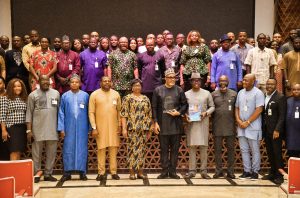
LR: Segun Bankole, DGM, Corporate Communications & Investor Relations, Sovereign Trust Insurance Plc, Prince (Dr) Anthony Omojola, National Coordinator, Independent Shareholders Association of Nigeria, (ISAN), and Oby Chiki-Ijegbulem, MD, Greenwich Registrars & Data Solutions at the Gala Night of the 7th Triennial Delegate Conference of Independent Shareholders Association of Nigeria, (ISAN) held at Lagos Airport Hotel, Lagos.

NLNG: No Flood Impact on Operations Nationwide

0

The attention of Nigeria LNG Limited (NLNG) has been brought to media reports, following the issuance of a statement declaring Force Majeure on Monday 17th October 2022, that operations at its facilities have been shut down due to flood. 

NLNG will like to clarify as follows: 

  • The Company’s plant is in operation though at a limited capacity, due to reduced gas supply from some of its upstream gas suppliers. 
  • None of NLNG’s assets on Bonny Island or in any of its host communities are impacted by the flood. The Force Majeure is as a consequence of a similar notice by Upstream Gas Suppliers due to the impact of flood in their production facilities. 
  • NLNG is working with all critical stakeholders on mitigating the impact on product deliveries.  
  • NLNG continues to supply LPG to the domestic market for now from the limited production. 

A statement by Mr. Andy Odeh, the General Manager, External Relations and Sustainable Development at NLNG says the NLNG continues to monitor the situation with Upstream Gas Suppliers and is evaluating the impact of the flood on its business.


Dangote Cement: N32bn FX Loss, 43% Profit Decline, Stock Down 14.2%, Sales Dim 4.3% in Q3

0

Dangote Cement (DANGCEM) recently released its Q3 22 unaudited results showing that the Group reported an EPS decline of 54.0% y/y in Q3 22.
Analysis by Coronation Research indicates that the earnings slump was mainly driven by cost pressures and foreign exchange losses. Consequently, when annualised, the achieved EPS is below forecasts by 43.3% and below consensus forecasts by 63.2% for FY 22. Year-to-date, the stock is down 14.2%.

The Group’s revenue grew by 11.3% y/y in Q3 22, driven by growth in both Nigeria (+13.7% y/y) and Pan African operations (+4.1% y/y). The achieved revenue, when annualised, is below our forecasts for FY 22 by 6.0%.
Nigerian revenue was mainly driven by price increases (the average price per tonne rose by 17.4% y/y) which offset a decline in volumes (-3.2% y/y to 4.14Mt) in the period. According to management, its national consumer promotion “Bag of Goodies – Season 3” improved market share during the quarter and cushioned the impact of: (1 ) continued disruptions in energy supply as witnessed in Q2 22; (2) rising inflation, and; (3) the effects of unusually heavy rainfall and flooding on cement demand.
In the Pan-African region, price increases were also implemented (the average price per tonne rose by 12.0% y/y) which offset the substantial volume decline (-7.0% y/y to 2.51Mt). According to management, volumes declined becausee of disruptions of global supply chains, rising commodity prices, the extended shut down of its Congolese plant due to maintenance, and extended power plant maintenance in its Senegalese operation.
Overall, the group’s sales volume declined by 4.3% y/y to 6.59Mt in Q3 22, driving the overall 9M 22 volume down by 6.2% y/y to 20.8Mt.

The Gross margin shrank by 533bps to 56.3% in Q3 22, a seven-quarter low, owing to rapid Cost of sales growth (+26.8% y/y). Growth in Cost of Sales was driven mainly by the surge in the cost of Fuel & Power consumed (+59.4% y/y), which reflects the increased price of Automotive Gas Oil (AGO).

In addition, Material Consumed (+19.1% y/y) and Other Production expenses (+49.9% y/y) contributed to pressure Cost of Sales as a result of FX rate deterioration inflating some imported input components. Gross Profits themselves managed to grow by 1.7% y/y thanks to the above-mentioned price increases.

EBITDA declined by 12.6% y/y in Q3 22, driven by a 39.3% y/y rise in Operating expenses. As is the case with production costs, the rise in AGO prices was the primary driver of elevated Haulage expenses (+61.2% y/y), making up over 82% of Selling and Distribution Costs. Management also highlighted substantial freight costs in Cameroon, Ghana, and Sierra Leone, causing volatility in the landing cost of cement and clinker.

In addition, there was an unusual rise in Advertisement and Promotions, by 486.9% y/y, owing to the 3rd season of the company’s National Consumer Promotion “Bag of Goodies 3” in efforts to drive consumer engagement.
Consequently, the EBITDA margin shrank 1,056bps to 38.6%, the lowest level since Q319. Nonetheless, in management’s efforts to combat the menace of ever-rising energy costs, the company renewed its efforts to ramp up the usage of alternative fuels, co-processing 101,553 tonnes of waste representing a 77% increase over 9M 2021. Elsewhere, the company is also ramping up investment in Compressed Natural Gas (CNG) to offset AGO usage, having commissioned a power plant at its Okpella plant.
Further down the P&L, the group recorded Net finance cost of N44.49bn, up 220.2% y/y in Q3 22. The company incurred a significant N31.73bn foreign exchange loss due in part to the FX crisis impacting imported input components and well as depreciation in some Pan-African currencies i.e. CFA and Ghanaian Cedi, severely eroding the group’s bottom line.
Consequently, Profits Before Tax declined by 42.8% y/y. Despite the decline in tax expense in Q3 22 (-20.2% y/y), Net Income fell by 52.7% y/y.


AN EXPOSE ON THE IMPACT OF CLIMATE CHANGE IN NIGERIA- Effects and Preventions-

0

By Esohe Braimah

Africa is the most vulnerable continent to climate change impact despite its low contribution to global greenhouse gas emissions-so says the African Development Bank (AfDB). Unlike other continents, Africa isn’t well equipped or prepared to protect itself from the approaching disaster that is looming.

Climate Change is Goal 13 of the United Nations’ 17 Sustainable Development Goals (SDG) that came to force in January 2016 following its adoption in September 2015. Members are expected to achieve these goals by 2030.

The mission statement for Goal 13 is to take urgent action in combating climate change and its impact. Countries that have signed to the SDGs are to mobilise efforts to end all forms of poverty, fight inequalities and tackle climate change, while ensuring that no one is left behind.

The UN describes Climate Change as a long-term shift in temperatures and weather patterns. Human actions are considered the major cause of climate change. Scientists and NGOs have not relented in creating awareness and drawing attention to the fact that there has been an abrupt change in biodiversity loss, rising sea levels, melting ice sheets and higher temperatures amongst others.

Most of these complaints have fallen on deaf ears. The world is slowly crawling into exceeding the global warming of 2°C deleterious temperature. They have warned about the risks to our climate of a rise in global temperatures of 2C over pre-industrial levels could make life unbearable for millions of people.

The intergovernmental panel on climate change (IPCC) sixth assessment report chapter nine on climate change in Africa made several points on the impacts Africa will face in the nearest future. From the look of things, it seems that most of these impacts are manifesting already.

The IPCC report showed that limiting global warming to the safe zone of 1.5°C will substantially reduce damage to Africa’s human health, economies, agriculture, and ecosystems. The report also confirmed that exposure to climate change makes the continents very vulnerable. This is because a good percentage of its workforce is employed in the agricultural sector and the impacts of climate change always affect agriculture.

In addition, the report also stated that Africa is predicted to experience a loss of crops, livestock and fisheries which will then in turn lead to famine and widespread hunger. It also stated that climate change is the major cause of reduced economic growth across African countries.

The impacts of Climate Change also negatively affect the health sector in Africa. It is predicted millions of Africans will get climate-related diseases due to exposure to non-optimal temperatures and extreme weather conditions. The mobility and mortality rate is also feared to see an increased percentage.


Impacts of Climate Change in Nigeria

Over the years Nigeria has experienced the negative impacts of climate change. From the increase in temperature in the 80s to the massive flooding in 2012 and 2022, the nation has been able to identify six key hazards. They are

  1. Flood
  2. Drought
  3. Epidemic
  4. Landslide
  5. Extreme temperature
  6. Storm


Flood is one of the major impacts of climate change in Nigeria. In recent weeks Nigeria has experienced its most damaging flood incident which currently affects 31 out of the 36 states, 21 states out of the 31 are severely impacted.

The recent flooding has not only resulted in the loss of lives and properties, but its negative effect is also creeping into the agricultural, health, infrastructural and economic sectors. A report released by the local news showed that about one million Nigerians have been displaced and more than 300 lives have been lost due to the flooding.

The national emergency management agency termed this recent flooding the worst in decades and has warned that the situation could deteriorate further. It is also expected to see an increase in waterborne diseases in those areas due to the crisis.

One of the major causes of excessive flooding is a result of a general rise in sea levels. The rise in sea levels is another impact of climate change. Sea levels have been on the rise in the coastal part of Nigeria which is resulting in the loss of villages and farmlands.

The riverside areas of Nigeria are getting the major blow from this negative impact. Scientists estimated that a one-meter rise in sea levels could cause about 75% of the land in Niger Delta to be lost.

It is to be noted that the recent flooding in Nigeria correlates with the opening of the Lagado Dam in Cameroon, the overflowing of two of the country’s dams and excessive rainfall.

Nigeria has also been experiencing severe drought in parts of the country which is leading to the loss of crops and livestock. The major causes of drought in Nigeria are all man-made causes. It is caused by deforestation, overgrazing, poor cropping method and bush burning.

According to a report released by the federal ministry of environment in 2018, droughts occurred in Nigeria from the early 90s to the late 90s. The international monetary fund also confirmed that Nigeria and several other African countries experience 33% of the world’s drought due to their rain-fed agriculture.

The global disaster alert and coordination system (GDACS) has alerted drought for Nigeria in 2022. According to the summary, the drought lasted for one month and the drought indicators suggested anomalies typical of mild to severe events.

One of the worst drought incidents was recorded in the Lake Chad basin incident. Lake Chad basin is one of the largest freshwater sources and it has link with four African countries including Nigeria. It is recorded that the lake has shrunk by 90 per cent in the last 60 years and this is due to climate change.

Epidemic being one of the major key hazards of climate change impact in Nigeria is no surprise. Nigeria has been left in a vulnerable position which leaves it open to disease outbreaks. Over the last few years, Nigeria has recorded a huge influx of disease outbreaks in several parts of the country.

Diseases ranging from Yellow Fever, Malaria, Typhoid, Covid-19, Lassa fever, Ebola and Monkeypox. The weak ecosystem has left the body’s immune system fragile and unable to properly protect itself from diseases and sickness.

Landslide is a major climatic condition that occurs due to a lack of sheer strength in the composition of the soil. It is the mass movement of rock, debris or earth down a slope. Landslides have both natural and man-made causes.

The man-made cause is due to mining, construction, quarrying and excavations.

This climatic condition is very common in the southeastern part of the country and is a menace to people leaving in those parts. It has resulted in the loss of lives, and deaths and has left several other people injured.


Reasons why Nigeria isn’t properly protected against the impacts of climate change

Several problems pose reasons why Nigeria isn’t properly protected against the impacts of climate change and they are not without blame.

  1. Climate-related researches in the country face severe data constraints.
  2. The country lacks adequate funding in carrying out detailed and comprehensive research.
  3. The lack of proper weather forecasting stations in the country.
  4. Poor allocation of budgetary funds to the ministry of environment.
  5. Very few climate-related publications to spread the news far and wide on the issues the country faces with climate change.


Preventions and Mitigations of climate change in Nigeria.

There are so many bold steps the Nigerian government and its citizens can take in other to impede this looming peril.

  1. Put a price on carbon; Adaptation of carbon tax will limit the emission of greenhouse gases into the ecosystem.
  2. Reduce the use of fossil fuels; switching to more sustainable means of energy will benefit the nation.
  3. Implement climate smart structures; the government of the nation should put infrastructures in place to prevent causes like excessive flooding and land sliding.
  4. The government should allocate more funding in the budget to fuel research and proper forecasting in the coming future.
  5. The farmers should implement a more sustainable way of practicing agriculture.
  6. The government should create a one-stop shop where people can read up and learn about climate issues without being misled.


In conclusion, it is never too late to start putting measures in place to mitigate the impacts of climate change in Nigeria, and also prevent deleterious situations.


Esohe is an undergraduate at the Department of Finance, University of Lagos.

NDLEA Chief, Buba Marwa, to Deliver Realnews 10th Anniversary Lecture Nov 17

0

The Management of Realnews Magazine and Publications Limited, publishers of Realnews Magazine Online, has announced that His Excellency, Brigadier General Buba Marwa, Chairman of the National Drug Law Enforcement Agency (NDLEA) will deliver the Realnews 10th Anniversary Lecture.

Brig Gen. Marwa’s acceptance to deliver the lecture was communicated to Realnews in a letter dated May 31, 2022, and signed by Lieutenant Colonel M.I. Aminu, Military Assistant to the Chairman.

The lecture on “Drug Abuse among Youths in Africa: Implication for Nigerian Economy and 2023 Elections” will hold at the Sheraton Hotel, Lagos, on Thursday, November 17, 2022.
Marwa, former Governor of Lagos State, and a renowned national and international security expert, is a force to reckon with in the fight against drug trafficking and abuse in Nigeria and Africa as a whole.

The Nigeria Drug Law Enforcement Agency (NDLEA) under Marwa’s leadership has waged an exemplary war against illicit drugs in the country with demonstrable strategy and effectiveness in tackling transnational drug trafficking and the abuse of illicit drugs among Nigerians, especially the youths.

He has made strides in transforming the NDLEA, including the arrest and prosecution of high-profile cases. Under his leadership, the NDLEA has shown that there are no “sacred cows” in the fight against criminality.

The lecture will be chaired by Mrs. Elizabeth Ngozi Ebi, Group Managing Director of Futureview Financial Services Limited, who will also moderate the panel session.

Realnews, a general interest magazine is an online publication that thrives on investigative journalism. We have expertise in reporting the oil and gas sector with its attendant environmental challenges. We aim to unearth exclusive stories about real people and the challenges they are facing in their day-to-day activities. We do this bearing in mind that government can only act to influence the lives of people positively if they are aware of their true situation.

Hence, our objective is to use our investigative skills to ferret out information in the sectors we focus on and produce an unbiased report which will actually influence the government and decision-makers to take actions that will make society better.
Realnews is populated by seasoned journalists who believe strongly in the tenets and ethics of the profession.

The online publication believes that journalism as the fourth Estate of the Realm can contribute its quota towards building a fair and just society where fundamental human rights are respected and citizens have the freedom to pursue their interests anywhere in the world without hindrance.

Its editors have a combined experience of several decades in active journalism practice and are highly dedicated to serving humanity. Hence its motto: “For God and Humanity.”
Realnews
 Anniversary Lecture Series was established to commemorate the best minds in our society and to tap from them to enrich the discourse in our national development.
The  9th Anniversary Lecture of Realnews in 2021 was delivered by Engr. Simbi Kesiye Wabote, Executive Secretary of the Nigerian Content Development and Monitoring Board on “Nigeria in the Unfolding Integration of the African Market: The Oil and Gas Perspective”; 2020 Eighth Anniversary Lecture of Realnews was delivered by Boss Mustapha, Secretary to the Government of the Federation and Chairman of the Presidential Taskforce on COVID-19 on Managing COVID-19 Pandemic in Africa: The Nigeria Experience; Former President John Dramani Mahama of Ghana gave the 2019 Lecture on Beyond Politics: An Economic Narrative for West Africa while Prof. Mahmood Yakubu spoke on Political Transitions and Africa’s Economic Development: Preparations for Nigeria’s 2019 General Elections at the 2018 Lecture.

The 2017 Fifth Anniversary Lecture on African Leadership in a Turbulent Era was delivered by Dr. Oby Ezekwesili, former minister of Education and former World Bank Vice President. The 2016 Fourth Anniversary Lecture on Security and National Development in Plural Democratic Society was delivered by Dr. Mohamed Ibn Chambas, former United Nations Secretary General’s Special Representative to West Africa and Sahel; the 2015 Realnews Third Anniversary Lecture was delivered by Professor Chukwuma Charles Soludo, former Governor of the Central Bank of Nigeria (CBN) on November 19, 2015, under the theme: It’s The Nigerian Economy, Stupid? The Second Realnews Anniversary Lecture on Nigerian Democracy: Getting it Right in 2014 was delivered by Professor Maurice Iwu, former Chairman of the Independent National Electoral Commission (INEC).


AIICO Sponsors Cancer Treatment for 30, Mammogram Testing for 100 Others

0

AIICO Insurance Plc, a frontline and innovative insurance company in Nigeria has announced it is sponsoring the chemotherapy treatment of 30 women diagnosed with triple negative cancer, as it marks the 2022 World Breast Cancer Awareness Month.

Additionally, the company is sponsoring mammogram testing for 100 of its people; female staff, female agents and wives of employees.

October is globally marked as the Breast Cancer Awareness Month to draw attention to the scourge and take proactive steps to control and prevent it.

According to a statement from the company, AIICO is sponsoring the chemotherapy treatment of the 30 women who are members of the public and who had reached out for support from its NGO partner – Cancer Aware Nigeria, a Nigerian-based cancer intervention charity. The company has undertaken to alleviate this financial burden.

In other to ensure wider reach and coverage of its healthy breast advocacy, AIICO further explained that it entered into a partnership with Cancer Aware Nigeria on their public enlightenment programme which was held virtually, with seasoned professionals speaking to the public.

Besides these speakers, the programme also featured a breast cancer survivor, Zainab Okafor, who narrated how she overcame breast cancer. She attributed her recovery to early detection and the intervention of Cancer Care which took up her treatment and rehabilitation.

Commenting on the company’s breast cancer action advocacy plan and its initiatives, the Managing Director/CEO of AIICO Insurance Plc, Mr. Babatunde Fajemirokun. said “It was predicated on the need to prioritize the health and well-being of all people, especially the company’s internal stakeholders. This speaks to our sustainability efforts in alignment with Goal 3 of the United Nation’s Sustainable Development Goals which address healthy living and promoting well-being.”

Commenting on why the company commits substantially to the well-being of its people, he stated, “A healthy work force is a harbinger of productivity and efficiency. People are at their best when they are healthy and happy. We shall continue to prioritize their well-being at all times.

Also commenting on the partnership with Cancer Aware, the Head, Corporate Responsibility and Sustainability at AIICO, Mrs. Abimbola Shobanjo, said the company seeks and works with trusted partners who are experts in their field of endeavour, passionate about their cause and have consistently delivered on their mandate. “Cancer Aware Nigeria, has proven to be one of such organizations with proven track records. We will continue to work with them to impact society.”, she said.

AIICO has been observing the Breast cancer awareness month for years and has facilitated initiatives to screen staff of breast cancer, provide healthy breast education and assisted in taming the scourge of breast cancer nationally.

AIICO Insurance is a leading composite insurer in Nigeria with a record of serving our customers that dates back over 50 years. Founded in 1963, AIICO provides life and health insurance, general insurance and investment management services to create and protect wealth for individuals, families and corporate customers.

NCC to Parents: Guard Against Children’s Uncontrolled Exposure to Online Activities 

0

L-R: Dawn Dimowo, Manager, Government Affairs and Public Policy, Google Nigeria; Dr. Haru Alhassan, Director, New Media and Information Security (NMIS), Nigerian Communications Commission (NCC); Soniya Daiaveiga, Head, Digital Literacy, TechHer; Chiderah Ike-Okonkwo, Nigeria Data Protection Bureau (NDPB); Ajayi Festus, WebRangers Alumni, during the 1st edition of the Web Rangers Nigeria Summit 2022 in Abuja recently.

The Nigerian Communications Commission (NCC) has urged parents and guardians to monitor and manage the engagement of their children online as the uncontrolled exposure to cyberspace is fraught with a lot of negativities to children’s wellbeing.

Contributing during the recent First Web Rangers Nigeria Summit in Abuja, a Google’s initiative that focuses on developing digital literacy and equipping telecom consumers with the knowledge they require for their online safety, Executive Vice Chairman of NCC, Prof. Umar Danbatta, said it is imperative to know what our children are doing in the cyberspace.

At the Summit, with the theme, “Navigating the Responsibility of Online Safety Between Users, Providers and Regulators”, which discussed measures for addressing challenges posed by online criminal activities as they affect children and the youth, Danbatta, represented by the Director, New Media and Information Security (NMIS), Dr. Haru Alhassan, said that the Commission is committed to supporting the governance and security of the nation’s cyberspace, as well as facilitating the adoption of innovative technologies and acquisition of Information and Communications Technology (ICT) skills.

He said the telecom regulator is aware of the responsibilities entrusted on it in ensuring safety in the digital ecosystem, which informed its establishment of NCC Computer Security Incidence Response Team (CSIRT) that was inaugurated in 2021.

He explained that CSIRT responds to computer security incidents to regain control and minimise damage, providing or assisting with effective incident response and recovery, and inhibiting computer security incidents such as malware, virus, and online child threats.

Alhassan also recalled the Commission’s establishment of the Internet Industry Code of Practice (ICP) in 2019, which is designed to secure the country’s cyberspace against imminent threats from cyber attackers as well as addressing issues such as online child protection, privacy and data protection, among others

Dr. Alhassan noted that the Commission is a member of the National Committee on the Development of a Unified National Strategy on Child Online Protection (COP) in Nigeria and emphasised that NCC regularly sensitizes parents and children on cybercrime trends such as cyberbullying, phishing, and online identity theft.

Dawn Dimowo, Manager, Government Affairs and Public Policy, Google Nigeria, stated that the Summit is an opportunity for strengthening the advocacy for digital safety and allowing the youth to share their innovation.

The maiden web ranger summit was anchored by the Public and Private Development Center (PPDC) through the Digital Inclusion and Safer Internet (DISI) programme.

As an organisation, the PPDC has successfully pioneered safer internet and digital inclusion practices and activities in some schools and among many stakeholders in Nigeria. Some of these initiatives are the development of the Online Safety Curriculum, the Web Rangers Clubs, online safety training for staff and students, and the annual celebration of safer internet day in collaboration with the Nigerian Education Research and Development Council (NERDC).


2023: What’s the Peace Accord for?

0

By Haniel Ukpaukure

Many years of faltering in Nigeria’s electoral process became such a matter for concern well-meaning citizens began to see the need to contribute in whatever way they could to enlist the country in the club of those where the success of a common and routine exercise like general election is taken for granted.

The National Peace Committee (NPC), headed by former head of state, General Abdulsalami Abubakar (rtd), is one of such efforts.

The committee, which has other prominent Nigerians like the Sultan of Sokoto, His Eminence, Alhaji Sa’ad Abubakar, Bishop Hassan Matthew Kukah, John Cardinal Onayekan and, lately, Alhaji Aliko Dangote and Femi Otedola, among others, as members, was conceptualized and set up in 2014 when the drumbeats of war as the country approached the 2015 general election sounded so loud there were doomsday predictions about Nigeria breaking up after the elections. The aim was to support peaceful, free, fair and credible elections in Nigeria.

In an experiment that was considered quite novel, NPC got the presidential candidates in that year’s election to sign a peace accord to abide by the outcome of the exercise. The experiment worked, especially with the unprecedented action of the incumbent president, Goodluck Jonathan, to concede defeat to Muhammadu Buhari, even before announcement of the result of the election was completed. The exercise was repeated in 2019 and, as it was four years earlier, it produced the desired result.

More than any other election in Nigeria’s chequered political history, the 2023 exercise is seen as one that would define the country’s future. It is going to be an election like no other. For two of the presidential candidates – Atiku Abubakar of the Peoples Democratic Party (PDP) and Bola Tinubu of the All Progressives Congress (APC) – winning the election appears to be a matter of life and death. It is the last chance for one, after many attempts; the one and only chance for the other. The first-of-its-kind monetization of the process that produced them as candidates for the forthcoming election attests to this assertion.

Quite unlike the two previous elections when peace accords were signed a few weeks to the election, the exercise, this time around, was carried out more than five months to the election, on Thursday, September, 2022 – one day after the official commencement of electioneering. This was so because NPC recognized, as other concerned Nigerians did, the hate speeches, verbal attacks and media war that seemed to prepare grounds for the commencement of campaigns.

And unlike in previous elections, this accord is about stemming hate speeches that could threaten the election. The accord for the acceptance of the outcome of the election is scheduled for February, before the election.

It is ironic that only one month into the electioneering, with four months to go before the election, the rate of hate speeches and attacks on individuals appear to be higher than it was before the peace accord was signed by people who pledged to run issue-based campaigns.

We have, so far, not heard speeches and statements that outline the strategies for solving the myriad of challenges the country is confronted with, beyond merely listing the challenges which every Nigerian knows. Does it mean these people do not understand what constitutes issue-based campaign?

It must be pointed out that spokespersons of the campaign organizations of the candidates, especially the three frontrunners – Atiku, Tinubu and Peter Obi of the Labour Party (LP) – are at the vanguard of the hate speech that currently characterizes the campaigns. And since they speak for the candidates, it is taken that the people who signed the Peace Accord (Kazim Shettima, Tinubu’s running mate, signed for the candidate) are the ones responsible for the hate speeches and attacks. Is this what we are going to see, going into the election? It makes you wonder what the accord was all about.

Festus Keyamo, Tinubu’s spokesman and Dele Momodu, his counterpart in the Atiku camp, have taken the attacks to a ridiculous and utterly shameful level by going for each other’s throat. People who should be busy selling their principals through well designed, crafted and delivered communication on the road map for getting the country out of its current sorry state are busy attacking each other. And their principals do not see the need to call them to order. It’s as if the presidency would go to the candidate with the ability to throw the largest quantity of mud at the other.

The candidates must understand that their utterances and behaviour constitute the impetus that drives their supporters to do whatever they like on the streets, especially at campaign rallies of other candidates. If they don’t moderate their utterances and focus on issues that would present them as capable of giving Nigerians a new country in 2023, how would the people trust them to accept the outcome of the election, even if they sign an accord to that effect? The impression should not be created that the peace accord has lost its meaning, significance and importance, since its debut in 2015.

Nigeria will exist beyond 2027. That is to say that after 2023, there will be another election. From the way the attacks are going on, one would think the scramble is to rule the country before it becomes extinct. Or is it the fear of dying and not fulfilling a life ambition?

We should worry only about the level of insecurity that clearly threatens the election – kidnappings, terrorism, banditry and the regular forms of criminality – which could potentially mar the election. Our fears shouldn’t include election violence instigated by candidates through their utterances.

The 2023 election is the event that presents the most opportune moment to change the course of Nigeria’s history. Politicians should not be the ones to thwart the effort of Nigerians to make that happen.


Ukpaukure, a media consultant and writer, lives in Lagos.

[email protected]

TotalEnergies Reports $10bn Income in Q3 Driven by LNG Business

0

TotalEnergies has strengthened its balance sheet and doubled its profit in the third quarter of 2022 on a year-on-year basis, driven by its LNG business and higher gas prices due to the Ukraine crisis.

TotalEnergies revealed on Thursday that it recorded a net income of $9.9 billion in the third quarter of 2022 compared to $9.8 billion in the second quarter of 2022 and $4.8 billion in the third quarter of 2021. The firm also disclosed a new impairment of $3.1 billion related to Russia.

Patrick Pouyanné, CEO of TotalEnergies, commented: “In a context marked by an average Brent price of 100 $/b and an increase in gas prices exacerbated by Russia’s military aggression in Ukraine, TotalEnergies leveraged its integrated model, particularly LNG, to generate results in line with previous quarters.”

The French giant’s business segments benefited from higher oil and gas prices in 3Q 2022 with an adjusted net operating income of $10.3 billion compared to $10.5 billion in 2Q 2022 and $5.4 billion in 3Q 2021.

In line with this, the iGRP – integrated Gas, Renewables & Power – segment reported record adjusted net operating income of $3.6 billion this quarter, up $1.1 billion from the second quarter, and cash flow of $2.7 billion, “driven by an average LNG selling price up more than 50 per cent compared to the previous quarter and by the strong performance of its trading activities.”

On the other hand, TotalEnergies’ CEO explained that the firm’s Exploration & Production segment posted an adjusted net operating income of $4.2 billion and cash flow of $6.4 billion, “despite a decrease in production this quarter, mainly due to unplanned shutdowns at Kashagan.”

Furthermore, the company’s cash flow from operations was $17.8 billion in 3Q 2022, compared with $16.3 billion in 2Q 2022 and $5.6 billion in 3Q 2021. Pouyanné explained that TotalEnergies “continued to implement its growth strategy by taking a stake in the North Field South LNG project in Qatar.”

In pursuit of implementing its strategy to invest in low-cost and low-emission oil projects, TotalEnergies started production at the Ikike field in Nigeria and launched the Begonia oil project in Angola and the Fenix project in Argentina. In addition, the company confirmed a significant gas discovery within a block operated by Eni in Cyprus where the French giant holds a 50 per cent stake.


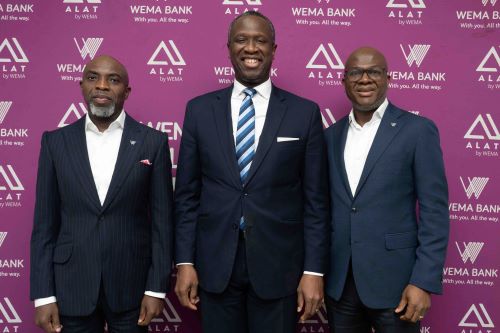
Agusto Upgrades Wema Bank Funding SPV Series II Bond to ‘Bbb+’, Stable Outlook

0

Ratings agency Agusto & Co. has upgraded Wema Bank Funding SPV Plc’s Series II Bond to ‘Bbb+’, with a stable outlook, from the previous ‘Bbb’ score. The Issuer is a Special Purpose Vehicle (SPV) set up by Wema Bank Plc for the issuance of debt securities.

Agusto in its latest rating assessment released on Tuesday said it upgraded the rating of Wema Bank Funding SPV Plc’s Series II ₦17.7 billion seven-year fixed rate bond to ‘Bbb+’ as a result of significant improvement on key metrics of assessment.

‘‘The rating assigned to the bond is hinged on the Sponsor’s upgraded rating of ‘Bbb’ and is a notch higher given that 45% of the bond proceeds was invested in a 13.53%, 7-year Federal Government of Nigeria (FGN) bond and held in the custody of the Joint Trustees,’’ Agusto & Co. stated in the report.

It further noted that ‘Bbb+’ assigned Wema Bank affirmed the leading financial institution’s improved profitability, satisfactory asset quality and liquidity profile.

‘‘In the unlikely event of a default, this provides some recovery prospects. The upgrade in the rating assigned to Wema Bank reflects its improving profitability metrics, satisfactory asset quality and liquidity profile,’’ the report added.

Commenting on the report, Wema Bank’s Managing Director/Chief Executive Officer, Mr. Ademola Adebise, stated: ‘‘Wema Bank welcomes with excitement this latest positive assessment. This important rating adds to the series of positive outlooks that credible independent global ratings agencies have given to our bank which affirms the resilience of our bank as a stable financial institution. We are buoyed by these positive affirmations to recommit delivering innovative banking and financial solutions that foster inclusive growth for individuals and businesses, and more importantly pushing further Wema Bank’s frontiers as a major enabler of national economic growth.’’

Agusto & Co. explained that the rating validity for the bank subsists up until 10 September 2023, but noted, however, that constraining these positive factors are the elevated operating cost profile, the harsh regulatory environment and prevailing macroeconomic headwinds.

Wema Bank’s fascinating upward trajectory was acknowledged recently when it emerged as the best performing bank in the first half of year 2022 financial year with a weighted average score of 2.83 points ahead of 12 other banks.

The Nigerian banking performance HY 2022 prepared by Nairametrics showed that Wema Bank surpassed others on several key metrics including total asset growth, loan book growth, profit growth, cost-to-income ratio movement, and return on average equity.

In similar vein, global rating agency Fitch affirmed Wema Bank’s Long-Term Issuer Default Rating (IDR) at ‘B-‘ with a Stable Outlook, Viability Rating (VR) at ‘b-‘ and National Long-Term Rating at ‘BBB (nga)’, in July 2022. Amongst the key rating drivers (KRDs), Fitch stated that Wema’s IDRs were driven by its standalone creditworthiness, as expressed by its VR. The VR reflects Wema’s small franchise, high credit concentrations, aggressive loan and balance-sheet growth and funding weaknesses.

It also reflected good asset quality and expectation of a significant improvement in capitalisation and leverage, due to a material rights issue due to be concluded by end-2022.


Rosatom Empowered 1000 Girls in Eastern Cape Province

0

As a strategic way to celebrate the October 11 International Day of the Girl Child and for the second year, Rosatom conducted a series of events to bring awareness to the unique challenges girls around the world face.

On October 19-20 1,000 girls from four East London’s schools – Aspiraza Primary School, Cranberry Primary School, Nontuthuzelo School and Pefferville School – were provided with personal care products sponsored by Rosatom Central and Southern Africa.

Rosatom along with the Families South Africa, a non-profit organisation specialising in relationship counselling, organised the event.

The hygiene products were supplied by Palesa Pads, which manufacture reusable hygiene pads with a shelf life of up to 5 years providing an affordable, reliable and environmentally friendly long-term solution.

The event was also supported by “Union of Women in Nuclear Russia” – a professional women’s community in the nuclear industry, uniting female specialists and residents of nuclear industry from 18 countries.

Rosatom women’s community promotes opportunities for professional and personal growth of women and girls, deals with career guidance for girls in STEM, provides a motivating environment for self-realisation and opportunities to discover their potential through global partnership, training, support in implementing projects to sustainable development.

The first Rosatom event to commemorate the International Day of the Girl Child took place a year ago, when the company held an inaugural event at Mpuluzi High School in Mayflower. As part of those events Rosatom also organise a discussion on female health and bringing health sustainability to the next level by providing comprehensive sexual and reproductive health and rights (SRHR) talk.

SRHR education is vital in preventing human trafficking, helping girls avoid pregnancy, and teaching young women to advocate for themselves.

Juanita Alexander, a Grade 7 math teacher from Pefferville School shared her thoughts on the concept: “As a school we are very thankful for this donation. I personally think this will make a huge difference especially to the community where we are. It means a lot for these girls and as some of them are coming from disadvantaged areas and they are not able to afford these sanitary products. Palesa Pads is providing sustainable solution that will last years and save those girls a lot of money. This will keep them at school.

“They also learned a lot of information on female health and hygiene today and I think it’s extremely important. We would like to thank the main sponsor Rosatom and Palesa Pads for this donation. We really hope to see more companies join these initiatives to fight period poverty!”

Access to good menstrual health is now recognised as a fundamental human right for the 800 million people around the globe. Not having access to a safe and hygienic way to deal with menstruation can have profound consequences, particularly on a girl’s education.


It is estimated that roughly 7 million South African girls on their period often miss one or more days of school, totaling up to 20 percent of the school year, and some drop out altogether.

“Providing safe menstrual health solutions can directly result in decreasing the dropout rates for South African schoolgirls thus increasing their contributions to the sustainability of their local communities. Most importantly, local communities are empowered to discuss issues around menstrual health without perpetuating harmful stigma. With access to safe hygienic products, they’re able to prioritize their education and focus on their future!” said Evdokia Polyakovskaya, Ambassador of Union of Women in Nuclear at Rosatom Central and Southern Africa.


About Rosatom

Rosatom is a global technological leader, with capacities in the nuclear sector and beyond, and business partners in 50 countries. As one of the pioneers of the nuclear industry, Rosatom has traditionally been at the forefront of the international nuclear market, including nuclear power plant construction, uranium mining and enrichment, and nuclear fuel fabrication and supply. Today, thanks to the unique expertise accumulated over 75 years, the company is conquering the markets of new promising high-tech products. Hydrogen energy, energy storage, nuclear medicine, wind energy, composite materials, logistics business, environmental solutions – in total, more than a hundred new businesses, which cement Rosatom’s standing among the leading tech giants.

The Rosatom business strategy is guided by the international sustainable development agenda. Rosatom makes a significant contribution to the achievement of the UN Sustainable Development Goals as a low-carbon electricity company, developing nuclear, hydrogen and wind energy. Annually, Russian-designed nuclear power plants prevent more than 210 million tons of greenhouse gas emissions, which is the main cause of climate change. The nuclear power plant being built by Rosatom in Turkey is the first nuclear project in history to receive a sustainable loan. In 2021, the company has placed its first issue of green exchange-traded bonds. Since 2020, ROSATOM has been a member of the UN Global Compact Network.


CBN Honours SystemSpecs, Others for Promoting eNaira 

0

Mujib Ishola, Chief Technology Officer, Remita, receives an award from Mr Godwin Emefiele, the CBN Governor at the anniversary

The Central Bank of Nigeria (CBN) has recognised SystemSpecs, and presented it with an award as Nigeria’s leading fintech firm as the Payment Service Provider (PSP) of the year.

The award is in recognition of the company’s pioneering efforts in providing the first multi-use case for eNaira on its Remita platform.

The recognition formed part of the first anniversary celebration of the introduction of the eNaira.

CBN also singled out Flutterwave, Meemz Dinner, Crystal Plates, and Sahad Stores for recognition.

Aminu Mohammad Abba, Eze Chukwudi, and Abdullateef Abdulsallam were also specially acknowledged for their adoption and use of eNaira as individuals.

President Muhammadu Buhari formally launched the digital currency at the state house in Abuja on October 25, 2021.

Since its launch and deployment, eNaira has yielded key milestones, onboarded various use cases, and created a level playing field for banks, fintechs and other payment system ecosystem players.

Mr. Mreremi Atanda, the Managing Director and Chief Executive Officer of Remita Payment Services Limited (RPSL) commended the apex bank for the organisation of the event to commemorate the first anniversary of the eNaira.

“We are happy that our efforts are recognized by the regulators. We will continue to deepen the usage of the wallet on all our platforms to better serve our customers,’’ Atanda promised.

Remita was the first fintech company in Nigeria to provide multiple use cases for eNaira as it allows users to make and receive payments for diverse services and products.

The apex bank had earlier lauded SystemSpecs for this pioneering effort.

Speaking at the 286th Monetary Policy Committee (MPC) briefing, the CBN Governor, Mr Godwin Emefiele acknowledged that efforts were ongoing to promote the adoption of Nigeria’s digital currency.

He commended Remita for its pioneering role in promoting the use of eNaira for everyday use by citizens and businesses.

“Today, I am aware that people can use our eNaira on Remita.net to make purchases. You can pay for your DSTV subscriptions using eNaira, you can pay government bills, you can buy airtime and you can conduct a whole lot of transactions, using our eNaira.”


With a wide footprint in providing utility vending and payment services to thousands of SMEs, and private and public sector organisations, Remita has the potential to provide a major boost for the use of the digital Naira in Nigeria and beyond.


CBN: New Naira Notes Ready by December 15, 2022

0

Press Remarks by CBN Governor, Godwin Emefiele on Issuance of New Naira Banknotes

Good afternoon- Ladies and Gentlemen, and welcome to this special press briefing of the Bank. We have called this gathering to inform relevant stakeholders and the general public of persisting concerns we are facing with the management of our current series of banknotes, and currency in circulation, particularly those outside the banking system in Nigeria.

As you all may be aware, currency management is a key function of the Central Bank of Nigeria, as enshrined in Section 2 (b) of the CBN Act 2007. Indeed, the integrity of a local legal tender, the efficiency of its supply, as well as its efficacy in the conduct of monetary policy are some of the hallmarks of a great Central Bank.

In recent times, however, currency management has faced several daunting challenges that have continued to grow in scale and sophistication with attendant and unintended consequences for the integrity of both the CBN and the country.

These challenges primarily include:

  • Significant hoarding of banknotes by members of the public, with statistics showing that over 80 percent of currency in circulation are outside the vaults of commercial banks;
  • Worsening shortage of clean and fit banknotes with attendant negative perception of the CBN and increased risk to financial stability;
  • Increasing ease and risk of counterfeiting evidenced by several security reports.

Indeed, recent development in photographic technology and advancements in printing devices have made counterfeiting relatively easier. In recent years, the CBN has recorded significantly higher rates of counterfeiting especially at the higher denominations of N500 and N1,000 banknotes.

Although global best practice is for central banks to redesign, produce and circulate new local legal tender every 5–8 years, the Naira has not been redesigned in the last 20 years.

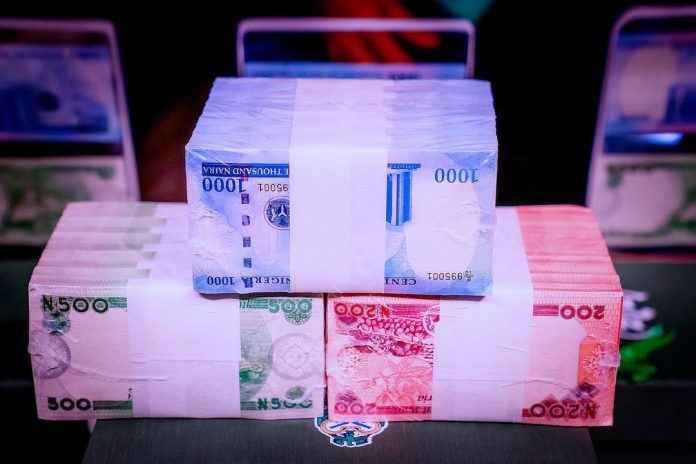
On the basis of these trends, problems, and facts, and in line with Sections 19, Subsections a and b of the CBN Act 2007, the Management of the CBN sought and obtained the approval of President Muhammadu Buhari to redesign, produce, and circulate new series of banknotes at N100, N200, N500, and N1,000 levels.

In line with this approval, we have finalized arrangements for the new currency to begin circulation from December 15, 2022. The new and existing currencies shall remain legal tender and circulate together until January 31, 2023 when the existing currencies shall seize to be legal tender.

Accordingly, all Deposit Money Banks currently holding the existing denominations of the currency may begin returning these notes back to the CBN effective immediately. The newly designed currency will be released to the banks in the order of First-come-First-serve basis.

Customers of banks are enjoined to begin paying into their bank accounts the existing currency to enable them withdraw the new banknotes once circulation begins in mid-December 2022. All banks are therefore expected to keep open, their currency processing centers from Monday to Saturday so as to accommodate all cash that will be returned by their customers.

For the purpose of this transition from existing to new notes, bank charges for cash deposits are hereby suspended with immediate effect. Therefore, DMBs are to note that no bank customer shall bear any charges for cash returned/paid into their accounts.

Members of the public are to please note that the present notes remain legal tender and should not be rejected as a means of exchange for purchase of goods and services.

We would like to use this opportunity to reassure the general public that the CBN would continue to monitor both the financial system in particular, and the economy in general, and always act in good faith for the achievement of the Bank’s objectives and the betterment of the country.


I thank you for listening.


Godwin I. Emefiele

Governor

FREE eSIM Offer: Another Market Beater from Smile

0

Pioneer 4G LTE broadband service provider Smile Nigeria has introduced FREE eSIM into the Nigeria market with offer of 10 FREE off-net local minutes valid for 30 days.

The offer yields unlimited FREE on-net voice and SMS and a competitive out of bundle rate N9.20/min. Also, calls are charged per second with no hidden cost, no hidden charges, no call setup charge, no daily charge, no first-minute charge and no roaming charges abroad

Smile customers on unlimited FREE on-net calls only need to connect to a Wi-Fi network when abroad to pay local call rates when calling numbers in Nigeria. The customer can make and receive calls to and from any number in the world.

Also, the customer can make local and international calls at the lowest call rates with MySmile App with voice only plans and International MySmile App with voice plans. Just get a Smile number and you are primed to chat for FREE. Indeed, anyone on the service can always enjoy local call rates from wherever he travels to!

The FREE eSIM on MySmile App with voice plans ensures unlimited FREE on-net calls with no daily connection fee and no first-minute charge. The additional incentives for the customer include billing per second as the customer will have to pay for only what is used.

It offers the lowest local call rate in Nigeria with a range of voice plans. In it, there are no roaming fees when traveling abroad and the customer is obliged to pay local call rates on phoning Nigeria when abroad.

Vitally, no physical SIM card is required. The customer only needs to download the MySmile App with voice and activate their Smile number to make calls. Those desirous of making international calls (through bundle) can call home at local call rates and are assured that there are no hidden charges, no call set-up charge, no daily charge and no first minute charge.

The offer is open to all Smile customers and prospects in major Nigerian cities including Kaduna, Lagos, Abuja, Asaba, Onitsha, Ibadan, Port Harcourt and Benin. Customers who live offshore especially those who travel to countries with expensive call rates, when calling numbers in Nigeria will find in the offer an efficient cost saver.

It is an all-inclusive service to which even non-Smile customers can still benefit from and it is readily available. Customers can order online via. https://smile.com.ng/free-esim-unlimited-voice-sms.html. Visits can be made to any Smile outlet to get it activated.

Alternatively, customers can complete the online form and wait for a call from the customer care team via https://smile.com.ng/joinsmilewitheSIM.