
Africa still lags behind the rest of the world in its digital transformation, and in spite of a growing number of innovative solutions, the on-going lack of adequate infrastructure and connectivity is preventing the continent from realising its true economic potential.
The best and fastest way to overcome these barriers may lie in heightened cooperation between countries and their various regulators.
This is according to James Claude, CEO of Global Voice Group (GVG) (www.GlobalVoiceGroup.com) – a provider of IT solutions to governments and regulatory authorities – who says that while many countries in Africa are individually working to increase their infrastructure and digital capabilities, the most effective solution will be to approach these challenges from a regional perspective.
While attending the 5thCrans Montana Forum in Dakhla, Morocco in March of this year, Claude noted that African governments have a crucial role to play in taking the continent to the next stage in its digital evolution.
“Businesses, universities and young entrepreneurs are increasingly contributing to the digital economy and fostering innovation in Africa. Governments now need to work towards helping these private sector players to grow their solutions more rapidly and affect real change on the continent. This will require harmonising regulations that allow businesses and services to expand beyond country borders.”
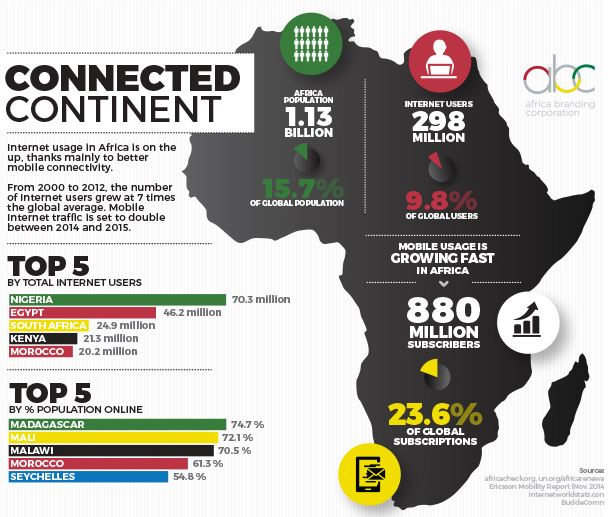
Africa’s potential as a global leader in the world’s digital economy grows significantly with each passing year. Africa’s population is increasing exponentially, and is expected to reach between 1.379 billion and 1.486 billion by 2025. In addition to this, the market penetration of digital technology is accelerating. Importantly, it is predicted that half of Africa’s entire population is expected to own smartphones by 2020, which already goes a long way towards overcoming infrastructural barriers to digital transformation and connecting people and services online.
“Building on this, mobile money platforms such as M-Pesa have fundamentally changed the way that money is circulated on the continent. E-commerce is also growing rapidly as a result of mobile money, with online retailers that accept mobile money payments even providing people without bank accounts access a greater variety of goods. Similarly, small and medium businesses are able to increase sales and overcome many infrastructure restraints.”
Claude explains that governments across the continent must build on this by creating more digital services based in Africa, facilitating more local tech companies, and continuing to invest in education and incubators that allow citizens to fully access and benefit from digital transformation.
“Equally vital, is to ensure that regulators in every region and country have the visibility, transparency and the necessary data to make informed decisions that will help the digital economy across the different jurisdictions. This is an area in which GVG already has a lot of experience, having pioneered the regulatory technology solution, RegTech on the continent.”
GVG has been helping regulators and government agencies to play a proactive and relevant role in developing their digital agenda.
“Our solutions provide key data that help regulators to migrate from paper-based institutions to digital ones. We will continue to play this role and focusing on Big Data for better regulation, compliance monitoring, revenue assurance, fraud prevention and also Digital Identity. We believe that these will be the key enablers allowing Africa’s citizens to become active participants in the digital economy instead of mere consumers of imported digital goods. Digital ID will also be key to improve better government services delivery,” Claude concludes.