


As part of efforts to support communities deeply affected by the socio-economic impact of the COVID-19 pandemic, the United Nations Development Programme (UNDP), in partnership with Imo and Abia State Governments, have launched an economic revitalisation programme to support 11, 000 people in vulnerable communities in both states with a total contribution of nearly NGN 400 million.
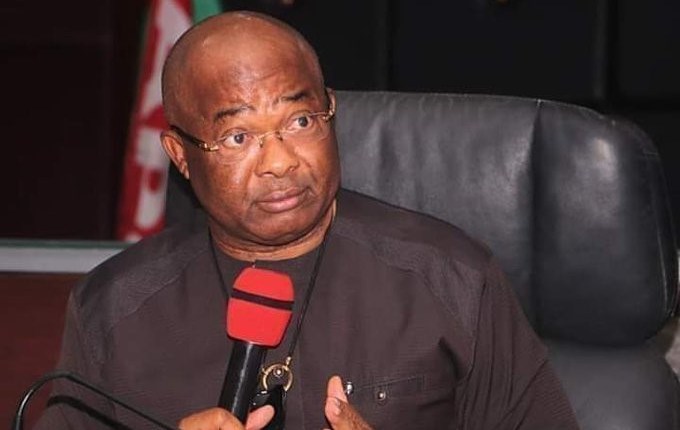
The project was unveiled in Owerri by the Imo State Governor, His Excellency, Senator Hope Uzodinma, Governor of Abia State, His Excellency, Okezie Victor Ikpeazu represented by Dr. Nnenna Chikezie, Permanent Secretary, Abia State Planning Commission, UNDP’s Assistant Administrator and Regional Director for Africa, Ms. Ahunna Eziakonwa and UNDP Nigeria Resident Representative, Mr. Mohamed Yahya, amongst others.
The initiative aims to strengthen economic capacities of communities affected by the pandemic, maintain livelihoods and business continuity, improve food security and social cohesion as well as provide support to start-ups and Micro, Small and Medium Enterprises (MSMEs).
The Imo State Governor, Senator Hope Uzodinma commended UNDP’s action and reiterated the Government’s commitment to providing support to the people affected by the socio-economic fallout of the pandemic in his state.
“The government of Imo State is eager to create opportunities for citizens to live a prosperous life and contribute to the development of the region. The launch of this programme will contribute to reducing the level of poverty among citizens and help vulnerable families to meet their immediate needs. We thank UNDP for this initiative, and we hope that this will help complement our efforts in deploying assistance to SMEs, vulnerable groups in the State.”
The COVID-19 pandemic, as well as the growing insecurity concerns in the south-east, is currently escalating the loss of economic and livelihood opportunities for the most vulnerable communities, especially youth and women. Three out of Imo State’s 27 Local Government Areas (LGA) (Owerri Municipal, Owerri North, and Owerri West), which have particularly been impacted by the second wave of the pandemic, were identified as priority beneficiaries for the programme launched today.
The Abia State Governor, Okezie Victor Ikpeazu, highlighted the state’s willingness to collaborate with stakeholders confirming that the partnership will go a long way in alleviating the plight of vulnerable people in Abia State. “We commend UNDP for this laudable initiative. We assure you that we are ready to partner and collaborate to see that we support vulnerable groups, especially youth and women.” Target locations in Abia State will cover LGAs in Abia North, Abia South and Abia Central.
The pandemic has created a global health and socio-economic crisis that has disrupted lives and may leave millions vulnerable for years to come. UNDP is drawing on lessons learned and an ever-changing context to ensure that COVID-19 support is dynamic and flexible.
The UNDP Assistant Administrator and Regional Director for Africa, Ms. Ahunna Eziakonwa, commend the governments of Abia and Imo States for swiftly rising to the challenge and implementing initiatives to support economic recovery, such as the Abia State Education for Employment Programme and the Imo State Special Youth Empowerment and Intervention Programme.
Ms. Eziakonwa reiterated UNDP’s support to the Imo and Abia State Governments in their efforts to strengthen youth employment, promote innovation and the attainment of the SDGs, and other actions to accelerate progress to achieve transformative and developmental impact were highlighted.
She said:
“Fostering youth and women economic empowerment and innovations is critical for Abia and Imo State’s economic growth and is a key to reducing insecurity. The revitalisation of the economy will not be an easy journey, however, with the support of the right stakeholders, we can be assured of a positive outcome. Young people in this country are ready and eager to contribute to local and national development.”
Vulnerable household beneficiaries will receive four rounds of cash transfers of NGN 5,000, paid as one lump sum of NGN 20,000 per household. One disbursement of $300 (USD) cash transfer grants will be provided to selected MSMEs and informal businesses will receive $100 (USD), which will be monitored by an independent Implementing Partner (IP). The programme will last for a period of four months.
The vulnerable household beneficiaries will be chosen from the National Social Register (NSR) and State Government’s database, with coordination from the State Coordinating Operating Unit (SOCU), and verified by the State SDG Office.
The list of selected MSMEs will be collected from existing State Government registers, NGO databases and will include a selection of vulnerable micro and informal businesses coordinated by the State SDG office.

UNDP, Imo, Abia States Unveil N400m Economic Program to Support 11,000 Residents




Popular Categories


Next article
