


Concluding an eight-day official visit to Nigeria today, the United Nations Assistant Secretary-General and United Nations Development Programme (UNDP) Assistant Administrator and Regional Director for Africa, Ms. Ahunna Eziakonwa, emphasised the urgency in seizing critical opportunities to accelerate Nigeria’s sustainable development.
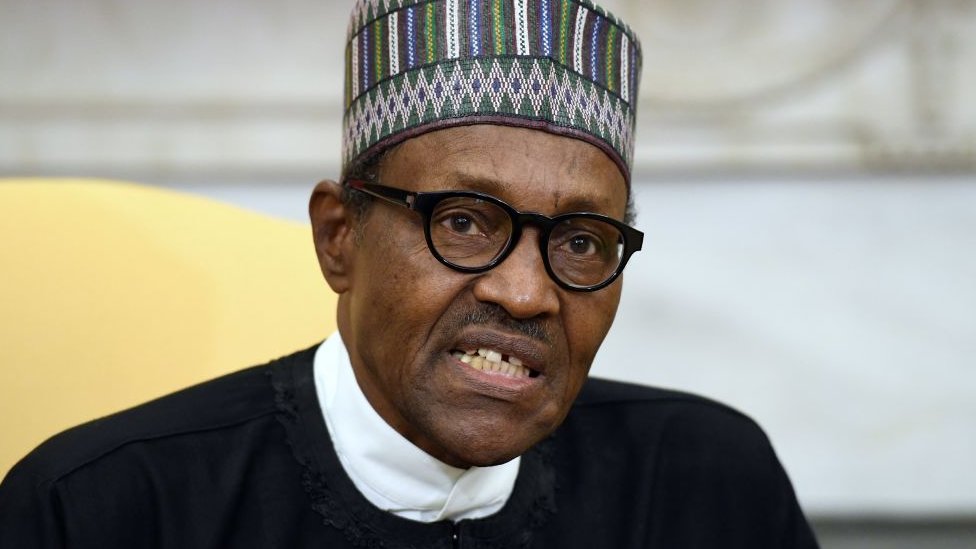
During her visit, Ms Eziakonwa met with H.E. President Muhammadu Buhari, H.E. Vice-President Yemi Osinbajo, and other senior leaders at both Federal and State Government level – emphasising the importance of leveraging wealth creation through investing in women, youth, the creative industry and the private sector. The mission included a multi-city visit to the north-east, Abuja, Owerri and Lagos.
Starting with crossing the Cameroon-Nigerian border by foot into Borno State, the Assistant-Secretary General witnessed firsthand the impact that Federal Government and Borno State – led stabilisation efforts have had on the most vulnerable people in north-east Nigeria – where Ms Eziakonwa inaugurated infrastructure serving borderland communities in the Lake Chad Basin ( both in Cameroon and in Nigeria), such as a police station, barracks and new immigration and border control offices as well as housing for immigration officers.
“Stabilisation efforts are working. I was in Banki less than a year ago and being there again last week I was struck by the transformation the town and people living there have undergone,” explained UNDP’s Regional Director.
“Police and customs officers were proud to be back to serve people in the community, who, in turn, have expressed they now feel more secured. Through our joint stabilization work, we can reduce needs and strengthen support to humanitarian action.”
In Abuja, Ms Eziakonwa met with H.E. President Buhari, to reinforce UNDP’s support to Nigeria’s recovery from the COVID-19 pandemic and its plans to speed up sustainable development in the Decade of Action – focused on climate change, wealth creation, youth employment, and women’s participation in politics.
“Nigerian authorities and people have immediately responded to the pandemic and we are proud to have supported the procurement of forty percent of the equipment needed for the response as a ‘One UN’ effort,” highlighted Ms Eziakonwa.
“However, the pandemic is not over yet, and we must now redouble efforts to address the global inequality evident in vaccine famine. Vaccines must be available to all those who wish to take it.”
Ms. Eziakonwa commended the Federal Government for launching the National Poverty Reduction with Growth Strategy (NPRGS), mandated to lift 100 million Nigerians out of poverty in the next 10 years – emphasizing the fundamental role the private sector plays in Nigeria.
In Owerri, in partnership with both Imo and Abia State Governments, Ms Eziakonwa launched a socio-economic revitalisation project to support 11,000 people across both regions to strengthen economic capacities of communities affected by the pandemic. Support will go to livelihoods support, business continuity, improving food security and social cohesion as well as support for start-ups companies.
In Lagos, Ms Eziakonwa inaugurated Nigeria’s first Accelerator Lab, which will offer opportunities for young people to accelerate and scale up home – grown solutions to Nigeria’s development challenges. With the private sector, she witnessed a renewed commitment to support youth entrepreneurship and empowerment including through the Jubilee Fellowships Programme.
“What I have witnessed in Nigeria, and last week in Cameroon, is a dynamic Africa. Empowering people, particularly women and youth, facilitating their endeavors, and scaling up the transformative innovations they develop, is the only way to support Nigeria and its people in their unique development path towards a more inclusive and sustainable future.”

UNDP Africa Director Seeks New Approach to Accelerate Nigeria’s Development







Popular Categories

