Sunday, December 21, 2025
32 C
Lagos

The N714bn Bailout: Matters Arising

It was good news the other morning when news filtered out that the federal government has graciously given cash-strapped states a bailout of approximately N714 billion to settle outstanding salaries and other forms of wages to workers in their states.

To the workers, it was probably the best news of the year 2015, given that some that had fallen into arrears for upwards of seven to nine months. To ordinary Nigerians not directly affected by the salary crisis in the affected states, the bailout represents a moment of relief from the plight of the workers.

For the state governments, the bailout is only a temporary measure to relieve them of the scandalous inability to meet their obligations to workers in the states.

It is important for state governments to look inwards to know why they fell into the arrears in the first instance. A lot has been said about the negative impact of the 2015 general elections in terms of funding of the campaigns of political parties, which according to media reports, amounted to billions, if not trillions of Naira. The alleged expenses on the part of the state governments were said to have contributed to their perilous financial status, leading to non-payment of salaries and finally, the bailout from the federal government.

Our position going forward is that state governors should take the welfare of their people into consideration before embarking on any type of financial jamboree that does not generate income for the state.

There is need for state executives to respect public funds at their disposal for the simple that it is public funds that must be spent solely on public interest.

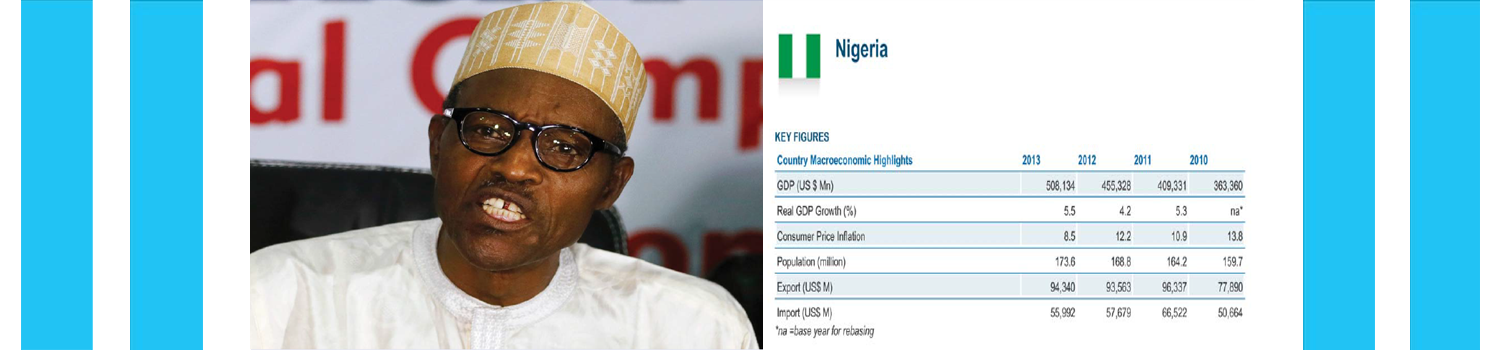
Finally, we want to commend President Muhammadu Buhari for lending a helping hand to the states to enable them to settle outstanding salaries. We also encourage him to put pressure on state governors to re-assess their priorities and place public funds at the disposal of the people.

For now, we welcome the bailout and hope that the nation will not be compelled to grant another bailout in the foreseeable future.


spot_img
spot_img
spot_img

Hot this week

Fidelity Bank Enhances Maternal and Child Healthcare Delivery at ESUTH

L-R: Public Relations Officer, Enugu State University Teaching Hospital...

Polaris Bank Champions Girls’ Hygiene Awareness with Female Hygiene Essentials in Schools

Polaris Bank has continued its commitment to empowering the...

Sterling Bank Champions Collective Action to Accelerate Nigeria’s Renewable Energy Transition

L-R: Mr. Ayo Ademilua, President, Renewable Energy Association of...

BUA Foods Hosts Minister of State for Industry, NSDC on Tour of LASUCO Sugar Company  

  BUA Foods Plc recently hosted the Hon. Minister of State for Industry,...

PenCom Unveils PenCare Initiative for Retirees Across Nigeria

The National Pension Commission (PenCom) has established the PenCare...

Topics

The $450m Lekki-Epe International Airport: Everything You Need to Know!

By Dennis Isong Economic development is a vital component of...

9mobile Partners St. Saviours School for 2023 Lagos Kid’s Mini Marathon

L-R: Lead, Public Relations, 9mobile, Chineze Amanfo; Chairman Lagos...

What Does A Blogger Want From A Bank? The PR Perspective

Modern society has been hugely impacted by the advent of the internet. The internet has truly become an essential component of varied socio-economic activities. The use of internet has brought fundamental change to the way businesses are coordinated and managed. Public Relation as a professional discipline is one major field that has been revolutionalised by the internet.

NCC EVC, Aminu Maida, Urges Nokia to Invest in Nigeria’s ICT R&D

L-R: Finnish Deputy Minister for International Trade, Jarno Syrjala; Executive Vice...

The Impact of Low Oil Prices on sub-Saharan Africa

Growth picked up in sub-Saharan Africa in 2014, after moderating in 2013, but remained weaker than during the pre-crisis years. It softened around the turn of the year owing to headwinds from the plunge in the price of oil. Sub-Saharan Africa’s oil exporters, which account for nearly half of the region’s aggregate output, have been hit hard by the sharp decline in the price of oil. From June 2014 to January 2015, oil prices fell by nearly 50%, and have remained low despite the recent uptick.

Danbatta: Telecom Policies Enhancing Digital Access, Media, Knowledge

The Executive Vice Chairman of the Nigerian Communications Commission...
spot_img

Related Articles

Popular Categories

spot_imgspot_img