Qatar Airways has reported a net loss of 14.9 billion $4.1billion in 2020 financial year.
The major loss, which the airline reported on September 27, 2021, is a result of lockdowns and travel bans triggered by the COVID-19 pandemic, which greatly reduced demand for long-haul travel. The airline also attributed more than half of the loss (QAR 8.4 billion or $2.3 billion) to a one-time impairment charge related to the grounding of the airline’s Airbus A380 and A330 fleets.
Despite these difficulties, the state-owned airline also reported that it saw an improvement in EBITDA (Earnings Before Interest, Taxes, Depreciation, and Amortization) to QAR 5.9 billion ($1.6 billion), compared to QAR 4.9 billion ($1.4 billion) the previous year. This was achieved as the airline saved on jet fuel, reduced salaries by 15% and cut some 13,400 employees from its workforce.
A report by AeroTime News says the carrier’s cargo division also saw a 4.6% rise in freight tonnes handled over the previous fiscal year 2019/20, with 2,727,986 tonnes handled in 2020/21. This increase in freight handled, as well as a significant increase in cargo yield, also saw the carrier’s cargo revenues more than double, which will surely secure Doha International Airport a spot in the top ten busiest cargo airports.
To help the airline through the crisis, Qatar Airways Group Chief Executive Akbar Al Baker acknowledged that its shareholder, the Government of Qatar, bestowed on them a $3 Billion lifeline.
During the pandemic, Qatar Airways continued operating to key cities, including Amsterdam, Dallas-Fort Worth, London, Montréal, São Paulo, Singapore, Johannesburg, Sydney and Tokyo.
“Whilst our competitors grounded their aircraft and closed their routes, we adapted our entire commercial operation to respond to ever-evolving travel restrictions and never stopped flying, operating a network our passengers and customers could rely on,” Al Baker said.
“I am extremely proud of our people across the Qatar Airways Group who have remained agile and adapted quickly to this new reality, displaying the tenacity, versatility, and commitment to excellence so often associated with everything we do.”

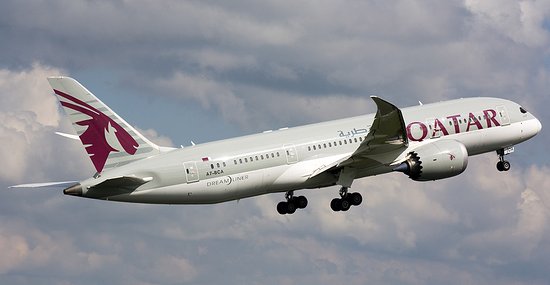
Qatar Airways Reports $4bn Loss in 2020 over COVID-19 Pandemic





Popular Categories


Previous article")

Next article