Thursday, February 5, 2026
26.3 C
Lagos
Home Blog Page 67

SMILE Communication Appoints Mann El Amine as New GMD

0

Smile Communication, a pan African Telecommunications group with firm foothold in Nigeria, has appointed a seasoned telecommunications technocrat Mann El Amine as its Group Managing Director. The telco also appointed Abhulime Ehiagwina, an astute financial expert as the Acting Chief Executive Officer for Nigeria, which is the hub of its continental operations. Mann El Amine brings to his new role more than 28 years of solid extensive experience in telecommunications and executive management.

He evolved from operational roles (technical and commercial) to general management, and experienced wide range of telecom fields such as mobile operations, international wholesale carriers and submarine cables systems coupled with an in-depth exposure to renewable energy and Data Centers activities.

A high-stake negotiator, El Amine’s other core competencies range from Mergers and Acquisitions to Visionary leadership and Organisational Restructuring.

Prior to joining Smile Communication, he was with ME Consulting in Dubai, UAE, where he provided consulting services to the telecommunications sector and offered renewable energy solutions to IT groups during organizational transitions.

In the cause of his rich and varied career that spanned the United Kingdom, Egypt, Congo DR, Syria and Lebanon, El Amine has held several senior management positions, starting as Engineering Manager at France Telecom Mobile Liban-Cellis in 1994 and rising to Senior Vice President for Data Centers at Damac Group in March 2017.

A Rennes I University, France 1991 Maîtrise graduate in Electronics and Automation, he also holds a DEA in Robotics from Paris VI University, France (1993). He has held the directorship of several technology focused companies.

The Smile Telecom Group also announced the appointment of Abhulime Ehiagwina, as the Acting CEO for Smile Nigeria. A multidisciplinary C-suite executive and thought leader, Ehiagwina brings to the role a wealth of experience leading finance teams across various industries, including telecommunications, infrastructure, oil and gas, and conglomerates.

He has a proven track record in strategic leadership, operational improvement, and corporate restructuring. He is adept at managing organisational renewal and enhancing overall corporate efficiency.

Ehiagwina’s career also includes roles such as Chief Financial Officer at NATCOM (NTEL), Chief Financial Officer and Board Member at Helios Towers Nigeria, was also a board director at Interswitch, Acting Chief Financial Officer at Etisalat Nigeria, and several senior finance positions at Celtel, Total PLC, and John Holt Plc. Numbered among his key achievements include implementing effective working capital management strategies for telecommunications companies including Leading the issuance of a successful $250 million Eurobond for Helios Towers Nigeria, the first nonbank /Oil & Gas Eurobond issuance in Nigeria.

A Fellow of the Institute of Chartered Accountants of Nigeria (FCA), he holds a BSc in Accounting from Obafemi Awolowo University and an MBA from the University of Lagos.

He has attended many executive education programmes including the Advanced Management & Leadership Programme at Said Business School of Oxford University in the United Kingdom.


Polaris Bank Partners NCF to Extend Tree Planting Initiative to Abuja, Anambra

0

Polaris Bank, in a robust display of its commitment to environmental sustainability, has expanded its nationwide tree-planting initiative in collaboration with the Nigerian Conservation Foundation (NCF).

The latest exercise took place at Government Secondary School, Gwagwalada, in the Federal Capital Territory (FCT) on October 14, 2024, following a similar event at Chukwuemeka Odumegwu Ojukwu University in Anambra State just days earlier and Professor K.K. Nwozor commended the Bank for its conservation efforts.

The initiative is part of a broader strategy by Polaris Bank to align its operations with the United Nations Decade on Ecosystem Restoration (2021–2030), which stresses the urgent need for land restoration and resilience against desertification and drought.

The theme resonates with the 2024 World Environment Day, underscoring the bank’s proactive stance in promoting sustainable practices aimed at restoring degraded lands and enhancing biodiversity across Nigeria.

Osazuwa Igbinoba, Directorate Head for Abuja, articulated the bank’s ethos, stating, “Sustainability is embedded in our business strategy and actions at Polaris Bank.” He noted that the tree-planting efforts not only aim to restore natural ecosystems but also focus on planting economic trees to ensure a sustainable environment for future generations.

Chiwetalu Nwatu, Directorate Head for the South East, echoed this sentiment by emphasizing that sustainability is at the heart of the Bank’s operations, encompassing more than just financial services. He noted that Polaris Bank’s approach integrates responsible banking with societal empowerment and environmental responsibility, all grounded in Environmental, Social, and Governance (ESG) principles.

The significance of tree planting as a countermeasure against climate change cannot be overstated. Thus, the initiative addresses critical issues such as soil erosion, air quality improvement, and climate regulation through carbon dioxide absorption.

The bank’s efforts are not isolated; they form part of a nationwide campaign that has seen similar initiatives executed at various educational institutions and community reserves across Nigeria.

The Bank’s nationwide Tree planting exercises were held recently at Tai Solarin University, Ijebu Ode in Ogun State on July 1st; Ajingi Community Reserve, Kunkurawa in Kano State on August 30th; and University of Ibadan, Oyo State on October 3rd.These events illustrate Polaris Bank’s commitment to sustainable development and environmental restoration.

This project not only enhances local ecosystems but also serves as a public call to action on the importance of environmental preservation. Through collaborative efforts like these, Polaris Bank seeks to inspire individuals, communities and organisations to engage in environmental restoration and contribute to a sustainable future for all.

Polaris Bank, in collaboration with the NCF, remains steadfast in its commitment to environmental stewardship, community well-being and corporate responsibility, as demonstrated through these impactful tree-planting activities.

Through this project, the Bank aims to inspire individuals, communities and organizations to foster a culture of sustainability throughout Nigeria.

NAICOM CEO: $1tn Economy Possible with Insurance Industry’s Soundness, Stability

0

The Commissioner for Insurance and Chief Executive of National Insurance Commission (NAICOM), Mr Olusegun Omosehin, says the insurance industry’s financial soundness and stability are essential for supporting businesses and contributing to the $1 trillion economy projected by the present administration for achievement by 2030.

Omosehin said this while giving a remark at the 9th Annual Conference of the Nigerian Association of Insurance and Pension Editors (NAIPE) on Tuesday in Lagos, with theme:  “Towards A $1 Trillion Economy: Roles of Insurance and Pension Sectors.”

Omosehin who was represented by Mr. Abba Halil Inuwa, Head of Corporate Affairs, NAICOM, noted that adequate capitalisation, commensurate with insurers’ risk profiles, is vital for the insurance industry’s growth and development.

The Commissioner stated that the desired and pragmatic support for a $1trillion economy could only be achieved by leveraging technology to enhance insurance accessibility, which, he said, has formed the fulcrum of another key area of focus.

He added that consolidated financial solutions and one-stop shops have become the norm, necessitating insurance industry’s adoption as a critical sector of the economy to remain relevant.

“As the insurance regulator, NAICOM is therefore committed to creating an enabling environment that will consistently enhance increased capacity of the insurance institutions, as well as ensuring that the insurance industry becomes stronger and more stable in delivering on its responsibilities,” he said.

Omosehin mentioned that the theme of conference resonates deeply with the insurance sector’s aspiration of contributing significantly to President Bola Ahmed Tinubu’s vision for a $1 trillion economy.

He said in recent times, the insurance sector has been at the forefront of discussions regarding its potential to unlock our economy’s growth.

The NAICOM boss stated that as a vital component of the financial sector, insurance plays a critical role in mobilizing savings, managing risk, ensuring financial stability, creating job opportunities, and driving long-term projects and infrastructure development.

According to him, to achieve these objectives, the commission has implemented various market developmental initiatives aimed at enhancing the insurance sector’s competitiveness and robustness.

He said: “In line with the insurance industry roadmap, we have identified five critical areas for immediate implementation.

“These encompass safeguarding policyholders’ interests; strengthening supervisory capabilities; improving industry safety and soundness; fostering innovation and sustainability; and enhancing insurance accessibility and penetration.

“With the current strategies in place, the Nigerian insurance market is poised for rapid and stable growth, characterised by significant improvements in operational statistics.

“A collaborative effort among sector stakeholders will facilitate seamless growth. Our collective focus must remain fixed on fulfilling obligations to policyholders.

Omosehin noted that prompt settlement of genuine claims is crucial to market growth, addressing the sector’s obvious and perceived challenges.

He acknowledged the essential role NAIPE is playing in shaping and maintaining a positive image for the insurance industry and the financial sector at large.

The Commissioner noted that the collective and individual efforts of NAIPE members are truly commendable and deserving of recognition.

“I extend my sincerest appreciation to NAIPE for promoting the insurance sector positively across various platforms; I am very optimistic that pension and insurance editors can work together to promote financial literacy and education.

“Clear, concise, and accurate reporting can empower the public to make informed decisions about retirement planning, insurance coverage, and investment.

“I need not overstate the expectations of constructive feedbacks and suggestions from this conference, that will galvanise our collective contributions to the policy reforms and growth of our economy.

“Let us explore opportunities in collaboration as we maximise our valuable and selfless service that can propel the sector and national economy forward,” he said.

In his address, Chairman of the occasion, a former Commissioner for Insurance, Mr. Fola Daniel, said the theme of the conference was not just timely but essential, as we navigate the challenges and opportunities ahead.

Daniel, also Former Managing Director/CEO of FBS Reinsurance Limited, stated that the conference was a pivotal moment in the insurance industry—one that calls for reflection, innovation, and collaboration.

He noted that over the past decade, NAIPE has grown from a nascent idea into a formidable platform that champions a vital role in the insurance and pension sectors.

According to him, the mission of NAIPE has always been clear: to enhance the quality of information disseminated to the public and to foster a deeper understanding of the complexities within our industries.

“Today, we are privileged to have with us a diverse array of speakers, thought leaders, and industry experts who will share their insights on the evolving landscape of insurance and pensions.

“Editors carry a significant responsibility. They are the gatekeepers of information, the storytellers of our industries.

“It is our duty to ensure that our narratives are not only accurate but also accessible to the public. In a world where misinformation can spread like wildfire, our role has never been more crucial.

“Let us use this conference not only to learn, but to forge stronger connections and partnerships that will benefit our industries and by extension, the people we serve, “he added.

The conference attracted stakeholders in pension and insurance sectors, as well as retirees and university students.

Moniepoint to Empower Women, PLWDs with Financial Literacy, Cyber Hygiene Initiative

0

In a move designed to enhance financial literacy and strengthen online business security for women entrepreneurs and People Living with Disabilities (PLWDs), Africa’s fastest growing financial institution according to the Financial Times, Moniepoint Inc in collaboration with ACIOE Associates and Tech4Dev recently hosted a two-day intensive workshop in Abuja.

With over 100 participants, the initiative which targeted small and micro-enterprise owners, aimed to address the growing need for financial education and digital security in an increasingly online business environment with these business owners gaining valuable insights into financial planning, budgeting, cybersecurity, and safe online payment practices through a series of practical sessions and interactive activities.

The workshop also placed special emphasis on advancing gender inclusion, highlighting the need for financial literacy and cyber hygiene as tools to empower vulnerable groups, particularly women.

According to organisers, the initiative is crucial in addressing the low levels of financial literacy that persist in many parts of the world, especially Nigeria, which can hinder economic growth and financial inclusion.

Studies have shown that financial literacy is linked to improved access to basic financial services, formal savings, and overall economic development. The workshop’s organisers also maintained that improving women’s financial literacy will enable them to make informed decisions, access financial services, and build wealth, ultimately contributing to gender equality and economic empowerment.

“Businesses are vital cogs in the wheels of economic growth, development and job creation. Financial literacy is key to achieving social and economic inclusion, particularly for women seeing that when women understand financial concepts, they are better equipped to manage their finances, access financial services, and build wealth. This in turn gives them the impetus to pursue their entrepreneurial aspirations and contribute more significantly to the economy,” said Tosin Eniolorunda, Group CEO, Moniepoint Inc.

He added that ”against the backdrop of our recently launched Informal Economy Report, there is a need to provide a platform for ensuring that many businesses can survive and thrive beyond the five-year mark considering that eighty percent of businesses especially those in the informal sector have been operating for less than five years. Also, the link between financial literacy and financial inclusion has become an international policy concern, this is our own way of contributing to the conversation, powering the dreams of this vulnerable group and doing what needs to be done to support Nigeria’s socio-economic aspirations.”

Innocent Isichei, Managing Partner, ACIOE Associates, an advisory services firm providing a rich suite of solutions across various sectors noted that “businesswomen and PWLDs are especially vulnerable to online threats. By building a secure digital ‘fortress,’ women can confidently navigate the online environment, safeguard their businesses, and leverage technology for growth. Beyond online safety, achieving economic empowerment for women requires addressing significant financial literacy and access challenges.”

Furthermore, he said that “these challenges include limited financial knowledge, restricted access to credit, societal barriers, and gender-based discrimination within the financial sector. ACIOE Associates recognises these critical needs and that’s why we have partnered with Moniepoint and Tech4Dev to offer this comprehensive two-day workshop.”

Via a series of practical sessions, participants learned essential skills in budgeting, saving, and investment strategies tailored to small business needs. The program also covered vital cyber hygiene practices to protect businesses from data breaches, phishing scams, and malware attacks while learning how to leverage technology for business expansion while maintaining a secure online presence.

The participants lauded the organisers for their demonstrated commitment to supporting the economic empowerment of women and PLWDs, by equipping them with the skills needed to succeed in an increasingly digital and complex economy.

Humanitarian Crises: Why Nigeria Needs Collective Response – UN Rep, Fall

0

Mohamed M. M. Fall

UN Resident and Humanitarian Co-ordinator in Nigeria

Mohamed Malick Fall is the United Nations Resident and Humanitarian Coordinator in Nigeria. In this exclusive interview, he speaks on the need for a collective response to humanitarian crises in Nigeria, obstacles to humanitarian interventions, and the work of the United Nations, among others. UN OCHA Nigeria’s Head of Public Information, Ann Weru, and Public Information Officer, Dr. Chike Walter Duru, were there.

Excerpts:

Types of Humanitarian Issues in Nigeria

Different types of crises exist in Nigeria; some are linked to conflict and insecurity; there are those that are triggered by insurgency in the north-east, some are linked to intercommunal violence, herders/farmers clashes, abductions, kidnapping, banditry, prevalent in many parts of the country.

In addition, Nigeria has a certain level of climate vulnerability. Sometimes, drought; sometimes, floods; sometimes heat wave, that impact the wellbeing of people and sometimes trigger the movement of people, loss of property or loss of livelihood and they exacerbate the hardship that the people are facing.

How the UN is Responding to the Challenges

The UN has a two-fold response. One is the humanitarian response, which, to me, is guided by the principle of saving lives and reducing vulnerabilities; helping people, not only to get back on their feet, but also to have hope that they can have a better future.

The second component is the one that tackles the root causes of these crises. Most of those root causes are linked to deficits of development, lack of basic services, lack of livelihoods, lack of skills for young people and lack of access to employment. Those require much deeper action, which is building, not only on UN humanitarian intervention, but also on development-related activities, which will be looking at short, mid and long-term projects for the development of those people.

Obstacles to Humanitarian Interventions in Nigeria

We have several of them.

The biggest one is access, and sometimes, access is hampered by insecurity. There are many parts of the country without free and safe access because of the high level of insecurity that is still prevailing. This is valid for the north-east, where, despite all the efforts to push against the insurgency, you still see attacks like the recent ones in Konduga and Gwoza, which are sad reminders that it is not yet over. You have also insecurity prevailing in many other parts of the country.

Sometimes, Access to the People in Need is also Difficult

Funding gaps are also an issue, because, as you know, the world is overstretched by humanitarian challenges. For instance, we have gone past half of the year, but this year’s Nigerian Humanitarian Response Plan is funded below 50 per cent. We launched in May 2024, a Lean Season Plan, which targeted to address the most urgent needs of people affected by food insecurity and malnutrition, but we are in the peak of the lean season, and we have not even reached 30 per cent of the funding we need. If you look at humanitarian funding year by year, you will see that it is declining. The level of response from the donor community is getting lower because of the competing developments across the world. The wars in Gaza, Sudan, and other regions have completely changed the funding landscape for humanitarian response.

The Challenge of Funding

There is a cost of doing nothing. People always look at things from the point of the cost of doing something. Let me take one example. In the Lean Season Plan, we are looking at addressing severe food insecurity and malnutrition. Today, look at the number of children that are malnourished. The survival of hundreds of thousands of severely acutely malnourished children and those at risk depends on urgent interventions.

In the Lean Season Plan, there is a projection of 230,000 children at risk of severe acute malnutrition during the lean season in Borno, Adamawa and Yobe states, alone. Their survival depends on the steps taken against the challenge.

The cost of inaction is that life is on the line. Children that survive acute malnutrition, from the fragile health conditions they have, may also face growth and development challenges throughout their lives. The cost of inaction is very expensive.

Way Forward

I see several solutions around these challenges.

For funding, more innovative funding solutions are required. We must no longer rely on western countries as traditional donors.

A country like Nigeria is not poor. It is among the three biggest economies in Africa. It is increasingly urgent for the Government to allocate its own resources to the humanitarian response.

We also need to be more creative and see how we can make our humanitarian operations more efficient and more effective. There are many directions that need to be explored.

International Laws

Wherever you see conflict and war, it means that there are parties that do not believe in dialogue and in peaceful settlement of disputes.

For instance, the insurgents believe in extreme violence and terrorist actions. This is not peculiar to Nigeria. In the world, there are many wars taking place. Ukraine, Sudan, Gaza, and these are coming on top of previous crises. You have Somalia and Syria. The notion that any difference should be settled through arms and through guns amounts to pushing back on the principles of international laws. Many of the parties to conflict do not respect nor respond to the call of international humanitarian law.

How the UN is Supporting Displaced People and the Most Vulnerable

Whenever you see a crisis, those that pay the highest prices are the most vulnerable – the women, children, older persons, people living with disabilities, and that is why we prioritise them in our interventions. There are provisions in our interventions that prioritise the protection of children. There are also provisions that specially protect women from grave violations of their rights and from sexual violence. The rights of people living with disabilities are also protected.

For me, the humanitarian space is one of the few spaces where humanity has its expression. It is a place where you see actors daily, risking their lives to go and save lives, reduce vulnerability, protect and help people get back on their feet. It is also a space where you see host communities that are lacking in everything sharing the little, they have with people who are suffering or displaced. It is a place where you see Government and non-state actors getting together, to reduce vulnerability and save the lives of people. The work of humanitarians saving lives etc. has just one name – humanity prevailing.

Message for Stakeholders

What we need to reduce the humanitarian needs in the world is for the people to go back to the principle of humanity.

If we act on preventing conflict, stopping conflicts, we will take away a huge number of people in humanitarian need.

At the same time, humanitarian needs are not only triggered by conflict; unfortunately, the way we treat our planet; the way we treat our ecosystems, the way we respond to the climate crisis that we are facing are also important issues.

We also have increased poverty and deeper inequalities. All of these are among the factors that trigger human suffering.

We need to address conflict, increased poverty, the climate crisis, and inequalities. If world leaders continue to push to address these issues and more, we will see a better world.

Members of the public should support humanitarian action. They should understand that it is not about humanitarian organisations and workers alone. It is about the entire society. The call here is the expression of humanity. It is a call to every human being. It takes mobilization, commitment, awareness for every one of us to be part of that humanity.


FG Lauds Savannah Energy for Investment Drive in Nigeria

0

L-R: Managing Director, Savannah, Nigeria, Pade Durotoye; Honourable Minister of State, Petroleum Resources (Gas), Rt. Hon. Ekperikpe Ekpo; Head of Stakeholder Relations and Regional Manager, South East, Savannah, Nigeria, Nkoyo Etuk, and Operations Superintendent, Savannah, Nigeria, Chukwudoziem Umunna, during the visit of the Honourable Minister of State, Petroleum Resources (Gas) to Savannah’s gas processing facility in Uquo, Akwa Ibom State.

The Federal Government has praised Savannah Energy, the British independent energy company focused around the delivery of Projects that Matter, for its substantial investment in Nigeria’s energy sector to date, saying that it appreciates what the company is doing, and encourages Savannah to sustain it.

The Honourable Minister of State, Petroleum Resources (Gas), Rt. Hon. Ekperikpe Ekpo, made the commendation during a recent visit to the Uquo gas Central Processing Facility in Akwa Ibom State, which is owned by Accugas Limited, a subsidiary of Savannah. He said that Savannah’s substantial investment to date has helped in boosting domestic gas supply in the country, where Savannah now supplies gas enabling approximately 20% of Nigeria’s thermal power generation capacity.

Commenting on the importance of gas to the Nigerian economy, the Honourable Minister stated that His Excellency, President Bola Tinubu is intent on developing the gas sector to drive the Nigerian economy. He said: “The President is very intentional and strategic about developing the gas sector to drive the economy of this nation. We know that if the economy of Nigeria is driven by gas, it will make things easier and that is the target of the ‘Decade of Gas’ initiative. Our target is to make sure that by 2030, the Nigerian economy will be driven by gas.”

The Managing Director of Savannah Energy, Nigeria, Pade Durotoye, who accompanied the Honourable Minister on the Uquo visit, explained that the company, through Accugas Limited, has invested over US$1.6 billion in gas processing and transportation infrastructure to support the domestic market since 2014. Durotoye said: “Accugas is also investing an additional US$45 million in a new compression system at the Uquo facility that will allow the company to continue to provide reliable gas supplies to customers for years to come. The system comprises two parallel trains with a capacity of 160 MMscfpd each and is designed to increase the gas export pressure. The project is expected to be completed and operational later this year.”

Durotoye added that Savannah strongly supports the Federal Government’s adoption of natural gas as a transition fuel in Nigeria’s net-zero pathway, particularly for power generation, adding that this is why Accugas has invested in building a nameplate 200 MMscfpd gas processing facility, supported by a ~260km gas pipeline network solely for the domestic market.

Durotoye stated that all the company’s gas is consumed domestically, with 80% being sold to thermal power generation companies, and the remainder to a range of large industrial customers, such as cement producers, where, for example, Accugas enables about 10% of the country’s cement production.


Empowering Futures: Opekete Foundation’s Commitment to Girls’ Education in Nigeria

0

By Mrs. Omolara Euler-Ajayi

Globally, education is widely recognised as a basic human right and a critical driver of poverty reduction and economic progress.

However, in Africa, many countries face significant challenges in delivering the educational attainment and skills necessary for economic advancement.

In Nigeria, systemic issues such as limited investment, inadequate infrastructure, and entrenched cultural norms continue to impede access to education.

As a result, millions of children and young people, particularly girls, are excluded from quality education. This exclusion not only stifles individual potential but also undermines the country’s ability to fully leverage its human capital, hindering prospects for sustainable growth and development.

Addressing the educational exclusion of girls is an urgent priority, given the profound socio-economic benefits it can bring. The Opekete Foundation, (an independent non-profit organisation registered in Nigeria), is dedicated to empowering women and girls through education.

As it launches its 2024 FBM Scholarship for Women, the Foundation underscores the ongoing challenges facing girl child education in Nigeria, particularly the issues of limited funding and significant barriers to educational attainment in fields like nursing, teaching, and science, technology, engineering, and mathematics (STEM).

Challenges & Imperatives of Financing Girl Child Education

The African Union’s “Continental Education Strategy for Africa (CESA) 2016-2025” mid-term review reveals that, while some progress has been made, financing education remains a critical challenge.

Across the continent, including in Nigeria, where education funding hovers around 8% of the national budget, many countries fall short of the recommended 20% benchmark.

This chronic underfunding manifests in overcrowded classrooms, inadequate infrastructure, insufficient teaching materials, and a shortage of trained educators—perpetuating a cycle of low educational access and attainment, poverty and inequality.

In Nigeria, 18.5 million children are out of school, with 60% being female, according to UNICEF. Girls are particularly disadvantaged by economic constraints and cultural norms that often prioritise boys’ education.

However, investing in girl child education is not just a moral imperative; it is an economic necessity. Educated women are more likely to enter the workforce, earn higher incomes, and contribute to the economic and social development of their communities.

The World Bank notes that each additional year of schooling can increase a girl’s future earnings by up to 20%. Moreover, educated women are more likely to prioritise their children’s education, creating a positive cycle that benefits future generations.

Beyond Funding: Complex Challenges of Girl Child Education

In addition to funding challenges, poverty, cultural norms, and stereotypes play a significant role in excluding girls from education in Nigeria.

Gender-based violence, domestic responsibilities, early marriage, and insufficient sanitary facilities at school are just some of the barriers girls face. In sub-Saharan Africa, for example, 1 in 10 girls misses school during their menstrual period due to inadequate access to sanitary products.

Societal expectations often discourage girls from pursuing careers in STEM fields, where women remain grossly underrepresented, with only 18% of STEM scholars in sub-Saharan Africa being women—significantly lower than the global average of about 35%.

Economic hardship often forces families to prioritise boys’ education, viewing it as a more immediate return on investment. This financial strain causes many girls to drop out of school early, either to contribute to household income or because their families cannot afford school fees and associated costs, such as uniforms and textbooks.

These challenges not only hinder school attendance and educational progress but also deepen gender disparities in education.

The FBM Scholarship for Women

Founded in 2015 by the late Mrs. Florence Bamidele Makanjuola, a pioneering teacher and nurse, the Opekete Foundation envisions a world where education and empowerment unlock limitless opportunities for all.

Believing in the power of education to alleviate poverty, its mission is to provide children, youth, and women with sustainable access to quality education, empowering them to lead independent, economically productive lives.

Aware of the poor access to quality education in government schools and the continued marginalisation of women, the Foundation’s strategic objectives focus on educating, empowering, and advocating for the education of girls and the empowerment of women in disadvantaged communities.

The Foundation also recognises the critical role of trained teachers and healthcare workers, particularly nurses, in meeting Nigeria’s development objectives.

To this end, it enhances teacher quality through development programs, with an emphasis on literacy and numeracy at the primary school level, and promotes STEM and financial literacy skills at both primary and secondary levels.

Through interventions such as its flagship FBM Scholarship for Women and the Biennial Roundtable on Girl Child Education, the Opekete Foundation seeks to address educational and economic disparities by providing financial support to high-achieving indigent girls.

This support, focused on nursing, teaching, and STEM, offers crucial financial relief to families and removes significant barriers to girls’ education.

With the launch of the 2024/25 Scholarship cycle, the Foundation reaffirms its long-term commitment to empowering young women to pursue careers in fields where essential skills for societal development are lacking and where significant gender gaps exist.

The Opekete Foundation’s ongoing efforts represent a powerful step toward a more equitable future, where girls are empowered to realise their full potential through quality education and contribute meaningfully to society.

A Collective Call to Support Girls’ Education

To ensure that every girl in Nigeria has access to quality education and the opportunity to reach her full potential, it is imperative that all sectors—government, private enterprise, and civil society—join forces in a coordinated and robust effort.

Increased investment is urgently needed, not just in financial terms but also in the form of comprehensive policies and initiatives that address the root causes of educational inequality.

This requires not only increasing funding for education but also implementing policies that actively promote gender equality and dismantle the socio-cultural barriers that prevent girls from reaching their full potential.

The initiatives led by the Opekete Foundation and similar organisations highlight these critical issues, driving meaningful change in the quest for a more inclusive and equitable society.

However, to maximise the impact of these efforts, it is essential to broaden and deepen collaboration among all stakeholders. By fostering partnerships across public and private sectors, we can more effectively address the core challenges that continue to hinder girls’ education in Nigeria.

On this International Day of the Girl Child, Opekete Foundation calls upon governments, the private sector, and civil society to come together in a unified effort to support girls’ education.

This collective action is not just a moral imperative—it is a strategic investment in the future of our country and our world.

By empowering every girl with the education she deserves, we pave the way for a brighter, more equitable future for all.

 * Euler-Ajayi, Chairman, Opekete Foundation, writes from Lagos.


NGX Admits Aradel Holdings to Main Board, Boosts Market Capitalisation by N3.05tn

0

Aradel Holdings Plc, an integrated energy company, listed 4.34 billion shares on Nigerian Exchange Limited (NGX) Main Board on Monday, 14 October 2024.

The shares, listed at N702.69 per share through a “Listing by Introduction,” boosted the market capitalisation of NGX by N3.05 trillion, marking a significant milestone in the oil and gas sector’s participation in the stock market.

Aradel Holdings Plc, a major player in Nigeria’s oil and gas industry, operates across the entire oil and gas value chain, with business interests in the exploration, production, and refining of petroleum products. The listing offers investors the opportunity to engage with one of Nigeria’s most diversified energy companies, positioning it as a key entity on the Exchange.

In conjunction with the listing, was a Facts Behind the Listing event, during which senior executives presented the company’s growth strategy and financial performance to investors and stakeholders. Alhaji (Dr.) Umaru Kwairanga, Chairman of Nigerian Exchange Group, highlighted the importance of the listing, saying, “This achievement is not just a win for Aradel, but also a clear indication to both local and global investors that Nigeria’s capital market remains vibrant, resilient, and full of opportunities. We are honored to facilitate capital raising for companies like Aradel that play a critical role in Nigeria’s economic progress.”

Temi Popoola, Group Managing Director and CEO of NGX Group, emphasised the broader significance of the listing.

“The benefits of an equity market listing for the upstream sub-sector of the oil and gas industry is especially crucial in light of its dire capital requirements and chronic underinvestment. Aradel has come to the market at a critical time as this and we are confident that our infrastructure here at NGX, both market and technology, can unlock the capital flows needed to ensure the sector thrives.”

Jude Chiemeka, CEO of NGX, echoed similar sentiments, stressing the role of NGX in supporting corporate growth and innovation. “Aradel’s listing highlights NGX’s ability to support leading companies in their growth journey. This is not just a milestone for Aradel, but a key moment for the energy sector, demonstrating how the capital market can fuel efficiency and development in critical industries.”

Speaking at the event, Mr. Ladi Jadesimi, Chairman of Aradel Holdings Plc, highlighted the company’s focus on innovation and sustainability, noting that Aradel is poised to expand its footprint in the renewables space while maintaining its leadership in the oil and gas sector.

“The listing of Aradel Holdings on NGX represents a pivotal moment for us,” Jadesimi said. “We are committed to driving sustainable growth in Nigeria’s energy industry, particularly in the renewables space, while continuing to excel in petroleum product exploration and refining. This listing provides us with the platform to unlock further value for our shareholders.”

Commenting on the listing, the Managing Director/Chief Executive Officer of Aradel, Mr. Adegbite Falade, said: “This will mark a historic milestone for Aradel as we list on the NGX, underscoring our commitment to creating long-term value for our shareholders and deepening our contributions to Nigeria’s economic landscape. This listing is a testament to our resilience, adaptability, and our unwavering dedication to providing sustainable energy solutions that drive growth across our communities and industries. As we embark on this new chapter in Aradel’s transformation journey, we remain focused on operational excellence, strategic expansion, and delivering returns that reflect our track record and vision for an energised future.”

Aradel Holdings Plc’s successful listing on NGX positions it to leverage the capital market for future growth, allowing the company to expand its operations and cement its role as a dominant player in both traditional and renewable energy sectors.

Access Bank, SaltinGStein Unveil Winbundle Airtime2Win Initiative

0

L – R: Simi Daphne Adeoye VP Business Development and Expansion, Saltingstein; Chinny Nwokedi Chief Marketing Officer, Saltingstein; Njideka Esomeju, Group Head, Consumer Banking, Access Bank; Stella Oshorinde, Chief commercial officer, Saltingstein; Oluremi Gabriel, Group, Head, Digital Channels, Access Bank; and Francis Ogbasu Project Lead, Saltingstein, at the Access Bank and Saltingstein media roundtable to launch WingBig with Airtime2Win on *901# in Lagos recently.

Access Bank, a leading institution in the Nigerian financial sector, has partnered with SaltinGTein to unveil Winbundle Airtime2Win on its digital platform to provide customers a chance to turn airtime purchase into a potential life-changing event.

Winbundle Airtime2Win enables customers to purchase airtime via *901# and receive 70 percent airtime value and 30 percent raffle tickets into the consumer draw, with chances to win up to N100million weekly.

Senior Retail Advisor, Retail Banking, Access Bank, Robert Giles, while speaking on the service between Access Bank and SaltinGStein Limited, expressed the bank’s commitment to rewarding its customers. He said the bank’s 901 USSD services have been something that has helped the bank and the industry by generally improving access to finance.

“Our 901 USSD platform allows customers to open bank accounts. So you don’t need to go to a branch anymore to open a bank account. You can open it from the comfort of your home. And that has enabled a much younger generation, and particularly female generation, to open bank accounts wherever they are in the country.

“It evolved further to bill payments, so you can, of course, top-up that phone that’s so important to you. You can buy data, and also you can pay for your DSTV and other services. And as we’ve as we’ve

“We have evolved in all of our banking services, we have seen that, particularly with a new and younger generation, people want to be engaged more. Simply having a phone and doing transactions is not enough. And if we look at today’s world, when we compare ourselves in the banking industry, we have to compare ourselves to big tech customers who are familiar with using social media”.

Giles added that the feedback from the bank’s customers is the reason the is poise to give them what they want.

What we are announcing today is as a result of feedback from our customers and it is yet another service on 901 that will help customers to do their transactions but also participate in a draw and have the chance to win life changing cash.

He added that the bank is pleased to be on the same page with WinBundle with the sole objective of switching utilities and Airtime payments for its customers with WinBundle’s Airtime2Win.

Oluremi Tinuola Gabriel, Group Head, Digital Channel, Access Bank, said, “The bank is in this partnership with WinBundle because customers want more and what the bank is doing is in response to what the customers want. They stand the chance of winning upto N100M every week”.

Stella Oshorinde, Chief Commercial Officer, WinBundle By SaltinGStein Limited, said, “If you dial *901# and select airtime on the menu, you will see items 3 and 4 for “Airtime plus raffle ticket to win up to N100M” for self and others, respectively. This is the future, and the future lies in the gamification of everyday utilities. This is what WinBundle by SaltinGStein represents—providing an opportunity for everyday spending to change lives”

“So basically, when you get that product, what you are doing is putting yourself into a national consumer draw, which happens every Friday, and in that draw, you stand a chance to win up to N100 Million. So- what we have done with the WinBundle By SaltinGStein Limited is to enable Nigerians to gamify their everyday expenses or expenditure, as we call it universal gamification of sales and expenditure (UGeX)”.

“So not only are you fulfilling your utility needs, of buying airtime, or data top-up, you’re also allowing yourself to win life-changing cash.

NLNG Unveils New Logo in Rebranding Move

0

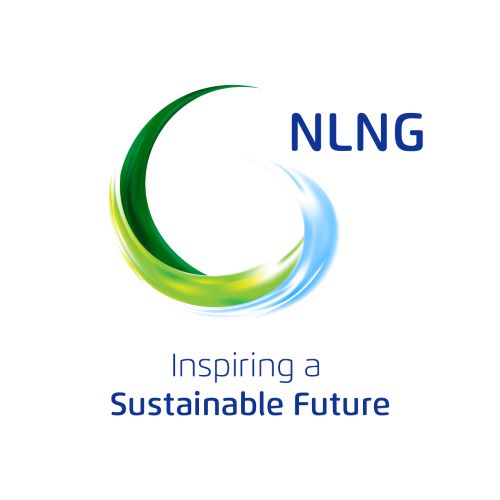
Nigeria LNG Limited (NLNG) has unveiled a new logo and trade name as part of a strategic rebranding initiative aimed at aligning the company’s vision with evolving global energy demands.

The announcement was made during the company’s annual Grand Award Night in Lagos.

Dr. Philip Mshelbila, NLNG’s Managing Director and Chief Executive Officer, introduced the new trade name—NLNG, without an expansion of the letters—and an identity and purpose statement, “Providing Energy to Improve Lives Sustainably,” alongside the refreshed tagline, “Inspiring a Sustainable Future.”

In his speech, Dr. Mshelbila highlighted the significance of this transformation, positioning it as a pivotal moment in the company’s journey. “We are not just celebrating past achievements and our history thus far, but also unveiling a new chapter in our journey—one that is poised to redefine our future and our impact on the world,” he remarked.

NLNG’s new logo, representing a dynamic and future-focused identity, embodies the company’s commitment to leading with purpose while embracing sustainability. Dr. Mshelbila emphasised that the rebranding reflects NLNG’s focus on being more than just an energy provider.

“Our new logo symbolises a fresh perspective and our unwavering commitment to leading with purpose. It represents the dynamic spirit of our company, rooted in a legacy of excellence while embracing the future with optimism and courage. The essence of our rebranding lies in our dedication to inspiring and pioneering a sustainable future, aligning with global goals and the evolving needs of our stakeholders.”

“Our purpose statement, ‘Providing Energy to Improve Lives Sustainably,’ underscores our commitment to creating a lasting impact. As we navigate the complexities of the global energy landscape, we remain steadfast in our mission to deliver not just energy, but solutions that enhance lives and foster a better world. This means advancing sustainable practices, investing in innovative technologies, and working collaboratively to address the challenges of tomorrow.”

“It is about transforming energy into a catalyst for positive change and progress that improves lives in a sustainable manner,” he said.

He also acknowledged the broader challenges and responsibilities facing the energy sector today, noting that sustainability and innovation are no longer optional but essential to shaping the future.

“The future holds immense promise and responsibility,” he added, calling for collective action to tackle tomorrow’s challenges while advancing sustainable practices and investing in innovative technologies.

Dr. Mshelbila also stressed that the company has reaffirmed its dedication to creating lasting impacts and inspiring progress that aligns with global sustainability goals. He encouraged stakeholders to join the company in shaping a future where energy drives progress and builds a better world for generations to come.

At the Grand Award Night, the company also celebrated 35 years of incorporation, 25 years of operations, and 20 years of The Nigeria Prize for Science and The Nigeria Prize for Literature.


Olubunmi Familoni Wins 2024 edition Nigeria Prize for Literature

0

2024 Winner of The Nigeria Prize for Literature, Familoni Olubunmi (R) receives his plaque from Olakunle Osobu, Deputy MD, NLNG, at the Grand Award Night. With them are (L-R):  Prof Ahmed Yerima (Board member), Dr Philip Mshelbila, NLNG MD, Prof Akachi Adimora-Ezeigbo (Chairman) and Prof Olu Obafemi, (Board member) of the Literature Prize Advisory Board.

The Nigeria Prize for Literature, Africa’s most prestigiuos literary award, sponsored by NLNG, on Friday announced The Road Does Not End by Olubunmi Familoni as the winner of the 2024 edition of the prize, focused on children’s literature.

Familoni was awarded the $100,000 prize for his winning entry following an announcement by the Advisory Board at the 2024 Grand Award Night in Lagos.

According to the Chairman of the Advisory Board, Professor Akachi Adimora-Ezeigbo, the winning entry was selected after a rigorous evaluation process from three outstanding finalists. Familoni’s work stood out among the finalists for its compelling narrative and cultural impact, according to Professor Adimora-Ezeigbo.

She praised NLNG for its unwavering support of Nigerian literature, stating, “NLNG has not only maintained The Nigeria Prize for Literature but has also consistently promoted literary writing, criticism, and reading nationwide. Their sponsorship of both the Literature and Literary Criticism prizes is vital in providing Nigerian writers with platforms to display their talents.”

She explained that the judging panel carefully reviewed all entries based on established criteria, adding that from an initial longlist of 11 entries, the judges narrowed down to three finalists: A Father’s Pride by Ndidi Chiazor-Enenmor, The Road Does Not End by Olubunmi Familoni, and Wish Maker by Uchechukwu Peter Umezurike.

Professor Adimora-Ezeigbo remarked that the book was a powerful portrayal of the daily struggles and resilience of vulnerable youths in Nigeria.

“The winning novel tells the compelling story of street life in Lagos, focusing on children who must fend for themselves. Familoni’s gripping narrative highlights their daily struggles and resilience, bringing attention to the societal issues faced by vulnerable youths in Nigeria. The author brings to light the harsh realities of life for many young people, highlighting critical societal issues that often go unnoticed. Through the story, readers are drawn into the characters’ perseverance and hope, despite the challenges they face. After evaluating the three finalists, the judges concluded that The Road Does Not End stood out for its thematic depth, lyrical quality, and social relevance. The novel’s ability to engage both children and adults with its powerful narrative and strong moral message made it deserving of the prize,” she added.

The Advisory Board also announced that there was no winner for The Nigeria Prize for Literary Criticism.

Also at the event, the 2024 Nigeria Prize for Science winners, Eni Oko, Olajide Otitoju, and Meihong Wang, were presented with their prize by NLNG. The scientists won the prize for their pioneering work on “Process Intensification Technology for Greenhouse Emission Control in Power Generation and Industry for Sustainable Fuel Production (PIC-FUEL).”

Earlier at the event, Dr. Philip Mshelbila, NLNG’s Managing Director and Chief Executive Officer, noted that this year’s Grand Award Night was special as the company celebrated 20 years of The NLNG Prizes—the Nigeria Prize for Science and the Nigeria Prize for Literature—35 years of incorporation, and 25 years of exceptional operations.

“The Prize for Literature is focused on the children’s literature genre this year. The authors have written stories that symbolise children as the future, while stirring our thoughts on the rights and well-being of children. Welldone to the three shortlisted authors: Olubunmi Familoni, Ndidi Chiazor-Enenmor, and Uchechukwu Peter Umezurike,” he remarked.

The Nigeria Prizes celebrate individuals who push the boundaries of thought, inspire new ideas, and address some of the most critical challenges of our time, ensuring that their contributions have a lasting impact both within Nigeria and beyond.

#CustomerServiceWeek2024: Unity Bank CEO Reaffirms Commitment to Going Above and Beyond

0

A cross section of Unity Bank team celebrating the #CustomerServiceWeek2024

The Managing Director/CEO of Unity Bank Plc, Mrs. Tomi Somefun has commended the lender’s frontline staff for effectively translating its Customer Service Charter thereby forging a culture of responsiveness and exceptional partnership to demonstrate unwavering commitment to customers.

In a message commemorating this year’s Customer Service Week, Mrs. Somefun celebrated with staff in customer service roles and expressed deep appreciation to the bank’s clients for their continued trust and loyalty, which have propelled the bank’s growth and success.

“This year’s theme “Above and Beyond” supports our mission at Unity Bank which enables us to reflect on our collective journey so far where our customers are at the centre of our business,” she said.

Somefun further stated that the Bank is continually investing in innovation as well as revamping existing systems, noting that new tools and strategies would be rolled out in the coming months to further enrich customer experiences. “Whether it’s through improved digital platforms or personalised services, we are committed to enhancing the way you bank with us,” she added.

While acknowledging the essential role frontline staff play in creating lasting relationships with customers, Somefun said that through dedication, resilience, and professionalism, Unity Bank Customer Service has demonstrated that it embodies the “Above and Beyond” theme of this year’s celebration.

“Day after day, our staff go beyond the call of duty, ensuring that every customer interaction is handled with care and excellence. They are the reason our customers continue to choose Unity Bank.”

Also speaking, the Bank’s Chief Customer Service Officer, Elfrida Igebu said that, “throughout the week, we have seen firsthand what it means to go the extra mile. Our commitment to exceeding expectations, personalizing experiences, and showing genuine empathy has set us apart and created lasting connections with our customers.”

She noted that the different activities lined up to celebrate the customer service week “have strengthened the team’s professional capabilities and reinforced the bonds that make us a united team.”

From October 7 – 11, the Bank lined up several activities to celebrate customers and the exceptional teams in its over 200 branches nationwide, rewarding outstanding staff members, while reflecting on the theme of this year’s event – Above and Beyond.

The Bank has continued to prioritise the customer over the past few years through its increased focus on digital strategy.

For instance, over the past four years, it has maintained its commitment to customer service excellence by introducing innovative digital products such as the multilingual USSD banking *7799#, and mobile banking solution, UniFi which have boosted customers’ access to the Bank’s services, while facilitating convenience.

These electronic banking channels are constantly updated with new and exciting features to put the customers first and make their banking experiences top-notch in the industry.


Transcorp Power Reports Strong Q3 2024 Performance: 153% Revenue Growth, 198% Increase in Profit

0

Transcorp Power Plc, one of the power subsidiaries of Transcorp Group, has announced its financial results for the third quarter of the year ending September 30, 2024, demonstrating remarkable growth across the business.

In its Q3 2024 unaudited results filed with the Nigerian Exchange (NGX), Transcorp Power reported revenue of N223.6 billion, representing a significant 153% growth year-on-year, over N88.4 billion in Q3 2023, Highlighting operational efficiency, profit before tax for the period surged by 198%, recording N81.1 billion, compared to N27.3 billion in September 2023.

Key Financial Highlights:

  • Revenue Growth: Achieved N223.6 billion in Q3 2024, a 153% increase from N88.4 billion in Q3 2023.
  • Net Finance Cost: Reduced by 95% to N538.3 million, down from N10.4 billion in Q3 2023.
  • Profit Before Tax: Rose by 198% to N81.1 billion, compared to N27.3 billion in the previous year.
  • Profit After Tax: Achieved a 186% increase, rising to N58.5 billion from N20.4 billion in Q3 2023.
  • Total Assets: Increased by 62% to N362.5 billion as of September 30, 2024, from N223.4 billion in FY 2023.
  • Shareholders’ Funds: Grew by 82% to N105 billion as of September 30, 2024, up from N57.9 billion FY 2023.
  • Operating Ratios: 36.3% net profit margin, 56% return on equity, and 16% return on assets

Commenting on the results, the Chief Financial Officer, Transcorp Power, Evans Okpogoro, expressed strong confidence in the company’s financial trajectory, stating:

“We are proud to announce significant growth across all our metrics. Our commitment to disciplined cost management and operational efficiency has not only enabled us to sustain robust margins but has also positioned us to outperform industry averages in key areas. This achievement reflects our strategic focus and dedication to excellence, and positioning as a leader in Nigeria’s power sector.”

In response to the results, Peter Ikenga, MD/CEO, Transcorp Power Plc, commented on the company’s performance this quarter, attributing it to a strategic vision, hard work, and relentless pursuit of operational excellence.

“Despite the distribution and transmission infrastructural challenges faced in the Power Sector, Transcorp Power has once again demonstrated exceptional financial growth, as reflected in our impressive results. We continue to strive to bridge the energy gap in Nigeria, in line with our purpose to improve lives. I am proud to report that we have sustained our remarkable growth trajectory and maintained our position as a leading contributor to the country’s power sector, accounting for approximately 10% of total power generated on the national grid. As the market transitions into the bilateral contracts, as contained in the Electricity Act, we are optimistic about sustaining the momentum by capitalising on more strategic investment opportunities and providing additional value to our shareholders.”

Transcorp Power Plc is one of the electricity generating subsidiaries of Transnational Corporation Plc (Transcorp Group), a leading, listed African conglomerate.

Transcorp Power is committed to improving electricity supply in Nigeria and contributes over 20% of the country’s installed power capacity.

The company is creating value across Nigeria and driving economic growth, demonstrating its mission to improve lives and transform Africa.

Sterling Bank Honoured as Leading MSME Supporter at 2024 Finance Awards

0

Sterling Bank’s commitment to small businesses recognised at Annual MSME Finance Awards.

Sterling Bank, the leading financial institution committed to empowering small and medium enterprises, has been honored with the prestigious MSME Bank of the Year award at the 2024 MSME Finance Awards.

The event, organised by Nairametrics and The Economic Forum Series, took place on Saturday 27th September at Civic Centre, Victoria Island, recognising excellence in supporting Nigeria’s vibrant MSME sector.

Mustapha Otaru, Chief Product Officer at Sterling Bank Limited, expressed his enthusiasm: “This award is a testament to Sterling Bank’s unwavering commitment to empowering MSMEs.

Our partnerships with SMEDAN and Databanc have been pivotal in our success. In the past year, we’ve extended over N50 billion in loans to small businesses and supported more than 100,000 entrepreneurs through our various initiatives. This recognition fuels our determination to continue innovating and supporting the backbone of Nigeria’s economy.”

The MSME Bank of the Year award underscores Sterling Bank’s innovative approach to MSME financing and its significant impact on fostering entrepreneurship. The bank also secured nominations in three additional categories: Best in MSME Lending, Best in MSME Partnership and Collaboration, and Best in MSME Financial Inclusion (Bank).

Sterling Bank’s success in the MSME sector is driven by its suite of tailored solutions designed to meet the unique needs of small and medium enterprises.

These include Specta, a digital lending platform providing quick access to loans for businesses; The Business Hub, a comprehensive digital resource center offering advisory and value add services to SMEs; the strategic partnership with SMEDAN to facilitate single digit financing and development of Databanc for small businesses across Nigeria; and Banca, a digital banking platform serving small businesses with seamless financial management tools.

The MSME Finance Awards, an annual event that emerged from the Annual MSME and Start-up Summit initiated by The Economic Forum Series in 2018, plays a crucial role in recognising and promoting excellence in the MSME finance sector.

This prestigious program celebrates innovation and impact in improving MSMEs’ access to finance, highlighting achievements in financial inclusion, banking innovation, and support services for small businesses.

Sterling Bank’s recognition at these awards underscores its significant contributions to empowering MSMEs and fostering entrepreneurship in Nigeria.


SEC, NGX Group Lead Financial Education Series During World Investor Week

0

As part of the global IOSCO World Investor Week, which took place from October 7-13, 2024, Nigerian Exchange Group Plc (NGX Group), in collaboration with the Securities and Exchange Commission (SEC) and other market operators, organised a series of engaging events aimed at promoting financial literacy and empowering retail investors.

These activities highlighted the growing importance of technology and sustainability in modern finance, aligning with the 2024 theme: “Technology, Digital Finance, and Sustainable Finance.”

The week kicked-off with a financial literacy seminar at Pan-Atlantic University, Lagos, hosted by NGX Group and the Financial Literacy Technical Committee of SEC.

The event attracted hundreds of students eager to learn about the fundamentals of investing, setting the stage for a series of impactful engagements aimed at equipping participants with the knowledge necessary to make informed financial decisions.

Following the seminar, the NGX Retail Investor Clinic provided practical insights into capital market strategies from industry experts.

The week’s events culminated in the symbolic “Ring the Bell for Financial Literacy”, leveraging the NGX Closing Gong Ceremony to emphasise the ongoing efforts to educate and empower retail investors. Over 200 participants, including representatives from institutions like the Nigerian Higher Education Foundation, the University of Lagos, and GFA Technologies, attended.

Dr. Emomotimi Agama, Director-General of SEC, highlighted the importance of investor protection and regulatory oversight in fostering trust. “Our mission is to safeguard investor interests while promoting informed participation,” he emphasised.

Temi Popoola, GMD/CEO of NGX Group, speaking on behalf of Alhaji Umaru Kwairanga, Group Chairman of NGX Group, stressed the Group’s leadership in using technology to drive sustainable finance and innovation. Jude Chiemeka, CEO of NGX, reiterated the importance of investor education, stating, “by equipping individuals with the right tools, we’re building a more secure and resilient investment ecosystem.”

Other notable contributions included remarks from Femi Shobanjo, CEO of NGX RegCo, on the Exchange’s self-regulatory mandate, and Adedayo Hamzat, GMD of Zedcrest Group, who advocated for technology-driven portfolio diversification. Abimbola Babalola, Head of Trading and Products at NGX, shared insights on leveraging research and technology for smarter investing, while Dabota Ordor, Head of Retail and Digital Services at United Capital Securities, provided strategies for financial planning, budgeting, and risk management to mitigate market risks.

The Ring the Bell for Financial Literacy ceremony at NGX brought together SEC officials, market leaders, and key stakeholders in a joint commitment to advancing financial literacy.

The week-long activities, executed in collaboration with partners such as United Capital Securities, Zedcrest Group, the Chartered Institute of Stockbrokers (CIS), and the Association of Securities Dealing Houses of Nigeria (ASHON), demonstrated a collective effort to create a more informed, resilient, and empowered retail investor community.