Thursday, February 5, 2026
26.4 C
Lagos
Home Blog Page 61

NNPC Announces 1.8mbpd Production, Eyes 2mbpd by Year End

0

Minister of State for Petroleum Resources (Oil), Senator Heineken Lokpobiri speaks during a media briefing to announce the 1.8mbopd crude oil production milestone at the NNPC Towers in Abuja, on Thursday. The Minister is flanked to his right by the Chairman, NNPC Board, Chief Pius Akinyelure and to his left, by the GCEO, NNPC Limited, Mr. Mele Kyari.

The Nigerian National Petroleum Company Limited (NNPC) and its partners have revved up crude oil and gas production to 1.8million barrels per day (mbpd) and 7.4standard cubic feet per day (scfd).

The company which announced this at a press briefing on Thursday said the feat was achieved in compliance with the mandate of President Bola Ahmed Tinubu.

Speaking on the development, the Group Chief Executive Officer, Mr. Mele Kyari, congratulated the Production War Room Team that anchored the production recovery process.

“The team has done a great job in driving this project of not just production recovery but also escalating production to expected levels that are in the short and long terms acceptable to our shareholders based on the mandates that we have from the President, the Honourable Minister, and the Board,” Kyari explained.

Giving details of the efforts of the Production War Room, the Chief War Room Coordinator and Senior Business Adviser to the Group Chief Executive Officer, Mr. Lawal Musa, disclosed that the feat was achieved through the collaborative efforts of Joint Venture and Production Sharing Contract partners, the Office of the National Security Adviser, as well as government and private security agencies.

He said the interventions that led to the recovery of production cut across every segment of the production chain with security agencies closely monitoring the pipelines.

He stressed that when the Production War Room team was inaugurated on June 25, 2024, production was at 1.430mbpd, but the team swung into action, culminating into it sustaining the production recovery to 1.7mbpd in August and hitting the current 1.808mbpd in November.

“We are confident that with this same momentum and with the active collaboration of all stakeholders, especially on the security front, we can see the possibility of getting to 2mbpd by the end of the year,” he stated.

Also speaking on the development, Chairman of the NNPC Limited Board of Directors, Chief Pius Akinyelure, who also congratulated the team, said he was happy to be part of the production recovery process, adding: “today, I will leave this place with my heart full of joy.”

He charged the Company’s Management to come up with a cashflow projection based on the new production figures to facilitate planning, stressing that he was looking forward to further production increase to 3mbpd.

On his part, the Honourable Minister of State for Petroleum (Oil), Senator Heineken Lokpobiri, expressed satisfaction with the performance of the team and pledged the Federal Government’s support for the company to do more.

Sterling Leads Charge in Revolutionising Africa’s Agric Value Chain

0

L-R: Managing Director Sterling Bank, Mr. Abubakar Suleiman; Keynote Speaker and Senior Special Adviser on Industrialisation to the President of the African Development Bank (AfDB), Professor Oyebanji Oyelaran-Oyeyinka, President, Nigerian Women in Agricultural Business Cooperative Society Limited (NIWAB), Lady Gracetiti Fredson; Representative of Governor of Benue State, Deputy Governor of Benue State, Mr. Samuel Ode during the Agricultural Summit Africa in Abuja recently.

With an unprecedented $33 million investment in low-interest financing for women in agriculture, Sterling Bank is not only transforming Nigeria’s agricultural sector but also rewriting the nation’s path to food security and economic prosperity.

This monumental commitment, announced at the Agriculture Summit Africa 2024 in Abuja, is set to revolutionise how women engage in agriculture, positioning Nigeria as a global leader in sustainable agricultural innovation.

Speaking at the summit themed “From Scarcity to Security,” Managing Director and CEO Sterling Bank, Mr. Abubakar Suleiman, revealed that the bank has increased its agricultural loan portfolio to an unprecedented 15 percent, leading financial institutions across Africa in agricultural investment.

In partnership with the Mastercard Foundation, Sterling Bank’s “SWAY AgFin” programme has already benefited over 20,000 women and youth in agriculture through the deployment of these funds at single-digit interest rates.

“Access to finance remains a critical barrier to enhancing food production in Nigeria,” said Suleiman. “While security challenges directly impact our food supply chain, we cannot wait. We continue to support those who are able to farm while counting on the government to address security concerns and expand available agricultural land.”

Professor Banji Oyelaran-Oyeyinka, Senior Special Adviser to the President of the African Development Bank Group (AfDB) on Industrialisation, provided context to the initiative’s importance, noting that Nigeria spent approximately $10 billion on food imports in 2023.

“We must change this narrative,” he emphasised, calling for Africa to initiate its own Green Revolution within five years. The summit, now in its seventh year, serves as a collaborative platform uniting government officials, private sector representatives, financial service providers, and academics. “The primary objective is to bring together stakeholders to debate issues and develop quickly implementable solutions,” Suleiman explained.

Sterling Bank’s commitment demonstrates a focused approach to agricultural development through single-digit interest loans for women farmers. The initiative particularly emphasises youth engagement in agriculture to ensure sector sustainability, recognising Nigeria’s vast agricultural potential with 84 million hectares of arable land. This strategic investment aims to improve domestic production capabilities and reduce the country’s dependency on food imports.

Sterling Bank’s agricultural investment aligns with its HEART strategy which stands for Health, Education, Agriculture, Renewable Energy and Transport, identifying Agriculture as one of the five key sectors vital for driving Nigeria’s economic growth and development.

Through this strategic focus, Sterling Bank stands as a leading institution in agricultural financing, demonstrating its commitment to transforming Nigeria’s agricultural sector and ensuring food security. The bank’s sustained investment in agriculture through initiatives like the Agriculture Summit Africa and the “SWAY AgFin” programme reinforces its position as a catalyst for agricultural innovation and economic empowerment.


About Sterling Bank:

Sterling Bank is a leading financial institution committed to driving innovation and progress in Nigeria. With a focus on fostering economic growth and development, Sterling Bank invests in cutting-edge technologies and strategic partnerships to propel Nigeria forward in an increasingly competitive global landscape.


Halilu’s Next One Year in Office: NASENI to Upscale Commercialisation of Technologies, Products

0

By Chinyere Obiora-Ekwuazi, Henry Ukwadia, Hadiza Abdul Abubakar

The National Agency for Science and Engineering Infrastructure (NASENI) was strategically established in 1992 as the only purpose-built intervention agency of the Federal Government, having the mandate of nurturing an appropriate and dynamic science and engineering infrastructure base for achieving home-initiated and home-sustained industrialisation of Nigeria.

Without the application of Science, Technology and Innovation (STI), it is difficult for any nation to optimise the benefits of her possession of both human and material resources. Against this background, NASENI has continued to make giant strides in Nigeria’s technological landscape through its eleven (11) Development Institutes, each contributing to the development of STI for economic development of the nation. Nevertheless, this is not without some attendant challenges ranging from funding to human capacity building and development.

However, the Agency heaved a sigh of relief when in September 2023, President Bola Ahmed Tinubu appointed a young, energetic technopreneur, Mr. Khalil Suleiman Halilu who has brought to bear his wealth of experience from the private sector to administer NASENI, giving it a new result-based orientation with market in focus.

On assumption of office, he set his goal of transforming the Agency, saying he would make it a central player in Nigeria’s technology revolution by adopting, adapting and domesticating cutting-edge technologies. To build a national brand, going forward, every household in Nigeria will have one NASENI product or the other.

Today, NASENI stands as hope for Nigeria’s indigenous technological advancement, aligning with its core mission of fostering needed dynamic science and engineering Infrastructure for national progress. The Agency under Halilu has articulated a bold vision and promoted shared management-staff philosophy hinged on 3Cs principles of Creation, Collaboration and Commercialization to fuel Nigeria’s innovation and sustainable future.

This approach has indeed opened more doors to result-oriented NASENI partnerships with both national and international corporate communities to foster EVC/CEO’s commitment toward the commercialisation of NASENI’s products. In just one year, KSH as he is fondly called, spearheaded unprecedented collaborations cutting across many sectors with local and international partners in both public and private sectors, resulting in numerous groundbreaking agreements, making his vision for viable commercialisation and rolling out innovative products for public consumption.

Briefing newsmen recently in Abuja, in commemoration of his one year in office, Mr. Halilu reiterated his resolve to make NASENI “the number One Technology Transfer Agency in the country.” This stems from his earlier promise in 2023 to take NASENI products from the shelves to the market. So far, not less than 36 products from NASENI are already in the corporate market.

During the media briefing, he disclosed the plans to have a showroom where people can walk in and buy NASENI products in retail, explaining that there are already plans to this effect.

Halilu further noted that all the products of the Agency developed in the last one year are products of collaborations with strategic partners and Original Equipment Manufacturers (OEMs) with local content inputs.

The Agency has in the past one year introduced about 36 market-ready products which includes Solar Irrigation pumps, electric cars (EV), Android Smartphone, Solar Home System, Smart Prepaid Meters, Power Stove, Hatchbox, Pick-Up vehicle, Power Storage, Car Battery, Laptop, CCTV, Solar Street Lamp, Solar Wall Light, Electric Tricycle, Mobile Science kit, amongst others.

In addition, NASENI has established one of Nigeria’s largest CNG reverse engineering centre at Utako in Abuja to help Nigeria save cost on fuel products as well as cut fossil fuel emission in line with the SDGs on renewable energy.

Also, under one year in office, the NASENI EVC/CEO made sure that the Agency carried out several administrative reform initiatives, such as Rebranding the Agency’s vision; introduced a new vision for NASENI’s brand identity, reposition NASENI with the 3Cs, increased NASENI’s valued investments to USD3.25 billion and launched the accelerated Technology Transfer Framework.

The initiatives also included the development of the Agency’s 2023-2027 strategic launchpad, reformed NASENI’s governance structure, enhanced staff welfare, established an Innovative Hub at NASENI HQ, launched Hatch Box for STEM education, digitalised Agency services and operations and positioned the Agency as Nigeria’s technology transfer agency, provided policy recommendations and contributing to economic growth, reduced dependency on imports and promoted domestic production.

Having attained these milestones, NASENI now is focusing on innovations and homegrown solutions that will contribute to the Agency’s job creation drive and the growth of the economy.

Hence the mandate of NASENI to support the diversification of the Nigerian economy and strengthen the Agency’s position in the global technology and manufacturing landscape remain viable options through its accelerated technology transfer initiatives.

Moreso, NASENI has mapped out strategic plans that will upscale commercialisation of the Agency’s technologies and products and drive the Nigeria economy in 2025.

Some of these upcoming projects include; NASENI Renewable Industrial Park, MTS (spare parts support), NASENI Holding Company, NASENI Technologies Limited, NASENI Asset Recovery, CGIWC – Land awarded, Lekki FTZ Partnership, Vehicles Refurbishment, Small Arms Assembly, Ammunition Production, NASENI Innovation Hub, NASENI Xceler8, Future-Makers by NASENI – 2025, NASENI Public Challenge – 2025, Global Return Programme – 2025, DELT-Her v2.0 – 2025, NASENI Governing Council and NASENI Campus.

All these are geared towards economic growth, job and wealth creation for Nigerians.

Heirs Insurance Group Achieves ISO Certification, Commitment to Global Security Standards

0

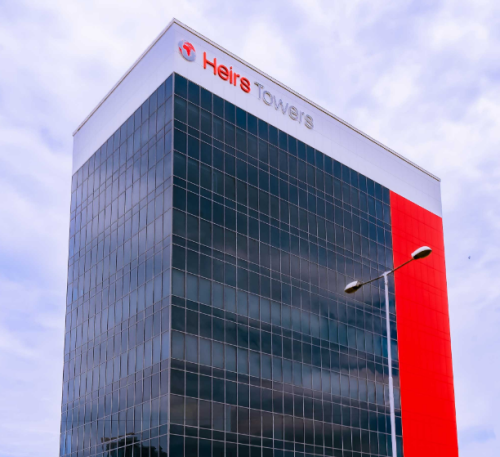
Heirs Insurance Group, Nigeria’s fastest-growing insurance group, has received the ISO 27001 certification from the Management System Certification Body (MSECB), a globally recognised provider of Information Security Management audit and certification. This is a testament of its commitment to ensuring the highest level of security across all its digital channels.

This milestone follows a rigorous evaluation of the Group’s Information Security Management System (ISMS), encompassing operational processes, workforce practices, and adherence to comprehensive security policies.

ISO 27001 is an internationally recognised benchmark for managing information security, ensuring robust protection against data breaches, IT disruptions, and business process vulnerabilities. By securing this certification, Heirs Insurance Group aligns itself with leading global organisations that prioritise the confidentiality, integrity, and availability of information systems.

Commenting on the achievement, Niyi Onifade, Sector Head, Heirs Insurance Group, stated:

“The ISO 27001 certification highlights our unwavering commitment to protecting the personal and financial data of our customers. As we continue to expand our operations and build partnerships with both local and international organisations, this certification provides the assurance that we operate according to the highest global security standards.”

This certification reinforces Heirs Insurance Group’s dedication to operational excellence, continuous improvement, and delivering secure, innovative insurance solutions. It highlights the Group’s proactive approach to safeguarding customer data and maintaining trust with partners, stakeholders, and customers alike.

Heirs Insurance Group has led the way with digital innovations in the insurance industry, launching a seamless mobile app, USSD capabilities, its chatbot Prince, its InConnect partnership portal, and the first-of-its-kind Digital Experience Centre at Transcorp Hilton, Abuja.

The Group continues to deliver cutting-edge insurance solutions tailored to meet the evolving needs of its customers.

With the Group’s technology infrastructure and governance framework now certified to meet international standards, Heirs Insurance Group strengthens its position as a reliable and forward-thinking leader in the insurance industry.


About Heirs Insurance Group

Heirs Insurance Group is the insurance arm of Heirs Holdings, the leading pan-African investment company, with investments across 24 countries and four continents, founded and led by Tony Elumelu, CFR.

Heirs Insurance Group is championing financial inclusion and leading the digital insurance play in Nigeria, demonstrating its mission to democratise access to insurance. As part of its unique proposition, the Group rolled out digital and mobile channels to simplify access to insurance and make the customer journey a smooth ride.

The Access Bank (UK) to Acquire Mauritius-based AfrAsia Bank

0

Access Holdings Plc has announced that its banking group’s, subsidiary, The Access Bank UK Limited has entered into a binding agreement to acquire a majority equity stake in AfrAsia Bank Limited, the Republic of Mauritius’ third largest bank by total assets.

Mauritius, renowned for its robust financial services sector which contributes 13.4% to its Gross Domestic Product, provides Access UK with a solid foundation to expand its operations in the high-growth personal and corporate banking segments. Furthermore, Access Bank will utilise Mauritius as a strategic hub for trade finance and regional connectivity, thereby enhancing its capacity to facilitate cross-border transactions across Africa and beyond.

The transaction represents a transformational step forward for the Access UK and the overall Access Holdings’ banking franchise. At the end of its fiscal year ended June 30, 2024, AfrAsia Bank recorded Total Assets of more than US$5.7 billion and Net Profit After Tax of US$152.4 million.

Commenting on the acquisition, Roosevelt Ogbonna, Managing Director/CEO of Access Bank Plc and the CEO of the Banking Group said:

“This acquisition marks a pivotal moment in our African growth strategy, reinforcing our position as a leading Pan-African financial institution. Mauritius offers immense potential as an international financial hub, and through AfrAsia Bank, we are excited to unlock new opportunities to drive trade, support businesses, and foster economic inclusion across the region as we continue our mission to be the World’s Most Respected African Bank.”

Jamie Simmonds, Managing Director of the Access Bank UK added:

“With a strong balance sheet and a well-established brand in Mauritius, AfrAsia Bank provides us with a sustainable platform to scale and achieve long-term profitability. The deal aligns with our strategy to diversify and future-proof our earnings; and offer bespoke solutions enabling our clients to access global markets with ease.”

The Access Bank UK remains focused on fostering sustainable growth and delivering innovative financial solutions that empower businesses and individuals, while advancing intra- and inter-African trade, unlocking opportunities, and contributing to its economic transformation. Access Bank UK remains committed to providing innovative financial solutions and fostering trade relations between Africa and the rest of the world.

The parties would be working in the coming months to complete the acquisition and would continue to make the required disclosures.


NLNG: Sophia Horsfall Resumes as GM, External Relations, Sustainable Dev

0

Dr. Sophia Horsfall, the former Manager of Corporate Communications and Public Affairs, has assumed her role as General Manager of External Relations and Sustainable Development following her appointment by the Company’s Board of Directors.

Horsfall steps into this key leadership role, succeeding Andy Odeh, who retired from the company on 1st November 2024.

Bringing over 25 years of extensive experience in the oil and gas sector, Dr. Horsfall is recognized for her versatile expertise in finance, human resources, and corporate communications. Her distinguished career at NLNG is marked by numerous accomplishments, including serving as the company’s first HR Manager in Business Partnering and leading as the inaugural Chief of Staff for the COVID-19 Crisis Management Team. She began her managerial tenure as Manager of Manpower Planning and Resourcing and most recently held the position of Manager, Corporate Communication and Public Affairs.

Horsfall is highly credentialed, holding fellowships and memberships in esteemed professional organisations such as the Chartered Institute of Accountants of Nigeria (FCA), Chartered Institute of Personnel Management (AMCIPM), Nigerian Institute of Public Relations (AMNIPR), and the Chartered Institute of Directors Nigeria (mCIOD). She has enriched her professional development through participation in management programs at Lagos Business School, INSEAD, the University of Cambridge, and SDA Bocconi.

Academically, Dr. Horsfall earned her Bachelor of Medicine and Bachelor of Surgery (MBBS) from the University of Lagos. She also holds an MBA from Imperial College London, a Diploma in Strategy and Innovation, and an MSc in Major Program Management from the University of Oxford.

Known for her focus on corporate transformation and talent development, Dr. Horsfall brings her international experience into her new role as the company spokesperson and chief reputation manager.

UBA to Raise N239.4bn through Rights Issue

0

Africa’s Global Bank, United Bank for Africa (UBA) Plc, will raise N239.4 billion through a Rights Issue of 6,839,884,274 ordinary shares of 50 kobo each at N35.00 per share.

The Rights Issue, which opened on Friday, November 15, 2024, gives existing shareholders the opportunity to purchase additional shares in proportion to their current holdings and is being offered based on one new ordinary share for every five existing ordinary shares held by shareholders, as of November 05, 2024.

In his letter to the shareholders informing them, the Group Chairman of United Bank for Africa, Tony Elumelu, noted that following the resolution of the Group’s shareholders at the Annual General Meeting held in May 2024, authorising the establishment of the N400 billion Equity Shelf Programme, UBA will embark on a Rights Issue, as the first step in its broader capital raising programme.

“UBA’s Rights Issue aims to raise N239.4 billion, through the issuance of new Ordinary Shares to our shareholders. The primary objective of this Rights Issue is to further strengthen our capacity to take advantage of growth opportunities and sustain our leadership in the banking industry,” Elumelu said.

Explaining the use of proceeds, the Group Chairman noted that, beyond regulatory compliance, the funds will expand the Group’s lending capacity, investment in digital infrastructure, support sustainable business practices and expanding the Group’s African operations.

Elumelu also highlighted how UBA is driving economic growth across Africa. “Our historic partnership with the Africa Continental Free Trade Area (AfCFTA) Secretariat, where UBA pledged up to US$6 billion in financing over the next three years to support eligible SMEs across Africa underscores our commitment to fostering economic development”.

The issuance is in compliance with the revised minimum capital requirements for Nigerian commercial banks announced by the apex banking regulator in Nigeria – the Central Bank of Nigeria (CBN) earlier this year.

UBA has consistently demonstrated growth and resilience, evidenced by the Group’s strong financial performance and recent recognition within the industry. UBA’s progressive dividend policy, which has seen an increase by 14.8% annualised dividend yield has demonstrated the Group’s ability to reward shareholders consistently. In 2023/2024, UBA won “Bank of the Year” Awards in eight of its subsidiaries – Cameroon, Chad, Ghana, Cote d’Ivoire, Mozambique, Republic of Congo; Sierra Leone; Tanzania, as well as the Regional Award for Africa and in 2024 has won World Best Frontier Markets Bank and Best SME Bank Africa.

Application for the provisional allotment of the Rights to the new ordinary Shares will be made exclusively through the NGX e-offer portal during the offer period, while existing shareholders may also apply for additional shares above their provisional allotment as described in the Provisional Allotment Letter. Shareholders who are customers of the Bank are also encouraged to access their Rights through UBA’s internet banking and mobile banking channels.

United Bank for Africa Plc is a leading Pan-African financial institution, offering banking services to more than forty-five million customers, across 1,000 business offices and customer touch points in 20 African countries.

With a unique international presence in New York, London, Paris and Dubai, UBA is connecting people and businesses across Africa and globally, through retail, commercial, corporate and institutional banking, innovative cross-border payments and remittances, trade finance and related banking services.

The Challenges of Recurring Potholes in Nigeria Roads

0

By Moses Braimah

In Nigeria, roads are constructed using multiple layers, each designed for a specific purpose.

These layers include the subgrade, sub-base, base course, and surface layer, typically made of bitumen or asphalt. The subgrade forms the foundation and must be compacted to support the above layers.

The sub-base provides additional support, while the base course distributes traffic loads to prevent excessive stress on the subgrade. The topmost layer, usually bitumen, offers a smooth, durable surface for vehicles.

As a key component in in road construction in Nigeria, it is important to delve in more into the role of bitumen. It is a viscous, petroleum-based material, primarily used for binding the road layers and providing a weatherproof surface. Its flexibility allows roads to expand and contract with temperature changes, reducing cracks and wear.

However, bitumen is highly susceptible to damage caused by water infiltration, which explains why potholes quickly reappear after patching. When water seeps through cracks in the surface, it weakens the lower layers, causing the road to collapse under pressure from vehicles.

Drainage and its Importance

Proper drainage systems are critical in road construction. Effective drainage systems are essential for maintaining road longevity. When present and functional, they divert water away from the road, preventing waterlogging, erosion, and weakening of the subgrade.

In contrast, blocked or absent drainage systems cause water to seep into the road layers, weakening the structure and accelerating pothole formation. This is particularly problematic during Nigeria’s rainy season, where the heavy downpour overwhelms poorly designed drainage systems, leading to rapid deterioration of roads.

So, what are the alternatives to bitumen? Given the limitations of bitumen in handling water damage, suggested alternative materials can be explored. These include materials such as geopolymer binders, recycled plastics, and composite materials. They offer greater resistance to environmental factors. However, the most promising alternative to bitumen is concrete pavement.

Why is concrete pavement a superior alternative? Concrete pavement is known also as rigid pavement. It is made from cement and aggregates. It is stronger and more durable than bitumen, particularly in areas with heavy rainfall or high traffic volumes. Concrete’s rigid structure resists deformation, making it less prone to potholes and other surface failures. It also has a longer lifespan, reducing maintenance costs over time.

Advantages of Concrete Pavement over Bitumen

Durability: Concrete lasts 30-50 years compared to bitumen’s 15-20 years, making it a more cost-effective option in the long run.

Water Resistance: Concrete is less permeable than bitumen, offering better protection against water damage and reducing the risk of potholes.

Load-Bearing Capacity: Concrete can handle heavier loads without warping, making it ideal for highways and high-traffic routes.

Reduced Maintenance: While concrete is more expensive to install initially, its low maintenance requirements translate into significant savings over time.

Thermal Resistance: Unlike bitumen, concrete is not sensitive to extreme temperature changes, making it more stable in Nigeria’s varied climate.

Bitumen vs. Concrete: A Comparison

Cost: Bitumen is cheaper to install but requires frequent maintenance, while concrete has a higher upfront cost but lower long-term expenses.

Environmental Impact: Bitumen is derived from petroleum, contributing to environmental degradation. Concrete, though energy-intensive, can be more eco-friendly, especially with newer technologies like carbon capture during production.

Application: Bitumen is more flexible and easier to work with for smaller roads and projects. In contrast, concrete is better suited for highways, bridges, and areas with high traffic.


Aspect Bitumen (Asphalt) Concrete
Cost Cheaper upfront Higher initial cost
Lifespan 10-15 years 20-40 years
Maintenance Frequent repairs Low maintenance
Water Resistance Prone to water damage Highly water-resistant
Thermal Performance Softens and cracks in heat Stable under temperature changes
Sustainability Less eco-friendly (derived from oil) Can be made from recyclable materials


In summary, while bitumen has been the traditional choice for road construction in Nigeria, it may no longer be the best option in the face of recurrent potholes and rising maintenance costs.

With its superior durability, load-bearing capacity, and water resistance, concrete pavement presents a compelling alternative, particularly for high-traffic and coastal roads like the Lagos-Calabar Coastal Highway.

Implementing better drainage systems alongside this shift in materials could significantly improve Nigeria’s road infrastructure for future generations.


– Braimah is an Executive Project Director at PacificMessages.

Deutsche Bank Awards Ecobank Nigeria with Client Excellence Award

0

Ecobank Nigeria, an affiliate of Ecobank Group, has been honored with the Client Excellence Award for outstanding performance in institutional cash management for the previous year by Deutsche Bank AG.

During the award presentation in Lagos, Andreas Voss, Chief Country Representative of Deutsche Bank AG, Corporate Bank, congratulated Ecobank for this recognition.

He emphasised that the award reflects Ecobank’s excellence in payment efficiency and cash management. Voss noted that the bank’s commitment to excellence, open communication, and proactive strategies have led to significant achievements for both institutions.

Voss stated: “Ecobank’s dedication to excellence and collaborative spirit have made them an invaluable partner. It was an absolute pleasure working with Ecobank.

Their processing of Straight Through Processing (STP) transactions is a prime example, as Ecobank achieved an STP rate above 99 percent for foreign currency payments and international settlement services. This success underscores the bank’s high SWIFT payment standards, facilitating rapid beneficiary account credits.”

Segun Anjorin, Acting Head of Corporate Banking at Ecobank Nigeria, acknowledged Deutsche Bank as a valuable partner. He noted that the Client Excellence Award symbolises the strong partnership and collaboration between the two banks.

Anjorin reiterated Ecobank’s commitment to providing exceptional quality in payment efficiency and cash management, highlighting how STP implementation enhances operational efficiency and ensures compliance with global payment standards.

About Ecobank Nigeria

Ecobank Nigeria is an affiliate of Ecobank Group, the leading pan-African banking group. We provide a comprehensive suite of financial services and solutions to our Consumer, Commercial, Corporate, and Investment Banking clients through over 250 branches and 60,000 Xpress Point agencies.

Established in 1985, the Ecobank Group aims to promote financial integration and socio-economic development in Africa.

With a presence in 35 sub-Saharan African countries, as well as in France, the UK, UAE, and China, Ecobank boasts unmatched expertise across the continent. Our pan-African platform offers a seamless gateway for payments, cash management, trade, and investment across Africa and beyond.


NAICOM, EFCC Explore Partnership to Sanitise Insurance Sector

0

The Management of the National Insurance Commission (NAICOM) led by the Commissioner for Insurance and Chief Executive Officer, Mr. Olusegun Ayo Omosehin paid a working visit to the Headquarters of the Economic and Financial Crime Commission (EFCC) in Abuja and was received by the Chairman of the EFCC, Mr. Olu Olukoyede.

The CFI in his remark highlighted the mandate and core functions of NAICOM, which include regulating, supervising and developing the insurance industry in Nigeria, acting as adviser to the Federal Government on all insurance related matters and more importantly ensuring the protection of policyholders, and public interest.

He further stated that the visit was aimed at strengthening collaboration and partnership between NAICOM and the EFCC as agencies of the Federal Government especially in combating money laundering, fraud and other financial crimes that are affecting the growth of the insurance sector.

He expressed confidence and optimism that the new leadership of the EFCC under Mr. Ola Olukoyede will continue to provide necessary support to NAICOM to continue to strengthen and sanitise the Nigerian insurance industry.

The EFCC Chairman, Mr. Olu Olukoyede in his response thanked the Commissioner for Insurance and members of his team for the visit and assured them of EFCC’s full support in the ongoing effort by NAICOM to strengthen and sanitise the sector, preventing financial crimes and ensuring protection of policyholder’s interests and rights.

He stated that that the insurance sector has great potentials for growth looking at other countries where insurance drives their economy.

Olukoyede pledged to support financial regulators in monitoring regulated entities and investigating financial crimes. He also emphasised EFCC’s commitment to sanitising insurance industry through robust enforcement of financial laws and regulations.

He stated that the EFCC aims to insulate the insurance sector from rogue activities, ensuring stability and sanity. To achieve this, Olukoyede promised to bolster the department overseeing banking and insurance activities, giving special attention to the insurance sector.

The meeting agreed that strengthening the partnership between the National Insurance Commission (NAICOM) and the Economic and Financial Crimes Commission (EFCC) is a crucial step towards creating a more secure and stable insurance sector in Nigeria.

By working together and sharing information, the two agencies can effectively sanitise the industry and ensure the achievement of their mandates.

MTN Nigeria Educates MDAs, NGOs on Key Benefits of Digital Advertising

0

MTN Nigeria has held an educative session for federal Ministries, Departments and Agencies (MDAs) and Non-Governmental Organisations (NGOs) on the key benefits of digital advertising, its numerous possibilities for businesses within the public sector in Nigeria.

At a breakfast meeting the MDAs and NGOs in Abuja, the Chief Digital Officer of MTN, Aisha Mumuni, said in today’s fast-paced world, staying connected with citizens was more challenging than ever.

According to a report by Senior Analysts Team, Mumuni said with the widespread use of smartphones, the opportunity to engage with people where they are most receptive has never been greater.

She said that one of the most useful tools in the 21st century is the smartphone, adding that mobile advertising creates the opportunity to meet people in the spaces they already occupy.

“With 81.2 million Nigerians owning smartphones, mobile phones have become an indispensable tool for communication, news, shopping, and socialising.

“Mobile advertising is an unprecedented opportunity for the public and private sector to deliver timely, relevant information directly into the hands of the consumers and the people as they use that space.

“It is a responsibility for the telcos, public and private sectors to ensure that public service information is accessible, timely, and meaningful,” she said.

Earlier, the Senior Manager, Digital Advertising and Campaign, MTN, Eyitayo Amushan, said that there was a way to communicate directly to people through their mobile phones, which is simply what mobile advertisements are all about.

“In the middle of having all these people gather on different platforms, there are ways we can communicate to them directly to their mobile phones.

“We have built those tech platforms; we have looked at the performance and we are also looking at the trend of the industry to see how to compete with other sort of advertisement channels.

“The power of you being able to communicate to people through promotion, in the media space is beginning to go on the rise,” he said. The Chief Enterprise Business Officer, MTN, Linda Nwafor, said that Nigerians deserved the benefits of a modern connected world

Nwafor said that businesses in the public and private sectors could leverage technology as a force for good and improved productivity. She also said that it would drive efficiencies, improve engagement and accelerate growth.

“Our job is to constantly and continuously scan our environment, engage with you, our critical stakeholders, to identify the shackles in your operations, the pain that you face on a day-by-day basis.

“Together we can work to identify ways technologies can be used to remove those obstacles and close whatever gap that exists in your operations.

“We are here to showcase ways that we have curated technology that will aid your engagement and interactions with citizens and the people that you interact with on a day-by-day basis.

“We are here to tell you that we can put this technology in your hand, and that this technology will help you attack new grounds, and define and conquer new territories,” she said.


NCDMB, NNPC, NCC, Zenith, Shell to Support Realnews 12th Anniversary Lecture

0

Some bluechip companies and organisations are supporting hosting the Realnews 12th Anniversary Lecture at the Sheraton Hotel on Tuesday, November 19, starting at 10 am.

The organisations include the Nigerian National Petroleum Company Limited, NNPCL, the Nigerian Content Development Monitoring Board, NCDMB, the Nigerian Ports Authority, NPA, Shell Nigeria, the Nigerian Liquefied Natural Gas, NLNG, the Nigerian Communications Commission, NCC, Zenith, and Access Bank Plc.

Expressing Realnews’ appreciation to the organisations, Maureen Chigbo, its publisher, prayed to God to bless them and give their management the wisdom to lift their organisations to greater heights and prosperity.

Chigbo also expressed her deep appreciation to all the banks, institutions, companies, and other organisations that have placed online advertisements on the Realnews website in the last 12 years. “Without their support, we would not have remained in business all through the years to do what we love best – investigative journalism,”  

The theme of Realnews 12th Anniversary Lecture is “Africa in World Shifting Geopolitics: Matters Arising on Democracy, Technology, Artificial Intelligence, Natural Resources”. The Lecture which will be chaired by Ms. Beatrice Eyong, Country Chair, UN Women, will be delivered by Ambassador Prof. Ibrahim Gambari, former Chief of Staff of former President Muhammadu Buhari. Dr. Karim El Aynaoui, Executive President of Policy Center for New South, Rabat, Morocco, will keynote the conference.

The lecture, which will be held at the Sheraton Hotel by 10 am will feature Mrs Hadiza Bala Usman as the Special Guest/discussant along with Engr. Shehu Tijjani, Managing Director, Amal Technology Ltd.

Chigbo, the publisher of Realnews, said there will be an investiture of all the speakers into The Realnews Hall of Fame immediately after the Lecture. Chigbo explained that the Realnews Hall of Fame was established to honour only those who played key roles during the anniversary lectures.

Realnews, a general interest magazine, is an online publication that thrives on investigative journalism. We have expertise in reporting the oil and gas sector with its attendant environmental challenges. We aim to unearth exclusive stories about real people and the challenges they face in their day-to-day activities. We do this bearing in mind that government can only act to influence the lives of people positively if they are aware of their true situation. Hence, our objective is to use our investigative skills to ferret out information in the sectors we focus on and produce an unbiased report that will influence the government and decision-makers to take actions that will make society better.
Realnews is populated by seasoned journalists who believe strongly in the tenets and ethics of the profession. The online publication believes that journalism as the fourth Estate of the Realm can contribute its quota towards building a fair and just society where fundamental human rights are respected and citizens have the freedom to pursue their interests anywhere in the world without hindrance. Its editors have a combined experience of several decades in active journalism practice and are highly dedicated to serving humanity. Hence its motto: “For God and Humanity.”
The Realnews Anniversary Lecture Series was established to commemorate our society’s best minds and tap into them to enrich the discourse on our national development.

The 11th Anniversary Lecture of Realnews was delivered by Edwin W. Harris Jr., Director General of the ECOWAS Inter-Governmental Action Group Against Money Laundering in West Africa (GIABA), Senegal, on the “Threats of Illicit Funds Flow to the African Economy”. The 10th Anniversary lecture in 2022 on “Drug Abuse among Youths in Africa: Implication for Nigerian Economy and 2023 Elections” was delivered by Brig General Buba Marwa, Chairman, and Chief Executive Officer of the National Drug Law Enforcement Agency, NDLEA; 9th Anniversary Lecture of Realnews in 2021 was delivered by Engr. Simbi Kesiye Wabote, Executive Secretary of the Nigerian Content Development and Monitoring Board on “Nigeria in the Unfolding Integration of the African Market: The Oil and Gas Perspective”; 2020 Eighth Anniversary Lecture of Realnews was delivered by Boss Mustapha, Secretary to the Government of the Federation and Chairman of the Presidential Taskforce on COVID-19 on Managing COVID-19 Pandemic in Africa: The Nigeria Experience; Former President John Dramani Mahama of Ghana gave the 2019 Lecture on Beyond Politics: An Economic Narrative for West Africa while Prof. Mahmood Yakubu spoke on Political Transitions and Africa’s Economic Development: Preparations for Nigeria’s 2019 General Elections at the 2018 Lecture. The 2017 Fifth Anniversary Lecture on African Leadership in a Turbulent Era was delivered by Dr. Oby Ezekwesili, former minister of Education and former World Bank Vice President. The 2016 Fourth Anniversary Lecture on Security and National Development in Plural Democratic Society was delivered by Dr. Mohamed Ibn Chambas, former United Nations Secretary General’s Special Representative to West Africa and Sahel; the 2015 Realnews Third Anniversary Lecture was delivered by Professor Chukwuma Charles Soludo, former Governor of the Central Bank of Nigeria (CBN) on November 19, 2015, under the theme: It’s The Nigerian Economy, Stupid? The Second Realnews Anniversary Lecture on Nigerian Democracy: Getting it Right in 2014 was delivered by Professor Maurice Iwu, former Chairman of the Independent National Electoral Commission (INEC).

FBN Holdings Leverages NGX Invest for N150bn Rights Issue

0

FBN Holdings Plc’s N150 billion rights issue has gone live on the Nigerian Exchange Group’s (NGX) digital platform, NGX Invest.

This rights issue, offered on a one-for-six basis to existing shareholders, is accessible through NGX Invest, providing a seamless digital channel for eligible investors to participate.
At the “Facts Behind the Rights Issue” event held at the Exchange, FBN Holdings Group Managing Director, Mr. Nnamdi Okonkwo, emphasised the strategic importance of the rights issue, stating, “we will be leveraging our diversified portfolio of businesses and shared resources to ‘do more with less’, optimising costs, improving efficiency, and boosting revenues. We aim to strategically expand into new geographies via both physical and digital approaches while continuing to explore attractive business adjacencies.”

He also noted FBN Holdings’ enthusiasm in utilising NGX Invest’s capabilities, highlighting that “this digital platform allows us to reach a wider investor base and facilitate seamless participation in our capital raise.”
By utilising NGX Invest, FBN Holdings joins six other Nigerian banks that have recently tapped into this innovative platform to distribute a total of eight public offers and rights issues.

This move aligns with the Central Bank of Nigeria’s (CBN) new capital adequacy requirements, which mandate banks to strengthen their capital bases by 2026.

To date, NGX Invest has facilitated approximately ₦1.26 trillion (about $770 million) in capital raises within the banking sector.
NGX Invest’s track record in facilitating capital raises has attracted praise from stakeholders. Emomotimi Agama, Director General of the Securities and Exchange Commission (SEC), noted that banks using NGX Invest have consistently achieved full subscription levels, often reaching oversubscription.

Similarly, Ladi Balogun, Group Chief Executive Officer of FCMB Group Plc, commended NGX Group for its pivotal role in enabling over 40,000 investors to seamlessly participate in their recent public offering through the NGX Invest platform.
Temi Popoola, Group Managing Director/Chief Executive Officer of NGX Group, highlighted the platform’s significance, saying, “NGX Invest’s secure and well-regulated infrastructure has rapidly emerged as the top choice for issuers seeking to distribute their offerings digitally. We are proud to support financial institutions and other issuers in their capital-raising efforts, empowering them to reach a wider investor base and drive economic growth.”


NAICOM: Islamic Finance Accounts for 3% of Financial Services in Nigeria

0

KEYNOTE ADDRESS BY THE COMMISSIONER FOR INSURANCE, MR OLUSEGUN AYO

OMOSEHIN, AT THE 2ND EDITION OF THE AFRICAN TAKAFUL AND NON-INTEREST

(ISLAMIC) FINANCE CONFERENCE, HELD IN LAGOS ON 12TH NOVEMBER 2024

Protocol

I am honored to represent the Commissioner for Insurance, Mr. Olusegun Ayo Omosehin,

who is unavoidably absent due to a prior engagement. He extends his sincere apologies and warm greetings to all participants at this conference.

It is also my privilege to deliver this keynote address at the 2nd Edition of the African Takaful and Non-Interest (Islamic) Finance Conference, themed: “Islamic Finance and Takaful; Building Resilience in a Volatile World.”

I extend my gratitude to Noor Takaful for organising this significant event.

As we continue to navigate an era marked by economic volatility, environmental challenges, and social upheavals, the need for innovative solutions is paramount.

While conventional financial systems often fall short in addressing the multifaceted risks faced by individuals and communities, Islamic finance offers a unique perspective rooted in ethical principles and social responsibility.

Islamic finance is not merely a set of financial products; it is a comprehensive system promoting fairness, transparency, and risk-sharing. At its core, it encourages investors to consider the social, ethical, and environmental implications of their financial decisions.

This holistic approach is particularly relevant today, where the consequences of financing extend beyond mere profit and loss.

Driven by increasing demand for Shariah-compliant financial services, Islamic finance in Nigeria is growing rapidly. The sector accounts for approximately 2-3% of Nigeria’s total financial market, valued at $3.8 billion.

Sukuk dominates the market at 59.3%, followed by non-interest banks at 39.8%, and Islamic funds and Takaful at 0.9%. The Islamic financial industry comprises four non-interest finance banks, five Takaful companies, 15 micro-finance institutions, and 10 non-bank financial institutions.

Central to Islamic finance is the concept of Takaful, or Islamic insurance. Unlike conventional insurance, which often involves risk transfer and interest, Takaful is a Shariah-compliant form of insurance based on mutual cooperation and shared responsibility. Participants contribute to a common fund, which is used to support those in need, fostering a sense of community and solidarity.

In a world where climate change, health crises, and economic instability threaten our livelihoods, Takaful offers a resilient framework that provides not only financial protection but also a safety net that empowers individuals and communities to recover from adversities.

By promoting risk-sharing and collective responsibility, Takaful helps mitigate the impact of unforeseen events, enabling families and businesses to bounce back more effectively.

The principles of Islamic finance and Takaful are especially pertinent in enhancing resilience

through risk mitigation, social justice and sustainable development. Permit me to briefly re-emphasise the three key ways they contribute:

Risk Mitigation: Islamic finance encourages diversification and ethical investment, reducing

exposure to high-risk ventures. Takaful, specifically, spreads risks among participants, making it easier for individuals to access necessary financial support during crises.

Social Justice: The emphasis on fairness and equity in Islamic finance ensures that even the

most vulnerable members of society are protected. Takaful promotes inclusivity, allowing individuals from various socioeconomic backgrounds to participate in risk-sharing, thereby fostering social cohesion.

Sustainable Development: Islamic finance aligns closely with the principles of Sustainable Development Goals. By prioritising investment in ethical and socially responsible enterprises, it contributes to economic stability while addressing environmental and social challenges.

The National Insurance Commission has been instrumental in promoting the growth of the

Takaful industry in Nigeria through several initiatives. Since issuing the Takaful Operational

Guidelines in 2013, the Commission has licensed five Takaful operators, with the concept

gradually gaining acceptance.

Although Takaful currently represents 1-2% of the insurance market, the future outlook is promising, considering the average annual growth rate of over 34% in contribution generation recorded by the industry in the last four years.

The Commission has undertaken several initiatives to support the Takaful industry. The initiatives include the application of risk-based capital system which affords takaful operators a more relaxed minimum capital requirements, the proportionate qualification requirements, which facilitate new entrants into the Takaful market in Nigeria, and most importantly, the Market Conduct and Enterprise Risk Management Guidelines for Takaful and Retakaful operators which were issued to ensure best practices and effective risk management.

Furthermore, several stakeholder engagements and sensitisation workshops have been conducted to raise awareness and educate the public about Takaful and its benefits.

We have and continue to collaborate with international standard setting organisations like the Islamic Financial Services Board, and Accounting & Auditing Organisation for Islamic Financial Institutions to provide requisite regulatory guidelines, technical training and support for the industry, among other initiatives.

Additionally, the Commission is working with other regulators in Nigeria to develop more Shariah-compliant investment opportunities for Takaful and other non-interest financial institutions in the economy.

As we face global challenges such as pandemics, environmental hazards, and geo-political uncertainties, the resilience offered by Islamic finance and Takaful becomes increasingly vital.

The recent pandemic has highlighted the fragility of our existing systems and has shown that sole reliance on conventional models may not suffice in times of crisis. The Islamic financial sector has the potential to innovate, adapt and create products that cater to emerging needs.

In conclusion, as we look to the future, let us leverage on the principles of Islamic finance and Takaful to build a more resilient world. Together, we can create a financial system that not only withstands volatility but also promotes prosperity for all.

Let us support policies that will foster partnerships that drive innovation, and educate our communities on the benefits and growth of Takaful and Islamic finance.

I wish you fruitful deliberations and action points that will enthrone a very resilient Islamic

finance and Takaful sector in Nigeria.

Thank you.


UBA Unveils Henrietta Ugboh as Independent Non-Executive Director

0


  • Owanari Duke Retires from Group Board

Africa’s Global Bank, United Bank for Africa (UBA) Plc has announced the appointment of Henrietta Ugboh as an Independent Non-Executive Director.

The appointment has been approved by the relevant regulatory bodies, including the Central Bank of Nigeria (CBN).

UBA’s Group Chairman, Tony Elumelu, CFR, commenting on the appointment, said:

“Henrietta Ugboh brings a track record of professional success, integrity and leadership, which will further strengthen the UBA Group Board, underlining once again the Group’s commitment to robust corporate governance.”

Ugboh holds a degree in Economics and Statistics from the University of Benin, an MBA from ESUT Business School, and is an alumnus of the Harvard Business School’s Executive Management Program. She has over 30 years’ experience in banking with Citibank and is an Honorary Senior Member of the Chartered Institute of Bankers of Nigeria (CIBN) and a Fellow of the Institute of Credit Administration (FICA).

Elumelu added that with her considerable experience and expertise, which includes commercial banking, credit and risk management, the UBA Board is delighted to welcome Mrs. Ugboh to the Group Board.

“We look forward to her invaluable contribution to the Group as we continue to execute our unique growth strategy across Africa and globally.”

The Board also announced the retirement of Mrs. Owanari Duke, an Independent Non-Executive Director, who joined the UBA Group Board in October 2012.

During her tenure, Mrs. Duke provided distinguished leadership, serving on Committees of the Bank including the Board Governance Committee, Board Audit, Governance, Nomination & Remuneration Committee, Board Credit Committee, Finance & General Purpose Committee and Statutory Audit Committee.

On behalf of the Board, Elumelu expressed UBA’s deep appreciation to Mrs. Duke for her dedication and significant contributions to the Group, wishing her the best in her future endeavour.

About UBA

United Bank for Africa Plc is a leading Pan-African financial institution, offering banking services to more than forty-five million customers, across 1,000 business offices and customer touch points in 20 African countries.

With presence in New York, London, Paris and Dubai, UBA is connecting people and businesses across Africa through retail, commercial and corporate banking, innovative cross-border payments and remittances, trade finance and related banking services.