Friday, February 27, 2026
26 C
Lagos
Home Blog Page 48

Sterling Bank Champions Cancellation of Transfer Charges

0

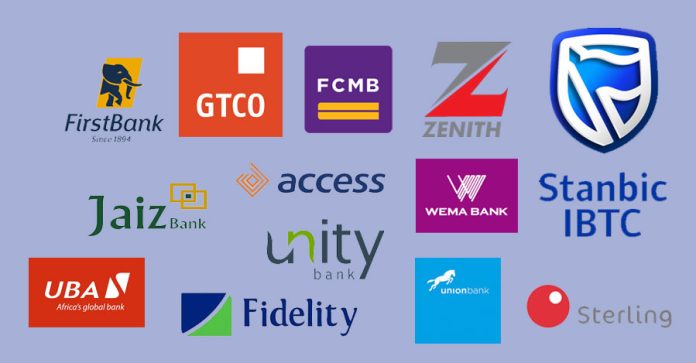
In a landmark move that sets a new benchmark for customer-focused banking in Nigeria, Sterling Bank has championed the cancellation of bank transfer fees by major banks, announcing it will no longer take any money for itself for any local online transactions by its customers.

The announcement, made on April 1st, initially sparked widespread arguments, with many

assuming it was a marketing prank tied to April Fools’ Day. However, Sterling has confirmed that this is no stunt: the zero-transfer-fee policy is real, and effective immediately.

With this move, Sterling becomes the first major Nigerian bank to take a definitive stand against the long-standing practice of charging customers for everyday digital transfers, an issue that has grown increasingly contentious as digital banking adoption deepens.

“We believe access to your own money shouldn’t come with a penalty,” said Obinna

Ukachukwu, Growth Executive leading the Consumer and Business Banking Directorate. “This is more than a financial decision, it’s a values-based one. It reflects our commitment to making banking fair, inclusive, and truly customer focused.”

“We’re not yet the biggest bank in Nigeria, but we’ve been the boldest,” Ukachukwu added. “Sterling fearlessly believes in the future of Nigeria, and this is us backing Nigerians with more than words.”

Under the new policy, Sterling customers will enjoy free transfers for all local transactions

conducted via the bank’s mobile app. This translates into significant savings, particularly for individuals and new small business owners who make frequent daily transfers.

This customer-first orientation is not new for Sterling. During the COVID-19 pandemic, the bank stood out by providing supplementary payments to healthcare workers in public hospitals—at a time when few others were willing or able to offer additional support. From that moment to now, Sterling has continued to redefine what it means to be a responsible and responsive institution.

The bank’s latest move has been met with widespread public approval, sparking positive

reactions across social media and placing pressure on industry peers to follow suit.

We’re proud to lead this change,” Ukachukwu added. “We hope it inspires others to think

differently about what customers truly need from their banks, not just in services, but in values.”

Online communities were not excluded as WhatsApp Nigeria lit up with viral broadcasts as users forwarded the news across various groups, including one from a prayer circle that read:

“Please my good people this is not a joke!!! Sterling Bank has just shocked Nigeria today o!! My neighbour Justina just transferred N100k and no charges!!! God bless Sterling Bank.”

The message quickly gained traction, sparking massive public interest and mounting pressure on other banks to follow suit.

Sterling’s zero-fee policy is part of a broader strategy to transform the customer experience and deliver transparent, ethical banking solutions at scale.


About Sterling Bank

Sterling Bank is a full-service national commercial bank in Nigeria, focused on building a more equitable and sustainable future through its HEART strategy, targeting investments in Health, Education, Agriculture, Renewable Energy, and Transportation.

With a growing reputation for innovation and customer advocacy, Sterling continues to lead with impact, empathy, and execution.


Stanbic IBTC Bank PMI: Sharpest Rise in New Orders in 14 Months

0

The recovery in the Nigerian private sector gathered strength in March, with output, new orders and employment all increasing to greater degrees than in February.

Firms were helped to some extent by softening inflationary pressures, with input costs increasing at the slowest pace since May 2023.

The headline figure derived from the survey is the Stanbic IBTC Bank Purchasing Managers’ Index (PMI). Readings above 50.0 signal an improvement in business conditions on the previous month, while readings below 50.0 show a deterioration.

The headline PMI posted 54.3 in March, up from 53.7 in February and above the 50.0 no-change mark for the fourth consecutive month.

Moreover, the latest improvement in business conditions in the private sector was solid and the most marked since the start of 2024. Central to the latest strengthening in the health of the private sector was an improving demand climate.

This helped lead to a fifth successive monthly expansion of new orders in March. Moreover, the pace of increase was sharp and the fastest in 14 months. In turn, the pace of output growth also quickened at the end of the opening quarter. Here too, the latest rise was the sharpest since January 2024.

Muyiwa Oni, Head of Equity Research West Africa at Stanbic IBTC Bank commented: “Softening inflationary pressures are helping to improve domestic demand conditions, in turn, supporting an overall improvement in private sector activity in Nigeria.

Consequently, private sector activity strengthened for the fourth consecutive month, with the headline PMI settling higher at 54.3 points in March from 53.7 points in February – its highest print since January 2024 (54.5 points).

Central to this improvement is an increase in customer requests, which ensured the rate of growth in new orders in March quickened to their fastest pace in 14 months.

In addition, the employment level increased for the fourth month running in March although some firms reported hiring staff on a contract basis.

Meanwhile, the pace of increased input costs for the Nigerian companies moderated sharply in March, with the latest rise being the slowest since May 2023, albeit still marked. In line with this, the pace of output price inflation softened further – easing for the third successive month to the weakest since May 2023. Nonetheless, staff costs continued to rise at a solid pace and companies generally linked the efforts to increase staff pay to helping workers deal with higher living costs.

Private sector activity in Q1:25 was at a much better position compared to the preceding quarter and this is consistent with a likely 3.9% y/y growth in the non-oil sector in Q1:25, signifying a further improvement in business conditions.

For the full year 2025, the non-oil sector is poised to improve further compared to 2024 as the lingering FX stability and improved FX liquidity conditions bode well for the real sector activities, including manufacturing, trade and real estate.

This, in addition to the anticipated reduction in borrowing costs, should further support the growth of the non-oil sector in 2025. Accordingly, we project the non-oil sector to grow by 3.4% y/y in 2025. Therefore, we still expect the Nigerian economy to grow by 3.5% y/y in real terms in 2025 with the Q1:25 growth print forecasted to settle at 3.7% y/y.”

Output expanded across all four sectors covered by the report. Increases in new orders and output requirements encouraged companies to expand their staffing levels and purchasing activity accordingly. A modest rise in employment was nonetheless the most marked in seven months, while input buying was up sharply. Higher purchasing activity fed through to rising stocks of inputs, with companies looking to build inventories in line with current and future business needs.

Some firms also took advantage of softer price inflation to stockpile inputs. Although overall input costs continued to rise sharply, the pace of inflation eased for the fifth month running and was the slowest since May 2023.

Both purchase prices and staff costs increased at slower rates at the end of the opening quarter of the year. In turn, companies also posted a softer increase in selling prices in March. Here too the pace of inflation was the least marked since May 2023.

Meanwhile, suppliers’ delivery times continued to shorten, with improved vendor performance linked to prompt payments and good road conditions. Lead times shortened solidly, albeit to a lesser extent than seen in February.

Although rates of expansion in output and new orders quickened in March, companies were less optimistic regarding the 12-month outlook for business activity. Confidence was at a three-month low and weaker than the series average.

Those firms that predicted a rise in output linked this to planned advertising, as well as business investment and the opening of new branches.

Barth Nnaji to Deliver The Bullion Lecture 2025

0

Globally acclaimed energy expert, Professor Barth Nnaji, is to deliver the 2025 edition of The Bullion Lecture.

The theme of the lecture is “Architecting the Energy Sector for Nigeria’s $1-Trillion Economy Vision”. The lecture is scheduled for 10am on Thursday, April 10, 2025 at The Civic Centre, Victoria Island, Lagos.

Nnaji, a recipient of three national honours: Officer of the Order of the Niger (OON), Commander of the Order of the Niger (CON), and Nigerian National Order of Merit (NNOM), is the Founder/Chief Executive Officer of Geometric Power Limited (the pioneer private power company in Nigeria).

Nnaji who was appointed as member of the National Energy Council in 2009, also served as the Special Adviser to the President on Power (2010 -2011); Chairman, Presidential Task Force on Power (June 2010- July 2011); and Minister of Power (2011 -2012). He led the implementation of the Power Sector privatisation and the unbundling of NEPA while serving as Minister of Power from July 2011 until his resignation in August 2012.

A professor of Mechanical and Industrial Engineering, University of Massachusetts, USA (1983-1996), Nnaji was also William Kepler Whiteford Professor of Engineering, and ALCOA Foundation Professor of Engineering, University of Pittsburgh, USA (1996-2007).

He was Baker Distinguished Research Awardee (Highest research award given by the International Institute of Industrial Engineers). In October 1998, he received the Distinguished Scientist Award by the World Bank/International Monetary Fund Africa Group.

The Bullion Lecture, a platform conceptualised by Centre for Financial Journalism for lively discussion on national and international issues, is always delivered by first-rate academics and professionals.

According to a press statement in Lagos by Dr. Ray Echebiri, Founder/CEO of Centre for Financial Journalism, organisers of The Bullion Lecture, the 2025 edition of the lecture (9th in the series) will be graced by Chief Adebayo Adelabu, Minister of Power as the Special Guest of Honour.

The lecture will be chaired by National President of Women in Energy Oil and Gas (WEOG), Tolulope Longe, while the Group Managing Director, Aiteo E&P, Sir Victor Okoronkwo, and CEO, ThinkBusiness Africa/Convener, Africa Business Convention, Dr. Ogho Okiti, will be on hand to dissect the presentation by the Guest Lecturer as Panelists.

Expected guests at the lecture include government officials, captains of industry, banking and finance executives, maritime executives, lawyers, ICT professionals, energy sector executives, members of the academic community, members of the diplomatic corps, representatives of multilateral institutions, media practitioners and members of the public.


RMB Leads Investor Roadshow in Nigeria, Reinforcing Market Confidence, Investment Opportunities

0

L- R: Regional Lead, Institutional Client Group, RMB, Eyitope Owolabi; Special Adviser to the Minister of Finance, Kikelomo Longe; EM Sovereign Credit Analyst, Thrivent Matthew Greenman; Specialised Finance Analyst, Sanlam Mpho Mbuyazi; Permanent Secretary Special Duties, Federal Ministry of Finance, Raymond Omachi; Honourable Minister for Finance and Coordinating Minister of the Economy, Wale Edun; Nigeria CEO, RMB, Bayo Ajayi; Africa Structured Debt Financier, Sanlam, Zuko Hewana; Senior Country Risk Analyst,  Sanlam, Candy Van Der Walt; FI Strategist, Bank Invest, Jakob Christensen; Senior Portfolio Manager, Abu Dhabi Investment Authority, Ron Raychaudhuri at the recently held RMB Nigeria and Ministry of Finance Investor Roadshow facilitated by Rand Merchant Bank Nigeria in Abuja.

Rand Merchant Bank (RMB), a prominent corporate and investment bank in Africa, recently conducted a series of high-level meetings in Abuja as part of its West Africa investor roadshow.

These meetings involved institutional investors, asset managers, and senior government officials, focusing on Nigeria’s macroeconomic landscape and investment prospects.

The delegation engaged with key policymakers to discuss topics such as foreign exchange market stability, debt management strategies, and reforms aimed at attracting foreign investments.

A notable highlight was an exclusive meeting with the Honourable Minister of Finance & Coordinating Minister of the Economy, Wale Edun, which provided a platform for direct dialogue on Nigeria’s fiscal policies and economic direction.

Key RMB representatives included Bayo Ajayi, Nigeria CEO; Eyitope Owolabi, Regional Lead, Institutional Client Group; and Samantha Singh-Jami, Research Lead for Broader Africa.

They were joined by institutional investors and asset managers like Ron Raychaudhuri, Senior Portfolio Manager at Abu Dhabi Investment Authority; Jakob Christensen, FI Strategist at Bank Invest; Matthew Greenman, EM Sovereign Credit Analyst at Thrivent; and Candy Van Der Walt, Senior Country Risk Analyst at Sanlam.

RMB Nigeria CEO, Bayo Ajayi, emphasised the significance of investor confidence in promoting economic growth and capital inflows, stating:

“Ensuring open and transparent engagement between investors and policymakers is key to deepening confidence in Nigeria’s economic landscape. This roadshow provided an opportunity for institutional investors to gain direct insights into the country’s evolving policy framework, reinforcing Nigeria’s position as a long-term investment destination.”

The investors appreciated the transparent policy discussions and expressed interest in ongoing engagement with the Nigerian government regarding investment opportunities.

RMB Nigeria remains dedicated to connecting capital with opportunities to drive both business and economic development.


About RMB Nigeria Limited

RMB Nigeria Limited, a member of the FirstRand Group, is a leading African corporate and investment bank, providing innovative advisory, funding, trading, corporate banking, and principal investing solutions to clients across key sectors.


Tinubu Signs Investments and Securities Bill 2025 into Law

0

In a major boost to capital market regulation in Nigeria, President Ahmed Bola Tinubu has assented to the Investments and Securities Bill (ISB) 2025, which repeals the Investments and Securities Act No. 29 of 2007 and enacts the Investments and Securities Act 2025.

This landmark legislation strengthens the legal framework of the Nigerian capital market, enhances investor protection, and introduces critical reforms to promote market integrity, transparency, and sustainable growth.

The enactment of the ISA 2025 reaffirms the authority of the SEC as the apex regulatory authority of the Nigerian Capital Market as well as to regulate the market to ensure capital formation, the protection of investors, and maintenance of fair, efficient and transparent market and reduction of systemic risks. The Act also introduces transformative provisions to further align Nigeria’s market operations with international best practice.

Speaking on key highlights of the Act, Director General of SEC, Dr. Emomoitimi Agama said: “The Act enhances the regulatory powers of the SEC in a manner comparable with benchmark global securities regulators. These enhanced powers and functions ensure full conformity with the requirements of IOSCO’s Enhanced Multilateral Memorandum of Understanding (EMMoU), enabling the SEC retain its “Signatory A” status and enhancing the overall attractiveness of the Nigerian capital market.”

He said other notable provisions of the ISA 2025 include: Classification of Exchanges and inclusion of provisions on Financial Market Infrastructures- The Act classifies Securities Exchanges into Composite and Non-composite Exchanges. A Composite Exchange is one in which all categories of securities and products can be listed and traded, while a Non-composite Exchange focuses on a singular type of security or product. There are also new provisions on Financial Market Infrastructures such as Central Counterparties’, Clearing Houses and Trade Depositories.

Other highlights of the Act are Expansion of the definition and Understanding of Securities– The Act explicitly recognises virtual/digital assets and investment contracts as securities and brings Virtual Asset Service Providers (VASPs), Digital Asset Operators (DAOPs) and Digital Asset Exchanges under the SEC’s regulatory purview.

“Comprehensive Insolvency Provisions for Financial Market Infrastructures – The Act introduces provisions that exempt transactions facilitated through or otherwise involving Financial Market Infrastructures from the application of general insolvency laws. Management of Systemic Risk – The Act introduces provisions for the monitoring, management and mitigation of systemic risk in the Nigerian capital market.

“Expansion of the Category of Issuers to the Public- The Act expands the categories of issuers, as a key step towards the introduction of a wide range of innovative products and offerings as well as the facilitation of “commercial and investment business activities”, subject to the approval of the Commission and other controls stipulated in the Act.”

The SEC Boss disclosed that the Act contains a new Part which provides for the regulation of Commodities Exchanges and Warehouse Receipts. These provisions are essential to allow for the development of the entire gamut of the Commodities ecosystem.

On the Issuance of Securities by Sub-Nationals and their Agencies, salient provisions of the Act addressed existing restrictions in respect of raising of funds from the capital market by Sub-Nationals to allow for greater flexibility in this regard.

He said that The Act introduces the mandatory use of Legal Entity Identifiers (LEIs) by participants in capital market transactions. This stipulation is designed to improve transparency in the conduct of securities transactions and expressly prohibits Ponzi Schemes and other unlawful investment schemes, while prescribing stringent jail terms and other sanctions for the promoters of such schemes.

In a bid to strengthening the Investments and Securities Tribunal, the Act amends some key provisions in the repealed ISA 2007 pertaining to the Composition of the Tribunal, constitution of the Tribunal, qualification and appointment of the Chief Registrar as well as the jurisdiction of the Tribunal to enhance the ability of the Tribunal to optimally discharge its mandate.

Agama lauded the President’s assent as a transformative step for the capital market saying that the ISA 2025 reflects a commitment to building a dynamic, inclusive, and resilient capital market.

“By addressing regulatory gaps and introducing forward-looking provisions, the new Act empowers the SEC to foster innovation, protect investors more efficiently and reposition Nigeria as a competitive destination for local and foreign investments. We commend all stakeholders within and outside the capital market community for their unwavering solidarity towards the achievement of this historic milestone and solicit their continued collaboration in respect of the effective implementation of the ISA 2025 for the benefit of our economy.”

“The SEC extends its profound appreciation to the National Assembly for its patriotism and dedication in enacting this new legal framework for the Nigerian capital market. The meticulous deliberations, extensive stakeholder engagements, and bi-partisan support demonstrated throughout the legislative process highlight the National Assembly’s resolve to foster economic growth and enhance investor confidence.

“We also commend the Honourable Minister of Finance and Coordinating Minister of the Economy of Nigeria as well as the Minister of State for Finance for their invaluable contributions to the realisation of this groundbreaking project. Their strategic guidance, policy expertise, and steadfast support have ensured that the ISA 2025 aligns with Nigeria’s broader economic objectives.”

NDIC Slates April 2025 for Liquidation Dividends to Heritage Bank Depositors

0

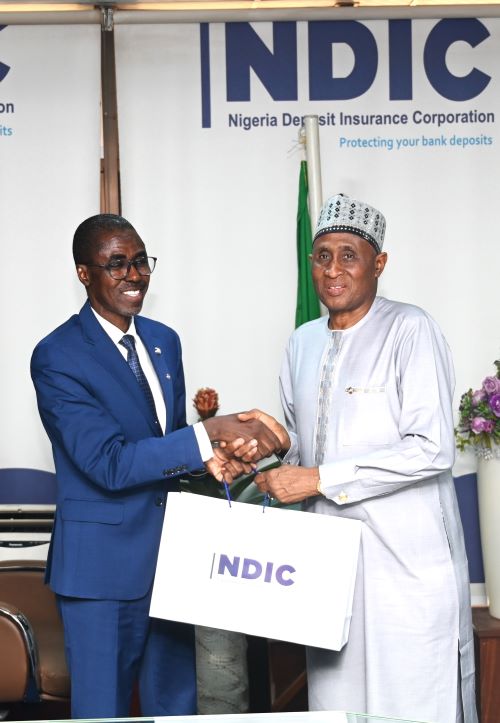
In response to concerns raised by depositors of the defunct Heritage Bank whose balances exceed the maximum deposit insurance limit of N5 million, the Nigeria Deposit Insurance Corporation (NDIC) wishes to clarify that the Corporation has intensified efforts to ensure timely payments.

Following the revocation of Heritage Bank’s banking license by the Central Bank of Nigeria (CBN) on June 3, 2024, the NDIC was appointed as the liquidator in accordance with Section 12(2) of the Banks and Other Financial Institutions Act (BOFIA) 2020 and Section 55(1 & 2) of the NDIC Act 2023.

In line with its statutory mandate, the Corporation immediately commenced the bank’s liquidation process, including the verification and payment of insured deposits to all depositors.

Significant progress has been made in reimbursing the insured deposits of the N5 million maximum per depositor. It is instructive to state that, depositors yet to be paid their insured deposits are largely those without Bank Verification Number (BVN) or alternate accounts in other banks to enable the Corporation fetch the accounts from the Nigeria Inter-Bank Settlement System (NIBSS) database to effect payment. Other depositors in this category are those with post no debit (PND) restrictions on their accounts. Additionally, some accounts have Know Your Customer (KYC) limitations such as Tier 1 accounts that places restrictions on the maximum lodgment of funds, while others have name mismatches that require resolution.

Some depositors who have been paid may also be unaware that they have received payments due to lack of mobile phone transaction alerts on their alternate accounts into which the insured sums were paid by the NDIC.

Therefore, depositors are advised to check their alternate bank accounts, as some payments may have been processed without their immediate awareness.


Commencement of Payment to Uninsured Depositors

While depositors with balances above N5 million have been paid the initial insured sums of the N5 million, the remaining balance in excess of the insured sum of the N5 million already reimbursed, will be paid as liquidation dividends in accordance with the Corporation’s statutory mandate.

The NDIC has made substantial progress in disposing the physical assets and recovering some of the debts of the failed bank to ensure that depositors with balances above the maximum insured limit receive their payments as soon as possible.

As a clear demonstration of this commitment, the Corporation commenced the realization of physical assets and investments as well as aggressive recovery of the risk assets, concurrently with the verification and payment of insured sums. To ensure transparency and compliance with legal requirements, the NDIC has widely advertised the asset disposal process on its official website, social media platforms, and major national newspapers, as well as through radio and television announcements.

The Corporation’s approach of simultaneously paying insured depositors while aggressively pursuing asset sales and debt recovery is designed to accelerate the liquidation process and ensure that all depositors receive their funds without unnecessary delays.

With the considerable progress recorded in the asset realisation, the Corporation will declare the first tranche of liquidation dividends in April 2025 which will be paid to uninsured depositors on a pro-rata basis, in line with Section 72 of the NDIC Act 2023 on the priority of claims.

For clarity, the referenced section states that: “Where an insured institution is unable to meet its obligations or suspends payment, or where its management and control have been taken over by the Central Bank of Nigeria following the revocation of its license, the assets of the insured institution shall be available to meet its deposit liabilities. Such deposit liabilities shall have priority over all other liabilities of the insured institution.

Consequently, other claimants of the failed Heritage Bank, including creditors, and shareholders, will be considered for payment of liquidation dividends only after all depositors have been fully reimbursed.


The NDIC wishes to reiterate its commitment to the safety of depositors’ funds in all licensed banks. Members of the public are enjoined to continue their banking activities without fear, as all other banks remain safe and sound.

Bayo Adeyinka Secures Freedom for 8 Inmates, Donates Medical Supplies to Mark 50th Birthday

0

Fourth from left, Deputy Controller of Corrections (DCC) in charge of the Medium Security Custodial Centre in Ikoyi, Julius Ogueri; fifth from left, Author, Banker, and Pastor, Bayo Adeyinka (@Greaterbayo); flanked by family, friends and officers of the custodial center during a prison outreach facilitated by Adeyinka in commemoration of his 50th birthday recently.

In a remarkable act of compassion, eight inmates at the Ikoyi Correctional Center, Lagos, regained their freedom after author, banker, and pastor, Bayo Adeyinka paid their fines as part of a prison outreach to commemorate his 50th birthday.

At a brief event held at the correctional center’s catholic chapel on Saturday, 29 March 2024, Adeyinka, popularly known as “Greater Bayo” online told a crowd of inmates, Nigerian Correctional Services (NCS) officials, friends and family that the outreach was borne out of the need to facilitate freedom of inmates in line with biblical injunctions.

“According to the bible, every 50th year is known as the “Year of Jubilee” which means freedom. It is therefore my honour to be able to facilitate the freedom of eight of our brothers here today through the payment of fines in commemoration of my 50th birthday anniversary. I recently launched two books and I pledged that all the proceeds from the book sales as well as gifts and donations at my birthday celebration will go towards this project”, explained Bayo Adeyinka who goes by the name Greater Bayo on online media platforms.

Beyond securing the inmates’ release, Adeyinka donated essential medical supplies—including antibiotics, anti-malarial drugs, painkillers, blood boosters, and syringes—to the facility’s clinic. He also provided sanitary pads for 268 female inmates at the Kirikiri Female Correctional Centre, ensuring they had enough supplies for the rest of the year.

The gesture drew heartfelt gratitude from both inmates and correctional officers. Before departing, Adeyinka urged the freed individuals to avoid crime and “pay the kindness forward.” He also gave each of them ₦20,000 to cover transportation costs as they returned home.

The outreach underscores Adeyinka’s commitment to social impact, blending faith, philanthropy, and practical support to uplift those in need.


Fidelity Bank Records 210.0% Growth in PBT to N385.2bn in 2024

0

Leading financial institution, Fidelity Bank Plc released its 2024 full-year Audited Financial Statements, reporting a 210% growth in Profit Before Tax to N385.2 billion.

According to the Bank’s results released on the Nigerian Exchange (NGX) on Friday, 28 March 2025, Gross Earnings increased by 87.7% to N1,043.4bn, driven by 106.9% growth in interest and similar income to N950.6bn. The increase in Interest Income was led by a combination of improved yield on earnings assets and 51.6% expansion in earnings base to N6.3tn. This led to a Profit After Tax of N278.1 billion, representing a 179.6% annual growth.

Commenting on the results, Dr. Nneka Onyeali-Ikpe, Managing Director/Chief Executive Officer, Fidelity Bank Plc said:

“We are delighted with our 2024 full-year (FY) performance, which showed strong growth across key revenue lines, improved asset quality, and significant traction in our strategic business segments. Our impressive results led to a triple-digit increase (210.0%) in Profit Before Tax (PBT), rising from N124.3bn in 2023 to N385.2bn in 2024.”

A further review of the financial performance revealed that the bank’s net interest income increased by 127.1% to N629.8 billion, driven by a high-yield environment in 2024. To optimize its margin, the bank sustained its asset yields above funding cost by maintaining a high low-cost deposit profile at 92.6%. This led to an increase in its Net Interest Margin from 8.1% in 2023 FY to 12.0%.

Similarly, the bank continued to deepen its market share in both the corporate and retail segments, with customer deposits increasing by 47.9% from N4.0trn in 2023FY to N5.9trn. The increase was driven by strong double-digit growth across all deposit types. The Retail Banking Business gained significant traction with savings deposits increasing by 28.8% to N1.1trn, marking the 10th consecutive year of double-digit annual growth in savings deposits.

Despite the difficult economic terrain in 2024, the bank has continued to support the real sector of the economy by increasing its Net Loans & Advances from N3.1tn in 2023FY to N4.4tn in 2024FY.

“This remarkable performance demonstrates our capacity to deliver superior returns to our shareholders. In line with our commitment to them, we have declared a final dividend of N1.25 per share, bringing our total dividend for the 2024 financial year to N2.10 per share”, explained Onyeali-Ikpe.

Having consistently paid dividends since 2006, Fidelity Bank will pay investors a total dividend of N2.10 per share for the 2024 financial year, subject to shareholders’ approval at its Annual General Meeting (AGM) on 29 April 2024. The dividend will be paid on 29 April 2025 to shareholders whose names appear on the register of members as of 15 April 2025.

It will be recalled that the bank successfully completed the first phase of its capital raising exercise through a Public Offer and Rights Issue in 2024, which were oversubscribed by 237.92% and 137.73%, respectively.

The positive result is a testament to the strength of the Bank’s franchise in the capital market. A total of N175.9bn was recognised as fresh capital in 2024 financial year from the exercise, which had a positive impact on its Capital Adequacy Ratio (CAR) at 23.5%.

The bank plans to conclude the second phase by Q3 2025, ahead of the Central Bank of Nigeria’s deadline, which will further strengthen its capital base and reaffirm its attainment of Tier 1 Bank status in the Nigerian Banking Industry.

Fidelity Bank Plc is a full-fledged commercial bank with over 9.1 million customers who are serviced across its 251 business offices and various digital banking channels in Nigeria and the United Kingdom.

The Bank is the recipient of multiple local and international Awards, including the 2024 Excellence in Digital Transformation & MSME Banking Award by BusinessDay Banks and Financial Institutions (BAFI) Awards; the 2024 Most Innovative Mobile Banking Application award for its Fidelity Mobile App by Global Business Outlook, and the 2024 Most Innovative Investment Banking Service Provider award by Global Brands Magazine.

Additionally, the Bank was recognized as the Best Bank for SMEs in Nigeria by the Euromoney Awards for Excellence and as the Export Financing Bank of the Year by the BusinessDay Banks and Financial Institutions (BAFI) Awards.


Veritas Kapital Assurance Champions Health Awareness Walk for Prostate, Breast Cancer, Erectile Dysfunction

0

Veritas Kapital Assurance Plc, in collaboration with Waka Community International Foundation, Q-Life Family Clinic, and Health Emergency Initiative, successfully hosted a health awareness road walk in Lagos on March 29, 2025.

The initiative was dedicated to raising awareness about prostate health, breast cancer, and erectile dysfunction, in honour of the esteemed Dr. Adetokunbo Alakija.

With over 500 enthusiastic participants, the walk commenced at 7:30 AM from the Catholic Church of Divine Mercy, Lekki Phase 1. The route covered key areas, including Admiralty Way, Ikoyi Link Bridge, and Bordelon Road, before returning to the starting point.

Arinze Adigwe, Head of Marketing and Corporate Communications at Veritas Kapital Assurance Plc, reaffirmed the company’s commitment to corporate social responsibility (CSR). He expressed gratitude to the organisers for creating such a meaningful event and emphasized the importance of proactive health management. He also highlighted the role of insurance in ensuring individuals and families are protected against unforeseen health challenges.

Mr. Lawrence Mba, Founder of Waka Community International Foundation, applauded Veritas Kapital Assurance Plc for its unwavering support and belief in the initiative.

He extended special recognition to Dr. Adaobi Nwakuche, MD/CEO of Veritas Kapital Assurance Plc, for her leadership and dedication to the cause. Additionally, he appreciated all partners and supporters for their contributions toward making the event a success.

Veritas Kapital Assurance Plc remains committed to fostering a culture of health consciousness and lifestyle protection.

Through strategic partnerships and impactful initiatives, the company continues to champion the importance of well-being and financial security for all.

Leadway Pensure Advocates Additional Voluntary Contributions for Future-Proof Financial Security

0

Leadway Pensure, a leading Pension Fund Administrator (PFA) in Nigeria, has reiterated its commitment to securing the financial future of Nigerians by highlighting the benefits of Additional Voluntary Contributions (AVC). This was emphasised during an interactive webinar hosted by the company, “Beyond the Paycheck: Winning Strategies to Boost Your Retirement Savings.”

The session provided participants with practical insights, guidance, and real-time strategies for optimising retirement savings.

The webinar featured two pension experts: Peter Mould, Head of Business Development and Partnerships, and Gloria Daniels, Head of Customer Relationship Management, both of Leadway Pensure PFA. They demystified AVC and provided actionable steps to help Nigerians build a stronger retirement fund.

Speaking on the importance of financial stability in retirement, Peter Mould emphasised the advantages of AVC as an essential strategy for achieving long-term security. He stated: “Retirement planning goes beyond setting aside a portion of your paycheck. It involves creating a well-structured strategy that ensures financial stability and peace of mind in your golden years. AVC allow individuals to contribute extra funds to their Retirement Savings Account (RSA), helping them build a stronger financial future.”

He further highlighted that AVC is accessible to everyone, regardless of income level. “AVC is not just for high-income earners; it is for anyone who wants to take control of their financial future. Whether you’re a young professional just starting out or a business owner planning ahead, AVC can help you reach your retirement goals faster.”

Gloria Daniels, on the other hand, provided a step-by-step guide on initiating AVC, emphasising the flexibility and ease of the process.

She explained: “Starting your voluntary contributions is simple. You can either increase your monthly contributions or make lump-sum payments. The key is to take the first step and commit to securing a better future for yourself.”

She also introduced SureCal, Leadway Pensure’s financial planning tool, which helps users calculate their retirement savings needs. “SureCal is an intuitive financial dashboard that enables individuals to take control of their retirement future. It provides clarity on how much they need to save to achieve their retirement goals.”

She ended the session by encouraging employers and HR professionals to actively promote AVC among their employees.

“Business owners and HR professionals play a critical role in fostering financial security among employees. By educating their workforce about the benefits of AVC, they not only help employees secure their future but also encourage a culture of financial responsibility”, she added.

The webinar also addressed common concerns, such as what happens to AVC when changing jobs or relocating and the importance of staying informed about PENCOM’s latest regulations. The session concluded with a call to action for participants to take proactive steps toward securing their retirement.


About Leadway Pensure

Leadway Pensure is a top-tier Pension Fund Administrator (PFA) in Nigeria. It is dedicated to providing innovative pension solutions that empower individuals to secure their financial future.

With a customer-centric approach and a suite of digital tools, Leadway Pensure remains at the forefront of retirement planning and wealth management in Nigeria.


Kano Residents Benefit from Fidelity Food Bank Initiative

0

Over 1,500 residents have benefited from a Fidelity Food Bank outreach in Kabuga community, Dala Local Government Area of Kano State.

The Corporate Social Responsibility (CSR) initiative, executed in partnership with Misnoory Foundation, saw staff of the bank distribute essential food items to support people during the holy month of Ramadan.

Commenting on the distribution event, Divisional Head, Brands and Communications, Fidelity Bank Plc, Dr. Meksley Nwagboh, emphasized the bank’s dedication to supporting its host communities through impactful projects.

“Social responsibility is at the heart of who we are as a bank. Our Fidelity Food Bank initiative is one of the ways we drive social welfare in our host communities. The initiative was launched to support the vulnerable and alleviate the impact of hunger in the society as part of our contribution to Sustainable Development Goal 2, which aims to achieve zero hunger.

“Consequently, we have distributed more than 150,000 food packs at outreach events like this across the country since April 2023 when we launched the initiative. Our outreach in Kabuga is designed to support women, widows, children and the community with food items for the Ramadan season.”

On her part, the Founder, Misnoory Foundation, Maryam Isa Inuwa stated that, “The commitment of the foundation towards poverty alleviation and various humanitarian support to society’s most vulnerable members perfectly aligns with the Fidelity Bank initiative.

“Fidelity Bank is one of the major sponsors of our humanitarian outreaches to the needy in the society. The foundation is delighted to count on the bank as a long-standing partner.

“We seek to touch the lives of many people in need through our various humanitarian efforts across different communities and today, it is the turn of Kabuga community to benefit from the Fidelity Food Bank program.”

Ranked among the best banks in Nigeria, Fidelity Bank Plc is a full-fledged Commercial Deposit Money Bank serving over 8.5 million customers through digital banking channels, its 255 business offices in Nigeria and United Kingdom subsidiary, FidBank UK Limited.

The Bank is the recipient of multiple local and international Awards, including the Export Finance Bank of the Year at the 2023 BusinessDay Awards; the Banks and Other Financial Institutions (BAFI) Awards; Best Payment Solution Provider Nigeria 2023; and Best SME Bank Nigeria 2022 by the Global Banking and Finance Awards.

It was also recognised as the Best Bank for SMEs in Nigeria by the Euromoney Awards for Excellence 2023 and the Best Domestic Private Bank in Nigeria by the Euromoney Global Private Banking Awards 2023.


We Need More than CNII Order to Secure Telecom Investments – Experts

0

L-R: Associate Director, Government Relations, IHS Nigeria, Bond Abbe; Co-founder, Infratel Africa, Dr. Tola Yusuf; Group Chief Operating Officer, WTES Projects Limited, Chidi Ajuzie; President, Association of Telecommunications Companies of Nigeria (ATCON), Tony Emoekpere; National Chairman, Association of Licensed Telecom Operators of Nigeria (ALTON); Engr. Gbenga Adebayo; and Convener, Policy Implementation Assisted Forum (PIAFo), Omobayo Azeez at the seventh edition of PIAFo on Critical National Information Infrastructure (CNII) Order Implementation held on Thursday in Lagos.

Industry leaders have identified important measures to secure telecommunications infrastructures in the country and ensure that investments in the telecoms space are protected.

They argued that as much as the effective implementation of the Executive Order on the Designation and Protection of Critical National Information Infrastructure (CNII) is important, the Order cannot solely guarantee infrastructure safety except certain internal and standardisation issues are first resolved by operators.

Speaking at the 7th Policy Implementation Assisted Forum (PIAFo) Summit on CNII implementation held Thursday in Lagos, the industry leaders highlighted pressing issues such as infrastructure vandalism, unauthorised installations, and cable theft, while proposing actionable solutions to safeguard the country’s critical national infrastructure.

Gbenga Adebayo, Chairman of the Association of Licensed Telecommunications Operators of Nigeria (ALTON), stressed the importance of proper infrastructure maintenance and installation to prevent vandalism and theft.

He highlighted the widespread issue of stolen manhole covers and poles, attributing the problem to poor maintenance practices. “When properly installed, these components are difficult to remove. However, due to negligence, they are often left unsecured, making them easy targets for theft,” he said.

Adebayo also pointed out that community resistance to infrastructure projects has significantly hindered progress. He recounted instances where local communities prevented trucks from accessing sites due to previous unaddressed damages caused by contractors.

“A diesel supplier was blocked from entering an estate because a previous contractor had damaged their property and failed to make repairs. This lack of accountability breeds distrust and delays crucial projects,” he explained.

He urged stakeholders to foster better relationships with communities to prevent such conflicts.

Another critical issue Adebayo identified was the unauthorised installation of infrastructure without government approval, leading to inadvertent damage during road construction projects.

“Government agencies often damage unregistered infrastructure simply because they were not documented in official records. Proper approvals and collaboration with authorities will ensure accountability and protection of critical infrastructure,” he noted.

He called for improved industry coordination to resolve these challenges internally before seeking external solutions that are promised by the CNII provisions.

Echoing these concerns, Tony Emoekpere, President of the Association of Telecommunications Companies of Nigeria (ATCON), emphasised the need for standardisation and better coordination among stakeholders.

He pointed out that Nigeria’s infrastructure challenges go beyond technical issues, extending into environmental and moral concerns.

“We are dealing with a moral challenge. An engineer who switched from diesel to gas generators encountered a new problem—workers began stealing engine oil instead, as they could no longer siphon diesel. These issues require both technical and ethical solutions,” he explained.

Emoekpere argued that standardisation is the key to long-term sustainability. “If infrastructure is deployed in a suboptimal manner, failure is inevitable. We need to establish proper standards that all stakeholders—government, private sector, and the public—can align with,” he stated.

He also emphasized that Nigeria has strong policies, such as local content policies, but implementation remains a major challenge. “We must move beyond discussions and focus on actionable steps, follow-ups, and policy enforcement,” he added.

The importance of addressing cable theft and vandalism was further stressed by Wale Owoeye, CEO of Cedarview Communications Limited.

He described the alarming frequency of cable cuts, which disrupt network operations and drive-up maintenance costs.

“Cable theft is a serious issue. Airtel representatives told me they experience a cable cut every six minutes. The assumption that all black cables contain valuable copper leads to reckless vandalism,” he explained.

To combat this growing problem, Owoeye proposed three key approaches, including reorientation, enforcement, and proactive measures.

“We need to engage local communities in their native languages, educating them on the consequences of vandalism. Strict legal penalties, including long-term imprisonment, should be enforced to deter offenders,” he said.

He also emphasised the need for preventive strategies rather than reactive responses. “Prevention is always more effective and cost-efficient than restoration,” he noted.

As a proactive measure, Owoeye proposed the creation of a dedicated fund to support advocacy and awareness campaigns across Nigeria. To demonstrate his commitment, he pledged to contribute N500,000 quarterly as a seed fund and encouraged other industry players to follow suit.

“This is like planting a seed. With collective effort, we can grow it into a sustainable solution for protecting Nigeria’s telecom infrastructure,” he said.

The speakers collectively emphasised that addressing these challenges requires collaboration among industry players, government agencies, and local communities.

They called for a concerted effort to enforce policies, engage stakeholders, and implement practical solutions that will ensure the long-term sustainability of Nigeria’s telecommunication infrastructure.

PenCom: States Should Implement CPS for Pension-secure Nigeria

0

The National Pension Commission (PenCom) has called on all states and local governments to implement the Contributory Pension Scheme (CPS) for a pension-secure Nigeria.

The Pension Reform Act (PRA) 2014, in Section 2(1), stipulates that the CPS applies to all public sector employees across the Federation, including the Federal Capital Territory, states, and local governments, as well as the private sector.

However, in line with the 1999 Constitution of the Federal Republic of Nigeria (as amended), state governments have the constitutional right to legislate on pension matters within their jurisdictions. As such, state governments are required to domesticate the CPS by enacting appropriate pension laws within their states.

In August 2006, the National Council of States adopted the CPS for all states and local governments. To support this adoption, PenCom developed a Model State Pension Law, enabling state governments to modify it according to their unique needs. PenCom reviews draft state pension laws and guides states throughout the implementation process.

So far, many states are yet to implement the CPS. For a state to implement the CPS in full, the state is required to enact a law on CPS, establish a Pension Bureau, register its employees with Pension Fund Administrators (PFAs) and commence remittance of pension contributions.

The state is also required to carry out Actuarial Valuation, commence funding of Accrued Pension Rights, procure Group Life Insurance for its employees, and open and fund a Retirement Benefits Bond Redemption Fund Account with the Central Bank of Nigeria (CBN) or PFA.

PenCom commends the following states for their exemplary implementation of the CPS as at 31 December 2024: Lagos, Federal Capital Territory (FCT), Osun, Kaduna, Ekiti, Edo, Ondo, Delta, Benue, Anambra, and Jigawa.

These states have set the benchmark for sustainable pension administration by ensuring that retirees receive their entitlements promptly. They are consistently remitting both employer and employee pension contributions under the CPS. Meanwhile, Jigawa State remits contributions under the Contributory Defined Benefits Scheme (CDBS).

Several states have enacted laws to adopt the CPS but have not yet made significant strides towards implementation. These states include Abia, Adamawa, Bauchi, Bayelsa, Ebonyi, Enugu, Gombe, Imo, Kano, Katsina, Kebbi, Kogi, Nasarawa, Niger, Ogun, Oyo, Rivers, Sokoto, Taraba, and Zamfara. PenCom urges these states to accelerate their efforts toward full implementation of the CPS. This includes the timely remittance of both employer and employee pension contributions. By taking decisive action, these states can align with the pacesetters in ensuring a secure and sustainable retirement scheme for their workforce.

However, PenCom observes that the following states have yet to commence implementation of the CPS: Akwa Ibom, Borno, Kwara, Plateau, Cross River, and Yobe. PenCom strongly encourages these states to expedite the enactment of their CPS laws and take immediate steps toward full implementation to ensure a secure and sustainable pension system for their workforce.

The transition from the Defined Benefits Scheme (DBS) to the CPS at the state and local government levels is both a significant and inevitable step. Even states that have not transitioned will ultimately need to adopt the CPS. The scheme is designed to ensure that all retirees receive their benefits in a timely manner, providing a sustainable and secure retirement for all public sector employees.

The CPS offers a long-term solution to the pension liabilities that many states currently face. By failing to address pension arrears, states are inadvertently creating a financial burden for future generations, as these liabilities will continue to grow. Adopting the CPS now will help states avoid these escalating costs and provide a more secure financial future for both retirees and taxpayers.

Moreover, the CPS ensures fiscal discipline by accurately determining and systematically settling pension obligations while also making funds available at the point of retirement for the prompt payment of benefits. This prevents the accumulation of pension arrears, contributing to the financial stability of the public sector.

PenCom remains steadfast in its commitment to driving nationwide compliance with the CPS. The Commission will continue to engage with non-compliant states, providing necessary guidance, advisory support, and technical expertise to facilitate their transition.

A pension-secure Nigeria is not just a vision but an achievable reality. However, this can only be realised when all states demonstrate commitment by fully embracing the CPS. PenCom remains fully committed to the effective regulation and supervision of the pension industry.

Fidelity Bank Equips Entrepreneurs for Global Trade Success with EMP 18

0

L-R: Prof Frank Ojadi, Director, Export Management Program, Lagos Business School; Stella Nwuke, Team Member, Export & Agriculture Division, Fidelity Bank Plc; Emem Bassy, Managing Partner, Peony Dynamic Resource Limited; and Emmanuel Nwalor, Team Lead, Export & Agriculture Division, Fidelity Bank Plc; at the closing ceremony of the 18th edition of the Fidelity Bank Export Management Programme (EMP 18) held at the Lagos Business School recently.

Tier-one lender, Fidelity Bank Plc, has once again highlighted the importance of promoting non-oil exports as it recently hosted the 18th edition of its dedicated capacity development training tagged Export Management Programme (EMP 18).

The programme, which was held recently in Lagos provided a platform for entrepreneurs interested in exploring global trade opportunities to scale and acquire relevant expertise.

Hosted in partnership with the Lagos Business School (LBS), the 5-day intensive program focused on equipping entrepreneurs with the skills and knowledge needed to explore international market opportunities and strengthen their capacity to thrive in the export sector.

“At Fidelity Bank, our strategy to enhance non-oil exports is guided by the significant opportunities it offers to our customers and the national economy. This is why we offer a comprehensive suite of financial, advisory, and market-access solutions for businesses aiming to engage in international trade.

“Our market-access initiative, EMP, launched in 2016, has trained over 1,600 entrepreneurs. Today, we completed the 18th cohort with high-caliber participants and a 150% oversubscription. This indicates a promising future for Nigeria’s non-oil exports,” explained Isaiah Ndukwe, Divisional Head of Export and Agriculture at Fidelity Bank Plc.

Facilitated by key industry experts in the exports space, EMP 18 took participants through several sessions focused on critical areas in global trade such as Export Finance Instruments, Export Documentation, Accessibility of Export Markets, amongst others.

A key feature of the training was a facility tour of one of Nigeria’s busiest Export Processing Terminals (EPT) located in Ikorodu, Lagos State. The full-day visit, which was anchored by officials of the Nigerian Customs Service (NCS), gave participants a first-hand feel of the necessary procedure and requirements for securing regulatory approval for exporting from Nigeria.

One of the program participants, Patrick Ulayi Awu-Patricks, Managing Director/Chief Executive Officer, Alliance & Frontier Limited, commended Fidelity Bank for its leadership in deploying capacity-building initiatives in the non-oil exports sector.

In a discussion with journalists, he stated that EMP 18 provided invaluable exposure to the opportunities in the export business noting that, “there are lots of non-oil exports opportunities and entrepreneurs must be able to identify and capitalise on these to be able to play effectively in the international trade space. This course has given me insights into the power of data which is essential for strategic decision-making.”

Ranked among the best banks in Nigeria, Fidelity Bank Plc is a full-fledged Commercial Deposit Money Bank serving over 8.5 million customers through digital banking channels, its 255 business offices in Nigeria and United Kingdom subsidiary, FidBank UK Limited.

The Bank is the recipient of multiple local and international Awards, including the Export Finance Bank of the Year at the 2023 BusinessDay Awards; the Banks and Other Financial Institutions (BAFI) Awards; Best Payment Solution Provider Nigeria 2023; and Best SME Bank Nigeria 2022 by the Global Banking and Finance Awards.

It was also recognised as the Best Bank for SMEs in Nigeria by the Euromoney Awards for Excellence 2023 and the Best Domestic Private Bank in Nigeria by the Euromoney Global Private Banking Awards 2023.


NGX Group, CBN, MinieMoney Equips 200 Students with Financial Literacy During Global Money Week

0

Nigerian Exchange Group (NGX Group), in collaboration with the Central Bank of Nigeria (CBN) and MinieMoney, empowered over 200 students with essential financial literacy skills as part of the 2025 Global Money Week celebration.

This initiative underscores a shared commitment to fostering financial inclusion and equipping young Nigerians with the knowledge required for long-term financial well-being.

The event convened students from leading schools, including Vivian Fowler Memorial College for Girls, Dansol High School, Kith and Kin Educational Schools, Caleb British International School, Lagos Preparatory and Secondary School, and The Bells Comprehensive Secondary School. Participants engaged in insightful discussions on financial literacy, investment strategies, and capital market operations, with the added opportunity to experience firsthand the dynamics of the NGX trading floor.

Now in its 13th edition, Global Money Week is a global initiative designed to promote financial education among young people, ensuring they develop the critical thinking skills needed to make informed financial decisions. The 2025 theme, “Think Before You Follow, Wise Money Tomorrow,” reinforces the importance of strategic financial planning from an early age.

Speaking at the event, Mr. Abimbola Babalola, Head of Trading and Products at NGX, highlighted the transformative power of financial literacy in shaping students’ futures. “The financial choices you make today will determine the quality of your life tomorrow. Understanding saving, investing, and responsible money management early on will put you on the path to financial success,” he stated.

Christian Mordi, Assistant Director of the Consumer Protection Department at CBN, introduced the CBN’s ‘Sabi Money’ platform, designed to enhance financial education nationwide. “Financial literacy extends beyond numbers; it is about developing discipline, patience, and informed decision-making skills that foster economic security,” he noted.

Gbolahan Faniran, CEO of MinieMoney, emphasized the importance of early investment habits and leveraging the power of compound interest. “Achieving financial success is not about following trends but about making intentional money choices today that ensure a secure future,” he said.

Beyond this event, NGX Group continues to champion financial literacy through strategic initiatives, including its X-Academy, which provides tailored financial education programs, and the NGX StockTown, a comic book series designed to educate young people through engaging storytelling.

Through partnerships like these, NGX Group remain steadfast in its commitment to raising a generation of financially literate and empowered individuals. By equipping students with essential financial knowledge today, the initiative lays the foundation for informed decision-making and long-term wealth creation, ensuring a more financially inclusive future.