Tuesday, February 3, 2026
32 C
Lagos
Home Blog Page 21

Sovereign Trust Insurance Wins Enactus Catalyst Award

0

From L-R: Victor Akinfala, Head Partnerships & Special Projects, Enactus Nigeria, Kayode Adigun, Executive Director, Finance & Corporate Services, Sovereign Trust Insurance Plc, Ugochi Odemelam, Executive Director, Marketing & Business Development, Sovereign Trust Insurance Plc, Micheal Ajayi, Country Director, Enactus Nigeria, Segun Bankole, DGM/Head, Corporate Communications & Investor Relations, Sovereign Trust Insurance Plc and Baribafe Aloega, Programs Officer, Enactus Nigeria at the presentation of the Catalyst Award to Sovereign Trust Insurance Plc in recognition of the company’s invaluable support for the Enactus Programs in Nigeria over the years.

Enactus Nigeria turned 25 years in 2025.  

Sovereign Trust Insurance Plc recently received the Enactus Catalyst Award for being a great supporter of both Enactus Nigeria and the global platform over the years.

Enactus’ global network drives their impact and it is a network of 33 independent offices that provide curricular innovations, student team support and funding for participating countries. Enactus is also a network of leaders committed to using business as a catalyst for positive social and environmental impact.

The organisation invests in students who take entrepreneurial action for others in the society with the aim of creating a better world for everyone.

SEC DG: Commission Considering Gradual Implementation of ISSB Standards

0

The Director General of the Securities and Exchange Commission (SEC), Dr. Emomotimi Agama, has disclosed that the Commission is considering a gradual implementation of the global sustainability disclosure standards developed by the International Organisation of Securities Commissions (IOSCO).

Agama, who spoke at an investors’ roundtable on the International Sustainability Standards Board (ISSB) over the weekend, explained that Nigeria, having participated in the taskforce that developed the standards, would continue to support the four pillars on which they were built.

He noted that Nigeria, with its vast natural resources and growing population, “is particularly vulnerable to climate change and is simultaneously pursuing an ambitious sustainable finance agenda.”

While commending the ISSB framework, Agama stressed that Nigeria would not simply “copy and paste” the standards, but would adopt a carefully tailored approach.

“This means: capacity building—working with issuers, auditors, and preparers to ensure they understand and are ready for the new requirements; phased implementation—considering a graduated approach, perhaps beginning with larger, listed entities before expanding to others; assurance framework—developing a robust system for the verification of disclosures to guarantee their credibility; and alignment with local realities—ensuring the global baseline is applied in a way that is appropriate and proportional for our market, while maintaining the core goal of global comparability,” he explained.

Agama added that the Commission opted for this method “because we believe that embracing this global baseline will enhance the attractiveness of the Nigerian capital market. It signals to international investors that we are serious about transparency, governance, and managing long-term risk. It has transformed the ISSB from a promising new initiative into the definitive global framework for sustainability disclosures.”

According to him, “the case for adoption is clear: for global comparability, for investor trust, for managing systemic risk, and for reducing complexity. This is no longer a question of if, but of how and when. The journey to a sustainable global economy requires a common language. The ISSB has provided that lexicon. IOSCO has called us to speak about it. At SEC Nigeria, we have answered that call.”

He reaffirmed the Commission’s commitment to working with stakeholders domestically and across the IOSCO network to implement the standards effectively.

“The global perspective is one of unity and decisive action. By adopting the ISSB standards, we are not just complying with a global trend; we are actively building a more stable, transparent, and sustainable financial future for Nigeria, for Africa, and for the world,” he said.


Universal Insurance MD/CEO, Jeff Duru, Bags CIBN Associate Membership

0


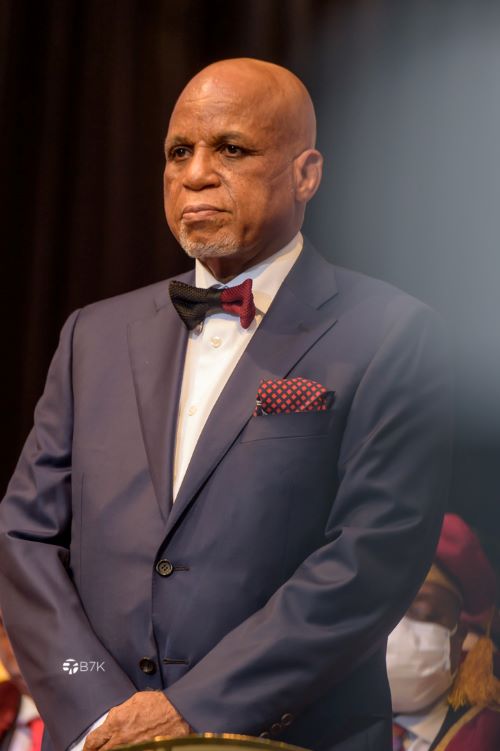
Dr. Jeff Duru

Managing Director/CEO

Universal Insurance Plc

The Managing Director/CEO of Universal Insurance Plc, Dr. Jeff Duru has been inducted as an Associate member of the Chartered Institute of Bankers of Nigeria (CIBN).

The event, which took place recently in Lagos had 1,242 new members inducted into its ranks of Chartered Bankers and Microfinance Certified Professionals at the 2025 Stream II induction ceremony in Lagos.

The theme of this year’s induction is “The Smart Banker’s Compass: Innovate, Adapt and Solve Like a Pro”, was described as a celebration of excellence, perseverance, and professional growth in Nigeria’s banking sector.

Prof. Pius Olanrewaju, President and Chairman of Council of CIBN, in his welcome address, said the inductees had demonstrated discipline, commitment and resilience in meeting the rigorous standards of the profession.

“True innovation extends far beyond digital tools. It is a transformative mindset that must permeate everything, from product design and process optimisation to how we build and sustain stakeholder trust,” he said.

The CIBN president urged the new members to be exemplary professionals who will drive the future of banking and finance in Nigeria and beyond.

Commenting on his induction into the prestigious institute, Dr. Jeff said: “I am happy to be inducted as an Associate member of the Chartered Institute of Bankers of Nigeria (CIBN). As an insurance expert, I gained a lot from the program. With my PhD in Finance and PhD in Business Administration with concentration on Insurance, coupled with my Fellow of the Chartered Insurance Institute of Nigeria (CIIN) and Associate of the CIBN, I am now a complete financial expert. The syllabus was rich in financial and risk management. It has broadened my horizon and given me that experience.”

Sterling One Foundation CEO, Olapeju Ibekwe, Joins Board of UN Global Compact Network Nigeria Ahead of UNGA 80

0


Olapeju Ibekwe, Chief Executive Officer of Sterling One Foundation, has been appointed to the Board of the United Nations Global Compact Network Nigeria (UNGCNN), a move that underscores her contributions in shaping Africa’s sustainable development agenda.

The announcement, made via UN Global Compact Network Nigeria’s official channels, comes ahead of the 80th United Nations General Assembly, where Olapeju Ibekwe is expected to engage with leaders from the government, private sector, and civil society to further help forge more effective partnerships that accelerate Africa’s progress towards Agenda 2030.

The appointment, highlights Olapeju Ibekwe’s track record in advancing sustainable solutions across education, health access, and women and youth empowerment. Under her leadership, Sterling One Foundation has built global affiliations and local impact, reaching thousands of beneficiaries while influencing policy and partnerships across Africa.

Experts note that the appointment comes at a critical time. With only 15% of the Sustainable Development Goals (SDGs) on track globally, Africa faces a $200 billion annual financing gap. The challenges extend beyond funding — requiring political will, intentional private sector engagements, courage to execute decisions, and effective cross-sector collaboration.

Commenting on the appointment, she described it as an opportunity to further strengthen the localisation of the SDGs, a cause she has championed through the Sterling One Foundation.

The development also strengthens ties to the UN Global Compact Principles, as well as the African Union’s Women and Youth Financial and Economic Inclusion (WYFEI) 2030 initiative — both of which emphasize inclusive growth and responsible private sector engagement.

Observers say the appointment underscores the importance of convenings like the Africa Social Impact Summit (ASIS), where Olapeju Ibekwe plays a central role in mobilizing governments, businesses, and civil society to forge partnerships that unlock Africa’s potential.

With this new role, Olapeju Ibekwe is poised to bring grassroots experience and continental insights into global conversations, reinforcing the view that Africa is not just a recipient of aid but a driver of innovation and solutions for sustainable development.

The UN Global Compact Network Nigeria is a local chapter of the world’s largest corporate sustainability initiative, mobilising businesses and organisations to align their strategies and operations with universal principles and to take action to advance the SDGs.

FNITCC Atlanta: Fidelity Bank to Spotlight Fintech’s Role in U.S. – Africa Trade

0


Tier-one lender Fidelity Bank Plc will host a high-profile panel session titled “Digital Railroads: Powering U.S.–Africa Commerce Through Fintech” at the upcoming Fidelity Nigeria International Trade and Creative Connect (FNITCC) in Atlanta, USA.

The session, scheduled for Friday, 19 September 2025, will explore how fintech is reshaping cross-border trade by enabling seamless payments, improving access to finance, and driving financial inclusion across Africa and the diaspora.

The panel will bring together some of the brightest minds in digital finance including: Aisha N. Ahmad, CFA, Former Deputy Governor, Central Bank of Nigeria; Seyi Ebenezer, Founder of Payaza Africa, and a seasoned fintech entrepreneur with over 15 years of experience scaling payment gateways across 20 African countries, Canada, the USA, and UAE; and  Charles Oligbo, Founder & CEO of Sawport, an AI-powered platform designed for real-time customer engagement in the diaspora and on the continent.

Speaking ahead of the session, Isaiah Ndukwe, Divisional Head, Agric. and Exports, Fidelity Bank Plc, highlighted fintech’s unique role in unlocking Africa’s trade potential:

“The African Continental Free Trade Area (AfCFTA) is projected to boost intra-African trade by more than 50% by 2030. But challenges like fragmented payment systems, currency conversion, and limited trade finance continue to hold businesses back.

“Fintechs are uniquely positioned to address these gaps—enabling real-time, low-cost cross-border payments, offering alternative financing for SMEs, creating digital identities for exporters, and facilitating diaspora remittances and investments. This is why we’re putting fintech at the heart of discussions at FNITCC Atlanta.”

Hosted in partnership with AFRICON—the premier global gathering of African innovators and changemakers—FNITCC Atlanta will run from 18 to 20 September 2025 at the Omni Atlanta Hotel at Centennial Park, Georgia, USA. The event is expected to attract over 3,000 participants, including investors, trade agencies, exporters, and diaspora professionals, with projected trade and investment deals of more than US$400 million.

Building on the success of previous editions in London (2022) and Houston (2023), this year’s conference underscores Fidelity Bank’s commitment to leveraging fintech as a catalyst for U.S.–Africa commerce, while creating new opportunities across commodities, technology, and the creative industries.

According to the African Development Bank, Africa’s fintech revenues are projected to hit US$30 billion by 2025—a clear sign that digital finance is not just powering transactions but also rewriting the future of trade.

Interested businesses and participants are encouraged to register for the conference at www.fidelitybank.ng/fnitcc.

About Fidelity Bank

Fidelity Bank Plc is a full-fledged commercial bank with over 9.1 million customers who are serviced across its 251 business offices and various digital banking channels in Nigeria and the United Kingdom.

The Bank is the recipient of multiple local and international Awards, including the 2024 Excellence in Digital Transformation & MSME Banking Award by BusinessDay Banks and Financial Institutions (BAFI) Awards; the 2024 Most Innovative Mobile Banking Application award for its Fidelity Mobile App by Global Business Outlook, and the 2024 Most Innovative Investment Banking Service Provider award by Global Brands Magazine.

Additionally, the Bank was recognized as the Best Bank for SMEs in Nigeria by the Euromoney Awards for Excellence and as the Export Financing Bank of the Year by the BusinessDay Banks and Financial Institutions (BAFI) Awards.


24th CRMI Int Confab: Shettima, Ugwuoke, Cardoso, Edun, Push for Home-Grown Risk Solutions

0

L-R: Registrar/CEO, Chartered Risk Management Institute of Nigeria (CRMI), Victor Olannye; Permanent Secretary, Special Duties, Federal Ministry of Finance, Raymond Omachi; Executive Director/Chief Risk Officer, Fidelity Bank Plc and President/Chairman of Council, CRMI, Kevin Ugwuoke; Technical Adviser to the President on Economic and Financial Inclusion, Nurudeen Abubakar Zauro; and Director, Risk Management, Central Bank of Nigeria (CBN), Blaise Ijebor; at the CRMI 24th Annual International Conference in Lagos recently.

Vice President Senator Kashim Shettima has called on the African Union (AU), African Development Bank (AfDB), and Afreximbank to support the efforts of the Chartered Risk Management Institute of Nigeria (CRMI) in tackling the growing wave of global risks confronting Africa.

Speaking at the 24th International Conference of CRMI in Lagos, the Vice President, represented by the Technical Adviser to the President on Economic and Financial Inclusion, Dr. Nurudeen Zauro, emphasized the need for strengthened continental collaboration in addressing risks ranging from climate change and cybersecurity to pandemics, terrorism, and disruptive technologies.

“For over two decades, the Institute has been a beacon of foresight, resilience, and preparedness,” Shettima said. “Risk management is not just a profession—it is a discipline of national importance. The establishment of the Federation of African Risk Management Association marks a historic milestone, positioning Africa to address risks on its own terms.”

The Vice President reaffirmed the Federal Government’s commitment to risk mitigation, noting ongoing initiatives such as #SheIsIncluded, launched in January 2025, to support Nigerian women’s inclusion and resilience in economic participation. He also stressed the importance of community-based early warning systems for floods and droughts, microinsurance schemes, and social protection for farmers as tools for building resilience and national prosperity.

Speaking at the conference themed, “Global Risks, Local Solutions,” the President/Chairman of CRMI’s Governing Council, Kelvin Ugwuoke, underscored the importance of adopting homegrown strategies in addressing global disruptions such as climate change, cyber threats, pandemics, food insecurity, and the implications of artificial intelligence.

“We are witnessing risks driven by climate change, cyber threats, Artificial Intelligence, and geopolitical conflicts such as the Russia–Ukraine war, which have direct consequences on food security and economic stability,” Ugwoke said. “Our mandate is clear: to develop home-grown solutions that help Nigeria and Africa withstand and prosper amid global uncertainties.”

Ugwuoke who also serves as Executive Director, Risk Management at Fidelity Bank Plc, also disclosed that a bill is currently before the National Assembly to formally entrench risk management into national policy, underscoring CRMI’s advocacy for stronger integration of risk principles in both public and private sector decision-making.

Also speaking at the Conference, the Governor of the Central Bank of Nigeria (CBN), Mr. Olayemi Cardoso, represented by Dr. Blaise Ijebor, Director of Risk Management at the CBN, commended CRMI’s leadership in advancing risk management in Nigeria.

“Global risks do not respect borders. Our reforms are designed to integrate risk awareness into financial planning, ensuring economic stability amid evolving uncertainties,” he stated.

Similarly, Minister of Finance, Mr. Wale Edun, represented by Permanent Secretary Raymond Omachi, highlighted the necessity of recent policy reforms such as fuel subsidy removal and exchange rate unification. “Risk management is not about predicting the future, but preparing for it. The future will not be defined by the storms we face, but by the solutions we craft together,” he said.

The 24th International CRMI Conference convened policymakers, business leaders, and experts to deliberate on localized strategies for addressing global risks. It reinforced Nigeria’s leadership role in advancing risk management as a critical tool for economic stability, resilience, and sustainable development.

About CRMI

The Chartered Risk Management Institute of Nigeria (CRMI), established by Act No. 39 of 2022 and founded on March 29, 2000, is the national professional body for risk management in Nigeria.

The Institute promotes best practices, education, research, and advocacy in risk management across industries. Through its flagship Chartered Risk Manager (CRM) certification, professional training, and Mandatory Continuing Professional Education (MCPE), CRMI sets the national standard for excellence in risk management and supports a community of professionals dedicated to advancing the discipline.


Leadway Holdings Acquires PAL Pensions to Strengthen Footprint in Pension Sector

0

Leadway Holdings Limited, one of Nigeria’s foremost and most diversified financial services groups, has announced that it has reached an agreement to acquire 100% equity interest in Pensions Alliance Limited (PAL), a leading Pension Fund Administrator (PFA).

The transaction, which includes the transfer of ownership by FSDH Holding Company Limited (FSDH) and Africa Alliance Insurance Plc, marks a milestone consolidation in Nigeria’s pension industry.

This acquisition of PAL Pensions which recently celebrated the dual milestone of its 20th anniversary and crossing of the N1trillion Asset Under Management (AUM), underscores Leadway Holdings’ strategy of diversification and sustainable growth.

By integrating PAL with Leadway Pensure, the Group creates one of the largest and most resilient pension fund administrators with a reinforced capacity to deliver more value to Nigerians.

The move further expands Leadway’s nationwide reach, positioning it to capture future growth in a pension market with immense potentials. The combined strength in governance, innovation, and customer reach promotes the collective goal of financial inclusion, delivers long-term value to stakeholders, and contributes to the stability of Nigeria’s financial sector.

Commenting on the transaction, Tunde Hassan-Odukale, Group Managing Director, Leadway Holdings Limited, said: “This milestone is more than a transaction, it is a reaffirmation of our belief in the future of Nigeria’s pension industry and our responsibility to help contribute to its growth. By bringing PAL and Leadway Pensure together, we are building not only scale, but resilience, trust, and broader access for more Nigerians to create wealth. At Leadway, we remain guided by a vision of service that balances innovation with integrity, and ambition with inclusivity. This acquisition reflects our commitment to creating lasting value – for our customers, the industry and for the nation.”

Speaking on the development, Segun Odusanya, Group Managing Director FSDH affirmed that the decision was a strategic one taken in line with the global vision of the organisation, with full consideration of the long-term interests of both organisations factored.

“This decision reflects our long-term strategy to sharpen our portfolio focus while ensuring PAL Pensions is well positioned for sustainable growth,” he said.

He further expressed confidence in the vision and strength demonstrated by Leadway Holdings all through the process, affirming that PAL Pensions is indeed being entrusted into capable hands. Also reacting to the development, Sa’adu Jijji, Managing Director, PAL Pensions, expressed his appreciation for the seamless manner with which the transition has been handled, with particular focus placed on protecting the customers, employees and stakeholders of PAL Pensions.

“Our transition from PAL Pension into the Leadway ecosystem, without doubt, opens the door to industry-focused collaboration that is bound to deliver a wider range of financial solutions, more growth, greater impact and enhanced value for all stakeholders in PAL Pensions as we continue to deliver the stellar services we are renowned for.”

The transaction, which remains subject to regulatory approvals, marks a pivotal moment for Leadway Holdings as it strengthens its footprint in Nigeria’s financial services sector.

By unifying PAL with Leadway Pensure, the Group is better positioned for continued growth and industry leadership by creating one of the country’s largest and most resilient pension platforms anchored on governance, trust, and customer value.

As integration progresses under the guidance of PenCom and Leadway’s leadership, contributors and stakeholders can look ahead with confidence to a stable, transparent, and sustainable financially secured future.

About Leadway Holdings Limited

Leadway Holdings Limited is a diversified non-operating financial services group with market-leading positions across insurance, pensions, asset management, trusteeship, and investment solutions.

Since its incorporation in 1970, Leadway has evolved from a traditional insurer into a broad-based financial services platform with interests spanning general and life insurance, pensions, wealth and asset management, health insurance, and hospitality.

For over five decades, the Group has built a reputation for reliability, integrity, innovation, and strong governance, consistently delivering customer-focused solutions that help individuals and institutions protect, grow, and transfer wealth.

Today, Leadway Holdings oversees its portfolio of businesses as one of Nigeria’s most trusted and resilient financial services groups.


PenOp Hosts Session on Liver Damage Prevention, Management

0

The Pension Fund Operators Association of Nigeria (PenOp) recently hosted an insightful knowledge-sharing session on liver damage, its prevention, and management.

The virtual session, which was introduced by Adaobi Okoye, Head of Human Resources at PenOp, featured Dr. Akinkumi Ilori, a seasoned medical doctor and public health expert. The session attracted over 300 participants from various pension operators and provided a practical platform for learning, awareness, and engagement.

The session began with an overview of the liver’s critical functions, including detoxification, metabolism, and vitamin storage, emphasizing its central role in overall health.

Ilori highlighted the global prevalence of liver disease and the urgent need for preventive strategies to combat rising mortality rates.

He outlined the major causes of liver damage, such as viral hepatitis, excessive alcohol consumption, non-alcoholic fatty liver disease, drug-induced injury, and autoimmune conditions.

Ilori also explained the differences between types of hepatitis, available vaccines, and early warning symptoms, stressing that prevention and timely medical intervention remain essential in reducing long-term complications.

On lifestyle risks, he clarified that there is no safe level of alcohol consumption and noted obesity as a leading contributor to liver disease, alongside cardiovascular conditions and type 2 diabetes. He also discussed diagnostic methods such as liver function tests, imaging techniques, and biopsies, which are critical in detecting and monitoring liver conditions.

Participants were further guided through potential complications of untreated liver disease, including cirrhosis, liver failure, portal hypertension, hepatocellular carcinoma, and hepatic encephalopathy. The presentation emphasized the role of lifestyle changes such as balanced nutrition, regular exercise, and responsible medication use in both prevention and management.

The webinar also touched on broader aspects of liver health, including transplant procedures, living donor opportunities, and the importance of annual wellness checks.

Ilori debunked myths around detox teas and supplements, reiterating that sustainable lifestyle habits are more effective than quick fixes. Other discussions explored risks linked to steroids, energy drinks, and environmental factors such as aerosols and perfumes.

The Q&A session saw active engagement from attendees, with questions on vaccination, genetic factors, liver cysts, and organ donation.

Ilori provided detailed, practical responses, making the session both dynamic and highly interactive.

In closing, participants were encouraged to prioritise routine health checks, adopt safe practices, and promote liver health awareness within their organisations.

The webinar ended with an announcement of PenOp’s upcoming training sessions in September, including a data protection workshop for pension industry employees.Top of FormBottom of Form

These regular knowledge sharing sessions are part of PenOp’s efforts in improving the knowledge base of industry practitioners and creating an opportunity for networking, engagements and knowledge exchange

About PenOp

Pension Fund Operators Association of Nigeria (PenOp) is an independent, non-governmental, non-political and non-profit making body.

PenOp was established to promote the operations of the pension industry, provide for self-regulation and ensure that international best practices relating to the industry are observed by the operators registered in Nigeria.

It is the umbrella association for all the Licensed Pension Fund Custodians, Pension Fund Administrators and Closed Pension Fund Administrators (PFCs, PFAs and CPFAs) operating in Nigeria.

Leadway Group Drives Dialogue on Nigeria’s New Tax Reforms, Compliance Strategies

0

Leadway Group, one of Nigeria’s leading non-banking financial services providers, is driving strategic discourse to equip individuals and businesses with valuable insights into these policy changes, highlighting their implications and outlining actionable strategies for compliance while maximising opportunities under the updated laws.

The engagement, titled “Understanding the New Tax Reforms and Implications,” was moderated by Yetunde Fadipe, Group Head of Tax at Leadway Holdings.

The interactive high-powered session, featuring Mr. Taiwo Oyedele, Chairman of the Presidential Committee on Fiscal Policy and Tax Reforms, attracted participation from over five hundred individuals and businesses.

The plenary emphasised the need to simplify Nigeria’s complex tax environment, broaden the tax base, enhance transparency, and alleviate the burden on compliant taxpayers. The speakers shared insights about key reforms that directly affect small and medium-sized enterprises (SMEs), digital businesses, and individuals. Additionally, the session shared key compliance strategies to promote long-term financial sustainability.

Olusakin Labeodan, MD/CEO of Leadway Pensure, in his opening remarks, reinforced Leadway’s leadership in shaping national conversations:

“Our role extends beyond simply providing financial services. We recognise the importance of empowering individuals, businesses, households, and the broader economy to utilise financial tools and policies for creating sustainable livelihoods. By bringing together platforms like this, we ensure that our stakeholders are not only well-informed but also equipped to succeed in an increasingly complex and dynamic regulatory environment.”

Speaking during the webinar, Mr. Taiwo Oyedele, Chairman of the Presidential Fiscal Policy and Tax Reforms Committee, explained that the reforms will put more money in the pockets of individuals, reduce the cost of doing business, and remove the barriers that make small companies uncompetitive. This means individuals will have more disposable income, and businesses can reinvest in growth rather than being weighed down by multiple taxes.

He further emphasised the government’s focus on fairness and inclusivity: “These reforms are not just about raising revenue; they are about creating a simpler, more transparent, and equitable tax system. If we get compliance right, we can unlock growth for businesses, strengthen the economy, and build public trust in the system.

Also speaking to the new tax reform, Yetunde Fadipe, Group Head of Tax, Leadway Holdings, highlighted Leadway’s role in driving clarity on such pressing issues: “At Leadway, we recognise that reforms are only as effective as the understanding of those they affect. Our objective with this session was to break down the complexities of the new tax law and equip businesses and individuals with practical insights they can act on. We believe knowledge is the first step towards compliance and opportunity.”

Through this initiative, Leadway Group has once again demonstrated its commitment to national development by supporting dialogue on policies that affect the economic and financial well-being of Nigerians.

About Leadway Group

Leadway Group is a leading non-banking financial services group in Nigeria, boasting a robust foundation in Insurance, Pension administration, Investment, and other financial services.

With decades of industry experience, Leadway Group has consistently played a pivotal role in shaping Nigeria’s economic landscape.

The organisation strongly emphasises corporate social responsibility and community welfare, embodying a commitment to wealth creation, youth empowerment, and national development.


AIICO Insurance Unveils Recycling Project for a Greener Future

0


AIICO Insurance Plc is stepping up its commitment to environmental responsibility with its Recycling at AIICO Project, an initiative designed to reduce non-biodegradable waste, promote responsible consumption, and create a workplace culture that actively supports sustainability.

Launched in the fourth quarter of 2024, the project reflects AIICO’s belief that corporate success extends beyond profits, encompassing the duty to safeguard the planet for future generations.

It aligns with the United Nations Sustainable Development Goals (SDGs) 12 (Responsible Consumption and Production) and 13 (Climate Action), reinforcing AIICO’s mission to contribute to a cleaner, safer, and more sustainable environment.

Key objectives of the project include:

  • Minimising the amount of non-biodegradable waste generated across AIICO’s operations.
  • Encouraging the reuse and recycling of materials such as paper and plastics.
  • Driving employee engagement in environmental responsibility through education and participation.
  • Embedding sustainability principles into the company’s culture and daily business practices.

After a successful pilot run at AIICO’s Ikeja office, which delivered strong participation and measurable improvements in waste management, the initiative is to be extended to the company’s offices nationwide.

Speaking on the program, Mrs. Abimbola Shobanjo, Corporate Responsibility and Sustainability Manager at AIICO Insurance Plc said:

“The Recycling at AIICO Project demonstrates that growth and sustainability can go hand in hand. We are intentional about reducing our environmental footprint and showing that business success is not defined by profit alone, but by the positive legacy we leave behind for future generations.”

To achieve its objectives, AIICO has put robust systems in place to ensure lasting impact. The company has installed clearly labelled bins for plastics, paper, and general waste across its offices, making it easier for employees to embrace proper waste segregation.

Through a strategic partnership with Wecyclers, a leading waste management company, AIICO ensures that collected materials are efficiently processed and recycled. In addition, regular sensitisation campaigns are being conducted to encourage eco-conscious behaviour among staff, fostering a culture of environmental responsibility. Progress is closely monitored, with waste data tracked and reported as part of the company’s ESG disclosures, reflecting AIICO’s commitment to transparency and measurable results.

With this initiative, AIICO Insurance Plc. continues to demonstrate that responsible business practices and environmental stewardship are inseparable, setting a standard for corporate leadership in sustainability.

About AIICO Insurance Plc

AIICO Insurance is a leading composite insurer in Nigeria, with a 60-year record of accomplishment in delivering quality service to its clients.

Founded in 1963, AIICO provides life and general insurance, health insurance, and investment management services to create and protect wealth for individuals, families, and corporate customers.


New WAIFEM DG, Baba Musa, Plans to Build Next Generation of Economic Leaders

0

The Director General of the West African Institute for Financial and Economic Management (WAIFEM), Dr. Baba Yusuf Musa, has been elected as the 45th President of the Nigerian Economic Society (NES). Before his election, Dr. Musa was the Vice President and Council Member of the Nigerian Economic Society.

Dr. Musa’s emergence as President of NES is one of the high points of the 66th Annual Conference of the Nigerian Economic Society which came to a close in Abuja on Thursday.

Dr. Musa succeeds Professor Adeola Adenikinju who bowed out on Thursday at the end of his two-year tenure.

The conference which was declared open on Tuesday by the Vice President, Senator Kashim Shettima, featured Secretary to the Government of the Federation, Senator George Akume, who chaired the opening ceremony; and Professor James Robinson, a joint winner of the 2024 Nobel Prize in Economics and joint author of the book Why Nations Fail: The Origins of Power, Prosperity, and Poverty as one of the speakers

Dr. Musa is stepping into the position that was once occupied by economic greats like Professor Ojetunji Aboyade, Chief Philip Asiodu, Dr. Pius Okigbo, Prof. Sam Aluko, Dr. Shamsudeen Usman, Alhaji Abubakar Alhaji, Professor Akpan Hogan Ekpo.

The following were also elected into the 2025-2027 NES Council: Prof. Aliyu R. Sanusi (Vice President I), Prof. Emeka Osuji (Vice President II), Dr. Victor Akidi (National Secretary), Dr. Ekesiobi C. Sylvester (Assistant Secretary), Prof. Abiodun Folawewo (Editor), Prof. Evans Osabuohien (Assistant Editor), Prof. Mohammed Yelwa (Assistant Editor), Dr. Ekundayo Mesagan (Assistant Editor). Ohers are Dr. Idris M. Idris (Business Manager), Dr. Oluwafemi Adeboje (Publicity Secretary), Dr. Jeremiah Dandaura (Internal Auditor), Prof. Adeola Adenikinju ((Ex- Officio), Prof. Uche Uwaleke (Ex Officio), Prof. Amaka Metu (Ex Officio), Prof. Salamatu Isa (Ex Officio).

In his acceptance speech, Dr. Musa said “in the coming months, we will embark on collaborative process to develop a new strategic plan for the Nigerian Economic Society.”

The plan, he stated, will be a collective effort that welcomes the invaluable input of the members, the wisdom of the College of Fellows and Past Presidents, and the dedication of the council members, noting that “this document will serve as our guide, a compass to reposition us, define our future trajectory, and ensure that our actions are deliberate, impactful, and aligned with our shared vision”, pointing out that “this vision will be anchored on four core pillars forming the bedrock of our work.”

He listed the four pillars as:

  • Reclaiming our voice: Evidence-based advocacy
  • Investing for Tomorrow – Youth and Capacity Building
  • The Data Revolution – Driving Research and Innovation
  • A Collective Endeavour – Fostering Partnerships and Collaboration and Completing the NES Building.

Throwing more light on the four pillars with regard to ‘Evidence-based advocacy’, he said “We will establish a new Policy Advocacy and Engagement Committee that will be the bridge between our members’ research and the corridors of power.”

The committee, he said, will be tasked with Quarterly Policy Briefs, Structured Dialogue, and State-level Impact. According to him, the state-level impact will involve empowering and supporting state chapters of NES to engage directly with their state governments, providing expertise on state-specific economic challenges and helping to develop tailored solutions that can drive growth from the grassroots up.

With regard to Youth and Capacity Building, he said “We will transform our society into a launchpad for young talent through the following initiatives: The NextGen Economists Programme, National Economic Debating Championship, and Digital Learning Hub”.

On The Data Revolution – Driving Research and Innovation, he said he will foster a culture of innovative, rigorous, and relevant economic research through the establishment of a National Economic Data Portal, The Annual Economic Research Grant, and rebooting of The Nigeria Journal of Economic and Social Studies.

Dwelling on A Collective Endeavour – Fostering Partnerships and Collaboration and Completing the NES Building, he said he will build strong, strategic partnerships that amplify the impact of NES and extend its reach.

This, he said, will be done through engaging the private sector. He explained that “We will work closely with the private sector, leveraging their expertise and resources to drive innovation and create jobs. Our insights will help businesses make better decisions, and their data will enrich our research.”

Harping on engagement with the media on economic and financial reporting, he said “Our knowledge must not be confined to academic circles. We must support the government to disseminate policies with sound practice. We need to support the government to train the media to report accurately so that the public will be well-informed. We will simplify complex economic issues, empower our citizens with knowledge, and build a more economically literate society.”

He concluded his speech with a call to action: “Let us work together to ensure that the Nigerian Economic Society is not just a society of economists but a society of builders, of innovators, and of patriots. Let us be the voice of reason in a time of uncertainty. Let us be the source of light in a time of darkness. Let us be the architects of a new Nigeria, built on the foundations of knowledge, integrity, and shared prosperity.”

Dr. Baba Yusuf Musa is an internationally acclaimed economist, seasoned public finance expert, and leading authority in sovereign debt management, with an illustrious career spanning over three decades of transformative service across the African continent.

As the current Director General of the West African Institute for Financial and Economic Management (WAIFEM), a flagship institution founded by the central banks of The Gambia, Ghana, Liberia, Nigeria, and Sierra Leone, Dr. Musa has championed a bold vision for economic transformation, institutional resilience, and regional integration through capacity development and policy innovation.

A dynamic strategist and institutional reformer, Dr. Musa’s professional journey reflects an unyielding commitment to strengthening public financial management systems and building sustainable macroeconomic frameworks.

At WAIFEM, he leads strategic programming that has trained thousands of senior officials from central banks, ministries of finance, planning commissions, and debt management offices in areas including macroeconomic analysis, debt sustainability, fiscal governance, and monetary policy design.

His tenure has seen the Institute become a pan-African centre of excellence in economic training and research, enhancing economic governance and human capital development across Anglophone West Africa and beyond.

Before he was appointed Director General, Dr. Musa served with distinction as Director of Fiscal Policy, Debt Management, and Regional Integration at WAIFEM from 2011 to 2018. He earlier spent over 21 years at the Central Bank of Nigeria (CBN), where he held several key technical and policy roles, contributing significantly to macroeconomic stabilization, financial sector reform, and public debt coordination efforts at both national and sub-national levels.

Before he was appointed Director General, Dr. Musa served with distinction as Director of Fiscal Policy, Debt Management, and Regional Integration at WAIFEM from 2011 to 2018.

He earlier spent over 21 years at the Central Bank of Nigeria (CBN), where he held several key technical and policy roles, contributing significantly to macroeconomic stabilisation, financial sector reform, and public debt coordination efforts at both national and sub-national levels.


39 Graduates Begin Chevron-Intels NC-HCD Programme to Boost Maritime Sector

0

Capacity building for Nigeria’s maritime sector received a boost in Port Harcourt, Rivers State, as 39 young graduates underwent preliminary processes for cadetship under a Nigerian Content-Human Capacity Development (NC-HCD) programme of Chevron Nigeria Limited and Intels Nigeria Limited.

The NC-HCD initiative, patterned after the 60:20:20 Strategic Training Model of the Nigerian Content Development and Monitoring Board (NCDMB), provides for sea time experience and Certificate of Competence (CoC) training, practical exposure, and real-time experience across multiple technical domains within the facilities of the of Lagos-based Stoilic Shipping Limited, a leading member of the International Maritime Professionals Association (IMPA).

Conceived in fulfilment of a policy thrust of the NCDMB to grow indigenous capacity and participation in linkage sectors of the Nigerian economy and enhance employment and government revenues, the NC-HCD programme under the 60:20:20 model envisages job placement for 60 per cent of trainees after successful completion of the 18-month training.

Speaking at the kick-off ceremony of the programme, the Executive Secretary of the Nigerian Content Development and Monitoring Board (NCDMB), Engr. Felix Omatsola Ogbe, described human capital development (HCD) as “a non-negotiable pillar of the oil and gas industry’s development road map,” emphasising that stakeholders could build a sector not just fueled by hydrocarbons but powered by indigenous talent.

According to the NCDMB boss, “When we embed HCD into the core of our strategic planning, local content ceases to be an aspiration – it becomes our reality.”

He emphasised that the event, being the commencement of an 18-month Cadetship Training Programme to be handled by Lagos-based Stoilic Group, was more than a routine milestone but “a declaration of our collective commitment to nurturing world-class Nigerian professionals” who will shape the future of Nigeria’s oil and gas industry, particularly, the maritime sector.

Engr. Ogbe said the NCDMB has remained steadfast in its conviction that HCD is a critical investment in the sustainability, competitiveness, and domiciliation of in-country value addition activities of the country’s oil and gas value chain, pointing out that the 39 cadets would gain sea time experience and Certificate of Competence (CoC) training, practical exposure and real-time experience across various technical domains.

The NCDMB boss, who was represented by the General Manager, Human Capacity Development, Barr. Esueme Dan Kikile, commended Chevron Nigeria Limited for its unwavering partnership, noting that the international oil company (IOC) has not only consistently complied with Nigerian Content requirements but shown leadership in embracing the spirit of national capacity building.

He equally acknowledged the critical role of the Oil and Gas Trainers Association of Nigeria (OGTAN) as a major body for human capacity development in the industry, noting that the Association “has been instrumental in aligning training content, delivery standards, and capacity development frameworks with the actual needs of the industry.”

He also noted that OGTAN has helped to bridge the gap between training and employability, ensuring that trainees do not just learn but are ready to contribute meaningfully to the economic advancement of the country.

Engr. Ogbe also commended training providers and mentors, urging them to give their best, challenge and inspire trainees, and inculcate in them values, discipline and work ethics that would make them stand out in any environment.

In his own remarks, the Capacity Building Advisor of Chevron, Mr. Victor Inyere told the cadets that they have earned their place in the HCD programme through hard work and dedication, and that the opportunity ahead is for them to acquire skills that would shape their careers and position them to contribute to national development.

He commended the NCDMB for its remarkable role in regulation and facilitation of capacity building, assuring the Board that Chevron would “remain committed to advancing Nigerian Content.”

Stoilic Nigeria Limited, represented by its General Manager, Administration, Mrs. Chimamanda Okafor, said its mission is to transform Nigeria’s maritime sector through innovative solutions, professional growth and strict adherence to safety and environmental standards.

Mrs. Okafor disclosed that the company’s cadets achieved 100 per cent pass rate in the Certificate of Competency assessments, and that the company would “place cadets on vessels and open doors for them internationally.”

Looking ahead, she declared, “Stoilic is working on a project to…establish a world-recognised maritime university in Nigeria,” an institution that would “carry strong international partnerships and stand as a marvel in maritime education.”

She said the present batch of trainees has sea time cadets and CoC cadets. Sea time cadets are “graduates who need practical onboard experience before moving on to the next stage of their maritime career,” while CoC are those who had completed that phase of training.

On the NCDMB team at the event were Barr. Esueme Dan Kikile, Mr. Suleiman Amolegbe, and Ms Ophelia Jackson.

Ex-Oil Minister, Kachikwu, Seeks Increase of NCI Fund to $1bn, Timeline for Developing Oil Blocks

0

The former Minister of State for Petroleum Resources, Prof. Emmanuel Ibe Kachikwu has canvassed that the $450 million Nigerian Content Intervention Fund (NCI Fund) be increased to US$1billion, to cater for the funding of mega of oil and gas projects, setting up of pipe mills and manufacturing of other critical equipment needed in the oil and gas sector.

He also recommended that oil and gas producing companies should provide timelines for developing oil and gas blocks, same condition for firms that win industry contracts based on commitments of investments.

He made these recommendations and dwelt on similar issues on Monday at the Business Mentorship Lecture Series organised virtually by the Nigerian Content Development and Monitoring Board (NCDMB). The webinar drew nearly 500 participants via Zoom and the Board’s YouTube page.

Kachikwu who served as the Chairman of NCDMB’s Governing Council from September 2016 to May 2019, stated that a larger NCI Fund will provide seed capital for developing blocks, accessing technology, skill sets and equipment. The fund should include contributions from operators, and other investors in the sector and not just government resources, he canvassed.

He regretted that many awardees of oil blocks in Nigeria treat them like certificates of occupancy for land, causing huge losses to the nation. He advised Government to cancel oil blocks that are not developed after a prolonged period.

He said: “We need to find a way to force performance in the industry. Some companies get contracts to import pipelines with proviso to invest locally. We need to begin to produce the equipment locally. You have to show the joint venture that you are setting up to produce pipes, where is the foreign partner with the funds and technology? You need to give a timeline.”

Commenting on the global investments space and how Nigeria can attract funding to the energy sector, the former minister argued that “there is lot of money waiting to be tapped, however it is only going to countries where there is a perception of regularity.”

He opined that Nigeria’s image needs to improve. Government needs to create the right investment climate to attract investment. There is enough investment money out there if you have a holding of hands. They need to portray Nigeria as the place you can put money and get good returns.”

He also argued that Government should consider co-investing with private companies if there are good prospect of returns.

Kachikwu lauded the oil and gas sector’s transformation, with indigenous firms like Seplat, Aiteo, Oando Energy Resources, and Heirs Oil and Gas and others acquiring assets from divesting international oil companies (IOCs).

However, he cautioned that mere ownership transfers are insufficient without enhanced output, management, and revenue returns, as well as compliance with extant laws. “My greatest fear is that without principled accounting, supervision, and effective oversight, indigenous companies may profit while the federal government loses revenue,” he said, stressing the need to involve local communities to avoid past disconnects that fueled conflicts.

The former Minister commended the Executive Secretary of NCDMB, Engr. Felix Omatsola Ogbe for upholding the agency’s mission and recording significant strides since assuming office. He reflected on his pivotal role in shaping the NCDMB, emphasising that advancing local content was a core pillar of his tenure as Minister and chairman of the NCDMB Board.

He remarked that local content is not just a slogan, but rather a tool for industrialisation, job creation, and knowledge transfer, urging consistency of policies.

“For too long, foreign companies dominated every segment of the sector, while our people remained bystanders,” Kachikwu stated, highlighting how policies under his leadership compelled international oil companies (IOCs) to prioritize Nigerian involvement, fostering the rise of indigenous operators and skilled professionals.

Providing nuggets to players in the sector, Kachikwu said: “My message to young professionals is clear. The oil industry may be facing disruption, but it is also full of opportunities. Careers in petroleum now demand more than technical skills. They require adaptability, creativity, and a deep sense of responsibility to both people and the environment.”

He further advised new entrants to understand that “the industry is not just about barrels and dollars; it’s about national survival, community welfare, and the environment,” he said, urging professionals to embrace adaptability amid disruptions.

He also counselled that “achieving your career goals is a marathon, not a sprint. Patience and endurance are essential. Self-Belief is Crucial. Confidence in yourself and your abilities will fuel your progress and help you overcome challenges.”

Giving further counsel, he noted that principles matter: Let your ethics and integrity be a guiding light. Build relevant skillsets. Equip yourself with the skills that make you competitive and adaptable in the job market.”

In his welcome address, NCDMB’s Director of Capacity Building, Engr. Abayomi Bamidele, representing the Executive Secretary, underscored the Business Mentorship Lecture Series’ role in fostering trends and mind-sets for excellence.

He said the lecture series was organised in furtherance of the Board’s mandate in sections 67 and 70n of the Nigerian Oil and Gas Industry Content Development (NOGICD) Act of 2010, to hold workshops and seminars to promote and advance Nigerian Content.

Making the closing remarks, General Manager, Corporate Communications, NCDMB, Dr. Obinna Ezeobi, praised Kachikwu for sharing deep insights which benefitted stakeholders across the public and private sector of the energy sector.

He also thanked the guest lecture for his contributions to the NCDMB, recalling his sign-off on the Waltersmith Refinery investment, which became a successful project and the launch of the US$200 million NCI Fund, which has grown into US$450 million, now managed by the Bank of Industry and Nexim Bank.

He added that NCDMB has fully embraced its roles of enabling businesses, in addition to the traditional mandate of regulating and promoting local content. He added that the Board is committed to supporting Nigerians and local oil and gas firms to grow sustainably in the sector, hence it organises the Business Mentorship Lecture Series, which he assured would continue as a key platform for engaging and educating stakeholders of the industry.

He encouraged interested listeners to visit NCDMB’s YouTube channel to watch the recording of the webinar.

ISSB-Aligned Disclosures Will Lower Capital Costs, Attract Global Investors — SEC

0

The Securities and Exchange Commission (SEC) has unveiled plans to drive the adoption of International Sustainability Standards Board (ISSB) disclosure frameworks in Nigeria, asserting that alignment with the global standards will strengthen market transparency, reduce information risk, and attract international capital flows into the country’s capital markets.

Speaking on the sidelines of a panel session on IFRS S1 and S2 standards, SEC Director-General Dr. Emomotimi Agama said the Commission is committed to positioning Nigeria’s capital market in line with the global baseline set by the ISSB, which operates under the International Financial Reporting Standards (IFRS) Foundation.

He noted that this move is critical for building investor confidence, lowering the cost of capital for issuers, and making Nigerian securities more attractive to global institutional investors and development finance institutions (DFIs).

Agama explained that as a member of the International Organisation of Securities Commissions (IOSCO), the SEC has been actively engaged in international policy discussions and is part of the ISSB Standards Adoption Readiness Work Group (ARWG) that developed Nigeria’s roadmap for implementation.

This roadmap outlines a phased approach that begins with voluntary adoption by early adopters and large public interest entities (PIEs) before transitioning to mandatory adoption from 2027 for significant PIEs, 2028 for other PIEs, and 2030 for small and medium enterprises.

According to him, the new sustainability disclosure regime is designed to give investors clear, comparable, and decision-useful information about how companies manage risk, build cash flow resilience, and execute transition strategies. Such disclosures, he stressed, will help lower perceived risks, reduce borrowing costs, and increase access to a wider pool of global capital.

Agama also highlighted the collaborative measures underway to harmonise data reporting expectations among Nigerian investors. Through the Capital Market Master Plan Implementation Council (CAMMIC) and various roundtables, the SEC is engaging pension funds, asset managers, and institutional investors to align their data requests with ISSB metrics.

This, he said, will reduce the current duplication and fragmentation in environmental, social and governance (ESG) reporting requirements, which often place a heavy burden on issuers.

To further strengthen reporting quality, the SEC is working closely with the Financial Reporting Council of Nigeria (FRCN) on phased assurance requirements that will ensure investor confidence while avoiding excessive costs for companies at the early stages of adoption.

It is also collaborating with the Nigerian Exchange Limited (NGX) on taxonomy-enabled digital reporting systems to enable machine-readable disclosures and improve investor access to sustainability information.

Agama noted that as the Nigerian market transitions to these global standards, the SEC will initially adopt a review-based supervisory approach and a “comply or explain” regime before moving towards full enforcement once preparer and assurance capacity has matured.

This, he said, reflects the regulator’s commitment to balancing market discipline with developmental support as companies adapt to the new requirements.

He emphasised that full adoption of the ISSB’s IFRS S1 and S2 standards will not only deepen the Nigerian capital market and boost its credibility but also stimulate product innovation, including green bonds, sustainability-linked bonds, and transition sukuk.

These products, he added, will diversify the market’s offerings, enhance liquidity, and improve Nigeria’s eligibility for major global indices.

“Aligning with the ISSB standards is central to our vision of building a transparent, resilient, and globally competitive market,” Agama said.

“It will open Nigerian issuers to larger pools of long-term capital, strengthen investor trust, and support inclusive economic growth by enabling small and medium enterprises to integrate into global value chains through sustainability reporting.”

He maintained that embedding sustainability standards into the capital market framework will solidify the SEC’s role as an enabler of market development while positioning Nigeria as a credible destination for responsible investment capital.


SEC DG to Cadets:  Invest Early, Long Term to Create Wealth

0

Graduating Cadets of the Nigerian Defence Academy (NDA) have been urged to explore the various investment opportunities available in the capital market to create wealth.

Director General of the Securities and Exchange Commission (SEC), Dr. Emomotimi Agama stated this at the 23rd Convocation Lecture in honour of graduating cadets of 72 Regular Course and post-graduate students held in Kaduna on Wednesday.

Agama charged the Cadets to define what they want to achieve financially both short and long term, visualise their ideal future and align their financial strategy accordingly.

He said: “Public servants, traditionally reliant on fixed salaries and pensions, can achieve economic prosperity by strategically engaging with the capital market. Capital markets, comprising stock exchanges, bond markets, and alternative investments, offer opportunities for wealth creation, passive income, and financial security. However, participation requires financial literacy.”

Agama said securities also enable issuers to access a larger pool of investors, saying that for instance, without a developed securities market, a person with extra savings might only be able to keep their money in a bank deposit, even if they are willing to take on more risk for a higher return. With the variety of securities available, from equity to fixed-income, investors can choose options that match their preferred risk and return levels.

“Ultimately, the securities market serves as a vehicle to meet the complementary goals of both the issuer and the investor. The issuer defines the terms for raising capital, while the investor gains rights associated with the security, which can include ownership, a role in management, or a claim on assets. The securities market is the platform where these securities are initially issued and then traded among investors.

“Opportunities are available to public servants and other investors when companies, governments, and various classes of issuers issue their securities to raise money from the capital market. For example, companies or governments frequently need funds to execute any task. They can then approach the capital market for funds using any of the securities (instruments) such as equities (ordinary shares), debt instruments (bonds, debentures or preference shares), collective investment schemes, commodities, digital assets and derivatives.”

The SEC boss further enjoined the cadets to ensure that they patronise only SEC-registered entities to avoid being defrauded of their hard-earned money.

In his address, the NDA Commandant, Major General A. K Ibrahim said one of the reasons why officer have issues at retirement is poor management of resources during their active service life.

He said:  “The reason we are having this lecture today is because of the value we place on investment and empowerment issues for the military. One of the reasons we have issues after retirement is due to lack of investments and management of the little resources we have.

Major Gen. Ibrahim therefore expressed the hope that with the enlightenment, officers and men will be in better position to manage their resources and create wealth for their families.