Saturday, December 27, 2025
28.6 C
Lagos
Home Blog Page 209

Interswitch Assures Customers of Continuous Dispute Management Activities During COVID-19 Lock-down

0


Interswitch, a leading integrated digital payments and commerce company, has assured her customers that all its business operations continue to run smoothly without any snags, as the company has implemented a fully operative business continuity plan.

Even though the Central Bank of Nigeria issued a temporary suspension of refund activities for ATM and card payments as a result of the lockdown, Interswitch has received full approval from CBN to revoke the suspension. This is so that cardholders and the transacting public can continue to carry out their transactions as usual.

In this regard, Interswitch is still working to respond to card operation issues within the stipulated time frame, as usual.

The Management of the Interswitch Group posted a statement on the company’s social media pages, saying:“cardholders and the transacting public are assured that all dispute management operations remain fully available and all charge backs and disputes will be processed according to their regular timelines”

Interswitch reassures the general public that any news of disrupted operations flying across the media, are fake and should be disregarded. The company has charged its customers to keep transacting and not to panic. It hasalso encouraged the public to keep safe in the wake of the COVID-19 pandemic.

Stanbic IBTC Retains AAA, F1+ Fitch National Ratings

0

According to a recent report by Fitch Ratings, a globally-renowned credit rating agency, Stanbic IBTC Holdings PLC and its banking subsidiary, Stanbic IBTC Bank PLC, have retained their National Long-Term Ratings of AAA(nga) and F1+(nga).

The report also shows that Stanbic IBTC Bank PLC is excluded from Fitch’s Rating Watch Negative (RWN) list of Nigerian banks, even in the midstof the COVID-19 pandemic’s impact on businesses.

The Fitch ‘AAA(nga)’ ratings signify the highest score in its National Rating scale for Nigeria and it is given to issuers with the lowest expectations of default risk, compared to other issuers. Furthermore, issuers or obligations that have the strongest capacity for timely payment of financial commitments relative to other issuers in the same country are rated F1+(nga).

The Long and Short-term Issuer Default Ratings (IDRs) of Nigerian banks are driven by their stand-alone credit profiles as determined by their Viability Rating (VRs).

According to the Fitch Ratings report, Nigeria’s Country Ceiling Rating of B+will not affect both Stanbic IBTC Holdings PLC and Stanbic IBTC Bank PLC’s National Long Term Ratings.

The National Ratings reflect the creditworthiness of the Nigerian banks relative to other issuers, and both Stanbic IBTC Holdings PLC and Stanbic IBTC Bank PLC are rated the highest in the country in this regard.

The strong liquidity profile of Stanbic IBTC Holdings company and its banking subsidiary stemslargely from their affiliation to, and ability to get,potential support from the parent company,Standard Bank Group.

World Bank Plans $160bn COVID-19 Relief Measures

0


The World Bank’s Board of Executive Directors today approved a first set of emergency support operations for developing countries around the world, using a dedicated, fast-track facility for COVID-19 (coronavirus) response.

The first group of projects, amounting to $1.9 billion, will assist 25 countries, and new operations are moving forward in over 40 countries using the fast-track process. In addition, the World Bank is working worldwide to redeploy resources in existing World Bank financed projects worth up to $1.7 billion, including through restructuring, use of emergency components of existing projects (CERCs) and triggering of CAT DDOs and spanning every region.

The World Bank Group is prepared to deploy up to $160 billion over the next 15 months to support COVID-19 measures that will help countries respond to immediate health consequences of the pandemic and bolster economic recovery. The broader economic program will aim to shorten the time to recovery, create conditions for growth, support small and medium enterprises, and help protect the poor and vulnerable. There will be a strong poverty focus in these operations, with an emphasis on policy-based financing, and protecting the poorest households and the environment.

“The World Bank Group is taking broad, fast action to reduce the spread of COVID-19 and we already have health response operations moving forward in over 65 countries,” said World Bank Group President David Malpass. “We are working to strengthen developing nations’ ability to respond to the COVID-19 pandemic and shorten the time to economic and social recovery. The poorest and most vulnerable countries will likely be hit the hardest, and our teams around the world remain focused on country-level and regional solutions to address the ongoing crisis.”

Responding to widespread supply chain disruptions, the World Bank is also helping countries access critically needed medical supplies by reaching out to suppliers on behalf of governments. The World Bank is also encouraging others to provide financial support to developing countries for the COVID-19 health response.

“This fast response package will save lives and help detect, prevent and respond to COVID-19 in the countries we serve,” said Axel van Trotsenburg, World Bank Managing Director of Operations. “Our country operations will be coordinated at a global level to ensure best practice is quickly shared, including approaches to strengthen national health systems and prepare for potential follow-on waves of this devastating virus.”

Allianz Warns Facilities Shut Down During COVID-19 Pose New Risks

0


Many companies are having to shutdown their premises temporarily at short notice due to the Covid 19 pandemic. According to the risk consultants of Allianz Global Corporate & Specialty (AGCS), improper action or negligence when decommissioning buildings and production facilities brings risks for companies.

Mothballed factories or offices are by no means safe from fire or other hazards – in fact such risks can be exacerbated when premises are idle or largely unoccupied.

In a new publication, AGCS experts provide an overview of general security and prevention measures to help avoid physical damages, such as regular checks of fire protection systems and the safe storage of flammable materials and liquids if premises have to be shutdown.

In response, AGCS is also increasingly providing security advice to its customers via remote monitoring technologies that digitally visualize buildings and security features through photo and video recordings without the need for many people to be physically on site.

“We already see a number of losses that occur on holidays or weekends when employees are not largely present on sites or premises,” says Ralf Dumke, regional head of risk consulting property for AGCS in Central and Eastern Europe:” The production and operating shutdowns currently being caused by the coronavirus pandemic can also bring increasing hazards for businesses.”

Among the industries most affected are automotive manufacturers and suppliers, airlines, airport operators, mechanical and plant engineering firms, the hotel industry and many other large and small production and service companies.

The coronavirus outbreak has led to considerable disruption for both individuals and business operations worldwide. For businesses, the growing number of restrictions imposed by public authorities means that offices, factories and other sites may remain unused or unattended for a longer period of time than usual, as they are ordered to close.

“The potential damage caused by fire or as a result of inadequate maintenance remains, or even increases, when operations are shut down. There are specific measures for loss prevention that can be followed in order to prevent damage during the shutdown of operational facilities as much as possible,”Dumke says.

If possible, regular inspections and tests of fire protection systems should be continued, as these can greatly reduce the effects of a fire.

An AGCS analysis of loss events in the insurance industry shows that fires account for almost a quarter (24%) of the value of all insured events in industrial insurance over a period of five years. Fires have caused insurance losses worth more than 14 billion euros from around 9,500 claims.

Source: AGCS

European Watchdog Urges Re/Insurers to Suspend Dividend During COVID-19

0


The European regulator has urged re/insurers to temporarily suspect dividend distributions and share buybacks aimed at remunerating shareholders, given the level of uncertainties connected to the impact of the COVID-19 crisis.

The European Insurance and Occupational Pensions Authority (EIOPA) said re/insurers must take all necessary steps to ensure a robust level of funds so they will be able to protect policyholders and absorb potential losses.

The Australian Prudential Regulation Authority (APRA) made a similar move this week, asking insurers and banks to consider deferring dividend payouts or dividend reinvestment plans until the impact of the pandemic is better known.

EIOPA on April 2 urged re/insurers need to take into account of current level of uncertainty about “the depth, magnitude and duration of the impacts of COVID-19 in financial markets and on the economy and the repercussions of that uncertainty in their solvency and financial position.”

This statement builds on EIOPA’s message of March 17, which stressed the importance of insurers preserving their capital position in balance with the protection of the insured.

Source: EIOPA


African Aviation Sector to Lose 2m Jobs over COVID-19

0


The International Air Transport Association has released new analysis showing that some 25 million jobs are at risk of disappearing with plummeting demand for air travel amid the COVID-19 crisis.
Globally, the livelihoods of some 65.5 million people are dependent on the aviation industry, including sectors such as travel and tourism. Among these are 2.7 million airlines jobs.

In a scenario of severe travel restrictions lasting for three months, IATA research calculates that 25 million jobs in aviation and related sectors are endangered across the world:
11.2 million jobs in Asia-Pacific

5.6 million jobs in Europe

2.9 million jobs in Latin America

2.0 million jobs in North America

2.0 million jobs in Africa

0.9 million jobs in the Middle East

In the same scenario, airlines are expected to see full year passenger revenues fall by $252 billion (-44%) in 2020 compared to 2019. The second quarter is the most critical with demand falling 70% at its worst point, and airlines burning through $61 billion in cash.
Airlines are calling on governments to provide immediate financial aid to help airlines to remain viable businesses able to lead the recovery when the pandemic is contained. Specifically, IATA calls for:

Direct Financial Support

  • Loans, loan guarantees and support for the corporate bond market
  • Tax relief

“There are no words to adequately describe the devastating impact of COVID-19 on the airline industry. And the economic pain will be shared by 25 million people who work in jobs dependent upon airlines. Airlines must be viable businesses so that they can lead the recovery when the pandemic is contained. A lifeline to the airlines now is critical,” said Alexandre de Juniac, IATA’s Director General and CEO.

Looking Ahead: Re-booting the Industry

Alongside vital financial relief, the industry will also need careful planning and coordination to ensure that airlines are ready when the pandemic is contained.
“We have never shuttered the industry on this scale before. Consequently, we have no experience in starting it up. It will be complicated. At the practical level, we will need contingencies for licenses and certifications that have expired. We will have to adapt operations and processes to avoid re-infections via imported cases. And we must find a predictable and efficient approach to managing travel restrictions which need to be lifted before we can get back to work. These are just some of the major tasks that are ahead of us. And to be successful, industry and government must be aligned and working together,” said de Juniac.
IATA is scoping a comprehensive approach to re-booting the industry when governments and public health authorities allow. A multi-stakeholder approach will be essential. One initial step is a series of virtual meetings—or summits—on a regional basis, bringing together governments and industry stakeholders. The main objectives will be:
Understanding what is needed to re-open closed borders, and

Agreeing solutions that can be operationalised and scaled efficiently

“We are not expecting to re-start the same industry that we closed a few weeks ago. Airlines will still connect the world. And we will do that through a variety of business models. But the industry processes will need to adapt. We must get on with this work quickly. We don’t want to repeat the mistakes made after 9.11 when many new processes were imposed in an uncoordinated way. We ended up with a mess of measures that we are still sorting out today. The 25 million people whose jobs are at risk by this crisis will depend on an efficient re-start of the industry,” said de Juniac.

Olam Nigeria Supports Covid-19 Food, Medical Relief Efforts

0


Olam Nigeria, a leading player in the Nigerian agricultural value chain, and its group companies, Crown Flour Mills, OK Foods and Caraway, as one of its objectives of ensuring food security in Nigeria, have joined the efforts by leading private sector organisations to support state and federal government initiatives geared towards alleviating the pain and disruption to the daily lives of citizens by the COVID 19 pandemic.

The beneficiary states include Lagos, Kaduna, Rivers, Ogun, Kano, Delta, Kwara, Nasarawa, Ekiti, Cross River States and the Federal Capital Territory, Abuja.

Mukul Mathur, Country Head, Olam Nigeria, stated that this is an unprecedented crisis necessitating urgent attention hence the distribution of relief materials across several states of the federation, especially targeting the most vulnerable in the society, during the shutdown of activities. He said: “We realise the effect this will have on Nigerians, especially the vulnerable in the society, many of whom earn daily wages and whose incomes are closely tied to on-going economic activities, which for now have been halted.”Mathur added that the relief items to be distributed across various locations in Nigeria include edibles such as Mama Pride rice, Tasty Tom noodles, OK biscuits and Crown pasta.

“In addition to the food items, the company recognises the urgent need to support all health workers on the frontline with medical supplies and kits which will include thermometers, masks, hoods, goggles, medical overalls and rapid test kits. This is to be donated to NCDC. It is our belief that our humble contribution will support the overall effort in combating the pandemic as we continue to hope life returns to normalcy as soon as possible,” he stated.

NCC: ‘No Correlation Between 5G & COVID-19’

0


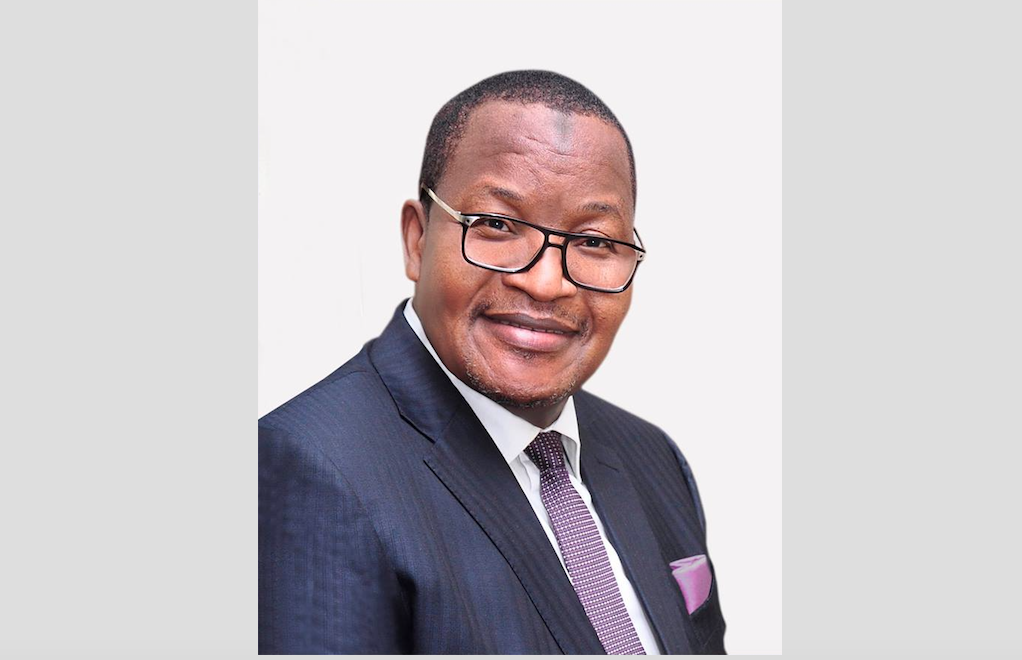
Prof. Umar Danbatta

Executive Vice-Chairman

Nigerian Communications Commission

In view of the recent development in which misleading materials with no proven evidence being circulated to link CORONAVIRUS or COVID-19 with 5G Technology,  it has become imperative for the Nigerian Communications Commission (NCC) to provide the following clarifications;

Firstly, there is no correlation between 5G Technology and COVID-19. 5G is an advancement on today’s 4G technology designed to transform the world positively.

Secondly, there is no deployment of 5G in Nigeria at the moment. The NCC back in November 2019 approved trial test for 5G for a period of three (3) months and that the trial has been concluded and installation decommissioned.

The trial among others was to study and observe any health or security challenges the 5G network might present. Relevant stakeholders including members of the security agencies were invited to participate during the trial.

The NCC will continue to maintain its policy of technology neutrality and will continue to encourage Service providers to deploy the best technology that will meet the needs of the society in a secured and friendly manner.

The following are some Frequently Asked Questions :

  1. What is 5G ?

Ans: 5G is a fifth generation of mobile technology which is an improvement of today’s 4G technology with enhanced capabilities. 5G technology provides the platform for new and emerging technologies such as Internet of Things (IoT), Artificial Intelligence (AI) and Big Data to improve the way we live and work.

  1. Do we have 5G network in Nigeria now?

Ans:  No there is no 5G network in Nigeria at the moment.  What we had was a trial test for 3 months which has since been concluded.

  1. When are we expecting  5G in Nigeria?

Ans. No exact time frame but when conditions are right and all doubts are cleared.

  1. Do we have spectrum for 5G in Nigeria?

Ans. Yes, particularly the millimetre wave spectrum from 24GHz and above are available.

  1. Have we given out 5G spectrum to operators?

Ans. No. It will be auctioned at the appropriate time.

  1. Are there 5G deployment around the world?

Ans. Yes, in countries like South Korea,  China,  USA,  Germany and others since middle 2019.

  1. Is the Radiation from 5G different from those of 2G, 3G and 4G?

Ans. No, they all belong to the same class of Non-ionizing Radiation.

  1.  Who is going to Allocate spectrum for 5G in Nigeria?

Ans. The National Frequency Management Council (NFMC) Chaired by the Hon Minister of Communications and Digital Economy has the responsibility for allocating bulk spectrum for various services.

  1. Should I be concerned about 5G technology?

Ans. No, nothing to worry about. Safety and human health are top priority in the design and deployment of 5G.

  1. What are the benefits of 5G ?

Ans. 5G technology will transform the world by connecting everything with everybody.  It will create millions of jobs,  it will add billions of dollars to the economy (GDP) and can solve some of our problems such as insecurity and improve governance and efficiency in the society.

  1. Is 5G causing CORONAVIRUS or COVID-19?

Ans. No, there is no link what so ever between 5G and CORONAVIRUS or COVID-19.

  1.  Should I ignore all the negative narratives I am hearing about 5G ?

Ans. No,  but rely on information from world Standards making bodies such as WHO, ITU, IEEE and industry experts for advice when in doubt.

  1. Is there Standard limit set for Radiation from mobile devices?

Ans. Yes, there is radiation emission limits set by the International Commission for Non-ionizing Radiation Protection (ICNIRP) below which the radiation is considered safe for humans.

  1. Are the mobile network operators in Nigeria conforming to the Radiation emissions limits?

Ans. Yes, the NCC has been regularly conducting measurements of Radiation emissions from Base stations across the country and they are all well below the set limits.

  1.  Is 5G same as Fibre cable?

Ans. No, fibre cable is a terrestrial technology for broadband that existed for decades while 5G is a new mobile technology for enhanced quality of service as explained in Q1 above.

  1.  Are there other sources of Radiation apart from mobile base stations?

Ans. Yes, there are other sources of Radiation which include television stations, radio broadcasts stations,  wifi and so on. They all belong to the class of Radiation considered to be safe for humans when operated below the set limits.

  1.  Who owns 5G?

Ans. 5G is not owned by anybody but collection of technologies, Standards and processes agreed at the international level by Standards making bodies.

  1. Has NCC issued licenses for 5G in Nigeria?

Ans. No, NCC has not issued any licence for 5G in Nigeria. NCC is technology neutral as such we don’t license technology but assigns spectrum to operators for deployment of any service when allocated by NFMC.

  1. Why are some operators rolling out fibre during the lockdown period?

Ans. As a result of the lockdown, the amount of voice and data usage has increased by huge amounts and there is need to expand the network to provide optimum quality of service to users sitting at home.  Telecom is also critical for information dissemination during the lockdown.


Stanbic IBTC Partners FATE Foundation on COVID-19 Treatment

0
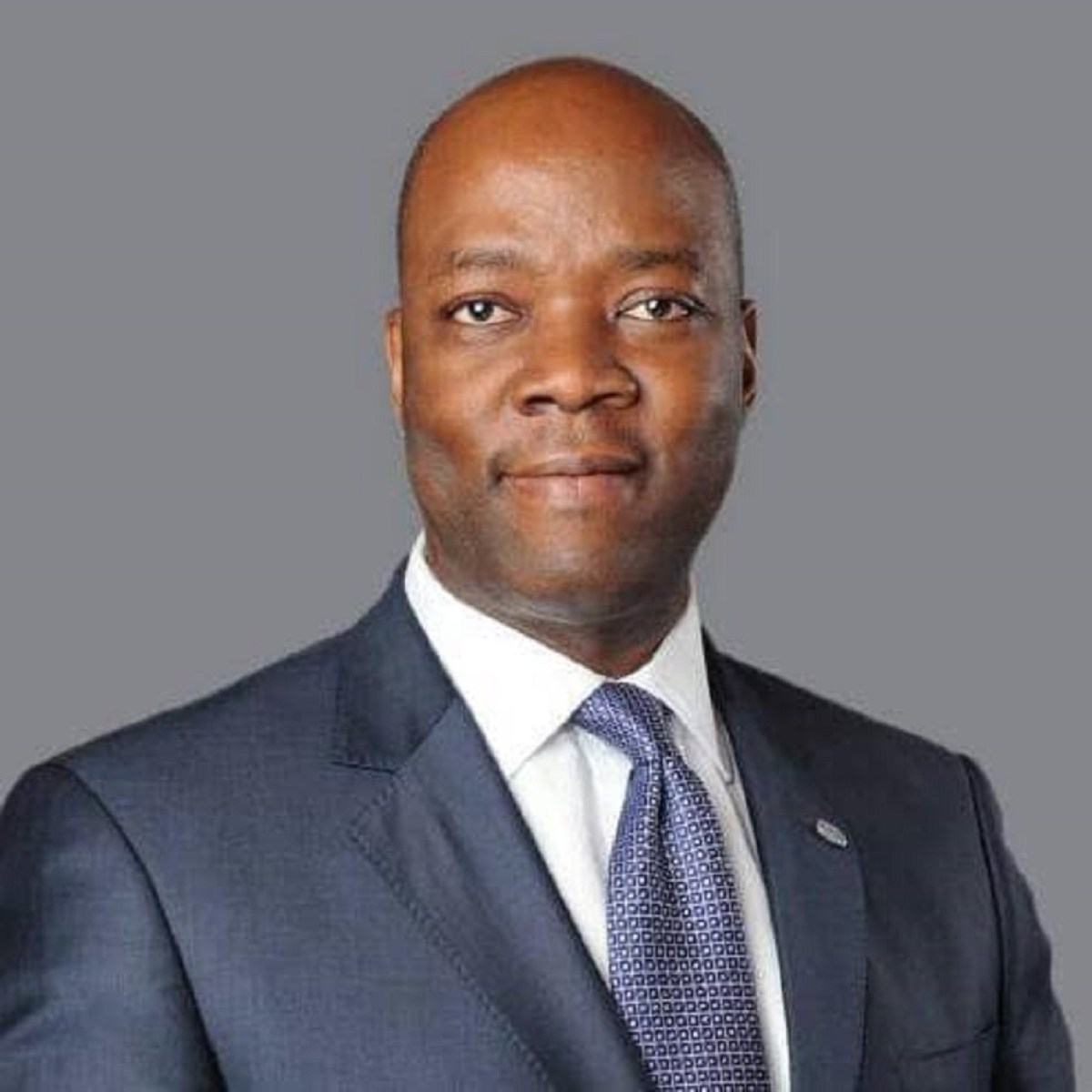
Stanbic IBTC


Stanbic IBTC Holdings PLC, a member of Standard Bank Group has partnered FATE Foundation in a bid to curb the COVID-19 pandemic. Stanbic IBTC recently donated the sum of N25 million to the FATE Foundation Philanthropy’s COVID-19 Support Fund.

The Fund, an initiative of FATE Foundation, was established to support the government’s efforts at properly equipping public health facilities in the treatment of COVID-19 patients.

Part of the Fund will be channeled towards setting up a special COVID-19 Ward at the National Orthopedic Hospital Igbobi by the Lagos State government. The Lagos State government plans to set up a special COVID-19 Ward that will support the treatment of patients.

Another beneficiary of the Fund is the Ogun State Ministry of Health, which has been offered the use of FATE Foundation’s Institute for Venture Design (IVD) facility in Abeokuta, Ogun State. The IVD facility, which has a 30-room residential space, also has additional spaces which can be converted into wards for COVID-19 patients.

In line with the Foundation’s policy advocacy work, the Fund will additionally support research on the impact of COVID-19 pandemic on Nigerian entrepreneurs. This survey is to provide data insights on how the current situation is affecting Nigeria’s micro, small and medium enterprises.

The exercise will be done in partnership with BudgIT, the Nigerian Economic Summit Group (NESG), MSME Community of Practice and the Global Entrepreneurship Network on key stakeholder engagement at the national and sub-national levels.

The support Fund will also help the Foundation in executing its Entrepreneurship Programming initiative, aimed at providing resources to support Nigerian businesses at this time. This initiative uses digital platforms for virtual learning, advisory and community engagement programmes.

Yinka Sanni, Chief Executive, Stanbic IBTC Holdings PLC said: “As a socially responsible corporate organisation, we are seizing every opportunity to support the government, agencies and our partners in the fight against the Covid-19 pandemic; hence the support for FATE Foundation. It is only by deliberate collaborative efforts that we can curtail the spread and possible danger caused by this global enemy.”

He further commended FATE Foundation for its research on the impact of COVID-19 pandemic on Nigerian entrepreneurs and the Nigerian economic climate.

FATE Foundation, a credible Non-Governmental Organisation, provides the required support to emerging Nigerian entrepreneurs that aspire to start, grow and scale their businesses. Founded in the year 2000, the Foundation has created a strong entrepreneurial culture and facilitated the development of an enabling business environment for Nigerians.

He added that the organisation will hold nothing back in offering maximum support to complement the efforts of the government and all its stakeholders.


Ecobank Customers Now Enjoy Zero Charge for Digital Money Transfers Below N5,000

0


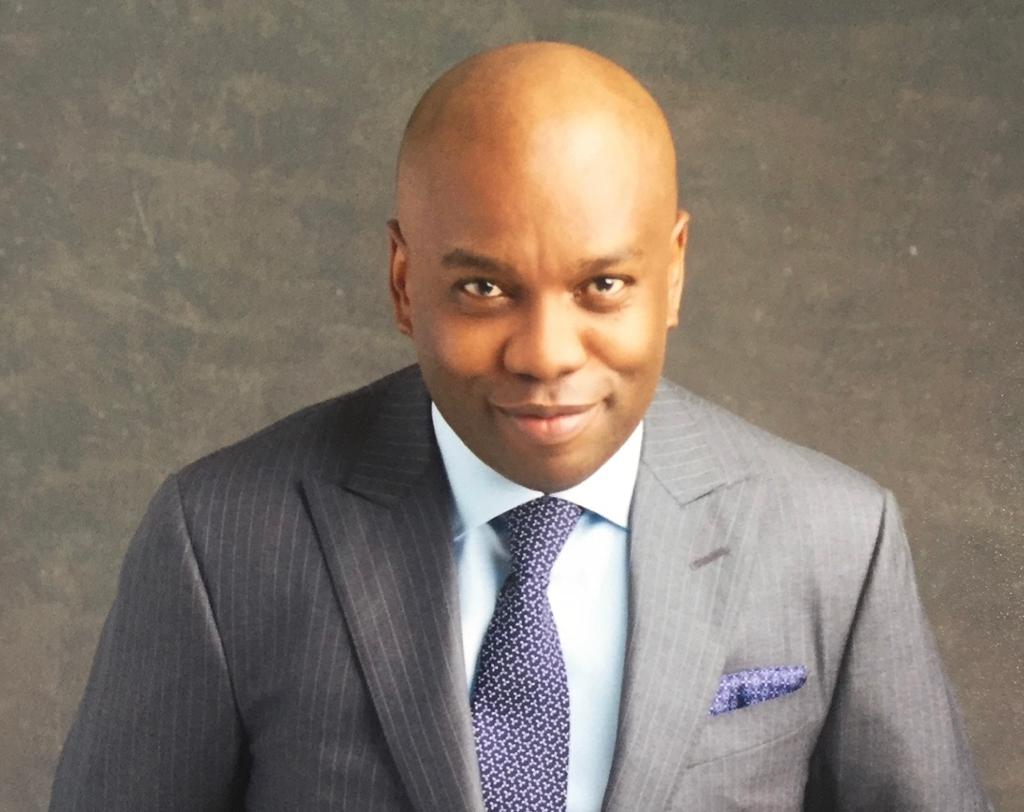
Patrick Akinwuntan

Managing Director

Ecobank Nigeria Plc

Ecobank Nigeria says its customers now enjoy zero charge for digital money transfers below N5,000 being part of its corporate actions to cushion effects of the lockdown to check the rising spread of Coronavirus.

Patrick Akinwuntan, Managing Director, Ecobank Nigeria who stated this in Lagos said this policy which started in March will last till 30 April to encourage citizens adopt digital banking that supports safety measures, particularly the social distancing campaign, to prevent the spread of COVID-19.

According to Mr Akinwuntan the bank’s priority is peoples’ wellbeing and it is therefore determined to support everyone in the face of unplanned shutdown which already have huge economic impact citizens. He reiterated that users of Ecobank Mobile, Ecobank Online, USSD-Ecobank *326#, Omni Lite, are now  charged zero fee for their transfers below N5,000. Before now Ecobank customers who performs transactions on the bank’s platform by dialing *326# does so free of the USSD session fee.

“We are determined to support the Nigerian government and to ensure impact of the business shut down is minimal on the citizens. We encourage our customers to utilize our digital self-service solutions, including Ecobank Mobile App, Ecobank Online, EcobankPay, Ecobank OmniPlus, Omni Lite and the RapidTransfer App without having to visit branches. This is as part of our efforts to ensure social distancing which will help curtail the spread of COVID-19. By utilizing these digital offerings, you can easily access your bank accounts, make payments, transfer funds, process salaries, and carry out your other ancillary banking transactions from the comfort of your home and office without visiting the branch”. Mr Akinwuntan stated.

Also speaking, Olukorede Demola-Adeniyi, Head of Consumer Banking, Ecobank Nigeria, says customers who are yet to upgrade to the new Ecobank Mobile App 4.0 should quickly do so. The Ecobank Mobile App is available for all banking transactions because of its versatility and salient benefits which include the following;

  • The ability to send money to anyone via email or SMS by simply selecting the recipient from your contacts and send money to their email or phone number. The recipient will be able to get the money using any bank account, even if they don’t have an Ecobank account.
  • Ability to create virtual cards for safe shopping and enjoy the convenience of a virtual card without worrying about it being linked to your account – customer can create several virtual cards.
  • Ability to split bills without fuss, enabling you to share expenses as you desire, with friends and family, who will simply get notifications on what they need to refund you. It’s a smart way to get your money back without hounding”.

Further, Mrs. Demola-Adeniyi, reiterated that the Ecobank Mobile app supports customers to pay the fast and stress-free way with EcobankPay by simply scanning the QR code or dial *326*6*Amount*Terminal ID# to pay. “It saves you PoS charges and less human contact. When next you are at the store and need to pay, just ask the merchant for EcobankPay.  Regardless of what you want to achieve, the Ecobank Mobile App is available for you”. She noted.

UN Broadband Commission Adopts Plan of Action Against COVID-19

0


An emergency virtual meeting of the Broadband Commission for Sustainable Development has adopted an Agenda for Action outlining immediate measures that governments, industry, the international community and civil society can take to shore-up digital networks, strengthen capacity at critical connectivity points like hospitals and transport hubs, and boost digital access and inclusivity, with the aim of strengthening collective response to the COVID-19 crisis now sweeping the world.

Built around three pillars: Resilient Connectivity, Affordable Access, and Safe Use for Informed and Educated Societies, the agenda serves as a framework for the Commission’s 50+ Commissioners and their organizations to share their own initiatives, make new commitments, and foster collaboration and partnership.

Over 100 representatives from around the world participated in the virtual meeting, which brought together stakeholders from international organisations, the tech sector, civil society and academia, including global CEOs, heads of agency, and leaders of tech and health industry bodies.​​​​

A special guest was UN Under-Secretary-General and Special Advisor, Fabrizio Hochschild, who made an impassioned plea to Commissioners and their organizations to enhance digital cooperation in response to COVID-19, and to do all in their power to combat misinformation and rising inequality, maximize access to relevant data for public good, and protect the millions of additional children joining the online community for the first time in order to connect to remote learning platforms.

Echoing these concerns, Henrietta Fore, Executive Director, UNICEF, said: “This pandemic is doing what any big shock will do, and increasing the distance between those who have and those who do not. In addition to the devastating immediate effects of COVID-19, the secondary impacts on education, jobs, and finances will continue to impact children, and the world’s most vulnerable, disproportionately in the years to come.”

In his opening remarks, ITU Secretary-General and Commission Co-Vice Chair Houlin Zhao emphasized the vital importance of accelerating global efforts to connect the remaining half of the population still totally without internet access. “As the COVID-19 pandemic accelerates, making in-roads in the developing world and threatening all of humanity, we need to take immediate action to ensure no one is left behind. This unprecedented crisis shows that nobody is safe until we are all safe. And it shows, with no ambiguity, that we will not unleash the full potential of broadband until we are all connected”.


IATA Postpones 2020 AGM over COVID-19

0


The International Air Transport Association (IATA) announced the postponement of the 76th Annual General Meeting (AGM) and World Air Transport Summit. The event had been scheduled to take place on 22-23 June in Amsterdam.
The 76th IATA AGM and World Air Transport Summit will be held when it is both safe and practicable to do so. IATA anticipates that will be in the late third or early fourth quarter of 2020. An announcement will be made when a date is confirmed.
“Our members are in the deepest crisis the air transport industry has ever faced. With much of the passenger business grounded as part of the global fight to contain the virus, many airlines are in a struggle to remain viable. On the cargo side, airlines are doing whatever they can to keep global supply chains moving with vital shipments, including those for critical medical supplies. We will come together as an industry when the freedom to travel has been restored and we can focus on air transport’s critical role in driving the economic and social recovery from this unprecedented crisis,” said Alexandre de Juniac, IATA’s Director General and CEO.

COVID-19: NCC’s 112 Emergency Number Offers Succour to Nigerians

0


The National Emergency Number 112 established by the Nigerian Communications Commission (NCC) is providing succour to Nigerians in the nation’s collective efforts to fight the spread of Coronavirus pandemic, also known COVID-19.

Nigerians are able to call emergency response agencies/or first responders with respect to any issue they may want to report on the Coronavirus or other health-related issues and emergencies.

Already, states and federal government agencies are leveraging the 112 National Emergency Number whose calls are handled through the Emergency Communication Centre (ECC) established by the Commission across the country.

The ECC project is the brainchild of NCC to enable easy communication by Nigerians with emergency first responders such as Police, Fire Service, Federal Road Safety Corps, National Orientation Agency (NOA) among others, by dialing the three-digit toll-free Number 112.

On assuming office as the Executive Vice Chairman of NCC in 2015, Prof. Umar Danbatta, quickly put machinery in place to accelerate the implementation of ECC across the country in line with the decision of the Nigerian government to enhance security of lives and property and as mandated by the Nigerian Communications Act (NCA) 2003.

The NCC fast-tracked the execution of the emergency project, whose implementation had hitherto been dragging, in recognition of its mandates to promote and enhance public safety through the use of a particular number, which shall be designed as the universal safety and emergency assistance number for telephone services generally.

So far, the ECCs with their operational 112 toll-free emergency number has been implemented in 17 states of the Federation and the Federal Capital Territory (FCT).

Aside FCT, beneficiary states of the ECC include Benue, Kwara, Plateau, Kaduna , Kano, Katsina, Ogun, Ekiti, Ondo, Oyo, Edo, Akwa Ibom, Cross Rivers, Imo, Enugu, Anambra and Adamawa.

Efforts are ongoing by the Commission to deploy the ECC facility in other states of the Federation.

Today, the 112 National Emergency Number is fully available in all the aforementioned states and FCT and can be leveraged by Nigerians, as an alternate number to reach first responders at this period of COVID-19 when seeking help and assistance from applicable government response agency during emergencies.

Already, the Governor of Edo State, Godwin Obaseki, identified the centrality of the 112 number towards handling citizens’ calls for help in this time of Coronavirus pandemic.

Obaseki , in a state-wide broadcast to sensitise the people of the state on  the epidemic, urged the people of Edo State to take advantage of 112  three-digit, toll-free number to get help from response agencies in case they want to pass critical information to the  government and the State Task Force on COVID-19.

It would be recalled that President Muhammadu Buhari, on March 19, 2020,  unveiled the  Abuja ECC facility and flagged off the 112 National Emergency Number during the commissioning of the NCC’s Communications and Digital Economy  Complex at the Mbora District of Abuja.

The President explained that the 112 Number demonstrates his administration’s resolve to keep Nigerians safe.

President Buhari said:  ‘We have taken advantage of digital technologies to ensure that Nigerians in distress are only a dial away from the relevant emergency response institutions in the country” via the 112 Number.

According to him, the NCC’s 112 National Emergency Number will go a long way in supporting our efforts to improve the security of lives and property.

With coronavirus spreading across the globe and more people living in isolation, the NCC’s 112 Number is providing alternatives for people to stay in touch and institutions to provide the needed basic life-saving services to the populace.

Maintaining Banking System Safety amid the COVID-19 Crisis

0

By Tobias Adrian & Aditya Narain

Today we face economic upheaval potentially more severe than we witnessed during the global financial crisis. The coronavirus pandemic is a different kind of shock. Never before have modern economies shut down at the drop of a hat. From one week to the next, many workers lost their jobs and paychecks. Restaurants, hotels, and airplanes all emptied. And consumers and businesses now face steep losses in income—and potentially widespread bankruptcies.

Pressure on the banking system is growing and higher defaults on debt are imminent. And many now expect a shock to the financial sector similar in magnitude to the 2008 crisis.

The question on the minds of policymakers is how they should prepare for this.

Just over a decade ago, global policy makers came together in an unprecedented display of coordination to launch the development of a revamped regulatory framework for the financial sector. They significantly raised the minimum standards for the quality and quantity of bank capital and liquidity and succeeded in building a more resilient banking system designed to hold buffers above the minimum that could be safely drawn down in stressed conditions.

In the current crisis, national authorities are taking a host of measures to provide fiscal support, and central banks are opening new liquidity lines. How should bank supervisors respond to ensure continued trust and confidence in the banking system?

Banking System Prescription

Like the health experts, bank supervisors are responding to a fast-moving and extraordinary situation. Supervisors must combine the tools from their playbooks for dealing with natural disasters, operational risk events, and bank stress episodes. With its global vantage point, and drawing from past experience, the IMF can offer some additional guidance on the way forward:

Don’t change the rules. Doing this in the midst of a crisis will likely cause more confusion. Likewise, be prepared to give banks time to meet rules if they fall short, and hold off on implementing new initiatives—banks should remain focused on maintaining ongoing operations, given the increased difficulties of conducting such operations remotely.

Use the buffers. Regulators have to communicate clearly that capital and liquidity buffers should support continued bank lending, without adverse consequences for bank management. Banks built these buffers well above Basel minimum standards to manage strains on liquidity and revenue loss from missed loan repayments.

Encourage loan modification. Supervisors should clearly communicate to banks to be proactive in rescheduling their loan portfolio for those borrowers and sectors that have been hard hit by the severe, but temporary, shock. They should also remind banks about flexible credit risk management and the accounting standards for impairment in these situations. Accounting bodies have helpfully stepped in to clarify to auditors how such modifications should be viewed once the economy begins to recover.

Don’t hide the losses. Banks, investors, shareholders and even taxpayers have to bear them. Transparency helps prepare all stakeholders; surprises only worsen their response, as was proven during the 2008 crisis.

Clarify regulatory treatment of support measures. Clarifying upfront how banks and regulators should treat fiscal measures, including measures directly targeted at borrowers, credit guarantees, payment holidays, direct transfers and subsidies—beyond any current guidance in the Basel capital framework—would help with overall transparency.

Strengthen communication. Encourage continuous dialogue between supervisors and banks, especially in this unprecedented situation of working remotely with colleagues, customers, and supervisors. Typically, reporting requirements in key areas, such as liquidity and creditor positions, are enhanced in a crisis, but given operational disruptions, deferring other reporting requirements less material to assessments of financial health may make sense.

Coordinate across borders. Banking is a global business. Broad coordination among national regulators at the international level is imperative. This crisis will pass eventually, and the effects may take time to dissipate, but preserving the integrity of the international framework will be crucial for the credibility and integrity of the global financial system. International bodies like the Financial Stability Board and the Basel Committee on Banking Supervision are working night and day to do just this.

Will It Be Enough?

Simply put, it may be too early to tell. At this point, conditions in many countries are as severe as the adverse scenario of the stress tests that banking regulators commonly use to assess the strength of their banking systems.

And it might get worse.

All of this assumes that economic activity could restart later this year, but we have to also consider more adverse scenarios. Under more severely strained circumstances, we will have to rethink our playbook substantially. Some banking systems might have to be recapitalized or even restructured. The IMF has deep experience in helping countries rebuild distressed banking systems through its technical assistance programs, and will stand ready to help.


African Dev Bank Wins Industry Gong for Pioneering 2019 Social Bond Issue

0


Dr. Akinwunmi Adesina

President

African Development Bank

The African Development Bank received on 30 March 2020 an award for its successful one billion Norwegian krone (NOK) social bond issued in 2019. This Environmental Finance 2020 bond award was given by an independent panel comprising 30 of the world’s largest green, social and sustainability bond investors.

“It is inspiring to observe how the African Development Bank sources global capital to finance, lead and develop a strong platform for inclusive and environmental growth across Africa. We know from many of our investors that the ability to participate in Africa through AfDB’s triple-A rating is highly appreciated and we look forward to many more transactions like this,” said Christopher Flensborg, Head of Climate & Sustainable Finance in Large Corporates & Financial Institutions at Skandinaviska Enskilda Banken, a Swedish financial group.

The African Development Bank bond issue was the first social bond ever launched in the Norwegian market, and the Bank’s first transaction in NOK. It was launched in April 2019, as part of a dual-tranche social bond and green bond, placed on the Norwegian and Swedish markets. The dual transaction drew strong interest from dedicated socially responsible investor portfolios as well as those who strongly weight environmental, social and governance considerations in their investment strategies.

The proceeds from this social bond issuance are being directed toward poverty reduction, job creation, and inclusive growth. Since 2017, the Bank has launched nearly $5 billion worth of such instruments denominated in US dollars, euros and Norwegian krone. In 2018, the Bank was recognized as “Second most impressive social or sustainability bond issuer” at the Global Capital Socially Responsible Investments Awards.

The Environmental Finance 2020 bond award followed the 27 March announcement that the Bank had raised a record $3 billion from its Fight COVID-19 social bond, the proceeds of which will fund public and private efforts to tackle the viral pandemic in Africa. Fight COVID-19 is the largest social bond ever issued in capital markets.

“We are honored to receive this recognition for this first ever issued social bond in the Norwegian market. This NOK issue reinforces the Bank’s High 5 operational focus which is aligned with the Sustainable Development Goals. Our Social bond framework allows us to attract investors whose interests are aligned with those of our development mandate,” said Bajabulile Tshabalala, acting Senior Vice President of the African Development Bank.

“We are delighted to be honored by market leaders as we devote our efforts towards the economic and social development of the African continent. The mission of the African Development Bank is to combat poverty and improve lives and social bonds allow us to showcase the impact of our social projects in Africa,” said Hassatou Diop N’Sele, Treasurer of the African Development Bank Group.

The Bank is rated AAA by all four major credit rating agencies, with a stable outlook.