Saturday, December 27, 2025
27.2 C
Lagos
Home Blog Page 208

African Airlines to Lose $6bn Revenue over COVID-19

0


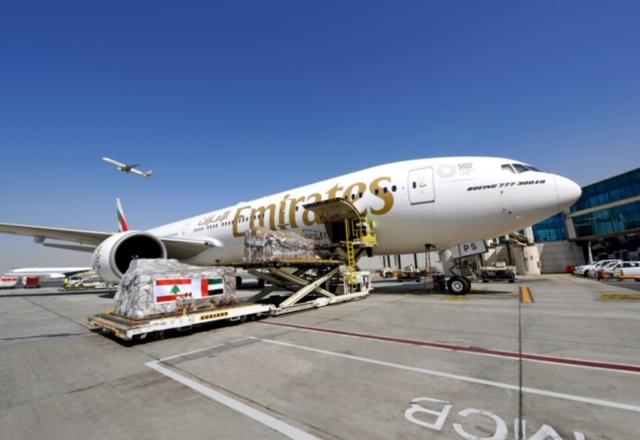
The International Air Transport Association (IATA) renewed its call for government relief measures as the impacts of the COVID-19 crisis in Africa deepen.

  • The region’s airlines could lose $6 billion of passenger revenue compared to 2019. That is $2billion more than was expected at the beginning of the month.
  • Job losses in aviation and related industries could grow to 3.1 million. That is half of the region’s 6.2 million aviation-related employment.  Previous estimate was 2 million.
  • Full-year 2020 traffic is expected to plummet by 51% compared to 2019. Previous estimate was a fall of 32%.
  • GDP supported by aviation in the region could fall by $28 billion from $56 billion. Previous estimate was $17.8 billion.

These estimates are based on a scenario of severe travel restrictions lasting for three months, with a gradual lifting of restrictions in domestic markets, followed by regional and intercontinental.
Countries hardest hit include:

  • South Africa
    14.5 million fewer passengers resulting in a US$3.02 billion revenue loss, risking 252,100 jobs and US$5.1 billion in contribution to South Africa’s economy
  • Nigeria
    4.7 million fewer passengers resulting in a US$0.99 billion revenue loss, risking 125,400 jobs and US$0.89 billion in contribution to Nigeria’s economy
  • Ethiopia
    2.5 million fewer passengers resulting in a US$0.43 billion revenue loss, risking 500,500 jobs and US$1.9 billion in contribution to Ethiopia’s economy
  • Kenya
    3.5 million fewer passengers resulting in a US$0.73 billion revenue loss, risking 193,300 jobs and US$1.6 billion in contribution to Kenya’s economy
  • Tanzania
    1.5 million fewer passengers resulting in a US$0.31billion revenue loss, risking 336,200 jobs and US$1.5 billion in contribution to Tanzania’s economy
  • Mauritius
    3.5 million fewer passengers resulting in a US$0.54 billion revenue loss, risking 73,700 jobs and US$2 billion in contribution to Mauritius’ economy
  • Mozambique
    1.4 million fewer passengers resulting in a US$0.13 billion revenue loss, risking 126,400 jobs and US$0.2 billion in contribution to Mozambique’s economy
  • Ghana
    2.8 million fewer passengers resulting in a US$0.38 billion revenue loss, risking 284,300 jobs and US$1.6 billion in contribution to Ghana’s economy
  • Senegal
    2.6 million fewer passengers resulting in a US$0.33 billion revenue loss, risking 156,200 jobs and US$0.64 billion in contribution to Senegal’s economy
  • Cape Verde
    2.2 million fewer passengers resulting in a US$0.2 billion revenue loss, risking 46,700 jobs and US$0.48 billion in contribution to Nigeria’s economy

To minimize the impact on jobs and the broader African economy it is vital that governments step up their efforts to aid the industry. Some governments in Africa have already taken direct action to support aviation, including:

  • Senegal announced US$128 million in relief for the Tourism and Air Transport sector
  • Seychelles has waived all landing and parking fees for April to December, 2020
  • Cote d’Ivoire has waived its Tourism Tax for transit passengers
  • As part of its economic support intervention, South Africa is deferring payroll, income and carbon taxes across all industries, which will also benefit airlines domiciled in that country

But more help is needed. IATA is calling for a mixture of:

  • direct financial support
  • loans, loan guarantees and support for the corporate bond market
  • tax relief

IATA has also appealed to development banks and other sources of finance to support Africa’s air transport sectors which are now on the verge of collapse.
“Airlines in Africa are struggling for survival. Air Mauritius has entered voluntary administration, South African Airways and SA Express are in business rescue, other distressed carriers have placed staff on unpaid leave or signaled their intention to cut jobs.  More airlines will follow if urgent financial relief is not provided. The economic damage of a crippled industry extends far beyond the sector itself.  Aviation in Africa supports 6.2 million jobs and $56 billion in GDP. Sector failure is not an option, more governments need to step up,” said Muhammad Al Bakri, IATA’s Regional Vice President for Africa and the Middle East.

Looking Ahead 
In addition to vital financial relief, the industry will also need careful planning and coordination to ensure that airlines are ready when the pandemic is contained.
IATA is scoping a comprehensive approach to re-starting the industry when governments and public health authorities allow. A series of virtual regional summits, bringing together governments and industry stakeholders are taking place this week. The main objectives will be:

  • Understanding what is needed to re-open closed borders, and
  • Agreeing solutions that can be operationalized and scaled efficiently

“As governments struggle to contain the COVID-19 pandemic, an economic catastrophe has unfolded. Re-starting aviation and opening borders will be critical to the eventual economic recovery. Airlines are eager to get back to business when and in a way that it is safe. But starting up will be complicated. We need to make sure that the system is ready, have a clear vision of what is needed for a safe travel experience, establish passenger confidence and find ways to restore demand.
Cooperation and harmonization across borders will be essential to restart aviation,” said Al Bakri.


Stanbic IBTC Warns Nigerians of Covid-19 Related Scams

0


With the growing adoption of digital channels and with more people practicing social distancing due to the Covid-19 virus outbreak, Stanbic IBTC Bank PLC, a subsidiary of Stanbic IBTC Holding PLC, has urged Nigerians to remain vigilant for online scams related to Covid-19.

This rapid migration necessitates an understanding and constant review of safe banking habits in the digital age. When banking on digital channels customers should adhere strictly to digital hygiene factors.

Customers are increasingly switching to digital channels to shop, communicate and bank and cybercriminals may take advantage of the current situation to send emails with malicious attachments, or links, to fraudulent websites, to trick victims into revealing sensitive information or donating to fraudulent charities, or causes.

As the banks adapt and improve their anti-fraud technology, fraudsters may employ alternative techniques to deceive people. If they find it harder to hack into banking systems, then their attention may move to an easier target: the customer.

Stanbic IBTC has, on its Social Media platforms, shared tips on how customers can protect themselves online during the Covid-19 pandemic. It is advised that customers exercise caution in handling any email with a Covid-19-related subject line, attachment, or hyperlink, and be wary of social media pleas, texts, or calls related to Covid-19.

Below are some important precautions to protect yourself online:

  • Avoid clicking on suspicious links in unsolicited emails and be wary of email attachments.
  • Use trusted sources—such as legitimate, government websites—for up-to-date, fact-based information about COVID-19.
  • Do not reveal personal or financial information in an email, and do not respond to email solicitations for this information.
  • Do not log onto your digital banking on public WiFi.
  • Do not share any links online which do not come from official or reputable sources.
  • Be wary of spoofed websites that claim to be the legitimate website of an organisation andare set up to mimic the original website.
  • We recommend that you download and use the Stanbic IBTC mobile banking app rather than using your phone browser to access Internet Banking.
  • Do not share personal information such as your ID number, bank account details or PIN online. Similarly, do not share it with someone on the telephone.
  • Do not allow anyone to access your computer remotely. Someone from your bank will never ask you for Remote Access Control to update your information.
  • Make 100 percent sure that the email you are reading comes from a real company, person or organisation. If you think someone or something is suspicious, trust your intuition and rather practice caution.
  • Remove emotions when working online. Be measured and responsible when it comes to managing your online profile. Contact your bank immediately if you think you have been compromised.


WHO-ITU Deploy IT to Defeat COVID-19

0


The World Health Organisation (WHO), the International Telecommunication Union (ITU), with support from the United Nations Children’s Fund (UNICEF), are set to work with telecommunication companies to text people directly on their mobile phones with vital health messaging to help protect them from COVID-19.

These text messages will reach billions of people that aren’t able to connect to the internet for information.

Now more than ever, technology must ensure that everyone can access the information they need. The collaboration will start in the Asia Pacific region and then roll out globally.

The goal is to reach everyone with vital health messages, whatever their connectivity level. An estimated 3.6 billion people remain offline, with most people who are unconnected living in low-income countries, where an average of just two out of every ten people are online.

ITU and WHO call on all telecommunication companies worldwide to join this initiative to help unleash the power of communication technology to save lives from COVID-19.

‘Ecobank’s Support will Cushion the Effect of Lockdown on Lagosians’ – Babajide Sanwo- Olu

0


Left: Special Adviser to the Lagos State Governor on Agriculture, Ms Abisola Olusanya; Lagos State Commissioner for Agriculture, Prince Gbolahan Lawal; Head, Agribusiness, Ecobank Nigeria, Moji Oguntoyinbo and Regional Head, Lagos Mainland, Ecobank Nigeria, Christopher Olusola during the presentation of food items by Ecobank Nigeria to the Lagos State Government at Ikeja on Monday

The Lagos State Governor, Babajide Sanwo- Olu has commended Ecobank Nigeria for donating food items to support the state government’s relief efforts to mitigate the effects of the lockdown on citizens due to the coronavirus.

The Lagos State Commissioner for Agriculture, Prince Gbolahan Lawal, who received the items and spoke on behalf of the governor, said Ecobank has always been a good corporate citizen of the state. He assured that the items would be deployed for the purpose they are meant for.

“I want to place on record that as a government, we are pleased with Ecobank, the pan-African bank for identifying with the good people of Lagos State at this moment of need. We will ensure the distribution is transparent and the items get to the indigent people who are vulnerable and therefore most affected by the lockdown. I enjoin Lagosians to continue in their co-operation with the state government’s several initiatives at checking the spread of the global pandemic such as the lockdown and social distancing campaign. There is light at the end of the tunnel”, the Governor stated.

Earlier, Managing Director, Ecobank Nigeria, Patrick Akinwuntan who was represented by Head, Agribusiness, Moji Oguntoyinbo, said the donation is part of the bank’s Corporate Social Responsibility (CSR) initiatives to support those in need within the environment where the bank does business. He disclosed that the Bank is doing similar donation to other states across the country.

‘OPEC Still Has Important Role in Global Oil Market’

0


By Sebastian Wagner
Scan Western news about OPEC from the last few years, and a common observation tends to appear: OPEC had a huge influence on the global oil market back in the day. Now, in the shale oil era, not so much.
I would argue that OPEC can safely state that reports of its death—or dwindling relevance—are greatly exaggerated. In fact, OPEC has been at the center of one of the biggest stories of 2020 aside from COVID-19: a historic deal that resolved the oil price war between Saudi Arabia and Russia.
From 2016 to late March, the two oil powerhouses had been part of a loose alliance of OPEC members and non-member producers known as OPEC+. Its purpose was to stabilize the global oil market through voluntary production cuts. The alliance was a success until early this year, when COVID-19 effectively shut down China’s economy and dramatically reduced its crude oil imports. To restore market balance, OPEC member Saudi Arabia asked OPEC+ member Russia to increase its production cuts. When Russia refused, Saudi Arabia stopped complying with its own production cuts and, instead, started flooding the market with oil. Russia followed suit, and plans to renew the OPEC+ agreement on April 1 were abandoned. Crude oil prices went into freefall, and U.S. shale oil producers started struggling to survive. It didn’t help when COVID-19 began forcing lockdowns around the globe, resulting in plummeting demand for crude and even lower oil prices.
The world was watching closely when Saudi and Russian leaders attended an emergency OPEC/OPEC+ meeting on April 9. After three days of negotiations, OPEC and OPEC+ members agreed to massive production cuts starting with nearly 10 million barrels per day May 1. The cuts, which will gradually decrease, will continue through April 2022. While low demand remains a concern, by stabilizing the oil market, OPEC+ will still provide economic relief and save jobs around the world. Shortly after the product-cut agreement was finalized, exhausted Saudi Energy Minister Prince Abdulaziz bin Salman shared his exhilaration with Bloomberg News. “We have demonstrated that OPEC+ is up, running, and alive.”
Indeed. Both OPEC and OPEC+ are very much alive and as relevant as ever.

A New Era?
Despite the condescending descriptions of OPEC I’ve read in American media coverage, I am seeing signs that U.S. leaders are starting to look at OPEC with newfound respect. Even one of the organization’s most outspoken American critics, President Donald Trump, had generous words for OPEC the evening before its April 9 meeting. “Obviously for many years I used to think OPEC was very unfair,” Trump said during a press briefing. “I hated OPEC. You want to know the truth? I hated it. Because it was a fix. But somewhere along the line that broke down and went the opposite way.”
Then there’s Ryan Sitton of the Texas Railroad Commission, which regulates the exploration, production, and transportation of oil and natural gas in Texas. He responded to the Saudi-Russia oil price war by reaching out to OPEC and proposing statewide oil production cuts. After a one-hour photo call with OPEC Secretary General Mohammad Barkindo, Sitton was invited to attend OPEC’s June meeting in Vienna.
While I applaud Sitton’s initiative, I couldn’t help noticing what a departure it was from America’s usual “OPEC playbook.” U.S. energy policy has been driven by a strong desire to “free” the country’s oil and gas industry from OPEC’s influence. As recently as 2018, the U.S. House of Representatives attempted to pass the No Oil Producing and Exporting Cartels Act (NOPEC). Had this harmful bill been approved, the U.S. Attorney General would have been empowered to bring antitrust lawsuits against OPEC and its member countries. The legislation likely would have jeopardized foreign investments in the U.S. oil and gas industry and cost America valuable commercial partnerships.
How dramatically things have changed. Two years after NOPEC was proposed, we had a representative from the powerful Texas Railroad commission offering to work with OPEC to help balance the market.
While it’s unclear whether Texas will cut production, Sitton’s decision to open communication with OPEC is a positive, and I hope other U.S. industry leaders will consider the same. Instead of viewing OPEC as the enemy, dismissing it, or avoiding it, why not learn to understand this important organization and lay the foundation for a productive relationship?

Gaining Perspective
I suggest starting with Amazon’s bestselling book, Billions at Play: The Future of African Energy and Doing Deals, which includes a chapter titled “A Place at the Table: Africa and OPEC.” Yes, the chapter covers the value OPEC membership offers African nations, but its insights are relevant to everyone with ties to the oil and gas industry.
The background on OPEC’s 2016 Declaration of Cooperation is particularly timely. It was that agreement among OPEC producers and 11 non-members that resulted in OPEC+. For the first time in OPEC’s history, member countries agreed to work with non-member countries to stabilize the global oil market after increased U.S. shale oil production triggered low prices. Together, participating countries committed to voluntary production adjustments of 1.8 million barrels per day. Until the extraordinary chain of events set off by COVID-19, the OPEC+ alliance remained firmly in place.
The book also delves into the reasons OPEC membership has so much to offer African oil-producers: strength in numbers and a commitment to unity. “The organization says that every new member adds to the group’s stability and strengthens members’ commitment to one another,” the book explains. “Different perspectives create a rich culture where colleagues can learn from one another, anticipate and respond to the complexity of today’s oil markets, and ultimately, influence prices.”
It’s not always a seamless process, but OPEC continues to achieve those objectives. And as we go forward, this kind of unified approach will remain critical. Most likely, the global oil and gas industry will be forced to deal with the economic impacts of COVID-19 and low oil demand for an unknown period of time. Instead of working at cross purposes, oil-producing countries will need to continue cooperating to find solutions, embrace opportunities, and keep the industry alive.

Sebastian Wagner is the Chair of the German African Business Forum and the CEO of DMWA Resources, a pan-African energy marketing & investment firm. Worked for Trafigura & affiliated companies in oil trading, responsible for managing trading operations and pursuing pre-financing opportunities in around Africa

COVID-19: A New World Set to Emerge

0


By Elvis Eromosele

Since its emergence in Wuhan in December 2019, the coronavirus (COVID-19) continues to impact country after country.

Today, it is causing disruptions all over the world. While there is uncertainty about how long the pandemic would continue to ravage, experts posit that it would eventually fade out like other viruses before it, such as Ebola. The timeframe, however, is indeterminate.

In the meantime, the world groans under the burden of the lockdown that the virus has precipitated. In America, Trump is threatening to reopen the economy on May 1, 2020 against the advice of medical experts.

In developing countries, where the bulk of the population earns and live on daily pay, the challenge is that of hunger. If people can’t go out, they can’t eat. Unrest is on the rise.

When it COVID-19 finally fades away the damage would be incalculable. And the world that would emerge would be a whole new world. Here are four things that would change and opportunities for the discerning:

Leadership – Currently, there is over a hundred thousand COVID-19 deaths. Several government officials and business leaders from across the world are among victims of the pandemic. In Nigeria, the Chief of Staff to the President Abba Kyari, a power broker in the Buhari administration has died of the virus. It is creating a power vacuum that would take time and a bit to fill.

So, new younger leaders would be required to step up and fill the plate. The positioned, the prepared and the favoured would take the opportunities as they become available.

Job – The International Labour Organisation (ILO) estimates that COVID-19 could trigger roughly 195 million job losses across the world. This is plausible. Millions have already lost jobs. Millions more may still be lost.

The resilience of whole industries has been tested and found wanting. The food supply and logistic industries have proven indispensable. The touted progress of the electronic and online payment sector is on trial. Luxury and hospitality segments are reeling. Marketing communications and Public Relations, digital solutions providers among service providers are finding the joy of working from home.

Undoubtedly, new industries will emerge from this. Existing firms would be forced to rethink their operations and more importantly, staffing. The future of work would change, irrevocably. 

Health – COVID-19 has tested and stretched the world’s health systems and personnel. It has revealed the rot, exposed the inadequacies and uncovered the failings in the national and global health care industry. Healthcare will never be the same again.

At the least, it would force greater attention on the sector, but better yet, it should lead to total reform of the health sector. This would serve the people best. Medical and healthcare workers would get the compensation that they deserve, basic and essential care kits would be provided and infrastructure would be upgraded massively. Imagine all the ICU equipment been deployed in the isolation centres now redeployed in the existing healthcare centres and hospitals.

The infectious disease training, empowerment and enhanced capacity developed and built during this period would come in handy going into the future. The biggest hope is that now that politicians and other power brokers have found that they can’t always run abroad for treatment, perhaps they will be motivated to invest conscientiously in the health system.

Economy – The International Monetary Fund (IMF) estimates that gross domestic product (GDP) per capita will shrink across 170 nations due to the coronavirus pandemic. This is definitely an optimistic projection.

Experts are cautious in talking of a global contraction. Many object to the word, “recession,” for now. The argument is that the label requires at least two consecutive quarters of declines in a country’s real GDP. But, if the facts on the ground are anything to go back, a recession is on the horizon.

Globally, the slow-down in manufacturing and the great lockdown has led to a massive drop in the price of crude. The low prices are expected to persist for a while. Countries that depend on oil, like Nigeria, are tottering. Importantly, The Economist notes, “Countries that rely on oil exports should brace themselves for a long period of pain.” Ouch!

Businesses will also have to rethink the siting of factories. COVID-19 has exposed the weakness in putting all the world’s manufacturing eggs in the basket of China. Africa may provide the base for a new manufacturing hub. This would counter the weight of everything been made in China.

Experience, like they say, is the best teacher.

Conclusion: COVID-19 will pass. The effect of the pandemic will not be forgotten. A New World will emerge. The future will be reshaped completely.

In the political space, there are whispers of the emergence of China as the new leader of the new world. Only time will show how this will play out.

In the meantime, nation-states, businesses and individuals must prepare for change. It would definitely not be business as usual. Each one must be effectively positioned to thrive in the new world – the world that COVID19 will build.

 Elvis Eromosele, a Corporate Communication professional and public affairs analyst lives in Lagos.


AMCON: Abba Kyari Was a Courageous, Patriotic Nigerian

0


The Managing Director/Chief Executive Officer, Asset Management Corporation of Nigeria (AMCON), Ahmed Kuru has written to condole President Muhammadu Buhari, over the death of his friend and Chief of Staff, Mallam Abba Kyari.

The Chief of Staff died in Lagos on Friday April 17, 2020 as a result of complications from the dreaded Coronavirus (COVID-19) pandemic, which is ravaging countries of the world, including Nigeria.

Kuru, who was appointed AMCON boss by the President in 2015 shortly after President Buhari won election as Nigeria’s president for the first term in office told President Buhari to mourn the late Chief of Staff with pride because the deceased led a good life of service, which is worthy of emulation.

The letter, which the AMCON Chief Executive Officer personally signed and addressed to the Commander-In-Chief of the Armed Forces of the Federal Republic of Nigeria reads in parts; “…With a deep sense of sorrow, I wish to, on behalf of the Management and Staff of Asset Management Corporation of Nigeria (AMCON), express my sincere sympathy to you, the entire Federal Executive Council and the Federal Republic of Nigeria over the passing on of your Chief of Staff, Mallam Abba Kyari, which sad incident occurred in Lagos on Friday April 17, 2020.

Painful as the demise of this outstanding Nigerian is, from complications arising from the deadly Coronavirus (COVID-19) pandemic, we are however comforted by the excellent good life, dedication to developmental governance and selfless service of Mallam Abba Kyari, who was until death your loyal and trusted Chief of Staff. We are even saddened the most because Mallam Abba Kyari was on national assignment where he participated in several state functions to see how to improve the energy sector in the country among other official engagement, which unfortunately exposed him to the disease, which eventually led to his death.

“Mr. President, as you mourn the death of this trusted ally, we at AMCON want you to draw your comfort from the fact that Mallam Abba Kyari, a thorough bred lawyer, banker, journalist and administrator gave his best as a competent, dedicated and loyal aide to you in particular and to Nigeria as a nation. A highly patriotic Nigerian who is not shy and afraid to pursue any matter so far is in National Interest. Indeed, the country will miss him.”

“Having led such a remarkable life as an outstanding topmost aide of the President of the Federal Republic of Nigeria under your enviable leadership, which is worthy of emulation, our prayer is that Almighty Allah will accord Mallam Kyari eternal rest and grant Mr. President, the family and nation as a whole the fortitude to bear the irreparable loss of this illustrious Nigerian patriot,” Kuru stated in the condolence letter, which was sent to Aso Rock Villa at the weekend.


Fish Farmers Appeal to FG for Special Movement Permit amidst Lockdown

0


To curb losses in the fish farming value chain, the Catfish and Allied Fish Farmers Association of Nigeria (CAFFAN) has appealed to the Federal Government to grant farmers special movement permit to move fish and its products from various fish farms to areas of need within Nigeria.

Mr. Rotimi Oloye, the CAFFAN National President stated recently that due to restriction of movement of persons to curtail the spread of Coronavirus in the country, its members now have difficulties accessing their farms across the nation.

He noted that the farmers mostly affected were those close to border towns as they are denied passage by security operatives on the roads.

He said: “This is adding to cost of production that is already on the high side due to cost of exchange of naira to dollars used in importing more than 70 per cent of our inputs like fish meal, hormones and other additives like lysine, methionine.  This situation can make farmers to abandon farming thereby leading to threats of food insecurity. As everyone is well aware, unless properly processed and preserved, fish has a very short shelf-life value.”

He added that the continuous restriction on the movement of fish farmers would eventually affect players in the fish value chain.

He said: “The inability of fish farmers to have access to their farms would have a multiplier effect across the fish value chain. Without access to our farms, we won’t be able to purchase fish fingerlings. We won’t also be able to purchase fish feeds, which will have an impact on their sales and the business. Those whom we sell fish to will also not be able to purchase this very important source of protein and nutrient. It could potentially lead to loss of employment while people who have shown interest in investing in the fish farming may lose interest.”

Furthermore, Oloye also advised the federal government to include processed homegrown catfish to the palliatives being shared to people, emphasizing that fish and fishery products were nutritional foods because they contained adequate nutrients necessary to boost human body cells and immune system.

COVID-19: Time for Nigeria to Look Beyond Oil

0


A development and governance expert, Dr Chiwuike Uba, has expressed satisfaction with the decision of the Organisation of Petroleum Exporting Countries (OPEC) under the OPEC+ platform to cut down on oil production by about 9.7m barrels per day from 1st May 2020, reduce to 7.7 million barrels per day from July through the end of 2020, and 5.8 million barrels per day from Jan. 2021 through April 2022.

Dr. Uba, who is also Board Chairman of Amaka Chiwuike-Uba Foundation (ACUF), said that, if there is any lesson Nigeria can learn from the economic effects of the COVID-19 pandemic ravaging the world and its attendant economic implications, it is to look beyond oil and advised the federal and state governments to commence immediate diversification of the economy.

He said that, whereas the changes in oil production may lead to a marginal increase in the global oil price, the market would experience a glut almost immediately, due to the continuing decline in oil demand.

He added that, though the 9.7million bpd cut will, in the short term, help the market not to fill up international storage facility, which is already about 75% filled, the current size of the oil oversupply and additional oil supply will throw back the market into its state before the cut in oil production.

He said: “According to analysts from Goldman Sachs, the coronavirus crisis will slash demand by 19m bpd in April and May. The forecasted figure is way too big compared to the 9.7m bpd agreed as oil production cut; hence, too little and too late to prevent a decline in prices in the coming weeks as storage capacity becomes saturated.

“There is huge doubt if the cuts would be enough to compensate for a collapse in demand expected to be at least twice the size of the OPEC+ supply reductions. Truthfully, the agreed global cut of about 10% in oil production will not offset the recent huge drop in demand occasioned by COVID-19 pandemic.

This is made worse by the lack of pronouncement by the President of the USA to cut US oil production after he said OPEC had not asked him to push domestic oil producers to cut production as he stated that the U.S. output was already declining in response to falling prices. More so, American oil producers may not cooperate with this cut as it would amount to controlling prices, which would amount to violating the competition law in the US. The USA is currently the world’s biggest crude producer.”

He stated that, according to history, previous oil production cut deals were typically violated by oil producers a few weeks after the commencement of implementation. Mexico already disagreed with the quota allocated to the country and instead opted to reduce the country’s production by 100,000 bpd.

He further opined that, given that the effective date for the implementation of the deal is 1st May 2020, countries with high production capacity such as Saudi Arabia, within the next few days will continue to line up tankers – conveniently. Until 1st May 2020, such countries would have the spigots wide open.

“Unfortunately, the production cut deal may not benefit Nigeria in any way. First, the expected improvement in the oil price will be minimal and short-lived as a result of the reasons I outlined earlier. Do not forget that Nigeria is already producing below its production capacity for a long time now; hence, affected by both production quantity and price. Even when Nigeria benefits from an across revenue from the global production cut, the would-be revenue may end up being shared by the national and sub-national governments without real plans for investment to jumpstart the dying economy.

“The demand for oil will not spike in the short term as a result of lockdowns and shutdowns across the world. In addition to the closure of manufacturing and service companies, the weather across America and Europe is getting warmer; hence, reducing the demand for gas. Therefore, it has even become more urgent for Nigeria to begin to think about Nigeria without oil.

“For me, it is one of the benefits of the convid-19 pandemic. Instead of deploying all the money appropriated for COVID 19 for palliatives, it is important to channel some of the money to an investment in massive productive infrastructure across Nigeria. For instance, the funds proposed to employ 774,000 people to sweep road till December 2020 should be used to building cottage industries and/or invested in agriculture,” he said.

Uba said that this will not only provide jobs for people in a sustainable way, but will also add to the production and revenue of the nation. The US $150m withdrawn from the Sovereign Wealth Fund (SWF) to augment the monthly sharing by the governments should have been appropriately invested in the social sectors. The big question is what would happen when we deplete all the savings.

“Now is the time to start making the right investments, if not, the medium and long term implications of COVID-19 on Nigeria and Nigerians would be so devastating. Nigeria must begin to reduce wastages and frivolities associated with our current governance structure and systems. Obviously, that is the most veritable way out at this point given the much that has occurred, the demand destruction, too much debt-making and destruction, high unemployment and poverty level, high fiscal deficit.

“Most importantly, given that there is too much oil storage all across the world compounded that international oil storage tanks are nearing capacity, there is a likelihood of getting to a situation where countries all of a sudden will have to dramatically shut production in a way that damages reservoir and they may not be able to recommence production afterwards. Evidently, the world has reached the stage of oil warfare and Nigeria is in no way positioned to be part of this warfare. A Nigeria without oil is the way to go,” he said.

The Amaka Chiwuike-Uba Foundation (ACUF) was found in 2016 in memory of Mrs. Amaka Chiwuike-Uba, who died from asthma complication in July 2016. Foundation’s mission is to improve the quality of life of people; especially, helping those with asthma and other respiratory diseases live a better life and envisions a society with better breathing, better living, and a happier, united and prosperous people. In line with the Foundation’s mission, it has held many sensitization workshops and enlightenment programmes for asthma patients and youth development and leadership workshop series (YouDaL) across the country.

Ecobank to Nigerians: Open Account via EcobankMobile *326#

0

Ecobank Nigeria is encouraging unbanked and underbanked Nigerians which include artisans such as mechanics, carpenters, electricians, small scale retailers, transporters and others who depend on daily earning for survival, to open bank accounts instantly simply by dialing the bank’s USSD code*326#. According to the bank, owning bank accounts will enable them save easily and access micro loans (Xpress Loan). This will also enable them easily receive monetary support from friends and family members as the need arises, especially during the period of the COVID-19 lockdown, while maintaining social distancing via digital transactions, in a bid to check the spread of the virus.

The bank’s mobile channels- Ecobank Mobile and *326# make it easy to open the Ecobank Xpress account, an end to end digital account instantly. With this account, customers are able to receive funds, send money, buy airtime and carry out basic banking transactions from the comfort of their homes.

No paperwork or documentation is required, everything happens on mobile. In addition, Ecobank had since last year, waived the USSD session fees, thereby making it possible for users of the bank’s USSD, *326# to transact at zero session charges.

Mrs. Olukorede Demola-Adeniyi, Head of Consumer Banking, Ecobank Nigeria, noted that “every Nigerian should as a matter of necessity have bank accounts that can aid them to save quickly, access loans and other financial support when the need arises.”

Furthermore, she reiterated that “Ecobank Mobile and *326# bring easy, affordable and convenient financial services to the youth and members of the public who hitherto had no access to formal banking services. Ecobank Nigeria had earlier announced a zero charge for digital money transfers below N5,000 for its customers until April 30, 2020” as part of the bank’s initiatives to encourage affordable, safe banking during the lockdown.

According to Mrs. Demola-Adeniyi, beyond owning bank accounts, every customer of the bank can utilise the bank’s several digital offerings, thereby making it easy for them to transact safely and conveniently from the comfort of their homes.

“We are determined to support the Nigerian government by ensuring that the impact of the lockdown is minimal on citizens. We encourage every Nigerian to make use of our self-service digital solutions such as Ecobank Mobile *326#, Ecobank Online, EcobankPay, Ecobank Omni Plus, Omni Lite and the Rapidtransfer App to carry out their personal and business transactions without having to visit branches. This is part of our efforts to ensure social distancing which will help curtail the spread of COVID-19”, she stated.


NCC Plans Socio-Economic Transformation via ICT Parks

0


Nigeria’s independent telecoms regulatory authority, the Nigerian Communications Commission (NCC), has embarked on the building of six (6) Information and Communication Technology (ICT) Parks to promote socio-economic transformation of Nigeria.

The ICT Parks are to provide Innovation Labs and Digital Fabrication Laboratories (Fablabs) for use by ICT innovators and entrepreneurs to turn their ideas into products and prototypes; provide a Commercial Hub for ICT capacity building and digital skills; create employment and entrepreneurial activities; and facilitate smart city deployment across the Digital Industrial complex.

An initiative of the current leadership of NCC, the ICT Parks Project involves the construction and equipping of fully-functional Tier-4 Digital Industrial Complex (DIC) in each of the six (6) geo-political zones across the country.

The project concept is designed to support Federal Government’s ICT–related policies by facilitating the availability and accessibility of ICT services across the country and to promote their usage across all sectors.

The ICT Park consists of laboratories for ICT innovations and Commercial Hubs providing capacity building to ICT startups and entrepreneurial activities. The Parks are designed to have fast internet service (broadband) and constant power supply.

Commenting on the initiative at the weekend, the Executive Vice Chairman (EVC) of NCC, Prof. Umar Danbatta, said the Commission embarked on the project in all the six geo-political zones of the country with a view to building capacity for the Nigerian teaming youths in the area of skill acquisition and innovation to join existing initiatives towards accelerating socio-economic transformation of Nigeria.

“The whole idea of putting these two things (i.e. skill acquisition and innovation) at the forefront of this very important initiative is to produce youths that can be self-reliant, generate employment for themselves and for other Nigerians,” he said.

The Commission is starting the project with four ICT parks in Abeokuta for the South-West; Enugu for the South-East, Maiduguri for the North-East and Kano for the North-West, all of which are currently at different levels of implementation while the ones for North-Central and South-South are in the offing.

Danbatta, who stated that the project commissioning would take place at different times, possibly starting from end of this year, assured that based on its national spread structure, no part of the country will be left out as beneficiaries of the initiative.

“The NCC ICT Parks Project is another move by the current leadership of the Commission to boost youth digital skills acquisition, promote innovations, provide jobs for the teaming Nigerian youth and ultimately support the overall digital economy agenda of the Federal Government,” Danbatta said.

Speaking on the expected tech products to be produced from the ICT Parks, Danbatta said: “Going forward, we hope to see software development, incubation, and hardware development coming out from the ICT Parks. We also hope to see innovative applications that will leverage the broadband network, which the Commission is deepening in order to socially and economically transform our communities and societies.”

Danbatta urged the potential and would-be beneficiaries of the project, especially the youths to be ready to leverage the initiative, once ready, to empower themselves socially and economically.

“I would like to send out a very important message to our youths, especially those who are currently occupied with various innovative applications, those who have acquired the skills but are looking for where to put the skills to fruitful engagements, by incubating them, commercialising them, or giving publicity to these excellent initiatives, to be ready to leverage this facilities,” he stated.

The EVC added that there is going to be a centre in the ICT Parks to showcase the various initiatives by the youths in areas of apps, various software products developed and other innovations not only to local investors but also to the global investment community.

An ICT park comprises an area or location with concentration of all ICT facilities which enable a concerted leap into the digital age by creating a dynamic environment in which local talent is incubated, cultivated, and shared. ICT parks are best tested and trusted institutional mechanisms to address the needs of technology-intensive, knowledge-based Micro, Small and Medium Enterprises (SMEs).


NIA: ‘Nobody is Forcing Insurers to Donate N10m to Covid-19 Fight’

0


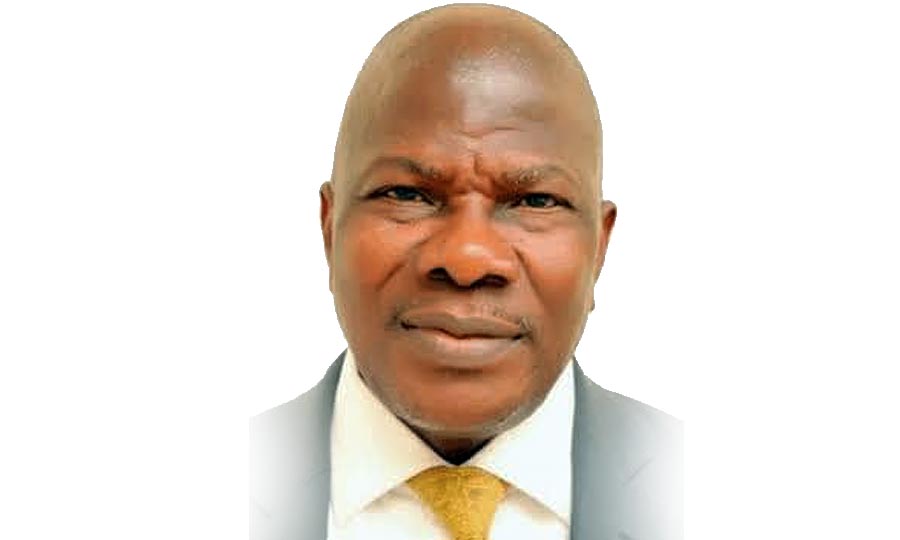
Mr. Tope Smart

Chairman

Nigerian Insurers Association

The 57 insurance companies in the country have debunked allegations that they are being compelled to contribute N10 million each towards the fight against the Coronavirus pandemic.

The companies under the umbrella body of the Nigeria Insurers Association (NIA) said the claim that their regulator, the National Insurance Commission (NAICOM) compelled them to make the donation was only put in public domain to embarrass the insurance industry.

NIA Chairman, Mr. Tope Smart who made this known in an interview with journalists expressed sadness over the report.

Smart who is also the Managing Director of NEM Insurance Plc, explained that the Association decided to align with the private sector to support the efforts and initiatives of the Presidential Task Force, State Governments, Ministry of Health, Nigeria Centre for Disease Control (NCDC) to contain the spread by contributing to a fund to provide N1 million life insurance cover and procure testing kits and protective materials for the use of medical personnel saddled with the responsibility to the tune of about N100 million.

He said: “What happened is that we called a press briefing where we announced that we are providing N1 million free life insurance cover for each health personnel and allied professionals in the country who are attending to victims of Coronavirus (COVID-19) and also procure testing kits, protective materials worth over N100 million.

“But the Acting Commissioner for Insurance, Mr. Sunday Thomas later called us that the Commission would want to join us to boost our plan by also making contributions to the fund that we have set aside in other to increase the benefits provided under the planned scheme.

“We welcomed the development and at that point, we allowed the Commission to take the lead. We were happy that it then became an industry-based project where other stakeholders in the industry can join the NIA.”

He noted that on their part, they had earlier agreed to intervene in two folds.

“We had arrangements to procure testing kits and protective materials for the use of medical personnel saddled with this responsibility. The materials were to be delivered to the NCDC.

“Also in line with our profession as risk managers, we agreed as an Association to arrange a special life insurance cover for all health personnel and allied professionals who are attending to victims of COVID-19. We decided to provide Death and Permanent Disability benefits to the frontline staff who are exposed to a lot of risks”, he added.


Fight Against COVID-19: Ecobank Commends Doctors, Nurses, Security Operatives

0


Managing Director, Ecobank Nigeria, Patrick Akinwuntan has commended those contributing to keeping the country safe as the world battles the dreaded Coronavirus pandemic.

According to him, this group of people have continued to put the needs of others first and show sacrificial love to support the country’s effort at containing the scourge, stressing that, the Bank remains grateful for their steadfast love for humanity in the execution of their daily task.

Specifically, the bank’s Managing Director in a media statement thanked “Caregivers; Doctors, Nurses, and all the hospital staff who daily put their lives on the line to make sure the battle against COVID-19 is won. They unrelentingly ensure citizens are cared for and that the hospitals are up and running despite the high risk to their individual health – we appreciate you.”

He also identified with security personnel who have remained loyal and dedicated to the common pledge as a nation as they continue to ensure safety and security for all during this crisis period.

Worthy of commendation too, Akinwuntan recognised the contributions and activities of the Special Task Forces both at the Federal and State levels, who have continually shown leadership in the management of COVID-19; monitoring the situation and keeping all updated, adding that, those on essential services, including fuel distributors, bank staff, pharmaceutical personnel, grocery and food stores, amongst several others who daily face the challenge of providing for all also deserve accolades.

He enjoined Nigeria citizens and residents to continue to support the efforts of the various governments to stem the impact of the pandemic, urging them to maximise the palliatives offered by the government, corporate organisations and public-spirited individuals.

According to Mr. Akinwuntan, Ecobank in its efforts to ensure life is smooth as the world moves to curtail the spread of COVID-19, is making available its  digital offerings which gives easy access to bank accounts, help to make payments, transfer funds, process salaries and carry out other ancillary banking transactions from the comfort of homes without visiting the branch.

In his words: “These are unusual times for us as a country and the world at large.  As a bank, we pledge to continue to ensure our services are available online and real-time to enable you consummate your banking transactions seamlessly. We encourage you to utilise our digital self-service solutions and alternate channels – Ecobank USSD [*326#], EcobankMobile App and Online Banking [EcobankOmni/Ecobank Online] platforms continue to be available for your use. Our interactive customer care – Rafiki on Facebook or WhatsApp, and our dedicated Customer Support teams, EcobankPay, POSs and ATMs are also available 24/7. Also, our neighborhood banking Agents (Xpress Points) are available to attend to you. I urge every Nigerians to stay safe as I am optimistic that the pandemic will soon be a thing of the past.”

Insurance Through COVID-19: GNI Plc Open Alternative Business Channels

0


Mrs. Cecilia O. Osipitan

Managing Director/CEO

Great Nigeria Insurance Plc

Great Nigeria Insurance Plc has implemented the company’s business continuity strategy as the whole world grapple with the exponential rise in the number of COVID-19 infected individuals. The company’s business continuity strategy is hinged on safeguarding the health, wellbeing and safety of the lives of its esteemed customers and workforce while ensuring the continuity of operations during the lockdown period.

The President of the Federal Republic of Nigeria, Mr. Muhammadu Buhari had in his special address on Sunday March 29, 2020, directed the cessation of movements in Lagos, Abuja and Ogun states. The 14 days lockdown is to serve as a measure to disrupt the widespread of the coronavirus disease (COVID-19). This implied that all offices (excluding those that provide essential services) must shut down on Monday, March 30, 2020.

While commenting, the Managing Director/CEO of Great Nigeria Insurance Plc, Mrs. Cecilia O. Osipitan said “In a bid to stay true to our commitment of delivering quality service to our valued customers, alternative service channels have been made available for seamless access to all insurance products and services available under the stable of GNI Plc. On your mobile please explore our USSD Platform by dialing *5076# for self-service, easy premium remittance, policy renewal and prompt claims settlement”.

We plead with you to join us in the cause to flatten the curve of the widespread of the coronavirus disease (COVID-19). We implore you to please stay safe during this period while ensuring to observe all the precautionary measures advised by the government and relevant health authorities.


NAICOM: ‘No Insurance Firm Forced to Donate to Fight Against COVID-19’

0

The National Insurance Commission (NAICOM) has refuted an online report that it forced insurance companies in the country to make donations towards the fight against Coronavirus in the country.

The report had stated that NAICOM in a letter to registered insurance companies compelled the companies to make donations of not less than N10 million to the fight against Coronavirus.

NAICOM spokesman and Deputy Director, Mr. Rasaaq Salami expressed the Commission’s disappointment over the news, describing it as not only false and misleading, but mischievous.

He explained that the commission only called on insurance companies to join in providing support to government at all levels in the fight against Coronavirus in the country.

He said: “This report is not only false and misleading but mischievous. It is a deliberate attempt to embarrass the Commission.

“No insurance company is being compelled or forced to contribute to the COVID 19 fund. NAICOM only requested the support of insurance companies further to the agreement between her, the Nigeria Insurers Association (NIA) and the Nigerian Council for Registered Insurance Brokers (NCRIB) for a coordinated effort towards making a consolidated contribution to the fund as an industry”. He noted.

He urged the public to disregard the report as false.