

Stanbic IBTC Holdings PLC, a member of Standard Bank Group, has held its second digital graduation ceremony to celebrate the stream 18 Stanbic IBTC Graduate Trainees.The event held virtually.
The Group had launched its maiden edition of the Digital Talent Acquisition Programme (DigiTAP 1) known as DigiTAPpers earlier in the year.
Dr. Demola Sogunle, Chief Executive, Stanbic IBTC Holdings PLC, congratulated the trainees and expressed his satisfaction with the successful completion of the programme. He said, “We are ushering our graduate trainees into the world of emerging technologies. Seasoned subject experts in Artificial Intelligence and Machine Learning, Data, Cloud and Blockchain Technology have interacted with the trainees for optimum results. Stanbic IBTC is a digital financial services organisation; the future of work is digital, and Stanbic IBTC is prepared for this future.”
Sogunle commended their hard work, creative minds and tenacity. He said this year’s programme attracted unique digitally savvy candidates and their digital mastery would help position them to drive a digitalised future.
In addition to the six weeks of intensive knowledge-driven training, the trainees underwent a two-week digital masterclass and digital immersion sessions to prepare them for the workforce adequately.
Funke Amobi, Country Head, Human Capital, Stanbic IBTC Holdings PLC, in a speech at the event, said, “We are delighted to lead you into a new world. Your level of intelligence has been amazing to see during this training period. I am certain that your inclusion to the team will be of great advantage in delivering world-class financial services.”
Amobi advised the DigiTAPpers to keep honing their intellectual capabilities and be ready to take responsibilities as they joined the Stanbic IBTC team. She reiterated that upholding the Group’s values, vision, and mission was paramount as they became part of the team.
The trainees were taken through a six-week virtual classroom training in basic banking courses, both theory and practical. They will be commencing their on-the-job exposure by job shadowing team members that drive the organisation’s digital transformation journey.
Stanbic IBTC Graduates 2nd Batch of Digital Trainees

Emirates Unveils Biofuel-powered, Environmentally-friendly A380s

Emirates has welcomed MSN A6-EVL, its 116th A380 as the first of three A380s to join its fleet in 2020. The newest member of the Emirates fleet was powered by a blend of jet fuel and sustainable aviation fuel (SAF). This is the first time the airline is using sustainable aviation fuel to power an A380. The biofuel used for the flight was produced from used cooking oil in Finland.
The aircraft arrived in Dubai at the weekend, powered by a blend of conventional jet fuel and sustainable aviation fuel.
Emirates is scheduled to receive two more A380 aircraft later this month, one of which will feature its long-awaited signature Premium Economy product.
Since its entry into the Emirates fleet 12 years ago, the A380 has been the airline’s flagship and a customer favourite, captivating the imagination of travellers by providing an unmatched travel experience. Signature elements such as A380 Onboard Lounge and Shower Spa, continue to be talked about around the world.
The Emirates A380 experience remains highly sought after by customers, with many ensuring they book their travel on this aircraft to experience its spaciousness, quietness and comfort across every cabin. Emirates has recently reinstated its iconic products for customers to enjoy, balancing an elevated experience during the pandemic with measures that prioritise the health and well-being of passengers.
Sir Tim Clark, President of Emirates Airline said: “The A380 has been a success story for Emirates, and this is reflected in the strong customer interest wherever we’ve deployed the aircraft over the years. The A380 has helped us efficiently serve customer demand at slot constrained airports and also on trunk routes, supporting our long-haul hub operations. Importantly, with the space and technology on this aircraft, we’ve been able to introduce new concepts onboard that have transformed the flying experience for the better. The A380 will remain our flagship for the next decade, and we will re-deploy it on more routes as travel demand returns.”
The double-decker A380 is also demonstrating its versatility by being utilised as a ‘mini-freighter’ on select cargo charter operations to transport urgently required cargo across the Emirates network.
Sir Tim commented on the airline’s commitment to reducing its environmental impact: “Sustainability remains very much on our agenda at Emirates. We are watching developments in sustainable aviation fuel very closely, and we look forward to a time when it can be produced at scale, and in a cost competitive manner. Our latest A380 delivery flight was partially powered by sustainable aviation fuel and this is a positive step towards reducing our overall emissions.”
Emirates continues to support initiatives that contribute to the development of the SAF industry and wider deployment of biofuels. The airline is part of the Steering Committee of the Clean Skies for Tomorrow coalition, established by the World Economic Forum to promote the development of SAF. Emirates has also supported a series of webinars on the future of SAF in the UAE, hosted by Khalifa University. A third of Emirates’ crew transportation buses in Dubai currently are powered by biofuels, with its one of its main crew bus transport contractors, Al Wegdaniyah, adopting biofuel supplied by Neutral Fuels.
Emirates remains committed to continues to emissions reduction. In addition to operating modern and fuel efficient aircraft with an average age of 6.5 years, Emirates also has a comprehensive fuel efficiency programme that has implemented a range of initiatives including working with air navigation providers on “flex tracks”, or flexible routings that create the most efficient flight plan for each flight.
Emirates also runs a robust fuel monitoring system. On the ground, the airline implements fuel-efficient practices where possible, such as the use of power units that consume less energy, and switching one or two engines off while taxiing in after landing. Other operating initiatives include idle reverse thrust on landing, loading efficiency improvements, aircraft weight management, and the introduction of electronic flight bags for cockpit crew.
‘Tackle Malnutrition by Adding Soybeans to Staples’ – Nutrition Experts

Nutrition experts have called for the addition of soybeans to wheat flour in the production of staples such as bread, pasta and noodles, as a way to tackle malnutrition in the country.
The experts made this call while speaking at the Protein Challenge Webinar Series 7 which held recently. The webinar was themed: “Nigeria’s Protein Deficiency Challenge: Soybeans To The Rescue.”
Mrs. Josephine Chukwunweike, a nutritionist and member of the Nutrition Society of Nigeria (NSN), stated that children’s (ages 0 to 5 years) growth is usually dependent on diet and way of life, not solely on genetics. She added that protein is a vital nutrient needed for development, upkeep and repair of all the cells in the human body.
She explained that soybean is a very healthy and cheap source of protein, which should be added in the production of staples. She also urged the government to educate farmers on the appropriate methods in farming to increase the production of soybeans in the country.
According to her, “Soybeans consist of more than 36 per cent protein, 30 per cent carbohydrates, and excellent amounts of dietary fibre, vitamins and minerals. It also has 20 per cent oil, which makes it the most important crop for producing edible oil. A by-product from the oil production (soybean cake) is used as a high-protein animal feed in many countries.”She revealed that soybean can be used in the production of soymilk, soy cake, tofu and soybean oil.
Another panelist, Mr Charles Nkwoala, a community nutritionist with specialty in Nutrition Education, said that people do not go to a shop to buy protein, minerals or vitamins, but food. Soybean is food and is very rich in protein, hence when people eat soybean, a high amount of protein has been consumed.
According to him, soybean should be diversified by creating more products with it. He cited noodles as an example as it is the favourite of most children. He noted that there should be Community Nutrition Education on the benefits of soybean consumption.
The keynote speaker, Professor Ibiyemi Olayiwola, a professor of Human Nutrition, Department of Nutrition and Dietetics, Bowen University, Iwo Osun State, stated that protein deficiency has led to a number of diseases among vulnerable groups such as wasting, stunting and underweight.
She said that protein is needed at different stages of life for growth, to boost the immune system and for energy. “The biological value of soybean cannot be overlooked and should be integrated into most of our meals. Protein is the reason that soybeans have historically been called ‘meat of the field’ or ‘meat without bones’,” Professor Olayiwola said.
She added: “Nutrition experts agreed on RDA (recommended dietary allowance) of at least 0.8g/kg body weight/day that safely and adequately meets the protein needs of most healthy persons.”
She encouraged people to be soy-centred by keeping soybean in the kitchen and consuming soy sauce, soy milk, tofu, soy meal, soy flour, and soybean oil daily. She explained that it has 86 per cent net protein utilization.
The webinar was moderated by Mrs. Louisa Olaniyi, a television broadcaster from RAVE television.
Ecobank CEO: Operators Need Partnership to Tap Opportunities in Digital Financial Inclusion
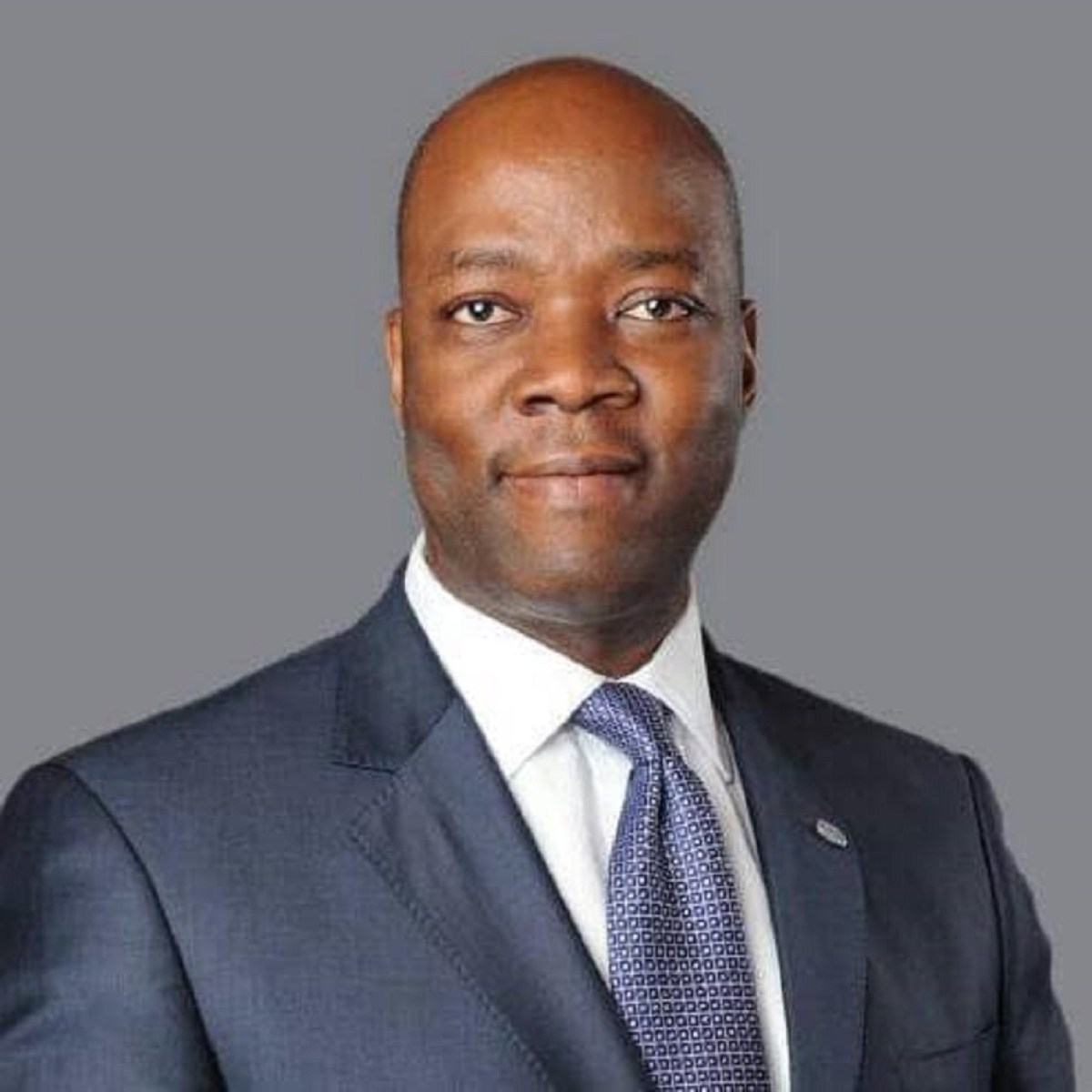
Mr. Patrick Akinwuntan
Managing Director
Ecobank Nigeria
Mr. Patrick Akinwuntan Managing Director, Ecobank Nigeria, has said the biggest growth opportunities in digital financial inclusion lies in the ability to combine the mobile phone, cards and agency banking services in the most cost effective and convenient way to reach the citizenry on a sustainable basis.
Akinwuntan, who made this submission at the Ecobank-Vanguard Digital Financial Inclusion virtual summit in Lagos explained that bank branches and ATM channels are cost intensive to scale and less attractive to mass market financial service providers.
He said agency banking, Unstructured Supplementary Service Data (USSD), mobile app, card services, including internet banking and chat bots remain optimum channels for digital financial inclusion.
The Ecobank Managing Director explained that digital financial inclusion entails deployment of cost saving digital means to reach financially excluded and under-served population with a range of financial services suitable to their needs and delivered at affordable cost, noting that it offers lots of benefits to all players in the value chain and also engenders wealth creation, drives economic growth and sustainable development.
Further, he observed that the Nigerian financial inclusion trend has improved significantly, with exclusion rate declining 15.7 per cent between 2008 and 2018.
“There is sustained growth in digital financial inclusion, and it is largely driven by customer changing demands; entrance of non-traditional players such as Fintechs, Payment Service Banks (PSBs); mobile services penetration and enabling regulatory environment. With the introduction of mobile wallet Tier 1 accounts accessible with a phone number, agency banking, micro-lending, mobile BVN, micro-insurance, cashless policy and others we should now begin to move from poverty alleviation to wealth creation for the citizenry. Further partnership and collaboration of all stakeholders remains critical to deliver further growth in digital financial inclusion. Ecobank has been committed to driving digital financial inclusion through her pan Africa network advantage, award winning capabilities and various flagship products and services. We collaborate with Fintechs in Africa, as we are present across 33 countries in Africa. If you wish to bring your innovation into the financial system, you can reach out to us and we will guide you through the required regulatory requirements and then integrate your innovation into our digital payments and financial system”he stated.
In his presentation, Chief Executive Officer, 9mobile, Alan Sinfield, said though the telecom operators are playing a vital role in financial inclusion of unbanked and under-banked, collaboration and partnership of all stakeholders was key to increase volume of digital transactions and mobile money activities.
He lauded CBN for granting licenses to 3 Payment Service Banks (PSBs), stating that the PSBs will further help to drive financial inclusion and critically stimulate savings and investment as more liquidity is mobilised from the informal sector to the mainstream financial system that will translate to increased economic activities.
“Telcom operators in Nigeria have a customer advantage that financial institutions could benefit from to deepen their penetration. Banking started before telecommunication, but there are more active mobile lines than active bank accounts in Nigeria. A very key indication that we can achieve more through collaboration”he stated
Also speaking, Director, Payment System Management, Central Bank of Nigeria (CBN), Mr. Jimoh Musa averred that financial inclusion is at the heart of the apex bank as it has been playing active role though the strategy is for the whole economy, stressing that the CBN is interested in the progress of financial inclusion in Nigeria.
He lauded Ecobank and Vanguard for providing the platform to discuss financial inclusion to support the effort of making financial services available to Nigerians. He disclosed that CBN is coming up with other strategies in 2021 basically to enhance the operating environment more conducive for every participant in the payment system with special focus on Fintech.
He added that the apex bank has done creditably well in agency banking, mobile money operations, digital banking, industry cost to service, and requirements of opening bank account to promote financial inclusion.
The Ecobank Vanguard Digital Financial Inclusion summit was designed to convene policy makers, operators, business and thought leaders as well as industry professionals to chat the way forward for the Nigerian digital financial landscape, specifically financial inclusion for the vast majority of citizens operating within the informal sector of the economy.
Women Entrepreneurs in Nigeria to Benefit from Directory of Business Support Organisations

Segun Awolowo
Executive Secretary/CEO
Nigerian Export Promotion Council (NEPC)
A significant barrier for women entrepreneurs in Nigeria who find it difficult to access business support services, establish contacts, and obtain information has been lowered with the launch of a directory of business support organisations (BSOs).
The online BSO Directory for women-owned businesses in Nigeria has been launched by the International Trade Centre (ITC) as part of its SheTrades Commonwealth project, which is funded by the United Kingdom’s Foreign, Commonwealth, and Development Office (FCDO).
“Today we are focusing on partnership for better integration of women into the economic fabric of Nigeria through connecting them to global trade, ”Nigerian Export Promotion Council (NEPC) Executive Director/CEO, Olusegun Awolowo said.
“Women are the backbone of practically all economies, especially the informal economy. Therefore we must join other countries by working together to boldly make women business enterprises a significant contributor to the country’s economy and revenue,” he said.
The BSO Directory, produced by NEPC in partnership with ITC, presents a profile of existing BSOs for women in export sub-sectors in Nigeria.
“It also provides a plethora of opportunities for women-owned businesses to contact BSOs and use their services in non-oil export transactions, ”Deputy Director of Export Development and Incentives,”Esther Ikporah said.
“The launch of this directory is an important step towards bridging the gap between BSOs and women-owned businesses. The NEPC encourages businesses to tap into opportunities brought by the directory,” she said.
NEPC Director of Policy and Strategy Ifeyinwa Evelyn Obidike said: “In tandem with mandate of NEPC and in demonstration of the council’s commitment to women’s empowerment and inclusiveness in non-oil exports, the directory is a significant milestone and a paradigm shift towards bridging the information, experience and exposure gaps inhibiting women-owned businesses in their internationalisation efforts. The NEPC is optimistic that the BSO Directory will fulfil its core purpose of linking Nigerian women-owned businesses to the BSOs.”
In addition to being a one-stop catalogue to access key profiles and relevant BSO contact information, the BSO Directory provides information on capacity building, business generation, funding, and advisory opportunities available to women-owned businesses in Nigeria.
The website also includes a dedicated COVID-19 section that offers trusted information on various institutional initiatives and services open to women-owned businesses.
Engagement with BSOs is a crucial channel through which the SheTrades Commonwealth project aims to help develop a more gender-inclusive business ecosystem in Nigeria.
The project has delivered numerous online training courses, workshops and coaching to BSOs in Nigeria to promote more inclusive service portfolios for women-owned businesses since the launch of the SheTrades Commonwealth project in 2018.
SheTrades Commonwealth has launched BSO Directories in Bangladesh, in partnership with SME Foundation, and in Ghana, in partnership with the National Board of Small Scale Industries (NBSSI) in the past few months.
SheTrades Commonwealth works closely with BSOs across Bangladesh, Ghana, Kenya, and Nigeria on pandemic response measures. It has developed a COVID-19 Crisis Management Toolkit that provides women-owned businesses with resources to assess the impact of the crisis and (re-)design their business models for greater resilience.
In November 2020, the project also organised a virtual gathering, Sharing for Success – A Virtual Gathering for Business Support Organisations to facilitate the sharing of best practices and lessons learned from managing the COVID-19 crisis.
The event helped reinforce BSOs’ capacity to support women-owned businesses and the private sector during and after the pandemic. More than 100 BSOs from over 25 Commonwealth countries participated in the week-long event.
Emirates Clinches 3 Gongs at World Travel Awards
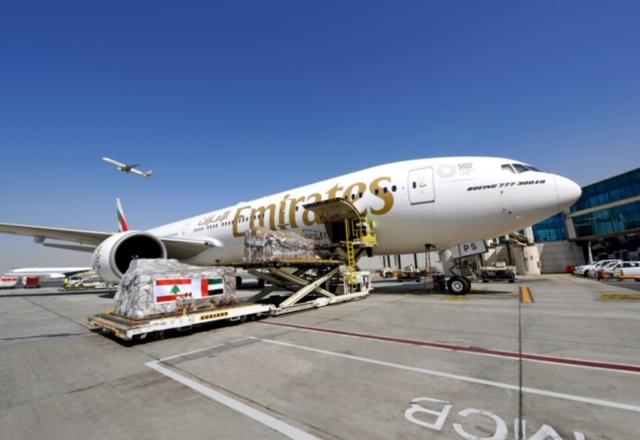
Emirates has been named as the World’s Leading Airline in three major
categories at the World Travel Awards 2020: World’s Leading Economy
Class, Airline Rewards Programme and Airline Lounge – Business Class.
Earlier this month, Emirates also took home four regional World Travel
Awards for the Middle East’s Leading Airline Brand; Middle East’s
Leading Airline Lounge – Business Class; Middle East’s Leading Airline
Rewards Programme and Middle East’s Leading Airline Website.
The airline took top rankings across both the global and regional
categories based on a record voter turnout from tourism consumers, a
testament to its ongoing efforts and focused approach to continually
enhance the customer experience in spite of challenges posed by the
global pandemic.
The latest honours come hot off the heels of a flurry of other award
wins over the last few weeks, including four wins at the Business
Traveller Middle East Awards, the Best Airline for 2020 at The Sun
Travel Awards, Best Long-Haul Airline at The Times and The Sunday Times
Travel Awards, in addition to being rated as the safest airline in the
world for its response to the COVID-19 pandemic according to the Safe
Travel Barometer.
Part of the airline’s commitment to deliver outstanding value to
customers is through industry-leading service and products across every
class of travel. In Emirates’ Economy Class, customers can explore over
4,500 on-demand entertainment channels on the airline’s award-winning
inflight system, ice. The airline also caters to every palate with
regionally inspired multi-course meals and complimentary beverages. In
early November, Emirates signature onboard dining experience returned
while observing strict health and hygiene measures.
In line with the airline’s ongoing efforts to ensure a seamless and safe
customer journey, as well as provide technology options to enhance the
overall experience, the Emirates app has also been enhanced to allow
customers to sync their entertainment options prior to boarding, as well
browse menus on their personal devices both online and offline.
To further safeguard customer health and well-being, Emirates has put in
numerous safety measures across every customer touch-point on the ground
and in the air, including the distribution of complimentary hygiene kits
containing masks, gloves, hand sanitizer and antibacterial wipes to all
customers.
The airline’s Business Class lounge in Concourse B in Dubai delivers
elevated comfort and service for Emirates’ premium customers. With
safety and hygiene measures in place, customers can relax, savour global
flavours, and catch up before they board their next flight. The Emirates
Business Class lounge at Terminal 3 at Dubai International Airport has
also gradually revived its renowned pre-pandemic offerings such as full
food and beverage services, quiet areas, amongst other experiences.
Emirates Skywards, the loyalty programme of Emirates and flydubai,
recently marked its 20 year anniversary and has grown its base to over
27 million highly engaged members in 180 countries by offering value in
bespoke experiences, brand partnerships and digital technologies.
To meet and exceed the ever-growing expectations of consumers for a
better digital experience, the airline has made significant investments
into its mobile and digital channels, such as personalized ice playlists
via Emirates app, 3D cabin previews ahead of travel, tickets bidding for
highly sought after event and sporting experiences using Skywards Miles,
amongst numerous other innovations. The Emirates app has been downloaded
over 25 million times, on the back of solid consumer uptake for a joined
up experience across all touch-points. During the pandemic, emirates.com
became an information ‘hub’ for the most up to date travel information
for consumers and industry stakeholders.
The annual World Travel Awards is a prestigious event that acknowledges
rewards and celebrates organizations within the travel, tourism and
hospitality sectors, and is recognized as a hallmark of industry
excellence. Winners were announced at a Grand Final event in Moscow,
Russia.
SEC DG, House Committee on Capital Market Chair Visits NSE

L – R shows Chairman, Committee on Capital Market and Institutions, Federal House of Representatives, Honourable Ibrahim Babangida; Chief Executive Officer, The Nigerian Stock Exchange (NSE), Mr. Oscar N. Onyema and Director General, Securities and Exchange Commission (SEC), Mr. Lamido Yuguda at the enlightenment tour to The Exchange on Wednesday, 9 December 2020.
Verve ‘Good Life’ Promo Grand Prize Presentation for Dec 19

Verve International has fixed December 19, 2020 for the ceremony to present the grand prize to winners of its on-going ‘Good Life’ promo, which kicked off in September 2020. The event will hold in Lagos where Verve will reward two lucky cardholders with the grand prize of N1 million each.
The Verve ‘Good Life’ promo was launched to reward loyal Verve cardholders and enable them to live the good life, whatever the ‘good life’ means to them. Since the unveiling of the promo, several cardholders nationwide have won different monetary prizes and airtime credits from the over N27 million prize pot.
With two weeks plus left to the end of the promo, over 450 lucky customers still stand the chance to be among the winners of the monthly cash prize of N50, 000 weekly cash prize of N10,000 and N5,000 airtime reward.
Banking customers are advised to visit their respective banks to request for a Verve card while Verve cardholders are encouraged to use their cards frequently, to stand a chance to win.
Cherry Eromosele, the Group Chief Marketing and Communications Officer, Interswitch Group, said that since the launch of the Verve ‘Good Life’ promo, the firm has stayed true to its words by consistently rewarding loyal cardholders across the country.
“We have certainly shown exemplary leadership by walking the talk with the Verve ‘Good Life’ promo. Since the launch of the promo, we have consistently rewarded our loyal customers with cash prizes and airtime,” Eromosele said.
She added: “As we draw closer to the end of the Verve Good Life promo, I urge everyone without a Verve card to visit their respective banks and request for one, to stand a chance to win the grand prize of N1 million and other mouth-watering prizes.”
She stated that Verve will continue to exploit reward programmes to appreciate and positively impact customers, while providing premium card services.
To stand a chance to win the grand prize of N1 million, cardholders will have to use their cards 36 times across PoS terminals, ATMs, the web, or agent banking centres before the end of the promo on the December 13, 2020. To qualify for the weekly draw category, new and existing cardholders are expected to transact with their Verve cards at least three times in a week.
For the monthly wins, cardholders will have to use their cards 12 times in the month to pay bills, transfer funds, recharge airtime, withdraw cash, etc. to stand a chance.
Nigeria: Mobile Phone Market Rose by %14, 3m Units in Qtr 3

Smartphone shipments into Nigeria increased 13.7% quarter on quarter (QoQ) in Q3 2020 to almost 3 million units, according to the latest figures from global technology and consulting services firm International Data Corporation (IDC).
The firm’s newly published Quarterly Global Mobile Phone Tracker shows that Nigeria’s smartphone market remained healthy in the third quarter as vendors shifted their model portfolios to entry-level and mid-range devices.
Transsion’s Tecno, Itel, and Infinix brands dominated smartphone shipments in Q3 2020 with a combined 76.4% share. Samsung placed second with 7.0% share and Xiaomi placed third with 5.3%. Chinese brands continue to invest in the country as they attempt to penetrate the market and gain a foothold.
The average street prices of smartphones declined marginally (0.3%) as the dollar exchange rate remained high. The increase in VAT by 2.5 percentage points also had a negative impact on prices. With the relaxation of COVID-19 measures, the majority of consumers returned to the physical retail channel in Q3 2020, leading to a 21.5% QoQ increase in retail sales.
Feature phone shipments rebounded strongly in Q3 2020, with shipments increasing 21.2% QoQ to account for 56.0% of the country’s overall mobile phone market. Feature phones remained resilient as they continue to be the preferred secondary phone in an environment of declining consumer purchasing power and rising unemployment. The major players in the feature phones space in Q3 2020 were Tecno with 49.7% share, Itel with 34.8%, and Nokia with 8.2%.
“In light of the economic hardships caused by the COVID-19 pandemic, vendors continued to ship more affordable devices priced below $200 as they sought to address demand for cheaper models and penetrate consumer segments with lower purchasing power,” says George Mbuthia, a Research Analyst at IDC. “This strategy of offering more devices in the entry-level and mid-range price bands (<$200) ensured a faster market recovery from the weak performance seen in Q2 2020, which was heavily impacted by COVID-19."
IDC expects Nigeria's overall mobile phone market to grow 3.1% QoQ in Q4 2020, with feature phone shipments increasing 1.9% and smartphone shipments growing 4.7%. "Promotions from the end of November through the festive month of December will support the market's growth in Q4 2020," says Ramazan Yavuz, a Senior Research Manager at IDC. "COVID-19 will continue to pose a threat to the overall economy and, in particular, to mobile phone markets. However, smartphone shipments will remain resilient in 2021, with customers moving from feature phones to smartphones and data usage increasing in the medium term."
About IDC
International Data Corporation (IDC) is the premier global provider of market intelligence, advisory services, and events for the information technology, telecommunications, and consumer technology markets.
With more than 1,100 analysts worldwide, IDC offers global, regional, and local expertise on technology and industry opportunities and trends in over 110 countries.
IDC's analysis and insight helps IT professionals, business executives, and the investment community to make fact-based technology decisions and to achieve their key business objectives.
Founded in 1964, IDC is a subsidiary of IDG, the world's leading technology media, research, and events company.
Ecobank, Vanguard Financial Inclusion Forum Set for Dec 8

All is set for the digital financial inclusion summit as Ecobank Nigeria, in partnership with Vanguard Economic Forum Series, convenes top minds in the industry on a discussion centering around Digital Financial Inclusion. The virtual summit is slated for 8th of December, 2020.
The Speakers and panelists who are subject matter experts in digital transformation and financial inclusiveness were carefully drawn from the banking, regulatory bodies, telecoms and other key sectors of the economy notably Jimoh Itopa, Director Payment System Management, Central Bank of Nigeria (CBN), Alan Sinfield, current CEO 9mobile, Ronke Kuye, CEO, Shared Agent Network Expansion Facilities Limited (SANEF), Jacqueline Juma of EfinA a transformative specialist in Digital Financial Services (DFS), Engr. Gbenga Adebayo, Chairman of Alton, and Kolawole Olanike, Head Agency Banking, Ecobank Nigeria.
According to a statement from Ecobank and Vanguard, Alan Sinfield, CEO 9mobile is a telecoms expert with vast international and operational expertise and experience in wireless telecoms, fintech, and banking sectors spanning over 30 years. He had been a CEO at Ooredoo (Starlink), a subsidiary of Qatar Telecommunications Group.
Ronke Kuye, is the Chief Executive Officer of Shared Agent Network Expansion Facilities Limited (SANEF). Ronke has over 24 years experience in banking, cards and Payment systems and e-business, Operations, Process Transformation and Project Management.
Jacqueline Juma, a transformative specialist in Digital Financial Services (DFS), currently serves as the Head, Digital Financial Services at EFInA.
Also listed as panelists are Engr. Gbenga Adebayo, the Chairman of Association of Licensed Telecom Operators of Nigeria (ALTON) and Kolawole Olanike, Head Agency Banking in Ecobank.
Announcing the Summit in Lagos recently, Head, Consumer Banking, Olukorede Demola-Adeniyi said the Summit will provide a platform to discuss the need for a comprehensive alignment of policy and regulatory frameworks among regulators like CBN, NCC, NITDA to support a sustainable digital financial inclusion growth, examine key issues and ways of advancing digital financial inclusion for women, youths and MSMEs and discuss the role of interoperability in mobile payment innovation. Further she mentioned that the role and impact of agency banking for financial inclusion growth will be x-rayed as well as the need for public and private sector investments in internet infrastructure and mobile connectivity growth in rural areas.
Also, Jude Ndu, Director Vanguard Conferences and The Economic Forum Series, said the Summit would help Ecobank communicate and connect with Nigeria’s largely unbanked population on the urgent need to adopt and subscribe to innovative digital payment channels like the *326# and financial service offerings to close the large financial Inclusion gap and a direct response the economic challenge post-COVID-19.
The Ecobank Digital Series is a virtual programme organised by Ecobank to educate and enlighten the public on crucial issues of public interest, especially as it relates to their financial freedom.
Stanbic IBTC Bank Wins Agric Bank of the Year Award
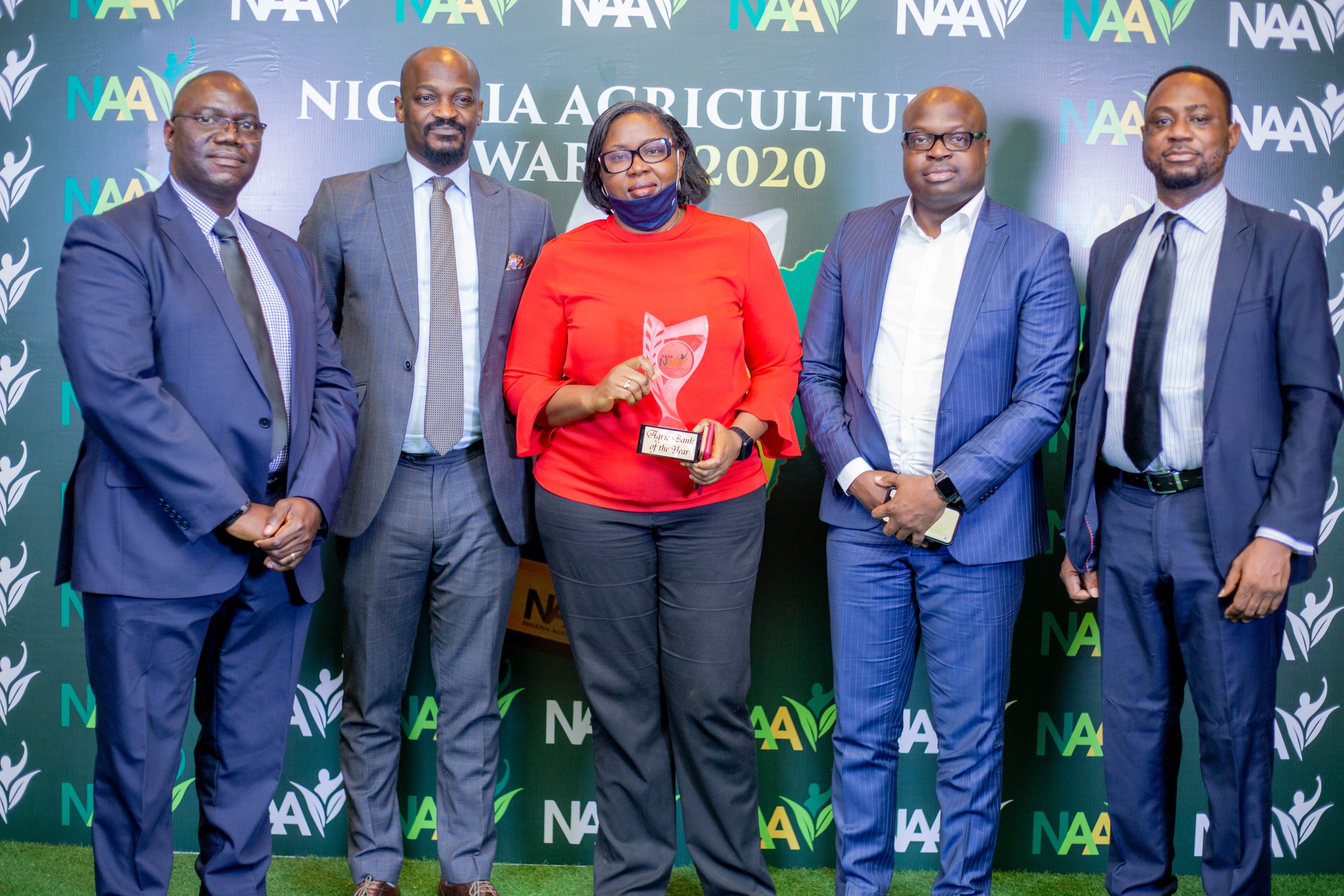
L-R: Wole Oshin, Head, Agribusiness; Olushola Alarege, Head, North Central
Zone; Onyinye Agubuokwu, Relationship Manager, Agriculture; Ibitoye Fajana,
Head, Commercial Banking Suite, North Central Zone and Victor Olanihun,
Relationship Manager, Agriculture, all of Stanbic IBTC Bank PLC, at the
Nigeria Agriculture Award (NAA) recently held in Abuja where Stanbic IBTC
Bank won the Agric Bank of the Year Award
Stanbic IBTC Bank PLC, a subsidiary of Stanbic IBTC Holdings PLC has won Agric Bank of the Year Award at this year’s edition of Nigeria Agriculture Awards (NAA)for the second consecutive year. The Bank had earlier won the award in 2019.
The award, organised by Agro Nigeria,recognises Stanbic IBTC Bank’s commitment to the development of agribusiness in Nigeria and consistency in providing financial solutions to farmers and agricultural enterprises across the country.
Since its existence in 2014, the prestigious NAA has continued to celebrate stakeholders who have excelled in their contributions to the growth of the agricultural sector in Nigeria.
Speaking on this award, Wole Oshin, Head, Agribusiness,Stanbic IBTC Bank PLC, said the remarkable contributions of the bank in the agricultural sector are aimed at growing the industry and in turn, the Nigerian economy.
According to him: “The growth of the agricultural sector is pivotal to economic development. We recognise this at Stanbic IBTC Bank, that is why we intentionally develop initiatives and foster partnerships that support players in the industry.”
Oshin praised the dedicated workforce whose professionalism and wealth of experience have continued to make Stanbic IBTC Bank fulfil the dreams of its esteemed customers.
The 2020 edition of NAA was held at Abuja on Tuesday, 02 December 2020.
CHI Renews N24m Accident Insurance Cover for Journalists

Eddie Efekoha
Group MD/CEO
CHI Plc
Consolidated Hallmark Insurance (CHI) Plc has renewed the Group Personal Accident Insurance cover worth N24 million sum assured for insurance journalists in the country.
This, according to the company, is part of its Corporate Social Responsibility (CSR) project, to ensure that journalists who are exposed to danger and hazard in the discharge of their civic duties are adequately protected. The Group Personal Accident Insurance covers death, permanent disability and medical expenses.
The policy, now in its 9th years, has been running since 2012, and is renewed annually by the company. The cover was renewed in October, 2020 and it is due to expire in September 2021.
The policy covers all members of the National Association of Insurance and Pension Correspondents (NAIPCO) across the country while the company has promised to continue to renew the coverage for the journalists every year.
Reacting to this development, the Group Managing Director/CEO, CHI, Mr. Eddie Efekoha said this gesture is to show the kind of values and respect his insurance firm has for journalism, believing, journalists, who are the shapers of the society, and by extension, the insurance industry, must be well taken care of.
Journalism, he said, is a risky profession, hence, the need to adequately provide insurance for those covering the insurance industry.
In the case of the death of any of the concerned journalists, he said, the family of the deceased is entitled to N1 million death benefits. “A journalist who suffers permanent disability in the discharge of his duties will also be entitled to N1 million. The cover provides for medical expenses to the tune of N200, 000 per journalist in the case of an accident,” he pointed out.
Applauding the initiative, the Chairman, NAIPCO, Mr. Chuks Udo Okonta, said this is a rare gesture from CHI, as part of its CSR initiative aimed at impacting lives of IRS Immediate community.
He, on behalf of all members of the association, thanked the company as well as its GMD, Mr. Eddie Efekoha, for recognising the pivotal roles journalists are playing in the society and indeed insurance industry, promising that, this will serve as moral boosters for his members to continue to discharge their duties ethically and professionally with exhibiting any fear or intimidation.
He was particularly happy for the fact that in 2013, Mrs. Bimbo Oyetunde of Radio Nigeria received medical bill compensation from CHI after she was involved in a ghastly motor accident alongside other members of the Nigerian Union of Journalists (NUJ) on their return from Abuja after an official assignment where three people died.
To him, ” Your company has lived up to expectation in the past when one of our members benefited from this policy and that, we are grateful for. Although, we don’t pray for hazard to happen, but we are relaxed that if the unexpected happens, CHI is always there for us.”
Pension Transfer Window: 2,100 RSA Holders Seek Change of PFAs

Following the launch of the pension transfer window by the National Pension Commission (PenCom) recently, over 2, 100 Retirement Savings Account (RSA) holders have applied to move their pension accounts from their current Pension Fund Administrators (PFAs) to a new one.
Making the disclosure at the virtual 2020 Pension Fund Operators Association of Nigeria (PenOp) Media Retreat for pension correspondents today, the Head, ICT, PenCom, Mr. Polycarp Anyanwu, said, over 2,100 applications were submitted and received by the commission between 16th and 30th of November, 2020.
The transfer window known as Retirement Savings Account Transfer System (RTS) was launched by PenCom on the 16th of November, 2020 in Abuja, in accordance with Section 13 of the Pension Reform Act, 2014 which allows contributors to move their Retirement Savings Account (RSA) through a transfer window from one Pension Fund Administrator (PFA) to another, provided that it is not more than once in a year.
Polycarp noted that, most of the pension contributors seeking a switch to a new PFAs were those who were not contented with the service delivery of their current pension fund handlers, a development, he said, will no doubt, enhance quality service delivery of the PFAs to their clients.
Explaining how the window operates, he said, the RTS has four quarters in a year, which are; 31st of March, 30th of June, 31st of September, and 31st of December in which contributors can change their PFAs once in a year, adding that, the over 2,100 applications received so far, would be processed for the 31st of December, 2020 window.
A month to the above mentioned dates, he said, the concerned pension fund operators must have submitted necessary documentation to the regulatory body, informing it of the amount leaving their kitty and the RSA holders concerned, so as to give ample time for both PenCom, the affected PFAs and the receiving PFAs to plan ahead.
On the part of the contributors, he said, majorly, fingerprint, which serves as their consent, is a unique criteria to switch PFAs. Although, he expects some pension fund operators to be on the losing end and some proactive ones winning the disgruntled contributors, he stressed that, the overall benefits, is to instill healthy competition among operators, which would, in return, lead to better service delivery and improved investment returns on pension assets.
Similarly, the head, Corporate Communications, PenCom, Mr. Peter Aghahowa, said, the activation of the RSA transfer process will engender competition and improve service delivery in the pension industry, while asserting the right of RSA holders to determine which PFA manages their pension contributions and retirement benefits.
Addressing participants at the conference, the new president, PenOp, Mr. Wale Odutola, who is also the Managing Director/CEO, ARM Pension PFA, said, pension fund operators have done the necessary requirement by upgrading their IT systems in a bid to enhance seamless pension account transfer among operators, while PFAs have attached much importance to better service delivery.
He believes this is a concept that will change service delivery in the entire pension industry landscape, a development, he said, would benefit the contributors and Contributory Pension Scheme (CPS) retirees the most.
According to him, the ultimate aim is to grow the pension industry, make the pension funds have a bigger impact on the economy, and give good investment returns to contributors, shareholders and relevant stakeholders, and we, the operators are a critical stakeholder in this process and we all will make it work.
PenCom Board Inaugurated in Abuja

Secretary to the Government of the Federation (SGF), Mr. Boss Mustapha; Chairman, Board of National Pension Commission, Mr. Oluremi Oni; Director-General of National Pension Commission (PenCom), Mrs. Aisha Dahir-Umar (middle), flanked by members of the Board of the National Pension Commission, at their inauguration, at Transcorp Hilton, Abuja, on 3rd December 2020.
The IICC Media Retreat 2020

L-R: Mr Fatai Adegbenro, Executive Secretary, NCRIB; Mr. Rasaaq Salami, Head of Corporate Affairs, NAICOM; Sir Muftau Oyegunle, President of CIIN and Chairman of IICC; Mrs. Abimbola Omowunmi Tiamiyu, DG, CIIN; Mr. Gbenga Adebija, DG, Nigerian British Chamber of Commerce, Mr. Tunde Oguntade, Deputy President NCRIB at the Insurance Industry Consultative Council 2020 Media Retreat held at in Ijebu- Ode, Ogun State.