

The fifth edition of Insurance September, an annual interactive event for insurance policyholders is scheduled for Thursday, September 30, 2021.
The conversations at the conference with the theme “The Emerging Pace of Insurance” will be focused on shifting the work being done in the insurance sector in Nigeria from trying to correct the wrongs to remaking insurance into an effective system that works for its stakeholders.
According to the Convener, Ekerete Ola Gam-Ikon, an Insurance Expert and Management Consultant, this year’s hybrid event (in-person at Abuja) is featuring young entrepreneurs keen to share experiences and expectations that will enable insurance relationships and partnerships deliver more value in this post COVID-19 era, especially through the engagement of the huge population of digital-oriented youths in Nigeria.
As in previous editions, Insurance September 2021 has attracted a rich array of Speakers including Mrs. Bolaji Sofoluwe, Co-founder/Managing Director of UK-based ETK Group Limited; Mr. Lawrence Bitrus Atafache, CEO of Creatify Inc; Ms. Eno Essien, CEO of Rheytrak Limited; Dr. Sunday Seno Agbonika, CEO of Collars and Paws Limited; and Ms. Hauwa Bako Mohammed, COO of Bako Kontagora Development Foundation, who will be the Moderator of this landmark
edition.
The Commissioner for Insurance/CEO of National Insurance Commission (NAICOM) is expected to deliver an extraordinary message to this year’s gathering and hopefully participants will receive clarifications on developments in the insurance sector as they did during the 2019 edition.
Insurance September, envisioned “to be the leading dialogue that educates risk bearers and measures risk takers towards improving their mutual experiences”, is becoming the beacon of hope for insurance policyholders and has helped reshape their behavior since 2017 when the inaugural edition was held in Lagos.
Ekerete is optimistic that this 5th edition will emphasise the impact of the affinity between Nigeria’s young population and technology (Insurtech) as the significant advantage for the insurance sector to leapfrog and take its rightful place as the financial instrument that keeps economies resilient even in these post COVID-19 times.
There is no doubt that the insurance sector in Nigeria needs more awareness campaigns and Insurance September is proving to be a distinctive initiative.
Insurance September 2021: Remaking Insurance to Serve Stakeholders Effectively

Heritage Bank CEO: ‘SMEs Need Digital Identity to Access Credit’
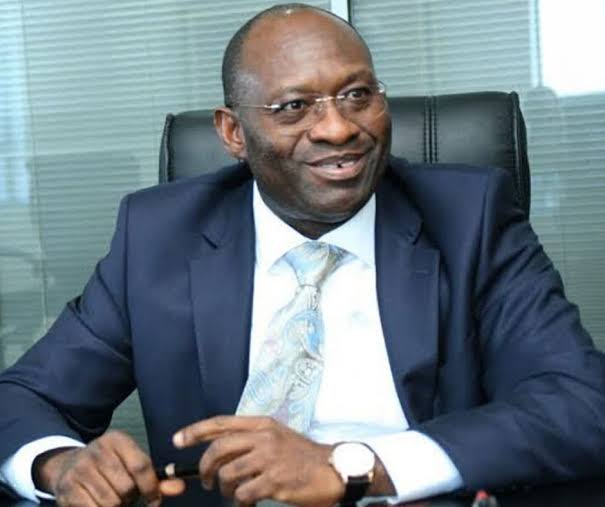
The Nigerian government must resolve the identity management system challenges in the country to empower commercial lenders to extend credit to Small and Medium Enterprises (SMEs) with less worry, the Managing Director/CEO, Heritage Bank Limited, Mr. Ifie Sekibo, has advised.
Speaking at the Finance Correspondents Association of Nigeria’s (FICAN) 30th-anniversary conference and awards with the theme: “Financing infrastructure & SMEs for inclusive growth in the post-COVID-19 economy”, which was held in Lagos, noted that until the country developed an identity management system that delivers value to the citizenry, SMEs will continue to grapple with financing challenges.
Sekibo, who was represented by Olusegun Akanji, Divisional Head, Strategy and Business Solutions explained, “Though the banking industry has financed a lot of SMEs in terms of count, it is the sector that has the largest numbers of bad loans and frauds in terms of count.”
According to him, the government needs to also put in place enabling policies that will support the private sector to complement the government’s efforts at bridging the country’s infrastructure deficit.
He added that the government alone cannot solve the country’s infrastructure challenges, noting that it is the private sector that will deliver the solution.
“We need the global private sector intervention to help us achieve a vision of infrastructural development,” Sekibo also said.
More so, the Managing Director/CEO, Fidelity Bank Plc, Mrs. Nneka Onyeali-Ikpe, who was represented by Osaigbovo Omorogbe, Divisional Head, SME Banking, said though banks are willing to support SMEs, many of them lack capacity.
He argued that, “Commercial banks are not running away from supporting SMEs but joining hands with the government and other stakeholders to refinance all of what you see around infrastructure which is critical to the economy.
“I think the questions that should be answered for every proposal are, ‘Is it bankable? If you are going into this, what structure should be in place to ensure that the funds we are going to put in will be recovered back because we have stakeholders and investors who are also looking towards a good result’?”
The former Acting Managing Director, Bank of Industry (BOI), Dr. Waheed Olagunju, called on the government and the private sector to boost the capacity of the SMEs sector.
According to him, “We need to build the capacity of our people; the government and the organised private sector have a role to play.”
He added that there must be a way of helping the SMEs as the engine of growth in the economy, pointing out that the demand side and the absorptive capacity of the SME must be looked into.
“I believe that the government and private sector development partnership will help. We need to work on the ecosystem looking at what other countries have done: they invested in industrial parks and technology as a short-term measure”.
He said the world is awash with investable funds of more than $17 trillion, stressing that Nigeria is one of the best investment environments in the world.
“Investors are looking for where to invest and return-on-investment in Nigeria, prior to COVID-19, was one of the highest in the world. According to UN statistics, Nigeria was ranked between 21 and 35 per cent on Return-on-Investment, Nigeria has the highest foreign direct investment in Africa. The world wants to do business with Nigeria,” he said.
In addition, Mr Bola Koko, Managing Director of FMDQ Group, represented by Yomi Osinubi, said, “If you want SMEs to get the best benefits of infrastructure development in the country, the CBN Governor mentioned the largest areas to focus which is energy; the second-largest is the logistics – movements of cargo around the country,” he said.
‘74% of Nigerians Invest in Crypto-currency for Family Upkeep’

Luno, the leading global cryptocurrency company, has revealed in a new online global survey that only 2% of Nigerian cryptocurrency investors surveyed do not have a plan when making investment decisions, delivering a groundbreaking insight into how consumers manage the investment risks attached to the country’s growing wave of crypto adoption.
The findings emerged when respondents were asked which statement best describes their investment approach with 36% saying they react to market changes and invest where they feel comfortable, a further 31% stating they limit speculative investments to a small percentage of their funds and 29% describing their approach as having a plan and sticking to it.
The survey, which included nearly 7,000 respondents from Nigeria, Kenya, South Africa, UK, Australia, Indonesia and Malaysia, not only found cryptocurrency investors in Nigeria to be financially-savvy, but also to be investing for sensible and long-term goals.
Almost three quarters (74%) of Nigeria’s crypto investors say the most important purpose of having money to them is to secure the wellbeing of their family and leading uses for returns on investments amongst Nigerian adults willing to invest their salary in cryptocurrency included paying for children’s education (45%), savings for a home deposit (43%) or to establish a fund to pass onto their grandchildren/children (40%).
The trend of a focus on long-term goals was further supported by the fact that nearly three in ten Nigerian investors held their crypto between one month and a year (27%), refuting the “get-rich-quick” perception which can be associated with the industry.
Speaking on the findings, Owen Odia, Luno’s Country Manager for Nigeria, says: “The massive scale of crypto adoption in Nigeria has been well documented over the last few years, but in recent months, the conversation has shifted to a much more pressing issue – are consumers handling this transition to investing in a cryptocurrency, safely? These findings should provide a major boost of confidence that the average crypto investor in Nigeria has sensible investment habits and reasonable financial goals, which dispels a lot of the myths and stereotypes currently surrounding them.”
“However, this doesn’t mean discussions about protecting crypto consumers in Nigeria should stop here. Our aim is that this research progresses the debate about the current state of crypto regulation in the country so we can work closely with the authorities to establish a robust framework that further minimises the risk exposure for consumers.”
Across the countries surveyed, Nigeria had the highest number of people who conducted thorough research before investing in cryptocurrencies (61%) with Kenya and South Africa ranked at 56% and 48% respectively.
Over the next five years, Nigerians are also the most willing to invest some of their salary in cryptocurrencies (81% compared to 67% in Kenya and 63% in South Africa).
Luno’s research also shows that cryptocurrency holders across the globe aren’t singularly focussed on digital currencies. In fact, they are much more likely than their peers to save and invest in other asset classes. The overwhelming majority (78%) of cryptocurrency investors save regularly, versus approximately two-thirds of the general population (65%).
Not only do crypto investors save regularly, but they are also much more likely to hold diverse portfolios. Adopters of cryptocurrencies globally are also much more likely to hold other types of financial assets including bonds (19% v 10%) and even gold (25% v 14%).
Kenfield Griffith, CEO and Founder of Ajua, Africa’s first integrated customer experience company for businesses, adds:
“As the growth of fintech brings more transactions online in Africa, it’s vital that businesses go the extra mile to understand the habits and reasons behind their customers’ behaviour as there’s a huge growth opportunity to be unlocked. These findings from Luno should not only provide them with greater assurances about the safety of their customers, but should also put them in a much stronger position to optimise the customer experience on their platform and deliver more services that help their users achieve their financial goals.”
Stanbic IBTC: Working Towards Net Zero Emissions

As part of the Stanbic IBTC 2021 Sustainability Week event, Stanbic IBTC Holdings PLC, a member of Standard Bank Group, organised a sustainability webinar tagged “Working Towards Net Zero Emissions”.
The objective of the virtual event which was held on Monday, 20 September 2021 via the Group’s #Bluetalks platform, was to promote public awareness on the impact of climate change and provide practical methods towards reducing carbon footprints and achieving net zero emissions.
Delivering his opening remark at the event, Dr. Demola Sogunle, Chief Executive, Stanbic IBTC Holdings PLC said:
“We all cannot continue to ignore our responsibility in the current changes to the climate. Through small adjustments leading to a more conscientious and sustainable lifestyle, each one of us can take part in the global climate protection project. As reflected in one of our strategic value drivers SEE (Social, Environmental and Economic) Impact, Stanbic IBTC is focused on ensuring it does business responsibly whilst positively impacting the society and environment where we operate. As such, the 2021 Stanbic IBTC Sustainability Week is an opportunity for us to advance awareness around practical steps we are taking, and more which we can take, to make our world a better place.”
The webinar featured seasoned experts including Temesoye Jack, Group Head, Sales, Banks, Gas Stations and SMEs, Starsight Energy; Professor Kenneth Amaeshi, Chair in Sustainable Finance and Governance at the European University Institute (EUI) and Oluwasegun Olajuwan, Group Chief Executive Officer, THLD Group.
Temesoye Jack stated that renewable energy sources like solar energy can help countries attain net zero emissions. She said, “Solar energy can help us move towards reducing greenhouse emissions. We need to have more energy efficient offices nationwide. However, this shift will not happen overnight as it is a gradual process.”
She explained that Nigeria has barely scratched the surface when it comes to renewable energy and emphasised that sustainable practices do not have to end in the office but must be observed in all areas of the country
Prof. Kenneth Amaeshi highlighted the importance of harmonising technology upgrades and sustainable growth to reduce carbon emissions. He explained that sustainability at the global level is targeted at mitigating the adverse effects of climate change.
According to Prof. Kenneth, “From recent surveys, it is clear individuals are ready to go green. The affordability of clean energy will determine if we will be able to reduce carbon emissions.”
Speaking on practical steps that can be adopted to help in achieving net zero emissions, Oluwasegun Olajuwan, Group Chief Executive Officer, THLD Group, said “Autogas has been around for 40 years, and Nigeria is not fully embracing it. It is safer, cleaner and more cost effective than fossil fuel and diesel. Vehicle conversion from fuel to Autogas is affordable. CNG (Compressed Natural Gas) is more efficient than fuel. The use of CNG in vehicles mitigates the emission of nitrous oxide and hydrocarbons by 40% and 90% respectively, compared to petrol.”
Omolola Fashesin, Head of Sustainability at Stanbic IBTC, thanked the panellists for the informative session, which helped create awareness of alternative sources that can help reduce carbon emissions. She urged the participants to apply learnings from the webinar to take practical steps to reduce their carbon footprint.
Finally, in his closing remarks, Kunle Adedeji, Executive Director Finance and Value Management stated that “at Stanbic IBTC, we are committed to facilitating a better and more sustainable future for all. We have already commenced various workstreams that will help us on the journey towards Net Zero emissions. Some of these include understanding our energy sources, consumption patterns and possible areas for efficiency; adoption of cleaner energy sources in our office locations (leveraging Autogas and Solar energy solutions); and adoption of Tree Planting programs which will help us with carbon sequestration.”
Insurance September 2021: Remaking Insurance to Serve Stakeholders Effectively
The fifth edition of Insurance September, an annual interactive event for insurance policyholders is scheduled for Thursday, September 30, 2021.
The conversations at the conference with the theme “The Emerging Pace of Insurance” will be focused on shifting the work being done in the insurance sector in Nigeria from trying to correct the wrongs to remaking insurance into an effective system that works for its stakeholders.
According to the Convener, Ekerete Ola Gam-Ikon, an Insurance Expert and Management Consultant, this year’s hybrid event (in-person at Abuja) is featuring young entrepreneurs keen to share experiences and expectations that will enable insurance relationships and partnerships deliver more value in this post COVID-19 era, especially through the engagement of the huge population of digital-oriented youths in Nigeria.
As in previous editions, Insurance September 2021 has attracted a rich array of Speakers including Mrs. Bolaji Sofoluwe, Co-founder/Managing Director of UK-based ETK Group Limited; Mr. Lawrence Bitrus Atafache, CEO of Creatify Inc; Ms. Eno Essien, CEO of Rheytrak Limited; Dr. Sunday Seno Agbonika, CEO of Collars and Paws Limited; and Ms. Hauwa Bako Mohammed, COO of Bako Kontagora Development Foundation, who will be the Moderator of this landmark
edition.
The Commissioner for Insurance/CEO of National Insurance Commission (NAICOM) is expected to deliver an extraordinary message to this year’s gathering and hopefully participants will receive clarifications on developments in the insurance sector as they did during the 2019 edition.
Insurance September, envisioned “to be the leading dialogue that educates risk bearers and measures risk takers towards improving their mutual experiences”, is becoming the beacon of hope for insurance policyholders and has helped reshape their behavior since 2017 when the inaugural edition was held in Lagos.
Ekerete is optimistic that this 5th edition will emphasise the impact of the affinity between Nigeria’s young population and technology (Insurtech) as the significant advantage for the insurance sector to leapfrog and take its rightful place as the financial instrument that keeps economies resilient even in these post COVID-19 times.
There is no doubt that the insurance sector in Nigeria needs more awareness campaigns and Insurance September is proving to be a distinctive initiative.
IDC: Cloud Tech is Top Investment Priority in Next 5 Years

The potential for cloud technologies to break down silos and enable more contextualized views of data is having a dramatic impact on enterprise investment priorities for operations.
When asked to identify investment priorities for operations over the next five years, organisations ranked cloud highest, followed by wireless connectivity and artificial intelligence and machine learning (AI/ML), according to a recent Future of Operations survey from International Data Corporation (IDC).
At the same time, however, many enterprises have yet to move their operational data from on-premises to the cloud. IDC survey data reveals that fewer than 20% of organisations have put more than 50% of their operational data in the cloud.
Actual investments and the results from current AI/ML projects tell a more complicated story. While many organisations cite AI and ML as an important future technology investment area, most survey respondents indicated that they have no plans to use AI to analyze operational data in the next several years. Other survey findings provide insights into why this is the case. These findings will be discussed further in an IDC webinar to be held on September 28th.
“A point of resistance just a few years ago, organisations are now prioritizing investments and building strategies for putting operational data into the cloud,” said Leif Eriksen, Research Vice-President, Future of Operations.
“And, while the momentum is irrefutable, organisations will need to develop a specific cloud data management strategy that addresses organisational needs and objectives.”
AMCON Wins Award at FICAN 30th Anniversary Confab

L— R: Mr. Jude Chiedozie Nwauzor, Head, Corporate Communications Department, Asset Management Corporation of Nigeria (AMCON) who represented the Managing Director/CEO, Mr. Ahmed Lawan Kuru, at the 30th Anniversary Conference & Awards organised by Finance Correspondents Association of Nigeria (FICAN), receiving the award won by AMCON from Mr. Osita Nwasinobi, the Director, Corporate Communications, Central Bank of Nigeria (CBN) while Mr. Chima Titus Nwokoji, FICAN National Chairman watches at the event, which held in Lagos…at the weekend.
NDIC Receives Award for Support to FICAN, Financial Journalism

L-R: NDIC’s Director, Communication & Public Affairs, Mr. Bashir Nuhu (Left) receiving Award of Special Recognition for Support to Finance Correspondents Association of Nigeria (FICAN) and Financial Journalism in Nigeria on behalf of NDIC MD/CE from former MD, Bank of Industry, Dr. Waheed Olagunju while FICAN President, Chima Nwokoji watches in admiration in Lagos.
Access, GT, UBA, FCMB, Fidelity Bank Fined N1.4bn by CBN

Herbert Wigwe
Group Managing Director/CEO
Access Bank Plc
Access Bank Plc, UBA Plc, GT Bank Plc, Fidelity Bank Plc and First City Monument Bank (FCMB) Plc were fined over N1.4 billion in the first half of 2021 for various infractions/regulatory violations ranging from forex regulations and late filling of annual accounts amongst others by the Central Bank of Nigeria (CBN), Securities & Exchange Commission (SEC), Financial Reporting Council of Nigeria (FRCN) etc.
The fines are as follows:
- GT Bank: N692 million
- Fidelity Bank: N349.3 million
- Access Bank: N185. 5 million
- UBA: N278 million
- FCMB: N162. 3 million
P+ Measurement Plans18th Edition of EvaluatePR Sept 24

Nigeria’s foremost media intelligence agency, P+ Measurement Services is set to host its quarterly edition of EvaluatePR as it welcomes all communications professionals around the globe to the 18th edition of this event.
EvaluatePR is an informative event that will be honoured by communications and media monitoring professionals, who will be sharing their experiences, advice, insights, and quotes on Media Measurement, Monitoring, and Evaluation during the interactive session.
This edition will feature public relations and measurement practitioners which includes: Francois Van Dyk, Head of Operations, Ornico Group, Johannesburg, South Africa and Samuel O. Adeyemi, Lead Strategist, Media DNA, Nigeria, who together will share from their wealth of knowledge, experiences and insights to the theme of the event.
The 18th Edition of EvaluatePR, is scheduled to take place on Friday, September 24, 2021, with the theme “Media Monitoring & Measurement: An Essential Tool in Public Relations” between the hours of 12pm and 1pm (West African Time) on the Google Meet platform.
Jobberman, Mastercard Target 5m Job Seekers in Alliance for Better Work Initiative

Jobberman, a major job placement website in sub-Saharan Africa, has announced its Alliance for Better Work initiative, as part of its long-standing partnership with the Mastercard Foundation.
The employer-centred initiative is geared to radically bolster recruitment in Nigeria, with a focus on driving female hires and providing integrated end-to-end support on the easy-to-use online jobs’ platform.
Large corporations to SMEs in Lagos, Abuja, Kano and Kaduna will be able to capitalise on access to over 182,000 pre-vetted jobseekers between the age of 18-35, segmented by industry and qualification level and with a core focus on the agricultural, creative and digital sectors in Nigeria.
The Alliance for Better Work has been designed to improve job retention, workplace productivity, business development and, crucially, bridge the gap on gender unemployment which according to recent data is 35.2 percent compared to 31.8 percent for men. To-date, employers have faced challenges such as cost for training new employees, a flood of unfiltered applications and wide skills gap.
The campaign will run in parallel to Jobberman’s successful soft skills training program, which has already equipped 190,628 young people between the age of 18-35 for the workplace, as well as placing more than 82,600 in dignified employment.
The latest drive will see the pioneering platform draw from its leading expertise in the market to tackle both strands of recruitment with equal volition and on course to reach its target of securing employment for 3 million young people by 2025.
The Alliance will establish a commitment between Jobberman and employers in the agriculture, creative, digital, finance, healthcare, retail/FMCG, advertising and education sectors to #hirebetter and move beyond the inertia of costly recruitment processes.
According to Jobberman’s data insights, companies can spend an average of 4-6 weeks on their hiring process and cost an estimated 20-25 percent of the annual gross salary of a candidate to recruit.
The Alliance for Better Work is an exclusive recruitment club that gives employers access to the largest pool of trained quality candidates in the country, innovative end-to-end recruitment and post-hiring support, brand amplification, and exclusive rates, all tailored to companies’ specific needs.
Speaking on the initiative, Rolake Rosiji, CEO of Jobberman Nigeria said: “The Alliance for Better Work is ultimately about unlocking the competitive advantage of Nigerian companies, often lost in long and poor cycles of recruitment. By joining forces with Nigeria’s most astute companies we aim to set a standard of progressive recruitment practices that will allow businesses to flourish. Plus, this opens up the opportunity to accelerate our mandate with Young Africa works in placing trained young people in dignified work. Employees are a company’s greatest asset and Jobberman has the experience, the tools, platform and the resources to make this a reality for employers.”
Country Head Nigeria, Mastercard Foundation, Chidinma Lawanson added: “The Mastercard Foundations Young Africa strategy aims to give 10 million youth, and women access to dignified and fulfilling work in Nigeria – 70 percent of which must be women. The Foundation’s partnership with Jobberman is one of the many ways that we intend to achieve this. The launch of the Alliance for Better Work Campaign is intentional in filling the gap in the recruitment process, particularly as it pertains to gender unemployment. We look forward to seeing its impact.”
With over a decade in the recruitment business, Jobberman has used its platform to develop job seeker skill sets, identify gaps in the labour market and streamlined the hiring processes for employers.
The partnership with the Mastercard Foundation is steering transformative change in the issues surrounding unemployment in Nigeria. The partnership aims to train 5 million job seekers and place 3 million in dignified employment over the next five years.
About Jobberman
Founded in 2009, Jobberman is an online platform that provides training and placement for jobseekers, as well as the best selection of candidates for companies hiring. It is the single largest job placement website in sub-Saharan Africa and has the vision to become the leading source of talent in every market it operates in by simplifying job searching and talent acquisition; matching the right set of skills with employers’ needs.
About the Mastercard Foundation
The Mastercard Foundation works with visionary organisations to enable young people in Africa and in Indigenous communities in Canada to access dignified and fulfilling work. It is one of the largest, private foundations in the world with a mission to advance learning and promote financial inclusion to create an inclusive and equitable world. The Foundation was created by Mastercard in 2006 as an independent organisation with its Board of Directors and management.
ITU: COVID-19 Pandemic Worsens Global Digital Divide

More than a year and a half into the COVID-19 pandemic, amid relentless global demand for broadband services, the Broadband Commission for Sustainable Development has reaffirmed its call for digital co-operation, innovation with information and communication technologies (ICTs), and collaborative approaches to secure universal connectivity and access to digital skills.
State of Broadband 2021
Houlin Zhao, Secretary-General of the International Telecommunication Union (ITU) and Commission co-Vice Chair, warned that the pandemic had further exacerbated the global digital divide.
“I’m concerned that digital technologies and services, which have proven so essential during the crisis, are still out of reach, unaffordable, irrelevant, too complicated to use, or not secure enough for far too many people around the world,” he said. “I was pleased to see that the State of Broadband report calls for additional investments to advance progress towards universal access.”
Commissioners – recognising the increasing role of digital technologies in all facets of economic activity – shared current strategies to incentivize investment in digital literacy, connectivity, and skills. Discussions spanned joint actions, initiatives, and hands-on, replicable solutions to boost broadband connectivity, drive capacity and policy development, and address persistent disparities of access, affordability, adoption and use.
The Commission’s State of Broadband Report 2021, released during the meeting, outlines the impact of pandemic policies and calls for a concerted, people-centred push to close the world’s persistent divide. In the world’s least developed countries (LDCs), no more than a quarter of the population is online.
“Digital cooperation needs to go beyond access to broadband,” said H.E. President Paul Kagame of Rwanda, Co-Chair of the Commission. “We also need to close the gap in the adoption and use of affordable devices and services, in accessible content, and in digital literacy.”
More than 50 Commissioners and special guests, representing government leaders, heads of international organizations and private sector companies, civil society and academia, affirmed that people-centred solutions must be at the heart of building a sustainable path towards universal broadband.
Commission co-Chair Carlos Slim, Founder of Carlos Slim Foundation and Grupo Carso, added: “To achieve our universal connectivity goal, we need to work together. We need to build a digital future that is inclusive, affordable, safe, sustainable, meaningful and people centred. We need to support infrastructure and to deal with affordability and relevant content to ensure usage. For that to happen, it requires concerted efforts.”
Connectivity for Sustainable Development
The Annual Fall Meeting, held in a virtual format, underscored the need to accelerate digital connectivity to fulfil the United Nations Agenda for 2030, centred on 17 Sustainable Development Goals.
“The absence of digital skills remains the largest barrier to Internet use,” noted Audrey Azoulay, Director-General of the United Nations Educational, Scientific and Cultural Organisation (UNESCO) and co-Vice Chair of the Commission.
“Digital education must therefore be as much about gaining skills as about developing the ability to think critically in order to master the technical aspects and be able to distinguish between truth and falsehood.”
“UNESCO’s Media and Information Literacy curriculum, launched in Belgrade, Serbia, in April, provided a key tool to boost skills,” she added.
A newly released Commission report on distance and hybrid learning cites the need to foster digital skills along with expanding broadband infrastructure.
Need for Targeted Collaboration
Other key speakers included H.E. Minister Abdulla Shahid, President Elect of the 76th Session of the UN General Assembly; Klaus Schwab, Executive Chairman and Founder of the World Economic Forum; and Maria Francesca Spatolisano, Interim Officer in Charge at the Office of the UN Secretary-General’s Special Envoy on Technology.
In view of the massive investments needed, the group exchanged views on collaborative and innovative financing approaches to make it “worth the risk” to fund universal connectivity.
In the world’s 46 LDCs, only 25 percent of the population is online, noted Courtney Rattray, Under Secretary General and High Representative for the LDCs, Landlocked Developing Countries and Small Island Developing States (UN-OHRLLS) and a newly appointed Commissioner.
He urged the Commission to prioritize connectivity in in those countries ahead of the Fifth UN Conference on the LDCs, set to happen in Doha, Qatar, in January 2022.
ITU: COVID-19 Pandemic Worsens Global Digital Divide
More than a year and a half into the COVID-19 pandemic, amid relentless global demand for broadband services, the Broadband Commission for Sustainable Development has reaffirmed its call for digital co-operation, innovation with information and communication technologies (ICTs), and collaborative approaches to secure universal connectivity and access to digital skills.
State of Broadband 2021
Houlin Zhao, Secretary-General of the International Telecommunication Union (ITU) and Commission co-Vice Chair, warned that the pandemic had further exacerbated the global digital divide.
“I’m concerned that digital technologies and services, which have proven so essential during the crisis, are still out of reach, unaffordable, irrelevant, too complicated to use, or not secure enough for far too many people around the world,” he said. “I was pleased to see that the State of Broadband report calls for additional investments to advance progress towards universal access.”
Commissioners – recognising the increasing role of digital technologies in all facets of economic activity – shared current strategies to incentivize investment in digital literacy, connectivity, and skills. Discussions spanned joint actions, initiatives, and hands-on, replicable solutions to boost broadband connectivity, drive capacity and policy development, and address persistent disparities of access, affordability, adoption and use.
The Commission’s State of Broadband Report 2021, released during the meeting, outlines the impact of pandemic policies and calls for a concerted, people-centred push to close the world’s persistent divide. In the world’s least developed countries (LDCs), no more than a quarter of the population is online.
“Digital cooperation needs to go beyond access to broadband,” said H.E. President Paul Kagame of Rwanda, Co-Chair of the Commission. “We also need to close the gap in the adoption and use of affordable devices and services, in accessible content, and in digital literacy.”
More than 50 Commissioners and special guests, representing government leaders, heads of international organizations and private sector companies, civil society and academia, affirmed that people-centred solutions must be at the heart of building a sustainable path towards universal broadband.
Commission co-Chair Carlos Slim, Founder of Carlos Slim Foundation and Grupo Carso, added: “To achieve our universal connectivity goal, we need to work together. We need to build a digital future that is inclusive, affordable, safe, sustainable, meaningful and people centred. We need to support infrastructure and to deal with affordability and relevant content to ensure usage. For that to happen, it requires concerted efforts.”
Connectivity for Sustainable Development
The Annual Fall Meeting, held in a virtual format, underscored the need to accelerate digital connectivity to fulfil the United Nations Agenda for 2030, centred on 17 Sustainable Development Goals.
“The absence of digital skills remains the largest barrier to Internet use,” noted Audrey Azoulay, Director-General of the United Nations Educational, Scientific and Cultural Organisation (UNESCO) and co-Vice Chair of the Commission.
“Digital education must therefore be as much about gaining skills as about developing the ability to think critically in order to master the technical aspects and be able to distinguish between truth and falsehood.”
“UNESCO’s Media and Information Literacy curriculum, launched in Belgrade, Serbia, in April, provided a key tool to boost skills,” she added.
A newly released Commission report on distance and hybrid learning cites the need to foster digital skills along with expanding broadband infrastructure.
Need for Targeted Collaboration
Other key speakers included H.E. Minister Abdulla Shahid, President Elect of the 76th Session of the UN General Assembly; Klaus Schwab, Executive Chairman and Founder of the World Economic Forum; and Maria Francesca Spatolisano, Interim Officer in Charge at the Office of the UN Secretary-General’s Special Envoy on Technology.
In view of the massive investments needed, the group exchanged views on collaborative and innovative financing approaches to make it “worth the risk” to fund universal connectivity.
In the world’s 46 LDCs, only 25 percent of the population is online, noted Courtney Rattray, Under Secretary General and High Representative for the LDCs, Landlocked Developing Countries and Small Island Developing States (UN-OHRLLS) and a newly appointed Commissioner.
He urged the Commission to prioritize connectivity in in those countries ahead of the Fifth UN Conference on the LDCs, set to happen in Doha, Qatar, in January 2022.
Digital Inclusion: Bridging the Digital Divide by 2030
Professor Umar Danbatta
Executive Vice-Chairman
Nigerian Communications Commission
The International Telecommunication Union (ITU) has announced the launch of the Partner2Connect Digital Coalition to foster meaningful connectivity and digital transformation in the world’s hardest-to-connect countries.
These include the Least Developed Countries, Landlocked Developing Countries, and Small Island Developing States – groups facing specific development challenges and designated for priority assistance in pursuit of the United Nations-backed Sustainable Development Goals (SDGs) for 2030.
The world’s 46 least developed countries (LDCs) are struggling to extend connectivity to all their citizens – even as pandemic conditions push economic, educational, and social activities increasingly online.
“The COVID-19 pandemic has impacted the least developed countries in unprecedented, profound, and disproportionate ways,” said the ITU Secretary-General, Houlin Zhao.
“Through partnerships with UN agencies, ITU aims to support the LDCs in the face of this challenge, harness the power of digital technologies, and turn today’s digital transformation into a development transformation for all.”
While Internet coverage and affordability are gradually improving in some LDCs, only 25% of people across all LDCs have started using the Internet. Another 50% are theoretically able to access the Internet but are not using it, according to the latest data on Internet connectivity worldwide.
Doreen Bogdan-Martin, Director of the ITU Telecommunication Development Bureau, said: “In the wake of the COVID-19 pandemic, ITU has re-doubled its efforts to help countries rapidly expand connectivity to connect the 3.7 billion people who are still offline, along with the millions of communities around the world where connectivity is still too poor to offer meaningful benefits. Based on the principles of inclusion, partnership and SDG-focused digital development, the Partner2Connect Coalition can pave the way to the Global Digital Compact and the 2023 UN Summit of the Future.”
The compact and the summit are among the main milestones in the UN Common Agenda presented this month by the UN Secretary General, António Guterres.
“The new coalition recognizes that progress can only be achieved through a multi-stakeholder based approach,” Bogdan-Martin added.
Usage Gap Widest in LDCs
A new report, Connectivity in Least Developed Countries – Status report 2021, highlights the persistent digital divide within LDCs.
The report, released at the Digital Coalition kick-off, was produced jointly by ITU and the United Nations Office of the High Representative for the Least Developed Countries, Landlocked Developing Countries and Small Island Developing States (UN-OHRLLS).
“Many LDCs are losing out on opportunities associated with the digital economy – and they shouldn’t have to,” said Courtenay Rattray, UN High Representative for OHRLLS. “The reasons go beyond access to broadband connectivity. They speak to the critical issue of Internet usage, which has to do with affordability, skills and the amount of local content. Enabling more people to get online and to use the internet productively will help deliver massive payoffs, not only in e-commerce but everything from education and health to governance.”
Along with affordability, the root causes of the wide usage gap include low awareness about the benefits of the Internet, lack of access to devices, insufficient skills, low content relevance, and lack of appropriate regulation.
Working to Drive Digital Transformation
The Partner2Connect Digital Coalition aims to create a platform for global leadership to mobilise commitments, resources, and partnerships, and to implement solutions and projects, to drive digital transformation. Leaders from government, international organizations, and the private sector, as well as youth representatives, gathered from across the globe in a virtual launch meeting, sharing their visions of advancing connectivity to drive socio-economic development.
Coalition actions will focus on four key areas: connecting people everywhere; empowering communities; building digital ecosystems; and incentivizing investments.
Each focus area will be supported by a working group.
In line with the UN Secretary General’s Roadmap for Digital Cooperation, the Partner2Connect Digital Coalition has received support from the Office of the Secretary-General’s Envoy on Technology.
The coalition will also coordinate closely with the Broadband Commission for Sustainable Development.
Convened by ITU, the four working groups will meet on a regular basis to discuss issues, define key actions, and make recommendations to advance coalition aims in each focus area.
Committed to Progress
The coalition will work through a pledge and commitment mechanism set to be launched in early 2022, proving a platform for governments, private sector companies, philanthropic entities, UN agencies, international or regional organizations, civil society, youth organizations and academia to make financial, policy, advocacy, and programmatic pledges.
A tracking system will be developed to monitor implementation and report on a regular basis on progress and impact achieved.
The coalition preparatory process, starting today, will help refine the governance and pledge models ahead of the Partner2Connect Digital Development Roundtable, set to take place next year on 7-9 June during the ITU World Telecommunication Development Conference (WTDC, 6-15 June 2022).
The Partner2Connect Digital Coalition builds on the outcomes of the first chapter of the Road to Addis discussion series, organised by ITU to build momentum towards the WTDC. The second chapter of the series looks at the four Partner2Connect Digital Coalition focus areas, with events planned between November 2021 and May 2022.
African Alliance: 50% Growth Target in 2021, N3.2bn Premium, DIY Portal
Amaka Ogbedaigo, Chair, Event Organising Committee, NCRIB South-South Area Committee; Ayodeji Johnson, Guest Speaker; Joyce Edmund, Vice-Chairman, NCRIB South-South Area Committee; Joseph Olayeni, Chair, NCRIB South-South Area Committee; Joyce Ojemudia, MD/CEO; Amaka Okafor, Head, Northern Region and Emmanuel Eburajolor; Head, Corporate Marketing, all of African Alliance Insurance PLC at the recent NCRIB SSAC Members’ Evening hosted by the Life Insurer.
Foremost life insurer, African Alliance Insurance Plc, has developed an innovative self-service portal to ease seamless transactions between insurer and brokers.
This was disclosed at the Members Evening of the Nigerian Council of Registered Insurance Brokers, South-South Area Committee, held in Port Harcourt recently hosted by African Alliance Insurance.
Joyce Ojemudia, the firm’s Managing Director/Chief Executive Officer, while addressing the body of brokers in the region said, “the self-service policy platform is customised for all brokers to buy end-to-end from the comfort of their offices. This is one of the ways we are embedding technology in our business just so we can achieve seamless service delivery and customer satisfaction while speeding up the underwriting process.”
She also reiterated the company’s quest to achieve a minimum of 50 percent growth in its market share by the end of the year.
“Progress is what we are all about and as the figures show, we are making loads of progress. In the same period, we paid N3.12 billion in claims, a 29 percent increase from the N2.43 billion we paid same period last year while our Gross Premium Income rose from N1.8 billion to N3.2 billion, representing a 66 percent increase year on year. These figures are the reasons we have embarked on an aggressive market expansion campaign with a view to consolidating our all-round progress across board.”
Earlier in her remarks, she thanked the body of brokers for their unstinting support whilst seeking for better relationship and a most mutually beneficial strategic business engagement, “we thank everyone here present who has partnered with us and aided our progress month by month, quarter by quarter. We do not take this for granted,” she added.
In his welcome address, Joseph Olaniyan, the Chairman of the NCRIB South-South Area Committee, commended the management of African Alliance Insurance for the giant strides they have made especially in the last one year.
“We at the South-South Area Committee have felt and experienced a major turnaround in African Alliance and I can assure you today, personally and as a group, that we will do more business with African Alliance Insurance in the coming days because for us, we want to do business with the firm that can assure us of their unwavering quality service delivery at all times.”
About African Alliance Plc
Incorporated in 1960 to transact life businesses in Nigeria, African Alliance Insurance PLC has grown in leaps and bounds providing succour for individuals and aiding businesses across the country for over six decades.
Recently, the firm deepened its retail footprints with the opening of two new branches in Abeokuta and Akure in a bid to drive its market expansion strategy whilst bringing insurance closer to the people of the ancient cities.