Wednesday, January 21, 2026
26.9 C
Lagos
Home Blog Page 182

Sovereign Trust Insurance: N622m Profit, N8bn Premium, N14bn Assets in Qtr 2

0
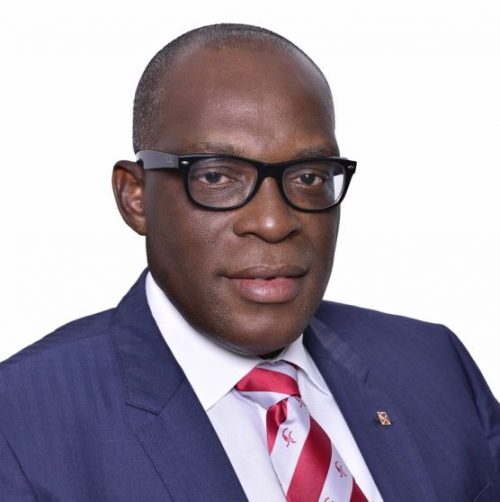
Mr. Olaotan Soyinka Managing Director/CEO Sovereign Trust Insurance Plc

Mr. Olaotan Soyinka

Managing Director/CEO

Sovereign Trust Insurance Plc

Sovereign Trust Insurance Plc has undoubtedly remained on the path of growth in the second quarter of 2021 going by the recent release of its unaudited account.

The second quarter performance shows that the underwriting firm is very much on course with meeting the aspirations of her various stakeholders in the days ahead.

The company generated total gross premium written of N7.8 billion compared with N6.03 billion recorded at the corresponding period of 2020, representing 30% growth rate. In like manner, the net premium income grew from N2.4 billion in the second quarter of 2020 to N2.8 billion in the same period of 2021 amounting to a growth rate of 16%.

A remarkable increase was also recorded in the Profit Before Tax of the company from N501 million in the second quarter of 2020 to N662 million in the corresponding period of 2021, with a 32% growth rate while Profit After Tax grew by 16% from N448 million in the second quarter of 2020 to N518 million in the second quarter of 2021.

Understandably, as the underwriting firm grew the portfolio of its business, it also recorded a slight increase in the claims payout in the second quarter of 2021 having paid a total sum of N1.8 billion compared to the sum of N1.4 billion that was paid as claims in the corresponding period of 2020, representing a 26% increase in claims payout.

This also underscores the company’s commitment to settling genuine claims as and when due. Net claims expense in the second quarter of 2021 grew by 9% to N1.074 billion compared to the net claims expense of N985 million in the second quarter of 2020.

The total equity of the company in the second quarter of 2021 also grew by 11% from N8.1billion in the corresponding period of 2020 to N9.059 billion in Q2 of 2021 while the Total Assets also increased from N13.1 billion in the second quarter of 2020 to N13.8 billion in the corresponding period of 2021 with a marginal growth rate of 5%.

Earnings per share rose from 3.95 kobo in the second quarter of 2020 to 4.57 kobo in the second quarter of 2021 while net assets per share also increased from 72 kobo in Q2 2020 to 79 kobo in the corresponding period of 2021.

Brokers Take Insurance Education to Lagos State Farm Service

0

Dr. (Mrs.) Bola Onigbogi

President/Chairman of Council

The Nigerian Council of Registered Insurance Brokers (NCRIB)

Budding entrepreneurs in the agriculture sector have been enjoined to embrace risk management for them to record sustainable benefits and profits in their endeavors in agriculture.

The President of the Nigerian Council of Registered Insurance Brokers, Mrs. Bola Onigbogi who made this known at Lagos State Farm Service Centre, Agege said that the agric vision of government bothering on empowerment of young Nigerians in the critical sector is commendable.

According to her, agriculture has been the basic source of food supply for mankind and contributes significantly to the economic advancement of several countries, hence must be adequately covered to prevent unforeseen occurrences that may discourage young entrepreneur

She emphasised that agriculture, being a critical sector with high volatility, ranging from natural to artificial risks; emphasis should be laid on risk management in the sector particularly through the embrace of insurance.

Mrs. Onigbogi who was represented at the Farm Service Centre by the Vice President of the Council, Mr. Tunde Oguntade said that the importance of insurance to the development of agriculture sector in Nigeria cannot be over-emphasised, noting that insurance would ensure that policy holders were restored in case of any calamity.

She however enjoined the budding farmers to inculcate insurance into their plans before venturing into agriculture business.


NAICOM: ‘How Insurance Will Protect, Ensure Growth of MSMEs’

0

WELCOME ADDRESS BY OLORUNDARE SUNDAY THOMAS, COMMISSIONER FOR INSURANCE/CEO, NATIONAL INSURANCE COMMISSION (NAICOM) AT THE SENSITIZATION WORKSHOP ON INSURANCE FOR MSMES AND STAKEHOLDERS ON AUGUST 5TH, 2021 AT THE LCCI, ALAUSA LAGOS

Protocol

I am delighted to welcome you to this workshop meant to educate and enlighten the Micro, Small and Medium Enterprises (MSMEs) on the benefits of insurance.  The importance of MSMEs to national development cannot be overstated. It is indeed the fulcrum of a nation’s growth and development.

MSMEs form the superstructure to stimulate mass enterprise growth and serve as a source of livelihood for the base of the pyramid population across all economies be it underdeveloped, emerging or frontier markets.

In Nigeria, all development interventions of the current administration have had components focused on enabling these MSMEs sprout and flourish but unfortunately, with little or no insurance content to deal with associated risks and ensure sustainability and guarding them against failure.

According to the National Bureau of Statistics, Micro, Small and Medium Enterprises (MSMEs) in Nigeria have contributed about 48% – on average – to the national Gross Domestic Product (GDP) in the last five years from a total of about 17.4 million enterprises (NBS 2019). They account for about 50% of industrial jobs and nearly 90% of activities in the manufacturing sector.

While some challenges still abound from infrastructure to funding, it is encouraging that the Federal Government through its deliberate policy of removing 100 million Nigerians from poverty in the next ten years is taking on the challenges to build businesses and leverage them to create prosperity.

In addition to the efforts of the government at all levels, the spirit of entrepreneurship of Nigerians is driving creativity and productivity.

However, the concern is that whatever gain or progress made in this sector can be halted abruptly in the face of a natural or man-made disaster which can often prove daunting to surmount without any support. In particular, when MSMEs are affected by any mishap, the disruption produces not only direct business losses, but also indirect losses and economic ripple effects. The range of impact include job losses, debt overhang, and a relapse of households into extreme poverty.

While the risks that expose MSMEs to this type of vulnerability may not be within the scope of human control, what is within human reach is a deliberate risk management plan through Insurance. It gives you confidence to venture

Insurance is that product you buy when you think you do not need it because it may be too late to buy it when the need for it arises.

Notwithstanding the importance of Insurance to lives and property, adoption and penetration have been low in Nigeria owing largely to a lot of challenges principal of which may be the inadequate product offerings that meet the needs of the consumers including the MSMEs.

Consequently, the MicroInsurance and Takaful are two insurance offerings carefully designed for affordability and inclusiveness to bring Insurance within the reach of one of the nations most valued contributors to the economy-the MSMEs. This will support the sector for speedy recovery when unforeseen situations occur.

Thus, NAICOM have undertaken to educate and drive enrollment for these products through this sensitisation workshop.

The workshop has so far made stops at three cities in Nigeria; Kano, Kaduna and Abuja pulling MSMEs from these cities and their environs.  At all locations, we received overwhelming responses in terms of attendance, engagement and enrollment. The average attendance per location have been over 1000 MSMEs. However, due to the prevailing pandemic and the need to adhere to the protocols, the number allowed in the hall today is restricted to 300 MSMEs.

Lagos state is a key stop for us for obvious reasons; first, Lagos has been Nigeria’s nerve center of commerce, the State hosts the single largest number of, MSMEs in the country, put at 11.5% of total. (NBS 2019)

Secondl, and more importantly, the current and past administrations of this state have demonstrated a continuous commitment to sustaining MSME growth.

Specifically, the constellation of deliberate polices, special programmes and projects, in collaboration with various agencies to boost capacity, access credit, enable trade are all commendable. Some of the State efforts that readily comes to mind and which have been supportive to the Federal Government efforts are: i. The Lagos State MSMEs Exclusive Fairs

  1. The N220 billion Micro and Medium Enterprises Development Fund (MSMEDF) to cushion the impact of COVID 19,

iii. Other State intervention programs

All of these efforts represent to us both the will and action to engender MSME growth.

It is with this assurance that we have anticipated and prepared, that we shall record much more significant outcomes here with this workshop. The level of vulnerability of MSMEs to extinction by likely disasters – both natural and man-made is very high; we all witnessed the destruction of life and property during the #EndSars protest which may have killed some MSMEs and driven some persons further down the poverty line. The good thing which is our message to you today is that insurance will provide you the shock-absorber to withstand any of these unforeseen calamities when they do occur and help your reinstatement in business.

The NAICOM is committed to our mandate of providing diligent oversight to the insurance sector towards ensuring prompt settlement of genuine claims when insured event occurs. I dare say that the MSMEs sector is too important to be neglected as it is key to economic development of the nation and thus, must be guided and protected against failure. The encouraging responses validate that the products meet a critical need also that the appetite for players in the MSMEs sector to succeed sustainably is high.

To ensure that you are properly guided, let me inform you that we have 59 insurance companies; 510 insurance brokers, 4 Microinsurance companies and 4 Takaful companies licensed by NAICOM to operate. Be free to approach any of them for an appropriate and adequate insurance policy that meet your needs.

In conclusion, we believe that the conversations today in addition, will provide insights for us to learn from, to adequately protect the MSMEs as policyholders, ensure a safe and sound Insurance sector, as well as encourage innovation and product development that meet the specific needs of the MSMEs.

Your Excellency, delegates, colleagues in the insurance sector, the press, distinguished ladies and gentlemen, I thank you all for finding time to attend this workshop and I hope you leave here better informed and enlighten on the numerous benefits inherent in the consumption of insurance products. Finally, it is my believe that you will take the necessary steps to get yourself, properties and business adequately covered by reaching out to a broker or an insurance company for your insurance needs.

Thank you for listening.

NAICOM CEO, Thomas, Visits Lagos Governor, Sanwa-Olu

0

Mr. O. S. Thomas recently led a delegation to Mr. Babajide Sanwa-Olu, the Executive Governor of Lagos State.

Stanbic IBTC Reconstructs Vocational Centre at Borstal Training Institute for Juveniles

0

In line with its resolve to positively impact Nigerian communities, thereby engendering a better society for all, Stanbic IBTC Holdings has reconstructed the vocational centre at the Borstal Training Institute (BTI) located in Abeokuta, Ogun State. The BTI is a juvenile arm of the Nigerian Correctional Service set up to correct, train, reform, rehabilitate, and reintegrate young offenders.

The project, which was executed by the Stanbic IBTC Finance Team, entailed the complete overhaul of the hitherto dilapidated vocational centre at the BTI. This aligns with the education pillar of Stanbic IBTC’s Corporate Social Investment initiative.

Before Stanbic IBTC’s involvement, the BTI vocational centre comprised a dilapidated shed with very few tools, which was not effectively serving the primary purpose of education and skill acquisition for which it was established.

Stanbic IBTC’s involvement included the demolition of the existing dilapidated shed, constructing a new building, demarcated into four sections, and establishing an Information and Communications Technology unit equipped with six desktop computers. A tailoring section was also set up, equipped with four sewing machines, a stitching machine, several tailoring tools, and fabric for practice. Also established was a barbing section with the complement of three clippers, a sterilising machine, and other barbing tools.

A well-equipped carpentry section equipped with a drilling machine, spraying machine and circular machine, amongst other machinery, was also built, and the construction of two restrooms for the facility with an overhead water tank to serve as a water supply channel.

The BTI institution currently houses about 330 students. While about 182 of them are in school and will benefit from using the ICT room for computer skill acquisition, the remaining 148 are engaged in vocational training. In sum, the new facility will go a long way in empowering the young boys at the institution through quality vocational and digital training.

The BTI vocational centre reconstruction project was executed under the Stanbic IBTC Staff Volunteerism Initiative, with the staff making voluntary contributions while the institution matches the donations with counterpart funding.

Dr. Demola Sogunle, Chief Executive, Stanbic IBTC Holdings, stated that the project aligned with the Federal Government’s resolve to ensure that Correctional Centres meet the purpose of rehabilitating inmates such that they become better members of society upon their release.

He said: “I believe that this project will directly impact the lives of these young Nigerians. It enhances their easy integration into society as they are already equipped with either digital or vocational skills, based on their preference. Upon release, they will not be idle but will hopefully put the skills they have acquired to good use.”

NAICOM Seminar on Insurance Adoption by MSMEs for Aug 5

0

In a bid to ensure greater and effective adoption of insurance in their day-to-day operations by operators in the Micro, Small and Medium Enterprises (MSMEs) sub-sector of the national economy, the National Insurance Commission (NAICOM) is set to organise a seminar for MSMEs on August 5, 2021 in Lagos.

The regulatory body had earlier sensitised MSMEs as well as relevant stakeholders in Kano State and the Federal Capital Territory (FCT), Abuja, on the need to subscribe to insurance products and services and the outcome was deemed successful.

TheNAICOM sensitization workshop will bring together MSMEs across the entire Lagos State and its environs to learn and discuss key issues around the subject through insightful conversations with experts on the field.

A statement from the commission and signed by the Head, Corp. Comms and Market Development, Salami ‘Rasaaq, said, the workshop, which will take place in Lagos on the 5th of August, 2021, added that, the executive governor of Lagos State, Mr. Babajide Sanwo-Olu is expected to declare the workshop open and deliver a keynote address.

He stressed that, the commission is serious about increasing insurance penetration, adoption and acceptance in the country and has been partnering relevant stakeholders to make this dream a reality.

NCC: MTN Nigeria Licence Not Renewed Yet

0

The Nigerian Communications Commission (NCC) says it has yet to renew the Unified Access Service (UAS) license of MTN Nigeria contrary to a report that it has been renewed for another period of 10 years.

Dr. Ikechukwu Adinde, the Director, Public Affairs at NCC said in a statement that although MTN Nigeria did apply for renewal of the UASL granted it by the regulator, the application is still undergoing regulatory processes.

West African Stakeholders Embrace Universality of Internet

0

Mr. Tony Ojobo

President

African ICT Foundation

Stakeholders of the ICT sector in West Africa have agreed to embrace the universality of the internet with the aim of deepening internet penetration across the region and ensuring safe internet.

UNESCO and the African ICT Foundation jointly organised a knowledge sharing session on how to mainstream Internet Universality and ROAM principles (Rights, Openness, Access and Multi-stakeholder approach).

The session, which was held on the occasion of the West African Internet Governance Forum 2021, focused on how to encourage more countries to use ROAM-X indicators for improving national Internet development and digital policies in West Africa.

The session was moderated by the Regional Director, West Africa, African ICT Foundation, Dr Kossi Amessinou, who underlined the main objective to engage an extended partnership with the Internet community of West Africa by mobilizing them to participate in Dynamic Coalition and provide the necessary tools to conduct national assessments in all ECOWAS countries.

Our work on Internet Universality seeks to identify and close digital divides, foster digital inclusion, protect rights including freedom of expression, access to information and privacy, as well as to contribute to strengthening resilience and development.

In her opening remarks, Marielza Oliveira, UNESCO’s Director for Partnerships and Operational Programme Monitoring in the Communications and Information Sector, stated: “Our work on Internet Universality seeks to identify and close digital divides, foster digital inclusion, protect rights including freedom of expression, access to information, privacy, and contribute to strengthening resilience and development”.

Tony Ojobo, President of the African ICT Foundation commended the collaboration with UNESCO and highlighted the need to carry out periodic evaluations in African countries to enable the improvement of national Internet governance.

The ROAM principles and indicators go beyond the traditional rational of physical access. They contribute to comprehensively advancing digital inclusion, focusing on multiple dimensions of human rights, open Internet, quality of access and inclusive multi-stakeholder governance for building resilient West Africa and achieving SDGs.

Dorothy Gordon, Chair of UNESCO’ Information for All Programme, reaffirmed the need for strong advocacy from national and regional stakeholders to implement the national assessment of IUIs across the West-African countries. She further called for more engagement from civil society to represent vulnerable and marginalized groups, such as disabled people, women or the youth.

Professor Alain Kiyindou pointed out that the ROAM-X indicators assessment in countries like Benin and Niger offers tremendous opportunities to push forward the development of Internet in West Africa. This framework empowers national stakeholders to gain a better understanding of their digital landscape and engage in the digital transformation and inclusion process.

Representing Development House, Kafui Aheto introduced the initial findings of the ongoing national assessment of ROAM-X indicators in Ghana. He highlighted the importance of multi-stakeholderism in guiding the overall assessment process and building policy development in Ghana.

ROAM-X indicators assessments have been progressing in 28 countries, including the following African countries: Benin, Senegal, Kenya, Ghana, Niger, Ethiopia, Cote d’Ivoire, Cabo Verde, Burkina Faso. All participants agreed on the importance for African countries to mainstream ROAM principles and the urgent need to expand advocacy, capacity-building, resource mobilization and multistakeholder partnerships to scale up national assessment projects across the region.

UNESCO encourages all countries in the West-African subregion to continue using the ROAM framework and join the Dynamic Coalition on Internet Universality Indicators and join the Dynamic Coalition on Internet Universality Indicators (IUIs) to bring Internet forward in the region. (IUIs) to bring Internet forward in the region.


NDIC CEO: “Greater Collaboration with Media Critical in Addressing Challenges in Reportage”

0

Managing Director/Chief Executive, Nigeria Deposit Insurance Corporation (NDIC) Bello Hassan (centre) poses for a group photograph with the President Nigerian Guild of Editors (NGE) Mustapha Isah (2nd right), NGE Deputy President, Ali M. Ali (5th right), NGE General Secretary Iyobosa Uwugiaren (1st Left) and NGE Member Standing Committee, Gbenga Adeshina (2nd left) during a courtesy call by the Guild to the Executive Management of the NDIC in Abuja.

The Managing Director/Chief Executive of the Nigeria Deposit Insurance Corporation (NDIC), Mr. Bello Hassan stressed the need for the media to ensure accurate and factual coverage of the banking industry especially in terms of reporting on the perceived impact and threats on depositors’ funds and the activities of financial system supervisors like the NDIC.

He made the call while receiving a delegation of the executive members of the Nigerian Guild of Editors (NGE) led by the Guild’s President Mr. Mustapha Isah on a courtesy visit to the Corporation.

While commending the media for their co-operation in enhancing public awareness about the activities of the Corporation, Mr. Bello Hassan, expressed concern about the instances of inaccuracies and misinformation observed in some media reports by less professional media practitioners that need to be addressed.

He informe members of the Guild that it was in recognition of the media’s critical role in promoting public awareness that the Corporation implements initiatives for sustained interactions with media practitioners such as the annual “NDIC Editors’ Forum” for Publishers and Media Executives and “The Finance Correspondents Association of Nigeria (FICAN) Workshop” for Business Editors and Finance Correspondents.

He explained that these initiatives are aimed at capacity building and providing updates on the current activities of the Corporation to deepen the knowledge of journalists on issues in the financial sector. He further stressed the need for closer collaboration with the media to enhance the quality of the reportage to promote factual and accurate information.

The NDIC Boss, therefore, assured the NGE’s President that the Corporation would support and strengthen partnership with the Guild in order to address the challenges and successfully achieve mutually beneficial objectives of enhancing public awareness.

In his remarks the NGE President, Mustapha Isah, described the Guild as the NDIC’s partner in progress and commended the NDIC on its achievements. He stated that depositors had increased confidence in the safety of their savings in banks due to the Corporation’s continuous diligence in its successful implementation of the Deposit Insurance System in Nigeria.

While soliciting for the Corporation’s support for the Guild’s upcoming conference in September, he expressed the NGE’s commitment towards greater partnership and collaboration with the NDIC to achieve its public awareness goals.


NDIC CEO: “Greater Collaboration with Media Critical in Addressing Challenges in Reportage”

0

Managing Director/Chief Executive, Nigeria Deposit Insurance Corporation (NDIC) Bello Hassan (centre) poses for a group photograph with the President Nigerian Guild of Editors (NGE) Mustapha Isah (2nd right), NGE Deputy President, Ali M. Ali (5th right), NGE General Secretary Iyobosa Uwugiaren (1st Left) and NGE Member Standing Committee, Gbenga Adeshina (2nd left) during a courtesy call by the Guild to the Executive Management of the NDIC in Abuja.

The Managing Director/Chief Executive of the Nigeria Deposit Insurance Corporation (NDIC), Mr. Bello Hassan stressed the need for the media to ensure accurate and factual coverage of the banking industry especially in terms of reporting on the perceived impact and threats on depositors’ funds and the activities of financial system supervisors like the NDIC.

He made the call while receiving a delegation of the executive members of the Nigerian Guild of Editors (NGE) led by the Guild’s President Mr. Mustapha Isah on a courtesy visit to the Corporation.

While commending the media for their co-operation in enhancing public awareness about the activities of the Corporation, Mr. Bello Hassan, expressed concern about the instances of inaccuracies and misinformation observed in some media reports by less professional media practitioners that need to be addressed.

He informe members of the Guild that it was in recognition of the media’s critical role in promoting public awareness that the Corporation implements initiatives for sustained interactions with media practitioners such as the annual “NDIC Editors’ Forum” for Publishers and Media Executives and “The Finance Correspondents Association of Nigeria (FICAN) Workshop” for Business Editors and Finance Correspondents.

He explained that these initiatives are aimed at capacity building and providing updates on the current activities of the Corporation to deepen the knowledge of journalists on issues in the financial sector. He further stressed the need for closer collaboration with the media to enhance the quality of the reportage to promote factual and accurate information.

The NDIC Boss, therefore, assured the NGE’s President that the Corporation would support and strengthen partnership with the Guild in order to address the challenges and successfully achieve mutually beneficial objectives of enhancing public awareness.

In his remarks the NGE President, Mustapha Isah, described the Guild as the NDIC’s partner in progress and commended the NDIC on its achievements. He stated that depositors had increased confidence in the safety of their savings in banks due to the Corporation’s continuous diligence in its successful implementation of the Deposit Insurance System in Nigeria.

While soliciting for the Corporation’s support for the Guild’s upcoming conference in September, he expressed the NGE’s commitment towards greater partnership and collaboration with the NDIC to achieve its public awareness goals.


Improving Digital Economy through AI and IoT

0

By Elvis Eromosele

The world has gone digital. From the news, politics, finance, health, mobile phones and on to education; everything has some form of a digital footprint.

Today, people have access to abundant data and information on virtually every subject on this planet. The advent of the internet and computer technologies over the past century, has led to the digitisation of all sectors and all affairs of human life, including the economy.

The economy of any country is pivotal to its inherent progress, and Nigeria is no exception. Nigeria, a country with vast resources, is only beginning to look to harness the power of modern technology.

The country has an expanding economy with ample human capital and the economic potential to lift millions out of poverty.

Some experts believe that to reduce the ever-widening gap, and bridge the digital divide, Nigeria needs to switch fully to a digital economy, with the adoption of A.I and IoT. This was the core of submissions at the Titans of Tech 2021 Roundtable, aptly themed: “Harnessing the potential of AI, IoT for Transformation of the Digital Economy.”

A.I (artificial intelligence) refers to the simulation of human intelligence in machines and technological applications that are programmed to think like humans and mimic their actions. IoT on the other hand, denotes the network of physical objects (things) that are embedded with sensors, software, and other technologies for the purpose of connecting and exchanging data with digital devices and systems over the internet.

These devices range from ordinary household objects to sophisticated industrial tools. With more than 7 billion connected IoT devices as at 2018, experts projected this number to grow to 10 billion by 2020 and 22 billion by 2025.

A tech expert, Mr. Olatayo Ladipo Ajai, Manager, Country Head InfoBip Nigeria, stated that IoT has become one of the most important technologies of the 21st century. He said “human beings can now connect everyday objects—light bulbs, kitchen appliances, cars, thermostats, televisions—to the internet via embedded devices, and conversational A.I., which enables the seamless communication between gadgets, people, and processes.”

He noted that the world is gearing towards digital trade, digital health, digital education, digital agriculture, digital security and Nigeria needs to grow in these aspects, so that it is not left behind.

Mr. Lare Ayoola, CEO of IoT Africa and Tranter IT Infrastructure services, stated that the combination of mobile computing, analytics, and cloud services, all of which are fueled by A.I and the Internet of Things (IoT), is going to transform the digital economy.

He said “by means of low-cost computing, the cloud, big data, analytics, and mobile technologies, physical things can share and collect data with minimal human intervention. In this hyperconnected world, digital systems can record, monitor, and adjust each interaction between connected things. The physical world meets the digital world—and they cooperate.”

Mr. Lare Ayoola, outlined the impact of IoT on the various supply chains in Nigeria, and how IoT management will transform inventory, logistics, manufacturing, distribution, construction, agriculture, security companies, and more.

He cited examples of how IoT can signal agronomists and farm owners on the state of livestock, how crops are faring on a farm site, or a rise or decrease in temperature of a storage grain silo.

He noted that “the applications of IoT are limitless. It saves time, eliminates waste, maximizes profits, reduces anxiety, monitors environments, enhances security, and optimizes businesses to achieve maximum profits. It will save Nigerians from agricultural losses, post-harvest losses, financial, operational and resource losses. The adoption of A.I and IoT, is the gateway to the future of a sustainable digital economy.”

Another tech professional, Engineer Ikechukwu Nnamani, the CEO of Medallion Communications, remarked on the potential A.I and IoT has to offer Nigerians.


“A vast majority of Nigerians are not aware of the tremendous benefits A.I and IoT have, and its diverse applications. A decade ago, people had to commute for hours before reaching their workplaces, and commute for long hours back to their homes. Technology has devised easier, more convenient ways to work from home, attend virtual meetings and conduct financial transactions on the go.”

“With just a click, you can order food, purchase items online, buy stocks, etc. No need to go physically. Cool right? This is because Nigeria is gradually transitioning from a traditional position to a modern viewpoint on conducting business activities, a shift to a digital economy.”

“However, the pace at which this transition is taking place is slow, hindered by several impediments. Lack of digital infrastructures is a major challenge towards growth in the digital economy.”

Engineer Ikechukwu stated that “for digital technologies to impact the digital economy, appropriate policies must be put in place to eliminate the obstacles preventing emerging markets from fully engaging in the digital economy and optimising the benefits.”

“The digital economy runs on digital infrastructure. The more digital infrastructure that is deployed, the faster the country can make the transition from the traditional economy to the digital economy. Priority should be given to the improvement of infrastructures, like power development, data centres, and solar energy explorations among others.”

In her remarks, Mrs. Tinuade Ogunfuyi, Head, Core Networks and Solutions, at Information Connectivity Solutions Limited (ICSL) stated that “the benefits of IoT the digital economy for emerging markets like Nigeria, are potentially large. This is because these technologies offer productivity-boosting opportunities, increased access to digital products and services that help optimise processes and production, reduce transaction costs, and transformation of supply chains.”

She noted that “increased reach to millions of consumers, encourage investment and adoption of digital technologies. This drives firms to participate in global value chains and directly access customers in foreign markets in ways previously only feasible for large and established companies from advanced economies.”

If the goal is to improve the digital economy, A.I and IoT must be on the front burner. And it must be adopted in all sectors and industries pertaining to the digital economy.

Experts who spoke at the Titans of Tech Roundtable conceded that SMEs, MSMEs, businesses, organisations, telecommunications, information systems, cloud services and the government, must put these solutions in place to improve the digital economy.

The government can generate revenue from the sale of the internet spectrum and other licenses. The government must now take the lead to digitalise its own services. It can start by urgently setting up an IoT working committee, training centres for youths, and institutions for tech learning.

Undoubtedly, an improved digitalised economy will positively impact the gross domestic product (GDP), reduce costs and provide operational efficiencies to a multitude of businesses across all states in Nigeria.

With its potential for good, Dr Chris Uwaje posited that it is now imperative to institute an IoT Working Group to help the country optimize these technologies.

A.I and IoT will lead enable economic progress and lead Nigeria to the future it seeks.

Anchor Insurance: N437m Profit, N7bn Premium, N14bn Total Assets

0

Mr. Augustine Ebose

Managing Director/CEO

Anchor Insurance Company Limited

Anchor Insurance Company Limited has reported Gross Written Premium of N6.8 billion in the financial year ended December 31, 2020 as against N4.2 billion recorded in the same period of 2019. This represents a performance of 61 percent over the result of 2019 despite the challenges of the COVID-19 pandemic.

The company’s Profit After Tax also recorded a 98 percent increase from N220.2 million in 2019 to N436.5 million in 2020 just as its total assets experienced an 87 percent appreciation from N7.2 billion in 2019 to N13.5 billion in 2020.

These details were disclosed by the company’s Chairman, Dr.  Elijah Akpan, during the organisation’s 31st Annual General Meeting held virtually in Lagos.

He noted that the company responded to claims demands from its affected genuine policyholders to the tune of N1.3 billion in 2020 as against N929.6 million paid in 2019, stating that “as a tradition at Anchor Insurance Company Limited, we recognise the crucial role which regular payment of claims plays in keeping any serious insurer strong in the Nigerian insurance market.”

The Chairman told the owners of the company that the Board and Management have done well so far in pursuing the recapitalisation exercise as ordered by the National Insurance Commission (NAICOM).

According to him, “based on the level we are at with the exercise, it is our strong belief that we will sail through. This feat, when achieved, will go a long way in catapulting the Company to a more vantage position where it can retain more big-ticket businesses in its port-folio than it is currently doing.”

While thanking God for seeing the company through the harsh economic weather in 2020, the Managing Director, Mr. Ebose Augustine, disclosed that the shareholders have approved the 4kobo dividend per share recommended by the Board of Directors to be paid to them.

According to him, “it is our standing practice to put smiles on the faces of the owners of the company every year for their investment in the organisation. It is our belief that when you sow, you deserve to reap.”

He assured the shareholders that “with the way business is looking up year to date, we are sure of beating our 2020 records on all indices.”

He further explained to the shareholders that “our workforce have been very wonderful. I can safely say that the ownership spirit they have continued to bring into the discharge of their duties is directly responsible for the rise of the company,” promising that “we will ensure, on our part, that appropriate rewards are extended to every deserving staff.”


CIIN: The Muftau Oyegunle 12-Month Milestones

0

 Sir Muftau Oyegunle

President/Chairman of Council

Chartered Insurance Institute of Nigeria (CIIN)

Sir Muftau Oyegunle, the President/Chairman of Council of the Chartered Insurance Institute of Nigeria (CIIN) recently outlined the journey of the Institute under his leadership in the past 12 months.

Oyegunle tells his story:

Our presence here today therefore, is to share with you some of the milestones we have crossed and the next level we are preparing for.

It is also very important that the Institute parleys with the press since we both have vital roles to play in spreading the gospel of insurance to our people. Your role in the sensitization of people on the importance of insurance and changing their perceptions and beliefs that insurance companies do not pay claims when they suffer losses is of greater importance.

Hence the need for careful reporting of insurance events knowing the impact which this may bear on the image of the insurance industry.

My first year as President of the Institute has been eventful, while a lot of inventiveness were accomplished in accordance with my agenda as the 50th President of the Institute.

The activities of the Institute and indeed the College of Insurance and Financial Management (CIFM) have been completely transformed through digitalisation in consonance with growing trends, and to remain relevant in today’s business. The Institute’s activities are being completely reengineered through computerisation and this has improved the quality of its service offerings.

  • Professional Examination – The professional examination remains the pivot of all other functions of the Institute. We have maintained the sanctity of the examinations while not losing focus of the need for regular review of its machinery and curriculum. The Institute’s reviewed syllabus became operational in the April 2021 examination diet with the foundation stage while later stages would be conducted in October 2021. Despite the raging COVID-19 pandemic, we were able to successfully conduct two examination diets i.e., October 2020 and April 2021. The Institute would continue to strive hard in updating and improving both the processes and the contents of the professional examinations with integrity while ensuring global best practices are met. Professional Forum and MCPD programmes –
  • The Insurance Professionals’ Forum, which is the largest gathering of insurance professionals in Nigeria since 1991 to deliberate on topical issues in the insurance industry, was successfully help last year and plans are on for 2021 edition. It also affords our members the opportunities to review activities, share ideas and expertise while also proffering solutions to operational challenges. However, there are also several activities of the Institute that members could attend to develop their skills and expertise during and after the completion of the qualifying examinations.
  • These Mandatory Continuous Professional Development (MCPD) programmes, (some of which had been ceded to the College of Insurance and Financial Management) has been of great impact in the capacity building of our members in various insurance organisation.

The knowledge acquired at these educational and other programmes organised for members goes beyond those of the professional examinations but also covers topics that enable members maintain high professional standards as required in the Insurance Industry’s Code of Ethics.

There has also been a reinforcement of the relevance of Professionalism. The Institute through its professional examinations ensures that only sound individuals become insurance professionals. Furthermore, senior professionals upon retirement are being encouraged to participate in the Institute’s activities through their involvement in seminars, CIIN examination processes (i.e. setting and moderation of examination questions), lecturing at the CIFM and serving in various Committees of Council.

  • CIIN Secretariat – The Institute’s administrative structure and processes are being re-energized through an on-going reorganisation in the secretariat which has led to staff redeployment in some cases. Job descriptions of Institute’s staff are being reviewed to improve service delivery while appropriate training programs have been identified and being provided.

Similarly, a staff audit exercise by Ernst & Young Professional Services is underway to ensure that the Institute is adequately staffed to meet all members’ needs, deliver on its mission and vision, while improving the quality of its service offerings. The Institute’s insurance awareness initiative has been sustained through different processes.

The tradition of enlightening secondary school students in the country about Insurance profession and practice to inspire them to select insurance as one of the subjects to be written either in Senior Secondary School and/or NECO examinations continues to record positive results.

The Institute’s insurance textbook for senior secondary schools launched some years back was recently reviewed and the new version is already being distributed. We are happy to report that over twelve thousand (12000) copies of this textbook have been distributed to various geopolitical zones of the country either through the ministry of education or directly to schools.

During the year under review, all the tertiary institutions offering insurance in Nigeria, Cameroon and Gambia that had been reaccredited by the Institute received donations of two sets of the CIIN course books to support and encourage the student members to take our examination.

In recognition of the importance of including millennials in the Institute’s activities, annual youth boot camp initiated a few years ago was held virtually while the mentoring of young professionals under the CIIN Youth Mentorship program kicked off in March 2021.

In the same vein, the maiden edition of the Institute’s Quiz Competition for Secondary Schools also took place on the 3rd of June 2021 at the University of Lagos.

  • The College of Insurance and Financial Management – The Institute’s training subsidiary, the College of Insurance and Financial Management (CIFM), continues to achieve giant strides in human capital development in the insurance industry. All CIFM training programmes are now online, and this has facilitated extensive collaborations with subject experts from all over the world.

The College cutting-edge training programs for various arms of the industry also include the annual Insurance Directors Conference. The last edition held in November 2020 was a huge success while plans for the 2021 edition is on-going. The CIFM also commenced the NAICOM CAA (Certified Actuarial Analyst) Scholarship programme during the year under review.

This scholarship is open to staff of all regulated insurance entities in the industry i.e., insurance companies, broking and loss adjusting firms. 29 candidates passed the qualification assessment for the scholarship out of which 22 commenced the CAA examinations in May 2021.

We are happy to report that about 70% of our awardees passed the examinations while plans are in place to register more students for the October CAA 2021 examinations. In recognition of the standards of the College, the CIFM was appointed as the External Examiner for the Insurance Training College in Uganda, and it continues to perform this role till date. Furthermore, it is currently planning the insurance training for staff of the Petroleum Authority of Uganda (PAU).

As part of the infrastructural development of the College, its N304 million auditorium named NAICOM Hall was commissioned in March 2021. The magnificent 1500-seater edifice would host the Induction Ceremony of the Institute this year. Other Developments – Going forward, we are poised to do more at the Institute and the College therefore, the Director General and the Rector are geared to deliver optimally.

This year, there would be greater efforts towards the insurance awareness programmes and initiatives to other parts of the country, developing young talents in the insurance industry through the mentoring program and ensuring that the Institute and CIFM deliver all programmes in line with global best practices.

While the vision of CIFM is to be the ‘insurance training college of choice in Africa’, the Institute is also focused on reinventing itself, with the vision “To remain a world class professional body committed to the provision of an efficient and effective manpower for the insurance industry.’’


CIIN Donates 12, 000 Insurance Textbooks to Secondary Schools Nationwide


The Chartered Insurance Institute of Nigeria (CIIN) has distributed more than 12, 000 insurance textbooks to senior secondary schools across the six geo-political zones of the country through the various ministries of education and directly to such schools.

Sir Muftau Oyegunle, the President/Chairman of Council of the CIIN, said in Lagos that all tertiary institutions offering insurance in Nigeria, Cameroon and The Gambia also received two sets of CIIN course books to support and encourage the student members of the Institute to take their professional examinations.

“We have domesticated all our insurance textbooks but we still maintain a very healthy relationship with the Insurance Institute of London because insurance is a global business.”

On the importance of insurance to the national economy, Oyegunle said: “Insurance helps the economy to grow. It is a business that builds national wealth. A business that helps people to beat poverty. Insurance is in the interest of our future. It is our collective responsibility to take insurance to the level of higher percentage of penetration like what obtains in other countries.”

CIIN Donates 12, 000 Insurance Textbooks to Secondary Schools Nationwide

0

The Chartered Insurance Institute of Nigeria (CIIN) has distributed more than 12, 000 insurance textbooks to senior secondary schools across the six geo-political zones of the country through the various ministries of education and directly to such schools.

Sir Muftau Oyegunle, the President/Chairman of Council of the CIIN, said in Lagos that all tertiary institutions offering insurance in Nigeria, Cameroon and The Gambia also received two sets of CIIN course books to support and encourage the student members of the Institute to take their professional examinations.

“We have domesticated all our insurance textbooks but we still maintain a very healthy relationship with the Insurance Institute of London because insurance is a global business.”

On the importance of insurance to the national economy, Oyegunle said: “Insurance helps the economy to grow. It is a business that builds national wealth. A business that helps people to beat poverty. Insurance is in the interest of our future. It is our collective responsibility to take insurance to the level of higher percentage of penetration like what obtains in other countries.”

Nigeria Re Names Gbenga Falekulo as New CEO

0


Mr. Gbenga Falekulo

Managing Director/CEO

Nigeria Reinsurance Corporation

Mr. Gbenga Falekulo has been appointed the new Managing Director/CEO of Nigeria Reinsurance Corporation (Nigeria Re) following reorganisation of the Corporation by the Asset Management Corporation of Nigeria (AMCON).

The coming of Falekulo signals an era of transparent and accountable management of the reinsurance firm.

With over 25 years cognate experience in the insurance sector, the new CEO of Nigeria Re is set to bring his wealth of experience and expertise to bear on the day-to-day operations of the reinsurer.

Falekulo says he and his management team are poised to drive Nigeria Re in a new direction of sustainable and strategic growth across various parameters.

He holds a B.Sc in Insurance, Masters in Business Administration and is a member of the Chartered Insurance Institute of London. His industry work experience includes NICON Insurance, Great Nigeria Insurance Plc and Continental Reinsurance Plc, where he rose to the executive management level of Executive Director before retiring to run his own private firm.

Nigeria Reinsurance Corporation was established by Act No 49 of 1977 and commenced operation on January 1, 1978 as a wholly-owned Corporation of the Federal Government of Nigeria.

The Corporation was privatized in 2002 with some level of shareholding retained by the federal government.