Saturday, December 27, 2025
33 C
Lagos
Home Blog Page 160

100 Youths Begin NCDMB/ITF Vocational Training Program

0

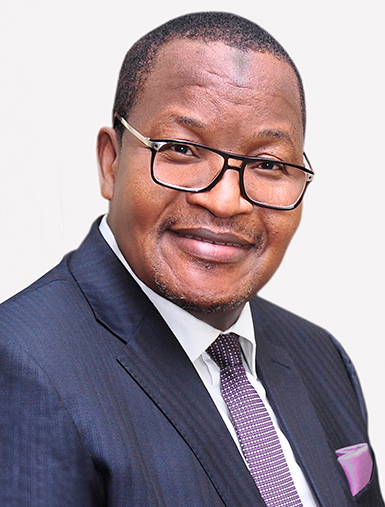
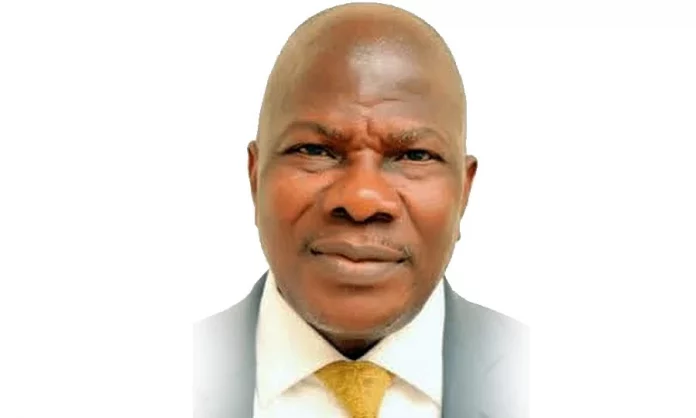
Engineer Simbi Kesiye Wabote

Executive Secretary

Nigerian Content Development and Monitoring Board (NCDMB)

Hundred Nigerian youths have commenced training in the vocational skills programme sponsored by the Nigerian Content Development and Monitoring Board (NCDMB) and facilitated by the Industrial Training Fund (ITF).

The training covers eight skills areas, and they include Information and Communication Technology; Electrical/Electronic Technology; Industrial Automation and Mechatronics; Instrumentation and Process Control; Mechanical Services and Maintenance; Mobile Phone Repairs and Troubleshooting; Residential Air-Conditioning and Refrigeration Maintenance and Building Technology.

The programme would last for six months, and it is the second time the Board is collaborating with the ITF for the training of Nigerian youths. The first edition was concluded in 2021 and 254 youths were trained and equipped with tools and resources that should enable them to start their own enterprises.

The Executive Secretary of NCDMB, Engr. Simbi Kesiye Wabote spoke at the kick-off ceremony in Abuja on Monday and expressed delight that many participants from the first programme have started their own businesses, and some got formal employment to support the economy. The high level of success motivated the need to carry out the second batch of the training, he said.

Represented by the General Manager, Capacity Building Division, Dr. Ama Ikuru, the Executive Secretary explained that the design of the training is to ensure that beneficiaries end up as successful artisans, entrepreneurs, and employers of labour, which is why emphasis will be placed on entrepreneurship and practical skills.  “With our 60:20:20 training policy, we insist that at least 60 percent of our beneficiaries will have a clear line of sight to gainful employment and or are equipped to start their own businesses,” he added.

The beneficiaries were selected from the Board’s NOGIC-JQS platform, with representation from different zones of the country. Selection exercises were also organised for the trainees, involving tests and oral interviews in Abuja, Lagos and Port Harcourt.

Wabote stated that human capacity development is one of the key mandates of the Board and each year the agency trains over 2000 Nigerians in various skill areas, either through direct intervention or through the project-based training executed by contractors and operating companies.

He revealed that “over 3000 Nigerians benefitted from the Board’s sponsored or facilitated training programmes in 2021, and a higher number is expected in 2022 to cushion the effect of COVID 19 and the challenges being faced in the wider economy.” He added that the objective is that Nigeria will have adequate and competent human capacity to run the economy and achieve a high level of domiciliation and domestication of activities in key industries, including the oil and gas industry.

He confirmed that the Board’s human capacity training programmes have been aligned with the rapid advancement of technologies and the digitalization in the oil and gas industry and the Board will increase the number of training programmes in digital science, analytics, and digital coding.

He listed other areas of the Board’s capacity building interventions to include the renovation and upgrade of some technical and vocational education training schools (TVETS) across the country, with modern industrial equipment and strengthening engineering departments in selected tertiary institutions to ensure that their graduates are trained ready for the challenges of the modern industry.

In his remarks, the Director-General of ITF, Sir Joseph Ari commended NCDMB for its commitment to the empowerment of Nigerians and for collaborating with the institution. He submitted that “this kind of synergy is vital to actualize our respective mandates and effectively address most of the problems confronting the country, especially unemployment and poverty and their effects on national life.”

Represented by the Head, Corporate Planning, Mrs. Yinka Shodunke, the Director-General suggested that Nigerians who are equipped with requisite skills will be better disposed to take advantage of numerous policies designed by the Federal Government to boost the economy and improve the standard of living of the citizens.

Local Content: How Nigeria Lost $380bn, 2m Jobs in 50 Years

0

Engineer Simbi Kesiye Wabote

Executive Secretary

Nigerian Content Development & Monitoring Board (NCDMB)

Engineer Simbi Kesiye Wabote, Executive Secretary, Nigerian Content Development & Monitoring Board (NCDMB) says Nigeria lost over $380 billion and two million jobs in a period of 50 years over the issue of local content.

Speaking on ‘Local Content Journey in Nigerian Oil and Gas Industry’ at a breakfast meeting with members of the Guild of Corporate Online Publishers (GOCOP) in Lagos, Wabote said that prior to the adoption of local content, the Nigerian oil and gas industry was characterised by:

  • Revenue focus with little emphasis on in-country value addition;
  • Massive capital flights of over $380 billion and an estimated two (2) million job losses over a 50-year period;
  • The local content in the oil and gas industry was less than 5%.

He said the situation was so severe that former President Olusegun Obasanjo directed the Nigerian National Petroleum Corporation (NNPC) to introduce Local Content Policies in the oil and gas industry as part of the nation’s national economic development imperatives in 2004.

Wabote traced the local content journey thus:

“Following the presidential directive, NNPC issued 16 and 23 directives in 2005 and 2006 respectively to drive local content as a key development imperative. These directives further raised the consciousness in the oil and gas industry and moved the needle a bit in getting some in-country value addition across the oil and gas value chain. Having witnessed initial resistance to the NNPC directives by most of the E & P companies, the government felt it was imperative to give legal backing to the directives and provide an all-encompassing framework for the development of Nigerian Content in the oil and gas industry. Hence, the NOGICD Act was enacted in 2010 and signed into law on 22nd April 2010.”

The NCDMB ES said the NOGICD Act of 2010 established NCDMB as the sole agency of the Federal Government with the responsibility for driving Nigerian Content in the oil and gas industry with the following mandates:

  • Maximize utilization of Nigerian resources, that is, goods, services and assets
  • Maximize participation of Nigerians in the oil and gas activities
  • Attract investments to the Nigeria oil and gas industry; and
  • Link oil and gas sector to other sectors of the economy

Wabote added that the NOGICD Act has been implemented in 3 phases in the past 11 years:

  • Phase 1: 2010 – 2012: Transition from NNPC-NCD to NCDMB; Temporary offices in Yenagoa, Bayelsa State; Pioneer staff recruitment & training; Benchmark studies on LC practices; Created awareness on opportunities in the Act
  • Phase 2: 2013 – 2016: Implementation of CDIs & deployment of compliance monitoring tools- Participated in bids and enforced compliance with NC requirements; Monitored compliance with NC commitments in bids; Applied sanctions on defaulting companies; Achieved 26 percent Nigerian Content as at end 2016
  • Phase 3: 2017 – 2027: Implementation of a 10-Year Strategic Roadmap to achieve 70 percent Nigerian Content in the Oil and Gas Industry.

“The 10-Year Strategic Roadmap in underpinned by five (5) pillars namely – Technical Capability Development, Enabling Business Environment, Organisational Capability, Sectorial & Regional Market Linkages and Compliance & Enforcement. And also four (4) Enablers, namely – Funding, Regulatory Environment, Collaboration & Stakeholder Engagement and Research & Statistics. Using these provisions, and the roll-out of the 10-Year Strategic Roadmap, the following achievements have been recorded in the oil and gas industry with the implementation of the Nigerian Content Act:

  • Increase of in-country value retention from 26 percent in 2016 to 42 percent in 2022.
  • Nigeria moved from near zero participation in the oil and gas sector to the point that our indigenous operators such as SEPLAT, AITEO, EROTON, and others are now responsible for 15% of our oil production and 60 percent of our domestic gas supply.
  • Before the Act, we had annual spend of $20 billion, with little or nothing retained in-country. Today, we now spend more than $8 billion in-country per year.
  • We now have 2 world-class pipe mills and 5 impressive pipe coating yards
  • More than 40 percent of marine vessels used in the oil and gas industry are now owned by Nigerians.
  • In fabrication, today Nigeria can handle fabrication of more than 250,000 Tonnes per annum.
  • Over ten (10) million training manhours have been delivered via our Human Capacity Development Programs. No surprise that our indigenous workforce was able to sustain oil production at the peak of the COVID-19 pandemic lockdown.
  • Over 50,000 direct jobs have been created on the back of the implementation of the NOGICD Act.
  • Completion and commissioning of our 17-storey headquarters building – the Nigerian Content Tower in Yenagoa, complete with a 1,000-seater conference auditorium and multi-level car park.
  • Completion of 10MW power plant for the supply of electricity to the Nigerian Content Tower and the industrial park in Bayelsa State.


  • Completion and commissioning of the 5,000 bpd Waltersmith Modular Refinery at Obigwe, Imo State; the refinery is currently in operation with the products completely sold out.
  • Launched the $350 million Nigerian Content Intervention Fund managed by the Bank of Industry and NEXIM Bank for single digit loans for Asset Acquisition, Manufacturing, Loan Refinancing, Working Capital and Loan for Women in Oil and Gas.
  • The only infrastructure in Africa for FPSO integration is available in Nigeria. The Egina FPSO which is the largest in the world was integrated at the SHI-MCI Yard in Lagos.
  • Completed GSM training scheme for about 4,000 trainees in Kano, Bauchi, Yobe, Kaduna, and Cross River States as part of development of linkage sectors.
  • Completed the upgrade of two (2) Vocational Technical Colleges in Akwa Ibom and Enugu states.
  • We launched NOGTECH HACKATHON and ENACTUS STIC to nurture innovation amongst our young minds.
  • NCDMB inaugurated a $50million Nigerian Content Research & Development Fund to drive basic research, commercialization of research breakthroughs, establishment of Centers of Excellence, and to sponsor University endowments.
  • The Board floated a $50 million special loan product for women in the oil and gas business to enable empowerment of the womenfolk in the industry.
  • We also established another $30 million Working Capital Fund to support oil and gas service companies. Both the Women and Working Capital funds are managed by Nexim Nigerian Export-Import Bank.
  • Last Thursday we secured the approval of our Governing Council to set up a $50 million fund for NOGAPS Manufacturing Product Line, to be dedicated to companies that would operate in the Nigerian Oil and Gas Parks, being constructed by the Board in Bayelsa and Cross River States. The beneficiaries would engage in the manufacturing of equipment components used in the oil and gas industry and linkage sectors.
  • Capacity Development Initiative for the Completion of the Block Tower and Workshops in the PTDF Skills Development Center at Omagwa, Port Harcourt, Rivers State.
  • The level of Expatriate Quota has continued in a downward trend due to our stringent monitoring activities and collaboration with the Ministry of Interior. We continue to utilize the Exchange Program and the Understudy Program under Expatriate Quota regime to develop required skills in the industry.
  • Construction of oil and gas industrial parks spread across six (6) states complete with the provision of infrastructure and utilities to enhance local manufacturing.
  • Partnership for the local manufacturing of 1.2 million composite LPG cylinders per year with the 1st phase scheduled for commissioning in 2022.
  • Partnership for the establishment of additional modular refineries in Bayelsa and Edo States.
  • Partnership for the construction of 300MMscfd gas gathering hub for gas supply into the OB-3 pipeline in Edo State.
  • Partnership to deepen LPG utilization in the North with the roll-out of LPG bottling plants and depots in ten (10) Northern States of Kaduna, Bauchi, Katsina, Kano, Nasarawa, Niger, Plateau, Gombe, Zamfara, Jigawa and Abuja.
  • Partnership to establish base oil manufacturing plant in Omagwa, Rivers State.
  • We now boast of very high engineering design capacity as Nigerian companies now have the required skills to do conceptual, FEED, and detailed engineering designs.
  • We now have capacity to manufacture low, medium, and high voltage cables and paints that can match any standard or quality in any part of the world.

Wabote said the listed achievements became possible through the adoption and implementation of local content in the oil and gas industry.

Looking ahead, the NCDMB Boss said:

“Now that Nigeria has a well-established local content in the oil and gas industry such that other nations are even coming to learn from us, we need to now extend it to other sectors of the economy to further drive our National Development in the growth trajectory.

It is important to state here that our plan in NCDMB is that by 2027, we will ensure 70 percent Nigerian Content; creation of 300, 000 direct jobs; retention of $13 billion of the estimated $20 billion spend in the oil and gas industry; ensure the domiciliation of major fabrication yards and manufacturing hubs in-country. These are no mean targets we have set for ourselves.

However, we are confident of hitting these targets, if not surpassing them, because of the can-do spirit of the Nigerian people.

I will conclude by saying that the Nigerian Content imperative is a journey, a marathon one for that matter. We will require all hands to join forces with NCDMB and government to pursue this cause in ensuring that the benefits of the oil and gas industry is retained maximally in Nigeria.

Let me once again express my gratitude to the Guild of Corporate Online Publishers for the support you have provided to the Board in the last five years that I have been on the saddle as the Executive Secretary.”

BCG: Fusion of Tech, Human Capabilities Delivers Innovation, Growth for Firms

0

A new Boston Consulting Company (BCG) research findings published recently revealed that some companies are leveraging the full potential of technology and human capabilities to deliver innovation, adaptability and high performance.

The study, titled The Rise of the Digital Incumbent, explores how traditional companies that have successfully undergone digital transformation (digital incumbents) are building disruptive capabilities to compete with digital natives.

This is as legacy incumbents—traditional companies that have yet to deliver a successful digital transformation—struggled to drive growth and improve productivity using predominantly traditional levers.

The article describes a new hierarchy for business and highlights the different digital dynamics in four types of companies: legacy incumbents, digital incumbents, digital natives (companies founded in the digital era), and hyperscalers – the top dozen or so digital natives whose platforms, infrastructure, and data scale with enormous breadth and depth, thus conferring major structural advantages.

BCG leveraged global survey data from more than 950 senior leaders from all types of companies who were asked to describe where they are on their digital or bionic journeys, and to self-score their digital capabilities.

The research revealed that digital transformations are difficult, but companies can dramatically flip the odds of successfully becoming a digital incumbent by applying the six key success factors for digital transformation that were identified in 2020.

“The paradigm is no longer simply, ‘digital natives will destroy incumbents’,” says Romain de Laubier, a BCG managing director and partner and a coauthor of the article. “Digital incumbents in traditional industries are joining digital natives and digital hyperscalers in the congregation of companies that have the capabilities to disrupt existing business models and deliver innovation and revenue growth.”

Tolu Oyekan, the Managing Director, Partner and Head of BCG Nigeria, said, “Nigeria’s financial industry has demonstrated how successful digital transformation can lead to innovation, sustained relevance, profitability and business expansion. The emergence of digital natives (fintech) that are leveraging technology to offer disruptive services pushed the incumbent banks to embrace digital transformation initiatives that have improved financial inclusion and the growth of digital economy.

“There is, however, a lot more that these companies and those in other sectors can do to build digital capabilities comparable with digital natives,” he added.

The article asserts that the successful companies of the future will build the necessary digital capabilities—both human and technological—to become what BCG calls bionic. Along the way, they will deliver superior innovation and performance.

The authors detail the five attributes that best define any company’s progress toward the bionic target state:

  • Leadership with a purposeful digital strategy
  • A culture that promotes innovation
  • An agile operating model
  • The ability to attract, retain, and develop world-class digital talent
  • Open-architecture technology and data platforms


“Digital incumbents should take heart from the findings of this research,” says Patrick Forth, a BCG managing director and senior partner and a coauthor of the article. “They must continue to develop the five bionic attributes, which requires making the transition from successful digital reengineering to generating growth from innovation. For those that manage to build the necessary attributes at scale, the rewards of being both digitally capable and having the incumbent advantages of scale, scope, customer relationships, and data, will be substantial.”

The authors note that legacy incumbents are being left behind and need to act with urgency to reapply themselves, implementing the digital reengineering that will give them the digital capabilities they need to compete for growth.


Stanbic IBTC: 2022 Economic Outlook Webinar Targets Planning, Investment

0

Stanbic IBTC Holdings Plc, a member of Standard Bank Group, recently hosted a webinar titled “2022 ‘Virtual Economic Outlook- Investing and planning in an election cycle.” The event was aimed at reflecting on economic trends that shaped 2021 and projecting into 2022.

According to the financial services provider, the webinar affords participants the opportunity to learn directly from economic experts on the importance of planning and investment.

Bismarck Rewane, Managing Director and Chief Executive Officer, Financial Derivatives Company Limited, and Muyiwa Oni, Head, Equity Research, Stanbic IBTC Holdings PLC, led deliberations at the virtual event.

Other speakers at the webinar were Eric Fajemisin, Executive Director, Corporate and Investment Banking; Remy Osuagwu, Executive Director, Business and Commercial Clients; Executive Director Client Solutions – Bunmi Dayo-Olagunju and Olumide Oyetan, Chief Executive, Stanbic IBTC Pension Managers.

Dr. Demola Sogunle, Chief Executive, Stanbic IBTC Holdings, set the tone for the event by appreciating the customers for the confidence and trust reposed in the organisation through their patronage. He assured Nigerians of valuable and exciting opportunities despite the likely headwinds as the nation prepares for its general elections.

Bismarck, who enumerated the current state of the Nigerian economy, noted that Nigeria’s expenditure currently stands at N19.63 trillion while its revenue stands at N10.71 trillion. This, he said, represented a fiscal deficit of N8.92 trillion, which translates to an increasing level of poverty, inflation, unemployment and the number of out-of-school children.

He noted that the number of fully employed Nigerians had dipped by 54.41 per cent in the last five years and the working population grew by 18.45 per cent, while 50 per cent of Nigerians remain idle.

Highlighting Nigeria’s fiscal position in five years, he noted that while oil prices increased by 62.36 per cent; currency and balance of trade weakened by 239.76 per cent and 35.95 per cent respectively, with gross external reserves gaining 39.29 per cent.

According to him, sustained supply concerns have helped to shore up global oil prices above $80 per barrel while the Central Bank of Nigeria has continued to step up its intervention programme in the forex market as the nation’s gross external reserves continue to dwindle. Also, he said, the naira has continued to witness increased pressure due to excess liquidity.

“The nation’s economy is expected to continue its rebound as witnessed in the last quarter of 2021 while oil prices are likely to remain high as major economies re-open fully and oil demand picks up. Furthermore, the advent of COVID-19 vaccines has continued to discount the impact of Omicron on oil demand while the effect of the Iran nuclear deal is expected to push up the nation’s oil supply to the global market. This is expected to provide more support to Nigeria’s earnings,” said Bismarck.

“To boost the manufacturing sector, the Central Bank of Nigeria (CBN) is likely to intensify its forex intervention as it seeks to increase supply to manufacturers, Also, the CBN is expected to step up efforts towards exchange rate convergence, increase its intervention in the forex market while the postponement of the fuel subsidy removal will dampen the anticipated spike in inflation for the year as trade policies are expected to become less protectionist.”

Eric Fajemisin, Executive Director, Corporate and Investment Banking, Stanbic IBTC Bank noted that Stanbic IBTC, through its business advisory services, has continued to help its customers make good investment decisions and provide them with business financing. Remy Osuagwu, Executive Director, Business and Commercial Clients also of Stanbic IBTC Bank said the organisation has continued to partner with the CBN in its various intervention programmes such as the Real Sector Fund, Anchor Borrowers Fund, and the Nigeria Incentive-Based Risk Sharing System for Agricultural Lending (NIRSAL), amongst others.

Olumide Oyetan, Chief Executive, Stanbic IBTC Pension Managers said that Stanbic IBTC, through its investment management vehicle, has continued to provide avenues for investors to profitably invest their funds short and long term while ensuring the safety of invested funds.

Bunmi Dayo Olagunju, Executive Director of Client Solutions, Stanbic IBTC in her concluding remarks, stated that the economic ecosystem can improve during the election cycle if digital technologies can be leveraged effectively.

Sovereign Trust Insurance Aligns Brand with the Arts

0
Mr. Olaotan Soyinka Managing Director/CEO Sovereign Trust Insurance Plc

The profile keeps rising for one of Nigeria’s forward-looking insurance companies, Sovereign Trust Insurance Plc, just as the Underwriting Firm extended its Corporate Social Responsibility intervention initiative to the world of Performing Arts in Nigeria with its recent collaboration with Lydar Productions on the production of the musical stage play titled, “Love and Its Other Sides” which will premiere on February 19 and run through February 27, 2022, at Terra Kulture Arena in Victoria Island, Lagos.

According to the Playwright and Producer of the Musical, Lanre Dele Abrahams, “Love and its other sides is a musical love sojourn, a throwback of love experiences over the decades. In other words, the Play explores love stories that were created before the notties’ generation.

The story is modeled around tales of love in the late 70s, 80s and 90s. The experience is delivered with heavy music and dance in a Western/Broadway musical style. The music is that which will appeal to the audience; music that tell the stories themselves and bring back nostalgic feelings.”

For Sovereign Trust Insurance Plc, the musical play affords the organisation the opportunity to tap into the so-called ‘Love Season’ which is embedded in Valentine’s Day in the month of February where lovers all over the world express romantic pleasantries in different forms and shades with exchange of gifts and love adulations in creative manners and styles.

According to the Spokesperson of the Underwriting Firm, Segun Bankole, the company’s support for the musical play is borne out of the need to bring families, friends and associates together in a very relaxed atmosphere with the aim of nurturing enduring ties amongst them.

He said the theatre, back in the days served as a rallying point for families and friends in terms of education and entertainment that were mentally stimulating but that the situation has really gotten to its lowest ebb and the theatre is fast losing patronage and something has to be done to revamp the theatre culture especially amongst the youths in the country.

In his words, “in line with our pioneering stance in the industry, we want to be part of the change agents that will revive the theatre culture just as we continue to push for an insurance culture amongst Nigerians in the country; that for us is the nexus.

The Writer, Producer and Director of ‘Love and its other sides’, Lanre Dele-Abrahams expressed profound appreciation to the Management of Sovereign Trust Insurance Plc for believing in the dream and ensuring it came into fruition with their support and encouragement.

He further explained that it is fundamentally important that more of such collaborations are established in the country if the creative economy is to thrive in the days ahead.

The Managing Director and Chief Executive Officer of Sovereign Trust Insurance Plc, Olaotan Soyinka, described the collaboration as a very fulfilling one for the organisation and expressed satisfaction with the level of professionalism and creativity that was put into the production of the performance. He said ‘Love and its other sides’ will remain a great piece of art as a reference point for the theatre movement in the country while also canvassing for more support and encouragement from corporate organisations in the crusade to revive the theatre culture in the country.


Absa: Businesses Can Tap into Stock Exchange to Drive Growth

0

Akinkunmi Majaro

Head, Absa Securities Nigeria Limited

Soaring inflation and prolonged trading inactivity due to the global lockdown left businesses with huge inventories and a cashflow problem, which also disrupted funding pipelines.

Currently, large, medium, and small businesses are sourcing for funds to get their businesses back on track and pursue their growth mandate as markets open gradually.

Absa, which offers investment banking and market products through various Nigerian registered subsidiaries, namely Absa Representative Office Nigeria Limited, Absa Capital Markets Nigeria Limited, and Absa Securities Nigeria Limited, advised local businesses to tap into the ample pool of retail and institutional investors on the stock exchange to drive their growth aspirations.

According to Akinkunmi Majaro, the Head of Absa Securities Nigeria Limited, “Businesses consistently strive to grow. Therefore, continued access to cash flow and other investment resources are crucial for businesses aiming to build the competitive edge necessary to drive growth. Meanwhile, the global health crisis and its fallout are strong indications that access to long-term financing with fewer stringent demands is critical to staying resilient in an austere operating environment.”

He added, “The Nigeria Stock Exchange, especially, provides access to long and medium terms finance for structured businesses. Absa Capital Markets Nigeria Limited is positioned to help multinational and local businesses and a wide range of investors gain an overriding view of the capital market as well as guide investors and businesses in making wise investment and finance choices.”

Businesses would need long-term access to finance to strengthen operating cash flow, drive product development initiatives, enhance logistics, expand product promotion coverage, penetrate new markets as well as scale operating capacity to the pre-COVID-19 levels.

The ability of these businesses to access funds readily would positively rub off on economic growth. It would revamp the employment generating capacity of the organised private sector and subsequently impact the gross domestic product level.

Many businesses default to bank loans when they are squeezed financially. But the stringent requirements by the banks and the high interest rate on such loans remain a big challenge that small and medium businesses sometimes find hard to surmount.

Fluctuating currency exchange rates and inflation trends have further compounded SMEs’ ability to access cheap funding for their operations. It has therefore become apparent that businesses look beyond the commercial banks for their funding needs.

Traditionally, across the globe, capital markets offer an interesting opportunity for businesses that are looking to raise capital for medium to long term financing of their activities.

The stock exchange serves as a financial intermediary between investors and businesses listed on its floor. It is regarded as a trading crucible that links businesses to a large pool of local and foreign investors who are constantly searching for interesting investment opportunities.

These investors are anxious to boost their ROI and will put their monies in stocks that have favourable profit projections. The advantage for businesses on an exchange is that they can access large capital at lower cost.

Businesses listed on the country’s stock exchange, like Stanbic IBTC, MTN Nigeria, and BUA Foods, among others have an advantage in terms of access to low-cost capital to expand their operations.

BUA Foods Plc’s 18 billion shares, for instance, were recently listed on the exchange at N40. The listing on the stock exchange provided a lever for the BUA Foods business to raise capital and deepen its operating capacity in the pasta, edible oil, sugar, and flour segments of the local food value chain as well as drive its export capabilities.

While this move lifted the NGX Exchange (NGX’s) market capitalisation to N720 billion, it yielded a capital gain of 33 per cent for investors in the first week.

MTN Nigeria had a similar remarkable run in the first month of listing. Its shares appreciated from N99 to N129.45, yielding massive gains for investors while mopping up funds for the telecommunications giant to drive its network and mobile money expansion agenda.

Meanwhile, the finance opportunities available at the stock exchange are not restricted to large businesses. Structured small-medium enterprises need funding to navigate the teething challenges in the early growth stages.

Considering how the economy is holding up and the cautious approach of traditional lenders to small businesses, it is time for the segment to explore the capital market in a bid to access long-term finance to take advantage of emerging market opportunities. This is crucial for the survival of the segment.

Infact, there are tailored platforms that meet the capital needs of the SME segment on the floor of the stock exchange. The Growth Board on the NGX provides an alternative route for well-structured small businesses with potential for growth to list on the exchange. Businesses of all sizes can list on the stock exchange to access cheap and long-term tenured equity or capital from the capital market.

As businesses reopen fully for economic activities, and the Africa Continental Free Trade Agreement gathers pace, there is hardly a better time for businesses to access the opportunities available on the stock exchange to raise cheap long-term capital for their operations.


Insurance Sector 2021: N2tr Total Assets, N630bn Premium Income, N238bn Claims

0

The National Insurance Commission (NAICOM) says the total assets of the insurance industry in Nigeria stood at N2, 139, 203.39 trillion in the 2021 business year while Gross Premium Income (GPI) stood at N630, 362. 35 billion in the same period, compared with N514 billion in 2020.

A statement by Mr. Rasaaq Salami, Head of Corporate Communications & Market Development at NAICOM added that the insurance industry also paid net claims of N238, 050.49 billion in 2021.

The NAICOM Report was titled: 2021 Insurance Industry Performance Unaudited.

‘Enforcement of Compulsory Insurances Will Boost Premium Income, Economic Growth’

0

From L – R: (1) Hon. Mahmud Tofa, Special Assistant to the Kano State Governor on Intergovernmental Affairs. (2) The CFI. (3) Kano State SSG and Chairman of the Implementation Committee, Alhaji Usman Alhaji and (4) Alhaji Sabiu Bello, Deputy Commissioner for Insurance, Technical.

ADDRESS BY THE COMMISSIONER FOR INSURANCE, MR. O. S. THOMAS AT THE RETREAT FOR MEMBERS OF THE COMMITTEE ON IMPLEMENTATION OF COMPULSORY INSURANCES IN KANO STATE HELD AT ROCKVIEW HOTEL, ABUJA FROM 9 – 11, FEBRUARY, 2022

I would like to first appreciate his Excellency the Executive Governor of Kano State, Dr. Abdullahi Umar Ganduje for giving support to the Commission and to the sector to boost insurance penetration in Kano State.

I welcome members of the Committee to Abuja for this important retreat and as well. The speed at which the State Government has taken serious steps to implement this project has given us courage and confidence that insurance can indeed, thrive in Kano State in particular and, Nigeria in general.

I have been reliably informed that his Excellency has not only considered our request for office accommodation but directed an allocation of a comfortable office accommodation to the Commission. We are indeed grateful.

The objective of this retreat is to equip members of the Committee with requisite information and knowledge to enable them maximise opportunities that will help grow and develop insurance culture amongst Kano State citizens, boost internally generated revenue for the state and, as well serve as a social protection mechanism that will assist both Government and citizens in the event of any disaster.

The Committee is already armed with a robust and strong terms of reference to work; and the calibre of personalities saddled with this responsibility by his Excellency is not giving any room for doubts. It gladdens my heart that membership of the Committee cuts across various sectors of the economy and business community in the State.

We have put together various topics that will enable members of the Committee understand the nitty-gritty of the task before the it and how best to approach the assignment. The facilitators will take you through the carefully selected topics and I believe that at the end of the day, we will leave here better informed and prepared to carry out the assignment.

While not pre-emptying the presentations to follow, let me quickly mention the mandatory insurances that the Committee will be enforcing in the state, among others;

Third party motor insurance in respect of all mechanically propelled vehicles that ply the public roads;

Liability insurance cover in respect of all buildings under construction that are more than two (2) floors;

Liability insurance Cover in respect of all public buildings including schools, offices, hotels, hospitals, market shops, shopping malls etc.;

Professional indemnity for all medical practitioners and hospitals;

Group life insurance cover by all employers of labour for all their employees where there are more than 3 persons;

Annuity for retirees as provided under the Pension Reform Act 2014 as an option.

The above compulsory classes of insurance I believe should be adequately covered by the Committee.

Beyond the compulsory classes of insurance, the Committee could also look at encouraging individuals and corporate entities within the state to embrace other non-mandatory insurances either through Takaful Insurance (otherwise known as Islamic Insurance) or Microinsurance which caters for the low-income earners who constitute larger percentage of the population and businesses. This will enable an all-inclusive approach to the drive for insurance uptake and will address most of the sentiments against insurance in our society.

I want to assure the members of the Committee that the Commission is ready to provide all necessary support especially in the area of publicity, knowledge gap about insurance and expertise to assist you carry out your assignment successfully. I therefore will urge you to refer any matter you may require further guidance to the Commission. Suffice to say that the success of this project surely depends on the success of this committee.

It is my belief that once Kano State gets this right, the story is going to be the same with other states in the region.

As one of the leading commercial nerve centres in the country with huge population and business potential, the adoption and enforcement of these compulsory insurances will no doubt boost insurance premium income in the country, create thousands of employment opportunities in the state, improve standard of living of the people and increase the state’s internally generated revenue.

As I mentioned in Kano during our workshop recently, working out a fashionable mechanism will ensure Kano State an enviable status of a role model to other states in the country in the area of insurance penetration.

Let me also reiterate my earlier call on the committee to consider and make recommendations to the state government on ways of including insurance cover to secure funds disbursed either to farmers or traders in its poverty alleviation programs. As we all know, it is only with insurance that the government can guarantee business sustainability and revolving of funds for the future.

I want to once again commend His Excellency for this wonderful commitment and swift action to see that insurance takes its rightful place in Kano State. The entire cabinet have been so supportive and I must appreciate this hard work and resilience.


Insurers Expect N20bn Claims on 2020 EndSARS Protest

0

Ganiyu Musa

Chairman

Nigerian Insurers Association (NIA)

Operators in the Nigerian insurance industry expect claims arising from the 2020 EndSARS protest to be as high as N20 billion when all outstanding claims on the riots are settled. The industry has already paid out N11 billion as claims on the protest so far.

Mr. Ganiyu Musa, Chairman, Nigerian Insurers Association (NIA) said in Lagos yesterday that the Association will continue to emphasise the need for insurance companies to pay all genuine insurance claims promptly and will not hesitate to sanction erring member companies.

“I am indeed happy to report that insurance companies have paid over N11billion claims to insureds that suffered losses from the Endsars riots in 2020. We expect to pay about N20 billion on such claims at the conclusion of the process.”

Musa also said the industry generated as much as N508 billion as Gross Premium Written (GPW) in the 2020 financial year while claims paid by member companies amounted to about N220 billion, which is 44 percent of the total industry premium.

On the insurance of motor vehicles, the NIA Chairman put the number of licensed vehicles on the road in Nigeria as at today at 3.4 million.

He gave an update on some key issues in the industry as follows:

  • CONSOLIDATED INSURANCE BILL 2020 & FINANCE ACT 2021

The Consolidated Insurance Bill 2020 is still receiving legislative attention in the National Assembly and the Association is on top of developments on it. We are optimistic that the Bill will be passed into law before long.

We are happy to note that the Finance Act 2021 has been signed into law and this has resolved a major issue with regards to the definition of the components of minimum capital. The Association is engaging the National Insurance Commission with a view to determining the next steps.


  • NAICOM PORTAL

We are happy to note that our members have increased upload on NAICOM Portal. We have encouraged those who have challenges to escalate them so that a solution can be provided.


  • MARKET DEVELOPMENT

The Association will continue to complement the efforts of NAICOM in their campaign on domestication of compulsory insurances in the States It is our expectation that laws on compulsory insurance can be domesticated in other States just as Lagos State has done.

Beyond the efforts of the Commission, the Association has also upscaled its market development initiatives through strategic engagements with the various states.


National Policy on 5G: Absa Sees Opportunity for Economic Growth 

0

Absa, a leading pan-African Corporate and Investment Bank that offers its clients innovative advisory and financing solutions across multiple economic sectors, is fully aligned with the Federal Government of Nigeria’s aspiration of economic growth and development opportunity associated with the advent of launch of 5G technology in Nigeria.

According to the financial services institution, there are impressive, transformative economic growth opportunities inherent in the adoption of 5G technology as underlined by the Nigerian government’s approval of the National Policy on 5G Networks on September 8, 2021.

Following this approval, the federal government officially launched the policy as the driver of its digital economy agenda in Abuja on January 25, 2022.

The government sees the adoption of 5G networks as an opening to create jobs in the economy, improve operational transparency, drive sectoral productivity and expand the fight against insecurity.

Following a series of trials and exhaustive stakeholders’ engagements eliminating the perceived health risks associated with the 5G technology, President Muhammad Buhari, officially leading proceedings at the launch event, assured investors that as the rollout of the advanced network technology begins in earnest, the federal government will provide an enabling environment that supports robust investment in digital infrastructure.

Meanwhile, the leading pan-African Corporate and Investment Bank has expressed excitement at the launch of the national policy on 5G networks.

Sadiq Abu, the Chief Executive Officer, Absa Nigeria, said the policy would fast track the growth of the country’s digital economy.

“The race to keep pace with the rest of the globe demands urgent policy actions. Therefore, the launch of the national policy on 5G networks is laudable as it provides a fitting platform to drive the rollout of the 5G network on a national scale. Of course, this policy effort will make a difference in how sectors such as education, retail, health, manufacturing, and banking sectors are run with great implications on productivity, job creation, and revenue levels across sectors”, he explained.

He added, “Absa as a growth partner will leverage its global experience and robust investment network in the sector and beyond to support investors in maximising market opportunities with the potential to drive growth in the economy.”

Technology is a key driver of innovation. Innovation heralds changes that foster improved standard of living on a larger scale. The introduction of the 5G technology is poised to change sectoral operations, create new jobs in the digital space while impacting operations across every line of human endeavours.

5G technology is an advanced upgrade of previously existing wireless interconnectivity infrastructure such as the 2G, 3G and 4G. It is generally tagged as the fifth generation of wireless technology. The technology offers a high-speed, low-latency virtual reality world, as well as ultra-high-speed streaming which will grandly impact society in terms of how people commute, communicate, shop, bank, and produce the goods they consume.

A report by PwC forecasted that the advanced tech infrastructure will likely contribute $13.2 trillion worth of goods and services to the global economy by 2035.

According to the report, the tech infrastructure has the potential to create or transform up to 16 million jobs across all sectors of the economy, which includes full-time, part-time, and temporary jobs. It will also lead to the creation of industries not yet imagined leading to the emergence of extensive opportunities for the local population.

And, going by the disclosure made at the last Global Mobile Broadband Forum (MBBF) held in Dubai, over 500 million subscribers presently have access to commercial 5G networks in 176 countries. South Korea, Saudi Arabia, Kuwait, Hong Kong, the United States and Thailand top the list of countries where the new tech infrastructure has the widest coverage, revealed Statista.

Although the deployment of the tech infrastructure is at an experimental phase in most markets, the experiential impacts are already being felt. From the feedback at the MBBF, 5G technology is starting to empower different segments of the global economy.

It is, however, a matter of time before the ripple effects of 5G networks are felt in every corner of the world. This is why Nigeria’s launch of a national policy on the 5G network is a welcome development.


Stanbic IBTC Opens New Branch at Lagos Free Trade Zone

0

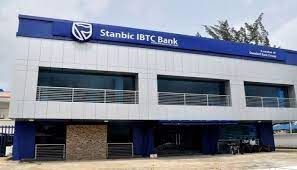
Stanbic IBTC Bank PLC, a member of Standard Bank Group, has opened a new branch in the Lagos Free Trade Zone (LFTZ), Ibeju-Lekki axis of Lagos State.

The new branch will serve the banking and pension needs of the financial institution’s current and prospective clients along the LFTZ corridor and environs.

Demola Sogunle, Chief Executive Stanbic IBTC Holdings PLC, said that the branch opening was geared towards serving industries, corporates and individuals in the LFTZ region.

He said: “As a forward-thinking financial institution, we have opened a branch to make our services available to individuals in the Ibeju-Lekki axis because we expect economic activities to increase within the area. We are fully committed and determined to continue providing world-class banking products and facilities in all the markets we operate in, and to ensure that our customers’ unique business needs are met.”

Wole Adeniyi, Chief Executive, Stanbic IBTC Bank, said: “We are delighted to open this branch in the Lagos Free Trade Zone area. This expansion epitomises our growth strategy of spreading our footprint to various regions in the country, and enhancing accessibility of our quality products and services to numerous industries and clients.”

Wole highlighted the growing need for additional banking services targeted at both current and prospective customers in the area, and the cognisance of convenience, alternative banking channels, and accessibility to financial services as key factors in achieving service excellence. He further described the branch opening as a strategic move that would catalyse vast investment opportunities inherent in the region.

Eric Fajemisin, Head, Corporate and Investment Banking, Stanbic IBTC, described the LFTZ as one of the commercial centres in Africa’s largest economy. He added that an overarching strategy of Stanbic IBTC remained to build sustainable businesses in all the regions served and to consistently create long-term value and wealth for shareholders and customers.

Eronmonsele Omiyi, Head, Client Coverage (Consumer clients) noted in his remark that: “Stanbic IBTC takes pride in the recognitions and awards for being at the forefront of providing exceptional customer service, and all customers can be assured of the same experience across all its branches, including this branch at the LFTZ”. He added that: “Excellent customer experience is complemented by the state-of-the-art digital channels that the bank provides, and our staff will be available to answer any enquiries from clients.”


CNN’s Connecting Africa Meets Business Leaders Connecting the Continent

0

Lawrence Nazare

Group Managing Director/CEO

Continental Reinsurance Plc

In the latest episode of Connecting Africa, CNN International’s Eleni Giokos meets the business leaders working to connect the continent.

In Lagos, Giokos meets Lawrence Nazare, the Group Managing Director of Continental Reinsurance. He explains what the reinsurance industry does, “Reinsurance in a nutshell, is really insurance, for insurance companies. It is really the second level of insurance after the insurance company insures its direct client. The reinsurer takes whatever risk the insurance company cannot cover under its own balance sheet.”

Intra-African trade has many challenges and Nazare believes that the size of the continent is one of the biggest hurdles, “Africa is a huge continent. So just the distances, I think makes it a daunting task. Traveling in Africa, when I started traveling was not easy, connectivity in Africa is not easy. So making sure that you are there on the ground, and interacting with your teams can be difficult. It’s proving to be a lot easier now post COVID doing it digitally, but at one point, we had to be physically traveling.”

Nazare also says that fragmented regulatory framework across the continent has proved to be a barrier to trade. He hopes that the African Continental Free Trade Area will solve this problem, “I see the Africa Continental Free Trade Area as an absolute imperative. I think for our business, it’s very exciting because of the promises that you’re seeing. One of which primarily is a promise of a level playing field, a modernised regulatory framework, no barriers to trade, free movement, free movement of labour, absolutely important.”

Nazare is hopeful for the future of business and trade across Africa, “I think the script for Africa’s future success story must be written by great African businesses. Those great African businesses must be allowed to spread their wings, take advantages of opportunities across the continent. We are on a fairly steep growth trajectory in Africa, boundless opportunities, but I believe we must create an environment that allows those enterprises to grow and thrive.”

This month’s programme also visits Ghana for a meeting of the Africa Economic Zones Organization, in Egypt energy and infrastructure giant Elsewedy Electric talk about their plans for a better-connected continent, and in South Africa Giokos explores South Africa’s wine industry.

The show also airs at the following times:

Monday 7th February at 0030 SAST and 2245 SAST

Tuesday 8th February at 2245 SAST

Saturday 12th February at 0830 SAST and 1300 SAST

Sunday 13th February at 2000 SAST

Monday 14th February at 0300 SAST


Linkage Assurance: N35bn Total Assets, N11bn Premium Income in 2021

0

Daniel Braie

Managing Director/CEO

Linkage Assurance Plc

Linkage Assurance Plc in the 2021 financial year recorded a 34 percent growth in Gross Premium Written (GPW) despite the challenging business environment.

The underwriting firm grew its GPW from N8.33 billion in 2020 to N11.16 billion in the review year as contained in its unaudited financial statements for the period ended 31 December 2021 made available to the Nigerian Exchange Group (NGX).

Its gross premium income was N10.57 billion as against N7.95 billion in 2020, a 33 percent increase.

Linkage Assurance during the review period sustained efforts at growing its balance sheet, as total assets grew to N34.85 billion, as against N33.88 billion in 2020.

The year under review was challenging in terms of technical underwriting, pushing net claims ratio up to 71 percent from 31 percent in 2020 largely due to major claims paid during the period such as claims arising from End-SARs protests and catastrophic losses in Oil & Gas and Manufacturing sectors.

Management of Linkage says it will continue to refine its strategy in line with the political, economic, sociological and technological changes in the industry particularly the impact of Coronavirus (COVID-19) pandemic on the business landscape.

“We will also continue to develop innovative products, alternative channels of distributions and strategic initiatives that will enable us achieve our corporate goals and objectives. With a medium-to-long term perspective, we believe that we will benefit from growth in these initiatives, Daniel Braie, MD/CEO of Linkage Assurance Plc stated.

Linkage has continued to expand its retail market with tailor made products that meet the needs of her teaming customers. Some of the products include the Linkage Third Party Plus, which is a budget friendly motor insurance that provides not only the compulsory Third party protection but an additional Own damage protection to the tune of N250,000. This product is only available from Linkage Assurance Plc.

Others are the Linkage SME Comprehensive, Citadel Shield (which provides compensation as a result of injuries from accident for pupils and students in recognized academic establishments); Linkage Events Xclusive Insurance, Linkage Shop Insurance, Purple Motor Plan (comprehensive motor cover exclusively for women), and the Linkage Estate Insurance.

“We have continued to make efforts to enhance our online portal to make our products and services available to our customers especially the digital savvy customers and enterprises, Braie stated.

“In line with the vision statement, we have embarked on extensive digital transformation, this is expected to be one of the major drivers of operational efficiency as it will improve our business process, eliminate wastages, and positively impact our performances.”

On Agric Insurance, the company says in line with its strategic focus, it has developed a bouquet of Agricultural Insurance products as risk management initiatives for both small, medium and large-scale farmers and agribusiness.

These include Livestock Insurance Solution, Multiperil Crop Insurance Solution, Fish Farm & Fisheries Insurance, Poultry Farm Insurance, Area Yield Index Insurance and Farm All Risk (Material Damage).

Stanbic IBTC Bank: Nigeria PMI Dips to 4-Month Low at Start of 2022

0

The opening month of 2022 revealed a solid expansion in Nigeria’s private sector. Output continued to rise at a robust pace thanks to larger workforces as well as supportive domestic and international demand conditions.

However, cash shortages weighed on new orders, which rose at the softest rate for a year-and-a-half. Nevertheless, firms remained committed to raising output and stockpiled inputs accordingly, while sentiment improved to an 11-month high. Cost pressures remained sharp in January, but purchase price inflation eased notably from December’s previous peak.

The headline figure derived from the survey is the Purchasing Managers’ Index (PMI). Stanbic IBTC Bank noted that readings above 50.0 signal an improvement in business conditions on the previous month, while readings below 50.0 show a deterioration. At 53.7 in January, down from 56.4 in December, the latest expansion pointed to a softer, yet solid, improvement in business conditions.

Expansions have now been seen in each of the last 19 months, with the latest uptick the softest since September. Central to the moderation was a notable slowdown in new order growth. Total new business rose at the softest pace in 18 months with panel comments mentioning that cash shortages and high prices weighed on new order growth.

With new order growth easing in January, firms raised their output levels at a softer pace. The rate of growth was still robust, however, and above the long-run series average. Sub-sector data revealed expansions across the board, although agriculture recorded by far the strongest increase. Manufacturing, wholesale & retail and services followed, respectively. Sentiment improved to an 11-month high during the month amid plans to expand operations.

As a result, firms raised their headcounts marginally which contributed to a sharp reduction in backlogs. Lead times continued to improve in January, but to the weakest extent since April 2020. The resurgence of COVID-19 cases and tighter restrictions in international markets were often mentioned as factors that weighed on vendor performance.

Meanwhile, a sustained period of output and new order growth encouraged advance ordering strategies. There was also an indication that firms added to stockpiles to protect against future price hikes. Both purchasing activity and input inventories rose at robust, albeit softer rates.

Rising wage and raw material prices led to another increase in overall input costs. Unfavorable exchange rate movements also drove up expenses. Consequently, firms increased selling charges, but the rate of increase moderated notably.


NAICOM Unveils Guidelines for Insurance Web Aggregators

0

The National Insurance Commission (NAICOM) has unveiled Operational Guidelines to serve as a working document to register, supervise and monitor web aggregators as Insurance Intermediary who maintains a website for providing information on products of different Insurers.

  • In exercise of the powers conferred by the National Insurance Commission Act 1997, the Commission hereby issues Insurance Web Aggregators Operational Guidelines.
  • This Guidelines comes into effect on the date of release to the insurance industry and the public.
  • This Guidelines shall apply to all Web Aggregators and Insurers respectively carrying on insurance business in Nigeria.
  • This Guidelines shall be read in conjunction with other relevant Legislation, Guidelines and Circulars as determined to be applicable to the newly inclusive distribution channels approved by the Commission.
  • It is the responsibility of Web Aggregators to obtain any clarification required on the applicability of this Guidelines, and any other Regulations from the Commission.