Wednesday, January 21, 2026
37.3 C
Lagos
Home Blog Page 159

Sovereign Trust Insurance: N16.3bn Assets, N13bn Premium, N4bn Claims in 2021

0
Mr. Olaotan Soyinka Managing Director/CEO Sovereign Trust Insurance Plc

Olaotan Soyinka

Managing Director/CEO

Sovereign Trust Insurance Plc

Sovereign Trust Insurance Plc has consistently maintained its growth trajectory in spite of the challenging operating environment that characterized operations of most businesses in the country in 2021.

The company has once again put up a remarkable performance in the year under review when compared with the company’s performance in 2020.

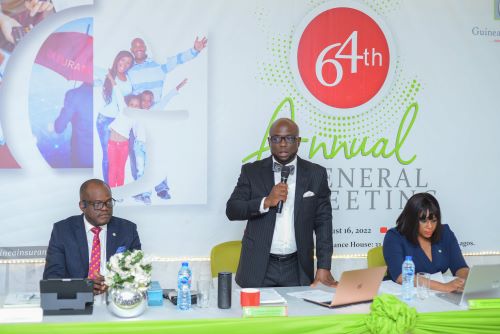
The Managing Director and Chief Executive Officer of the underwriting firm, Mr. Olaotan Soyinka said the development is indeed a commendable one considering the myriad of challenges that the insurance industry had to deal with in the past year of 2021.

It is quite interesting to note that the company recorded a leap of 42% in its Profit After Tax of N974 million as against N687million recorded in year 2020. Profit Before Tax equally increased as well from N796 million in 2020 to N885 million in the year under review, representing an 11% growth rate.

The Gross Premium Written in 2021 stood at N12.7 billion compared to the N11.1 billion written in 2020, representing an increase of 14%. Another interesting highlight of the 2021 accounts which could be described as heart-warming is the rise in the company’s Total Assets from N14.8 billion to N16.3 billion in 2021 representing 11% increase.

As the company grew its balance sheet in 2021, so did it also increase its claims payout. In 2021, a total of N3.7 billion was paid as claims against N2.9 billion that was paid in 2020. This in a way accentuates the company’s claims paying ability coupled with the company’s renewed attention at delighting her customers.

The net premium income also grew by 11% from N6.5 billion to N7.2 billion in 2021. Earnings per share also grew from N8kobo to 11.3kobo in 2021 while the Total Equity of the Underwriting Firm also grew by 11% from N8.6 billion in 2020 to N9.6 billion in 2021.

The Managing Director while briefing newsmen in Lagos said the management of the company is committed to meeting and surpassing the expectations and aspirations of its shareholders and stakeholders alike.

“These performance levels are a confirmation of the management’s determination to effectively and strategically position the company as one of the leading insurance companies in the country while at the same time, propel the company to a profitable height for shareholders’ delight” in the years ahead.


Union Bank Unveils Future-Forward Innovative Co-Creation Hub, SpaceNXT

0

Leading financial institution, Union Bank of Nigeria Plc has launched a technological and innovation hub known as SpaceNXT.

Built to promote innovation and encourage collaboration within the tech ecosystem in Nigeria, SpaceNXT is a future-forward purpose designed co-working hub for innovators, creators and techpreneurs.

Located within the Union Bank Head Office in Lagos Nigeria, SpaceNXT was set up to provide an enabling environment where tech enthusiasts, visionaries and creators can converge for the propagation of new ideas. It is a launching pad for innovators to collaborate, develop and improve on ideas around digital systems and technology.

Lola Cardoso, Executive Director and Head, Retail Banking and Digital, Union Bank, spoke on the benefits of SpaceNXT to the tech ecosystem.

She said: “Globally, technology and innovation are key drivers of growth, and here in Nigeria, the tech community is at the forefront of our ongoing digital revolution. To unlock the massive potential of the sector, we must create an enabling environment that promotes collaboration and fosters strong partnerships within the ecosystem, this is why we launched SpaceNXT – to serve and enable the growth of the tech community.”

The launch event which held on April 7th 2022 had Special Guest of Honour, Mr. Tunbosun Alake, Special Adviser on Innovation and Technology to the Governor of Lagos State, in attendance. He officially opened the space alongside the executives of the Bank. Speaking during the ribbon cutting ceremony, he said: “This is indeed a laudable moment for Union Bank. With the launch of SpaceNXT, Union Bank has established itself as a bonafide trusted partner for the future generation. SpaceNXT is a sandbox for culture change and an enabling lever to drive innovation and technology in Nigeria.”

SpaceNXT was conceived as part of the Bank’s mission to enable success for the tech community in Nigeria by providing a space that would foster collaboration within the ecosystem. Union Bank’s Chief Executive Officer, Emeka Okonkwo, shared the Bank’s reason for launching the Space at this time. According to him, “for us at Union Bank, we believe the best way to predict the future is to create it. This is why we are pushing beyond banking to take a strategic position as enablers of success within the tech and innovation industry. We are excited at the opportunity to enable the ecosystem and co-create a future that is brighter than we can imagine today.”

Besides being a hub for sharing and generating innovative ideas, SpaceNXT will also serve as a venue for tech and innovation events, hackathons, trainings and meetings. Union Bank remains committed to the acceleration of the technological landscape in Nigeria.


About Union Bank Plc.

Established in 1917 and listed on the Nigerian Stock Exchange in 1971, Union Bank of Nigeria Plc is a household name and one of Nigeria’s long-standing and most respected financial institutions. The Bank is a trusted and recognizable brand, with an extensive network of over 300 branches across Nigeria.

In late 2012, a new Board of Directors and Executive Management team were appointed to Union Bank and in 2014 the Bank began executing a transformation programme to re-establish it as a highly respected provider of quality financial services.

The Bank currently offers a variety of banking services to both individual and corporate clients including current, savings and deposit account services, funds transfer, foreign currency domiciliation, loans, overdrafts, equipment leasing and trade finance. The Bank also offers its customers convenient electronic banking channels and products including Online Banking, Mobile Banking, Debit Cards, ATMs and POS Systems.


Pension Funds Investment in Real Estate, Infrastructure Will Grow Assets – Ojumu

0


The Head of Equities and Fixed Income sales, Absa Nigeria, Simi Ojumu, speaks on the operations of Absa in Nigeria, how to diversify pension portfolio and how Pension Funds Administrators can meet their recapitalisation targets.

Question: We noticed a stronger presence of Absa in Nigeria. Tell us about your operations in Nigeria.

Answer: Absa is a leading Pan-African Bank with a strong footprint and proven on the ground capabilities across the African continent. In 2010, Absa established a corporate and investment banking representative office comprising 3 bankers. The team has since expanded.

We now have two licensed subsidiaries namely Absa Capital Markets Nigeria Limited and Absa Securities Nigeria Limited; both firms are fully owned subsidiaries of Absa Group Limited. We are licensed by the Nigerian Securities and Exchange Commission (“SEC”) to provide financial advisory, capital raising services and Stockbroking services in the Nigerian capital market.

Absa Capital Markets Nigeria Limited and Absa Securities Nigeria Limited were established in 2017 to further expand Absa’s product and service offerings in Nigeria.

Question: As the custodian of Absa’s pension portfolio in Nigeria, what is your opinion on the pension industry in Nigeria, how has the Contributory Pension Scheme (CPS) fared?

Answer: The Nigeria pension industry has really evolved and in the right direction too. This significant growth we have seen is incident on the enactment of the Pension Reform Act (PRA) of 2004. While that Act has been replaced with the PRA 2014, the growth trajectory we have witnessed in the pension industry is hinged on the PRA of 2004.

Prior to the PRA of 2004, the industry was near stagnant catering to only a few of the Nigerian workforce. With the PRA, it became mandatory for every employer with more than 5 staff strength to enroll its staff in the scheme and contribute. Today, the Contributory Pension Scheme (CPS) has enabled millions of Nigerians to have inputs on who manages their pension funds. A savings culture is being imbibed, as both employee and employer must contribute towards the employee’s retirement. The CPS, through the multiple operators and agencies- the Pension Fund Administrators (PFAs), Pension Fund Custodians (PFCs), Closed Pension Fund Administrators (CPFAs) and the regulator National Pension Commission (PenCom) has created an ecosystem of career path, employment, business and investment opportunities for several Nigerians.

In less than two decades, Nigeria’s Net Assets Value of Pension Assets has grown from Federal government budgetary pension deficit estimated at N2 trillion as at June 2004 to N13.6 trillion as at January 2022. Its contribution to GDP has grown from 0.9% in 2004 to 9% in January 2022. Of the N13.6 trillion Net Assets Value, over 60% of the funds are invested in FGN Securities, while the rest are spread across local money market securities, states governments securities, real estate, mutual fund, corporate debt securities, infrastructure funds, private equity, cash and other assets.

Indeed, the CPS has fared well, but there is room for growth.

Question: With a labour force of over 80 million Nigerians, only 9.5 million have Retirement Savings Accounts (RSAs). What would you say is responsible for this? And how can it be improved?

Answer: Despite the considerable success of the PRA 2014, the CPS has faced and continues to face some challenges. Low coverage, lack of political will on the part of state governments (only 24 states in the country have adopted the law), inadequate awareness on the scheme’s benefits and the inability to ensure strict compliance by the parties, especially the Federal Government who is the largest employer of labour. Several bills, requesting exemption of different groups of Federal government employees continue to be put forward, even with the knowledge that this will cause a disruption to the flow of the CPS as we know it.

Concerted efforts should be made to ensure the complete success of the CPS. More public and private sector organizations should participate in the scheme. The Federal government should adequately fund its employees’ accrued benefits. Compliance should be ensured, and massive awareness should be carried out by all the parties involved.

Question: How have the pension assets fared, in terms of contribution to GDP?

Answer: The bulk (61%) of the pension assets, as of the end of January 2022, was invested in Federal Government securities, providing the Federal Government with low-cost long-term funds to implement its capital budget. PFAs also invested in companies listed on the Nigerian Stock Exchange, with 7% of funds invested at the end of January 2022. In addition to providing stable ownership in key firms, PFAs also improve corporate governance in listed firms they invest in, this is due to their collective investing power, which they can use to enforce best practice in corporate governance. Furthermore, PFAs invested 7% of pension funds, in the same period, in private sector corporate bonds, providing the firms with long-term cheap funding to finance growth.

The Net Assets Value of Pension Assets under the Contributory Pension Scheme, N13.6 trillion represents 9% of nominal GDP

Question: Should a part of pension assets generated in Nigeria be invested in global markets?

Answer: This is already being done, as the pension assets are invested in a much-diversified portfolio, including a mixture of global and local equities, which is strictly regulated by the PenCom. PFAs willing to invest in global markets will seek PenCom’s approval.

Currently, majority of the pension funds are invested in government securities (federal and state governments bonds), there are other investments in the stock exchange, corporate bonds, real estate, private equity, infrastructure funds and there is the need for diversification to foreign markets for higher returns and hedge against inflation, currency fluctuation and market volatility.

Other diversification considerations should include alternative and non-traditional investments as consistent with global trends. However, the PenCom restrictions on the percentage of funds that can be invested in various sectors, markets and financial institutions, should be further reviewed. The current percentage of funds allowed to be invested in real estate, private equity and infrastructure funds are grossly inadequate if we want to grow the Nigerian pension assets to GDP to the 100% mark as obtained in other markets.

Beyond investment in global markets, the investment portfolio for the PFAs should be critically reviewed in terms of performance.  It is important to ensure that inflation does not erode the value of these assets and investments over time.

Question: What can the National Pension Commission (PenCom) do to increase participation in the CPS and compliance from existing employers?

Answer: There is a need for massive awareness on the implications of partial and non-compliance with the PRA 2014 by private employers, state governments and the federal government as well.It is uncharitable for any state government or any employer of labour, be it in the public or private sector, to delay enrolling their workers in the new pension scheme. There is also the need for stricter enforcement to ensure that state governments and private employers remit pension deductions to workers’ PFAs. There is the need for PenCom to engage the critical stakeholders here; State houses of Assembly, National Assembly, the Financial Reporting Council of Nigeria (FRCN) to drive compliance in enrollment and remittances.

Question: The Pension Reform Act 2014 amendment is in its final legislative stages. With the amendment seeking to exempt the Nigerian Police Force (NPF) from the PRA 2014, what will be the immediate effect on the economy in view of the current budget deficit of N6.2 trillion?

Answer: Exemption of the personnel of the NPF would imply additional financial burden on the Federal Government by way of unsustainable pension obligations.

As of September 2021, there were 304,963 police personnel based on IPPIS data, and actuarial valuation revealed that the retirement benefits (pension and gratuity) liability of this personnel under the defunct Defined Benefits Scheme would amount to about N1.84 trillion.

The liability under the CPS for the same NPF personnel is made up of N213.4 billion with accrued pension rights and monthly employer pension contributions of about N2.2 billion.

In the light of this and the current budget deficit, all parties involved need to seek other solutions, as withdrawing the NPF from the scheme could destabilize the entire model and will impact heavily on an over-burdened budget.

Question: How will the amendment impact on the savings culture of Nigerians?

Answer: It may set an unhealthy precedence of various groups wanting to pull out of the CPS, which will in turn, negatively impact on the savings culture hitherto imbibed. The mandatory nature of the contributions has helped employers and their employees to be directly involved in saving for their pensions and ensure accountability in the process. Compared to what was in existence during the era of Defined Benefits where there were no funds and people waited forever to receive their retirement benefits.

Again, it brings us to the need for increased awareness for the benefits of the CPS, its contribution to economic growth and the security it portends against defined benefits.

Question: The deadline for recapitalisation of Pension Fund Administrators is upon us and we have seen the initiation of some mergers and acquisitions in the pension industry. Increasing the shareholders’ funds from N1 billion to 5 billion per PFA, how do you see this affecting the pensions industry?

Answer: This is the second recapitalization the pension industry has seen since the inception of the Contributory Pension Scheme, and it is a sign of growth in the industry. As the assets under management and the PFA portfolios grow, the recapitalization becomes necessary.

The PFAs will need to retain their skilled workers and attract top-tier talent. There is need for digitalization, post Covid-19.

For those who have been unable to meet the capital base on their own, they have gone the route of Mergers and acquisitions, to make them bigger players in the pension industry.

Question: How will the M&As affect the contributors’ assets and will there be any downsides?

Answer: PenCom announced the approval of three Mergers and Acquisitions on March 2, 2022, these mergers and acquisitions enable the entities to pull their resources together and become a larger force. The new PFAs will have the combined Assets Under Management (AUM) of the previously separate PFAs under one umbrella, which gives them more resources at their disposal. With smooth transitions, there should be no negative effects to the contributors’ assets.

However, smooth transitions are also largely dependent on the Investment bank that facilitates the reorganization and, in this case, the mergers and acquisition. This is one of the core services of Absa Group in Nigeria. At Absa Nigeria, we have proven expertise to manage mergers and acquisitions to ensure smooth transition of the new company.

Question: How can the Pension Fund Custodians (PFCs) take a more active role in the CPS?

Answer: Pension Fund Custodians (PFCs) are responsible for keeping safe custody of pension assets on trust on behalf of contributors. The main functions of PFCs are to receive pension contributions on behalf of PFAs; settle transactions and undertake activities relating to the administration of pension fund investments on behalf of PFAs and to notify the PFA within 24 hours of the receipt of pension contributions from employers.

The role they play in ensuring the safety of the contributor’s assets cannot be over emphasized.

Question: With Absa being experts in the Fixed Income and Equities trading space, how would you advise policy makers to go about improving the business of pensions?

Answer: The most important thing would be to ensure the sustainability of the contributory pension scheme. Ensuring participant compliance by the Federal, State governments and the private sector, creating awareness of the benefits, creating an investor-friendly environment, are some of the ways that policy makers can ensure that the pension sector continues to thrive and improve its contributions to the country’s GDP.


VFD Group Unveils New Website, Reiterates Commitment to Create Africa’s 1st Business Ecosystem

0

VFD Group, sector agnostic proprietary investment company has announced the launch of its newly designed website – www.vfdgroup.com.  The new website is upgraded with information aimed at reinforcing its drive to build a diverse business ecosystem.

The website is configured with a modern interface design and improved user experience that enables first time visitors get all the information at first glance, with quick links to pages that describe the portfolios within the Group’s ecosystem.

The new website adopts a fresh, magazine-style look and feel for easy navigation to promote the access to the company’s investment ethos, prospective investors looking to obtain, share information about VFD as well as blog stories for investors, or the curious mind. This upgrade is also expected to guide members of the investment community to make well-informed decisions about business and investment needs.

Speaking on the new website, VFD Group’s GMD, Nonso Okpala said, “as one of the key touch points to existing and potential investors, the Group’s website remains a path to our business operations, supporting our unique value propositions and investment portfolios. As such, we are committed to continuously improving the overall user experience through quality content, news mentions, and easy navigation’’.

He further noted that “the Group’s website will be updated on a regular basis with exciting content that will continue to reinforce the Group’s commitment to building and promoting a diverse ecosystem.”

In conclusion, Okpala remarked that ‘’the website will also serve as an information hub that will keep investors and the public abreast of various investment commitments, offerings, and updates on how to be smart investors thereby helping them to improve their economic wellbeing’’. He encouraged everyone to explore the website and follow the Group’s social media pages for updates.


The 6th BusinessToday Annual Conference in Lagos

0

L- R: MD/CEO, Universal Insurance Plc, Benedict Ujoatuonu; MD/CEO, African alliance Insurance Plc, Mrs. Joyce Ojemudia; GMD, Cornerstone Insurance Plc, Mr. Ganiyu Musa; Managing Director/ Editor-in-Chief, BusinessToday Communication, Nkechi Naeche-Esezobor; MD/CEO, Access Pension PFC, Idu Okwuosa-Okeahialam and Chief Consultant, B. Adedipe Associates Limited, Dr. Abiodun Adedipe at the 6th BusinessToday Annual Conference held in Lagos.

Absa Highlights Fresh Opportunities, Growth Potential in Telecoms Sector 

0

Sadiq Abu

Absa CEO  

Absa, a leading pan-African bank with a strong footprint across the African continent, has highlighted the opportunities for new businesses in the Nigerian telecommunications sector as well as the sector’s limitless growth potential.

The Bank said the opportunities and the growth potential remain strong, in spite of the challenges in the sector, and therefore called on smart investors and entrepreneurs to tap into the opportunities and expected growth.

The banking group, which operates two licensed subsidiaries in the country, Absa Capital Markets Nigeria Limited and Absa Securities Nigeria Limited, and has deep expertise in advising and financing telecommunications, media and technology transactions across the continent, provided an interesting perspective on the sector during a media roundtable session held recently in Lagos, themed The Nigeria Telecoms Sector: Exploring the Opportunities.

According to Sadiq Abu, the Chief Executive Officer, Absa Nigeria, the issues plaguing the smooth operations of telcos in the country include power deficit, vandalism of transmission infrastructure assets, theft, and multiple taxation.

He said these despite the operating challenges, the sector continues to present enormous opportunities for growth, especially in relation to broadband internet, last mile connectivity and telco infrastructure (data centres, fibre optic networks, etc).  There remains a vast and growing demand for data, despite the apparent maturity of voice revenue streams.

“The telecommunications industry is generating interest from local and foreign investors. This is because the capacity for growth in the industry is limitless. And telcos are already strategically developing useful business vehicles to take advantage of emerging opportunities in the industry,” Sadiq said.

“Meanwhile, the various challenges that are bedeviling the smooth operations of telcos provide expansive opportunities for smart entrepreneurs who possess an innovative and unerring vision of what can be done to help the players maintain cost advantage or protect critical transmission infrastructure assets through the provision of services that hedge against disruption in the supply chains.”

Also speaking during the event, Hasnen Varawalla, the co-head of Investment Banking Origination for Absa said Nigeria’s telecommunications sector is one of the largest sectors on the African continent and can serve as a strong driver for wider employment generation, financial inclusion and robust foreign direct investment (FDI).

“Two of the telcos that have listed on the Nigeria Stock Exchange (NGX) currently form 54% of the overall capital base of the NGX and as of 2021, the sector reportedly contributed around 17% of the GDP,” Varawalla said.

He explained that the sector drives financial inclusion, supports fintech activities, aids the ongoing explosion in e-Commerce services and integrates cities.  He said some of the attractive propositions in the industry include telecommunications infrastructure (data centres, fibre networks, etc), the gradual rollout of 5G technology combined with the new interest in digital work tools to meet the demands for distant work arrangements, as well as the emerging trends in fintech.

“Absa is a significant capital provider to the entire telecoms sector in Africa. Our role is not limited to providing capital though; we are amongst the most active advisers to telco/telco infrastructure companies having led and/or participated in many landmark transactions across the continent, including the GBP 595m Airtel IPO on the NGX, the sale of 9mobile to Teleology, Vodacom IPO on the Tanzania Stock Exchange, the US$ 378 IHS IPO on the NYSE, the acquisition by IHS of MTN’s tower portfolio in South Africa, amongst others.  We continue to make available our deep telecoms sector expertise to help telcos take advantage of emerging opportunities that will fast track the timely achievement of their growth aspiration,” Varawalla said.

Adedotun Sulaiman, the Chairman of Absa Nigeria, enthused about the potential trapped in the Nigerian telecommunications sector and the implication for the economy. He promised that Absa will always be available to provide a useful perspective on key sectors of the economy.


Gombe State, Simba TVS to Empower Residents with 1000 Tricycles

0

The Gombe State Government has commenced moves to improve last-mile transportation in the state, with the introduction of 1000 TVS tricycles which would ease local passenger commute and thus improve the lives of the people of Gombe State.

The state government had selected Simba TVS, foremost motorcycle and tricycle company, to supply 1000 units of the TVS King deluxe tricycles (Keke), based on the company’s high-quality products, spares availability across the country and their reputation for best-in-class service.

Mr. Mahendra Pratap, the Business Head of Simba TVS, who was at the Vehicle handover ceremony at the Pantami stadium in Gombe, commended the State Governor, Alhaji Mohammed Inuwa Yahaya, for his visionary foresight and astute commitment to resolving the challenges of last-mile transportation and impacting positively on the fortunes of the people in the State.

He revealed that Simba TVS was selected due to the brand’s reliability, trustworthiness and commitment to quality service adding that TVS brands were widely accepted across the country.

According to him, “Gombe State Government trusted Simba TVS to provide 1000 units of the TVS King Deluxe to enhance last-mile transportation in the state and we have done just that to demonstrate our commitment and vision.

The TVS King Deluxe is the most powerful 3-wheeler vehicle with the most durable engine in a Keke, stronger chassis and body, imbibing the best considerations for safety, comfort and convenience, and of course, our Keke comes with 12 months warranty.”

He noted that the impact of the addition of 1000 units of TVS 3-wheelers into the transportation infrastructure of Gombe State is very significant as this is expected to empower residents, boost productivity and generate massive socio-economic ripple-effect.

“We are convinced that the distribution of the TVS King Deluxe, as part of the Alhaji Yahaya administration’s projects in the transportation sector, will alleviate the challenges of last-mile transportation, provide employment and technical skill development opportunities for the youths, while also accelerating the pace of economic growth in the state,” he said.

Regarding continuous support for customers, he revealed that, Simba TVS provide a range of after-sales and support services, which is not only limited to a 12-month warranty (on the vehicle engine and indicated parts) but also include easy access to genuine spare parts, vehicle coupling training/ service, and Rider safety training.

Other benefits could include basic vehicle maintenance training, advanced training for technical manpower development/ skill enhancement and basic transport business management training.

He stated that in affirmation of the brand’s avowed commitment to nation-building, Simba TVS will continue to seek opportunities to expand partnerships with major stakeholders such as governments and their agencies, corporate organisations, financial institutions across the country.

In Gombe State, Simba TVS is looking to establish fully equipped, company run workshops along with supporting local mechanics and spares dealers in various parts of the state that will be focused on the development and enhancement of the support infrastructure: spares, technical services and engine oil.

Taiwo Damilola, Divisional Head of Marketing, Simba TVS, remarked that Simba TVS has in the past invested in numerous CSR initiatives focused on social/economic empowerment and human capital development. The firm will continue to roll out more initiatives in line with this vision and belief based on its understanding of the evolving challenges within the country.

The State Governor at the launch ceremony on Wednesday, March 30, 2022 took a ceremonial ride in a TVS King Deluxe and expressed excitement at the performance of the vehicle. The State Government have since begun the hand-over of the vehicles to beneficiaries from across the State.


NSIA Unveils Radio Campaign to Reach Clients, Grow Market Share

0

NSIA Insurance starts off the second quarter of the year 2022 with the launch of its new radio campaign.

The organisation has launched this campaign as a means to reach a diverse range of prospective customers, shed light on NSIA Insurance business operations, and reiterate the brand strategy for the year – ‘Plan i is the new Plan B”.

It also presents an opportunity to communicate effectively the value of their product offerings and tailor-made services.

There are 5 elements of the radio campaign:

  1. Spot Adverts (April 4 – May 11) – 6 weeks
  2. Time Check (May 2 – July 6) – 10 weeks
  3. Hypes (June 14 – July 19) – 6 weeks
  4. Live Appearances (July 5 – July 26) – 4 weeks
  5. Sponsorship (July 18 – October 3) – 12 weeks

The first 2 elements focus on creating increased awareness for the Brand, after which the hypes will dwell more on Plan i as life’s backup plan. Then there will be Live Appearances featuring #NSIApeople which will focus on its business operations and product offerings.

The campaign will run on various radio stations in Lagos, Ibadan, Port Harcourt, Warri, Abuja, Onitsha, Asaba, Enugu, Kaduna, and Kano.

According to the MD/CEO of NSIA Insurance, Ebelechukwu Nwachukwu, “The insurance industry has undoubtedly progressed over the years, but we are not where we should be. Many individuals still need to embrace insurance as a necessity, from health insurance to life insurance, ensuring that all their assets are protected. Getting a Plan i for different stages of life is critical.”


About NSIA

NSIA Insurance Limited is a first-class composite insurance company driven by Integrity, Care, Innovation, and Professionalism. The Head Office is in Lagos, with a strong regional presence in Abuja and an extensive network in strategic states across the country.

NSIA Insurance offers a wide range of insurance services at competitive rates to meet the changing financial, investment, and lifestyle needs of its corporate, commercial, and individual customers.

NSIA Insurance Limited (Nigeria) is part of NSIA Participations, which is currently present in 12 African countries; Benin, Cameroon, Congo, Côte d’Ivoire, Gabon, Ghana, Guinea, Guinea Bissau, Mali, Nigeria, Senegal, and Togo.

GNI CEO to Nigerians: Embrace Insurance for a Better Future

0

Mrs. Cecilia O. Osipitan

Managing Director/CEO

Great Nigeria Insurance Plc

Great Nigeria Insurance Plc has called on Nigerians to adopt the culture of insurance now more than ever before.

This advice is coming on the heels of the commencement of the rainy season as most of the road accidents happen during this season due to heavy downpour resulting in waterlogging, covered potholes, manholes and ditches.

Not forgetting the rise in the figures of collapsed buildings especially those under construction, fire outrage and other eventualities which have destroyed properties worth millions of Naira in the past.

During a press briefing with insurance correspondents recently held at the Head Office of Great Nigeria Insurance Plc in Lagos, the company’s spokesperson, Ms. Oyinkansola Sobande said this is the time Nigerians need to consciously educate themselves on the benefits they are bound to derive in taking up an insurance policy.

She said there are various insurance products that have been designed to protect lives and properties, noting that the most essential thing is for the insuring public to willingly open their minds in accepting the fact that insurance is a very important aspect of their lives. In her words, “Nigerians have waited too long in recognizing and accepting the reality that without insurance, one is like building a House without a foundation and in no time, it could come crashing; and when that happens, you will have to start from the scratch again with even more funds than you initially expended”. She said that insurance gives you the promise of a safe and comfortable future. The earlier we disabuse our minds of the old notion that insurance does not work, the better it will be for all of us, she concluded.

Also commenting, the Head, Corporate Services of the underwriting firm, Mrs. Kofoworola Oshiga, attributed the low patronage of insurance in the country to the fact that Nigerians lack the basic insurance knowledge to fully appreciate the benefits inherent in it. According to her, “there’s a willing suspension of acquiring basic knowledge about insurance products and how it works by majority of Nigerians which must be dispelled.”

Experience has shown that an individual who took out one policy or the other in the past but with awry experience along the line was largely due to the inability of perusing their insurance contract or policy document as the case may be. Such an individual is capable of giving wrong information or misrepresentation of ideas to would-be customers out there who would have taken one policy or the other.

In the same vein, the Managing Director/CEO, Mrs. Cecilia O. Osipitan equally mentioned that low awareness remains one of the major reasons why a very large percentage of the Nigerian populace is not insuring as they ought to considering the population and the level of commercial activities in the country. She also emphasised the need to positively influence the perception of the insuring public to engender greater patronage as the negative notion that most people have against this very noble profession is adversely affecting the performance of the industry.

As part of the sensitisation effort, GNI Plc uses two sponsored radio program titled “GNIONGO” on Traffic Radio 96.1FM every Friday between 12:15 pm and 12:30pm and “Oga Driver” on Star 101.5FM every Monday, Wednesday and Friday between 10:15am and 10:45am to extensively discuss the import of insurance with the different products and services available under the stable of the company.

Great Nigeria Insurance Plc remains resolute in delivering on all promises made.


2023: Harvard Economist Projects Emefiele as Next Obasanjo

0

Godwin Emefiele

Governor

Central Bank of Nigeria

It’s not very often that a sitting central bank governor is lauded by throngs of singing and dancing supporters, but backers of CBN governor Godwin Emefiele may have just made history at this weekend’s APC national convention.

The political theatre, whether organic or facilitated, is a quirky tribute to a technocrat whose celebrity status usually doesn’t stretch past the Davos city limits. In a crowded field of candidates for the APC’s presidential nominee, however, it’s unsurprisingly necessary to pull out all the stops to get ahead of the pack.
Emefiele, for his part, has so far kept silent on whether he will formally run. While others are quick to throw their hats in the ring, the CBN governor appears to be taking the route of a diligent-but-humble public servant who may be pressured into running.

Although that path above the fray is well-trodden, Emefiele’s powerful, current position has ruffled plenty of feathers. In February, Premium Times ran an editorial calling on Emefiele to either resign and run, or remain in his post and repudiate any electoral ambitions.

Similarly, just days ago the main opposition party, the PDP, offered a 21-tweet salute accusing Emefiele of having “desecrated the sanctity of his office as CBN Governor.” If the governor were to formally enter the arena of partisan politics, there would be intense pressure upon him to resign his tenure as the country’s top banker.
Aside from his powerful post, why does Emefiele draw so much lightning? The APC is expected to select a candidate from the South for the 2023 ticket (some say the south west, specifically, but that remains to be confirmed).

Born in Delta state, Emefiele is described as having “a candidature with South South and Igbo background.” His professional experience is also strong. He came to the apex bank with 20 years of experience in the private sector, most notably as managing director of the household name Zenith Bank. Additionally, appointed under PDP president Goodluck Jonathan in 2014, Emefiele has worked with (and survived in his post under) governments led by both major parties.
This mix of fortuitous zoning happenstance, noteworthy private sector experience, and political longevity at the height of national politics makes Emefiele a serious contender. But no one plays in the big league for that long without controversy.

Over the years, Emefiele has faced accusations of impropriety, lawlessness, and mismanagement. And that’s all before he was considered a potential presidential candidate.
The glaring lacuna in Emefiele’s resume is electoral success. Rotimi Amaechi and Nasir El-Rufai—potential rival candidates within the APC—have both proven that they can win elections at the state-level. Is it necessary? Well, both Umaru Yar’Adua (Katsina) and Goodluck Jonathan (Bayelsa) won gubernatorial elections before winning the presidency.

But both Olusegun Obasanjo and Muhammadu Buhari served in unelected national-level positions, before eventually prevailing in nation-wide polls. If the APC ticket will indeed be led by a candidate from the South, could Emefiele be the next Obasanjo?

NB: Oliver McPherson-Smith, Harvard Economist, writes from the USA.


Stanbic IBTC Emerges Winner at 2022 Cosmopolitan The Daily Business Awards

0

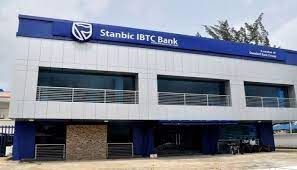
Stanbic IBTC Bank Plc, a subsidiary of Stanbic IBTC Holdings, has been awarded the Best Cash Management Bank and the Best Trade Finance and Supply Finance Provider in Nigeria at the 2022 edition of the Cosmopolitan The Daily Business Awards, which held recently.

Organised by Cosmopolitan The Daily Business publication, the business award recognises financial organisations globally with exceptional strategy, achievements, dedication, and innovation.

Expressing his delight at the awards, Jesuseun Fatoyinbo, Head, Transactional Products and Services (TPS), Stanbic IBTC Bank PLC, said that the recognition is an attestation to the bank’s dedication to quality service and customer satisfaction.

He said: “Stanbic IBTC Bank has earned its place as one of Nigeria’s leading financial institutions. One of our strategic goals is to help Nigerian organisations grow and scale their businesses while also facilitating the development of an enabling business environment and thriving ecosystem. We also deploy innovative solutions to give our clients and customers the best experience.”

“Emerging as the Best Cash Management Bank and Best Trade Finance and Supply Finance Provider in Nigeria is impressive as this demonstrates the commitment and dedication of our people. This is a testament to the high operating standard at Stanbic IBTC and proof of the confidence that our clients have in our service delivery” he added.

Jesuseun also highlighted innovative solutions that businesses can take advantage of, which include the newly launched Pan-African Payment and Settlement System (PAPSS), Business Online (BOL) which is a fully-digitised platform that facilitates cash management, investor services and trade needs, Africa China Trade Solution (ACTS), and trade finance solutions.

The Cosmopolitan the Daily Business Award is hosted by Cosmopolitan Daily publications and magazines, with branches in New York, Toronto, London, Dubai, Bangalore, Kuala Lumpur, and Sydney, is a business publication providing coverage of finance, technology, energy, real estate, on key market trends from around the globe.

Sterling One Woman Partners Society for Corp Governance on IWD

0

L-R: HEAD, ONE WOMAN, STERLING BANK, IFUNANYA UGBOKO; CHIEF EXECUTIVE OFFICER, FUTURE SOFTWARE RESOURCES LIMITED, NKEMDILIM UWAJE BEGHO; CO-FOUNDER, FALCON CORPORATION, AUDREY JOE-EZIGBO; CHIEF EXECUTIVE OFFICER, SOCIETY FOR CORPORATE GOVERNANCE NIGERIA, CHIOMA MORDI; AND MODERATOR, AND HEAD GOVERNANCE, STANBIC IBTC HOLDINGS, ESE NKADI, AT THHE INTERNATIONAL WOMEN’S DAY 2022 IN LAGOS PHOTO: STERLING BANK

As part of activities to commemorate this year’s International Women’s Day (IWD) themed “Break the Bias,” Sterling Bank partnered with the Society for Corporate Governance, a Non-Governmental Organisation (NGO), to sensitise women professionals and other executives on how they can become active and effective board members as part of activities to commemorate this year’s International Women’s Day (IWD).

Speaking at the one-day event with the theme: “Boardroom Readiness: Enlightening and Equipping Women,” Mrs. Ifunaya Ugboko, Head of One Woman, said, “We supported the program because there is a need for women to be conscious of their potential, equip themselves for boardroom positions and change the mindset perspective that boardroom positions are meant for men alone.
“We also want women to be intentional about their capabilities and aspire to greatness. Helping women into leadership positions, especially at the boardroom level, where they can contribute to the growth of their organizations and live a fulfilling life.”

While urging women to be inspirational, Ugboko disclosed that women can have access to credit solutions such as asset financing loans, distributorship loans, discounted business loans, nanny solutions to support work-life balance, trusteeship solutions, and get the One-Woman card, which enables them to shop at discounted prices in selected stores under the One-Woman proposition.

She drew attention to the need for women to embrace trusteeship solutions as part of Breaking the Bias.

Also speaking, but virtually, the keynote speaker, Dr. (Mrs.) Ajoritsedere Awosika, Chairman of Access Bank Plc, dwelt on the need for gender diversity on boards of companies and commended the Society for Corporate Governance for being at the forefront of enforcing corporate governance and increasing the number of women in boardrooms in Nigeria.

Awosika observed that bias against women in top leadership positions is a global issue as statistics show that only 6.7 per cent of positions on boards of directors are occupied by women globally. She, therefore, urged women to improve their skills by taking advantage of the outcome of the COVID-19 pandemic to register for online courses in that regard.

She listed some examples of women who had broken the glass ceiling in the boardroom, including Mrs. Mosun Belo-Olusoga, the first female Chairman of Access Bank in 2020; Mrs. Ibukun Awosika, former Chairman of First Bank Nigeria Limited; Chioma Mordi; Elohor Aiboni, MD, Shell Nigeria Exploration and Production Company; Mariam Olusanya, MD/CEO of Guaranty Holding Trust Company; Mrs. Bola Adesola, former Managing Director and CEO of Standard Chartered Bank; and Mrs. Nneka Onyeali-Ikpe, current Managing Director and CEO of Fidelity Bank Plc.

Egbert Imomoh, Chairman of Investment One Financial Services Limited, also advised prospective women in the boardroom to be very strong, competitive, work hard at the beginning of their careers, be highly ethical and have the strength of character to express their views on board meetings.

Imomoh, a former MD of Shell Nigeria, advised corporate organizations to expose women to leadership positions and identify viable ones that can bring value to their companies, adding that women should ensure that their voices are heard.

There was also a panel discussion moderated by Ese Nkadi, Head, Governance, Stanbic IBTC Holdings. Discussants include Nkedilim Uwaje-Begho, CEO of Future Software; Audrey Joe-Ezigbo, Co-founder, Falcon Corporation Limited; Bimbo Wright, Executive Director, Wright & Co. Limited; Mrs. Bola Tinubu, Board Chair, the Boardroom Africa; and Zelda Akindele, Partner with Templars.

The panel conversation was centred around women being confident, having a voice, being competent, growing their social network, keeping themselves abreast of local and global trends, and a lot more.

The discussants, nonetheless, agreed that appointments to boardroom positions for women should be based, on merit, accountability, and impact, among others.


Nigeria’s 2023 Outlook and the Looming Danger

0

By Dr. Michael Owhoko

I am neither a prophet nor a clairvoyant, but from the manifestation in my crystal ball, I see Nigeria in 2023 being shaped by upheaval fueled by miseries and hopelessness.  Agitation reminiscent of the ENDSARS protests will break out.

Primary triggers are the country’s pathetic economic indices, including growing unemployment, cynical gross domestic product (GDP), inflation and the undiversified weak mono-commodity economy, lacking leadership and managerial oxygen.

Secondary triggers are the dampened economic opportunities induced by nonchalance over worsening corruption, mounting debt burden, crude oil and foreign exchange manipulation, macro-economic flux,  insecurity, hunger, poor electricity supply, and lack of constitutionalism and rule of law.

Tertiary trigger is the unresolved national question pertaining to incompatibility of the country’s political system and its diverse ethnicities, which is negatively impacting on the country’s fundamentals.  Put differently, the country’s unitary system is antithetical to a multiethnic society like Nigeria, which undoubtedly, is the root cause of the country’s regression and despairs.

These concerns will transpire immediately after power transition in May 2023 with increased build-up towards the end of the year and beyond.  This unprecedented development will mark a watershed in the history of Nigeria.

Nigerians are fed up.  Suicide cases arising from hunger are on the increase. Over 82 million Nigerians now live on less than a $1 dollar a day.  At a conservative black-market rate of N580 to a dollar, the average Nigerian survives on less than N580 daily.  This amount cannot buy a standard loaf of bread of N600.

You now know why Nigerians are looking malnourished except those that have access to the country’s treasury, and the privileged few who are involved in under-the-table transactions, either in public or private sector.

Nigeria was ranked 103rd out of 116 countries by Global Hunger Index (GHI) as one of the hunger-plagued countries in the world, an indication of government’s failure over provision of welfare.  Even the World Bank recently affirmed in its 2022 Poverty Assessment Report that 4 out of every 10 Nigerians live below the national poverty line.

The report added further that only 17 percent of Nigerian working class earn wages that can lift them out of poverty while the wages of the remaining 83 percent are too meagre to guarantee exit from the poverty domain.

This is a mirror image of the depth of poverty in the country where some Nigerians go to bed hungry while majority are unable to afford two quality meals a day, resulting in discontent and frustration.  Yet, the country’s GDP is said to be growing, even as poverty capital of Africa and the World.

Can a growing band of unemployed and idle youths improve a country’s GDP?   Majority are not employed, implicitly, are not adding value to production of goods and services.  With no income earned, purchasing power is prostrate.  Rather than shrink, GDP is growing.  The Nigeria’s economy is a study in contradiction.

It is near impossible for a country’s GDP to grow in the face of a corresponding rise in unemployment, particularly among youths who constitute majority of the workforce.  Data for youth unemployment rate in Nigeria is in the region of 35 percent, about the highest in the world.  Obviously, this is exacerbated by lack of creative, determined and visible leadership efforts at addressing this precarious anomaly.

It is unhelpful that figures being published by the National Bureau of Statistics (NBS) do not inspire hope as they contradict market realities.

The NBS had said Nigeria’s GDP grew by 3.98 percent (year-on-year) in real terms in the last quarter of 2021.  Though, an optimistic trajectory, it is a paradox when viewed against the background of alarming rate of youth unemployment whose input into GDP is paramount.

Look at the number of graduates coming out of universities and other institutions of higher learning yearly, coupled with the country’s skill-less educational curriculum, the rural-urban drift, and the astronomical rise in population, you will understand why all residential streets are busy with high presence of idle youths during working hours. This was not so in the past where the streets were empty and quiet during the day, indicative of people’s presence at work.  Not anymore!

Again, looking at the suffocating inflationary rate, you begin to wonder whether the data deployed by NBS are tested or are just for political show.

From the consumer price index (CPI), NBS had said inflation dropped to 15.60 percent (year-on-year) in January 2022 when compared to 16.47 percent recorded in January 2021, a reduction of 0.87 percent.  Really?  It is imperative NBS officials go to market or grocery shops for personal purchases as part of feedback mechanism to ascertain firsthand, the real inflation texture in the country.

These economic flaws and current dysfunctional unitary system of government which has held the country down, preventing states or regions from unleashing their optimum potential, remain a major threat to unity and peace in the country.

The powers that be have conceitedly subjugated as inconsequential, the contending questions.  Unfortunately, hitherto strategy of deceit, repression, oppression and domination aimed at diverting attention from the country’s many woes will not work, and will be disrupted in 2023.

Having failed in all fronts of its promises to fix security, economy and corruption, the exit of this administration in 2023, will mark a new era that will usher in renewed agitation for reposition of Nigeria’s polity for enduring peace and progress.

The gaps created by mismanagement of diversities and inability to convert opportunities into capital, including failure to take advantage of existing unifying catalysts to strengthen the country’s unity, will deepen inclination for self-determination in 2023.  This may lead to reshuffling of existing structure aimed at dousing and averting eruption of bottled-up tension next year.

The year 2023 will also mark a new consciousness among frustrated youths of the ineffectuality of internet fraud (yahoo, yahoo), betting, gambling, drugs and other pseudo-revenue generation mechanisms.

There will be a complete emotional shift based on new reality that these vices are not solution to their problems, and may elicit a resolve to take their destinies into their hands.  Indeed, the youths will be more concerned about their dimmed future, which they believe, has been sacrificed on the altar of greed by politicians and those in authorities.

Impaired vision of the country’s leadership and lack of capacity to design programmes and set priorities to lift the country from its current dark clouds are believed to be chiefly responsible for the deteriorating living conditions of Nigerians.

The reality is that no amount of rejigging of the country’s unitary constitution can make Nigeria work, except it is replaced with a federal structure characterised by fiscal autonomy, where every state or region can freely aspire in line with its capacity and resourcefulness.  The current system cannot unite and hold the various nationalities together.

What is fundamental is the real search for “solution to the disillusion”, to borrow from the great reggae artist, Peter Tosh.  It is not about elections and leadership change but about disillusion in the land.  The solution is total restructuring based on the 1963 Constitution.  This constitution had been tested, and it worked.

The current unitary structure breads corruption, ethnicism, nepotism and misery.  That corruption has become a way of life in Nigeria, permeating all strata of government and society, is a proof of the country’s chronic and irredeemable state of decay.

Undeniably, the current political structure cannot even pass the Rotary Four Way Test, if used to measure the sincerity of purpose.  Is it the truth? Is it fair to all concerned? Does it build goodwill and better friendship? Is it beneficial to all concerned?  The answer is a resonant NO.

This is also the reason why elections and national headcount are difficult to conduct in the country due to competing regional interests for national power, and fear of change to current balance of power and status quo by benefited sectional power blocs.

Until the country is restructured from the current unitary system to federalism, a game-changing disruption for the realisation of a new Nigeria in 2023 is inevitable, and the 1999 Constitution will be the first port of call.


Dr. Mike Owhoko, Lagos-based journalist and author, can be reached at www.mikeowhoko.com.

Stanbic IBTC Bank Emerges Best Sub-Custodian Bank in Nigeria

0

Stanbic IBTC Bank Plc, a subsidiary of Stanbic IBTC Holdings Plc has emerged as the Best Sub-Custodian Bank in Nigeria at the 2021 edition of the International Finance Awards.

The International Finance Awards recognises industry talents, leadership skills, industry net worth and capability on an international platform. After careful consideration of nominations by a qualified research team, winners are declared on the strength of their application and past accomplishments.

Expressing his gratitude to the award organisers, Babatunde Majiyagbe, Chief Executive, Stanbic IBTC Nominees Limited, a subsidiary of Stanbic IBTC Bank PLC, said that Stanbic IBTC emerged winner at the International Finance Awards due to its innovative drive in deploying cutting-edge technology in service delivery as well as its passion for client satisfaction at all times.

Babatunde pointed out that apart from emerging as the Best Sub-Custodian Bank in Nigeria at the International Finance awards, Stanbic IBTC Bank has also won the Global Finance awards “Best Sub-Custodian Bank” for 10 consecutive years up until 2021.

In his words: “We are indeed delighted to have won this award. For us at Stanbic IBTC Nominees, this recognition will further drive our zeal and commitment to continue to seek innovative ways to deliver on our clients’ expectations at all times.”

Wole Adeniyi, Chief Executive, Stanbic IBTC Bank PLC, stressed that the recognition is a testament to the company’s hard work and dedication of its staff to excellent service delivery and bespoke custodian offerings to its numerous customers across the country.

Adeniyi said: “We want to say a big thank you to the organisers of the International Finance Awards. Recognising Stanbic IBTC Bank PLC as the Best Sub-Custodian Bank in Nigeria speaks volumes to the fact that as a Bank, we are not resting on our oars in delivering qualitative custodian services to our clients. We attribute this award and esteemed recognition to the hard work and dedication of our staff and the support of our clients and partners.”

Unity Bank Facilitates Financial Literacy Training During Global Money Week

0

Group Head Customer Engagement Group, Unity Bank Plc, Mrs. Titilayo Abraham appreciating Students of the St Columba’s Grammar School, Agbor, Delta State during the Financial Literacy Training facilitated at the school to mark the 2022 Global Money Week.

In commemoration of the 2022 Global Money Week, Nigerian lender, Unity Bank Plc facilitated Financial Literacy Training at St Columba’s Grammar School, Delta State, as well as in 30 other schools across the Federation.