Saturday, January 24, 2026
24 C
Lagos
Home Blog Page 143

Coronation Insurance 64th AGM Set for November 2

0

Mr. Olamide Olajolo

Managing Director/CEO

Coronation Insurance Plc

Coronation Insurance Plc will hold its 64th Annual General Meeting (AGM) on Wednesday, November 2, 2022 in Lagos to receive the Audited Financial Statement for the year ended December 31, 2021, Reports of the Directors, Auditors and Audit Committee etc.

The AGM Notice by Mary Agha, the Company Secretary of Coronation Insurance Plc informed

shareholders that attendance at the AGM would be by proxy in view of the COVID-19 pandemic and advised them to pick a proxy from a list of selected proxies below:

  • Mutiu Sunmonu
  • Titilayo Osuntoki
  • Olamide Olajolo
  • Sunny Nwosu
  • Boniface Okezie
  • Eric Akinduro
  • Bisi Bakare

Stanbic IBTC Supports Digital Trade Payment Solution with First Outbound PAPSS Transaction

0

Stanbic IBTC Bank, a subsidiary of Stanbic IBTC Holdings PLC, completed the first outbound and inbound transaction on the Pan-African Payment and Settlement System (PAPSS) platform in Nigeria.

PAPSS, the centralised Financial Market Infrastructure (FMI) that supports payment arrangements with the objective of expanding pan-African trade and driving African Central Bank’s economic and financial integration agenda, was deployed for use in the West African Monetary Zone (WAMZ) in the following countries: Nigeria, the Gambia, Sierra Leone, Liberia, Ghana and Guinea.

The first outbound transaction was completed on Friday, 30 September 2022 from Stanbic IBTC Bank to Ghana Commercial Bank (GCB), while the return inbound transaction was completed on Thursday, 06 October 2022.

Stanbic IBTC Bank’s Chief Executive Wole Adeniyi described the transaction as the organisation’s way of supporting intra-African trade while also supporting low-cost and risk-controlled payment, settlement, and clearing systems.

“This is a great opportunity for new and existing clients to take advantage of. The Pan-African Payment and Settlement System will enable interested individuals and businesses make cross border payments, thereby reducing, dependencies on foreign exchange and correspondent banks. Consequently, this will reduce requisite correspondent banking fees and mitigate central delays,” he added.

Jesuseun Fatoyinbo, Head, Transactional Products and Services, Stanbic IBTC Bank, also commenting on the rationale behind PAPSS stated that the Bank is focused on driving business growth for businesses and corporates.

“At Stanbic IBTC, we are dedicated to moving the African economy to the next level, because Africa is our home, and we drive her growth. We understand that the operating environment is fluid, but with our expertise and array of services, we have created innovative solutions such as equity capital raises, payment solutions and a wide range of working capital and trade solutions to improve businesses.”

“These capabilities enable us deliver world-class and cost-effective transactional banking solutions customised to meet our clients’ needs. With PAPSS, we want to ensure that we provide an innovative solution that supports our clients’ business growth while responding to changing business realities,” he added.

Mike Ogbalu III, Chief Executive Officer, Pan-African Payment and Settlement System (PAPSS), commended Stanbic IBTC for being among one of the first banks in Nigeria to do commercial transaction with PAPSS.

“I would like to congratulate the Management of Stanbic IBTC for achieving this significant milestone while recognising the ongoing efforts of their team in making the system operational for the benefit of their customers”.

“By using PAPSS, Stanbic IBTC customers will now be able to do fast and cost-effective cross-border payments across countries of the WAMZ region, and in the close future across the African continent. This is in line with our objective to boost intra-African trade with the implementation of the African Continental Free Trade Area (AfCFTA)”.

Stanbic IBTC Bank remains committed to upholding its high standard of service delivery and transparency while also providing bespoke services to its clients.

CSW2022: African Alliance Fulfils N6.65bn Claims to Customers in Q3

0

African Alliance Insurance Plc has demonstrated her commitment to customer satisfaction with the payment of N6.65 billion in claims as at the end of the third quarter of the year. This is coming on the heels of this year’s Customer Service Week with the theme ‘Celebrate Service’.

Restating the firm’s relentless devotion to customer satisfaction, the MD/CEO, Joyce Ojemudia, assured of the leading insurer’s commitment to prioritizing her esteemed policyholders.

“At African Alliance Insurance PLC, paying genuine claims is a trust we do not intend to break. For 62 years, we have done this without fail and this is exactly why we remain as one of Nigeria’s foremost Life insurers,” she said. “We are not inured from current economic realities. We understand how critical the times are hence our boundless resolve and commitment to fulfilling our mantra of being with them for life. On the occasion of the just concluded Customer Service Week, we would like to reassure our customers that indeed we care and look out for them at all times.”

Furthermore, Ojemudia emphasized the company’s ongoing claims payment process which is backed by year-on-year evidence of fulfilled claims. “We will continue to make sure that our strategies are updated to meet up with the demands of paying claims as due.”

According to the year-to-date break down released to the media, the Life insurer revealed it has paid a whooping N3.13bn to its Annuitants; N1.43bn in Group Life claims; N1.17bn Individual Life; N544m Takaful as well as N298m Esusu pay-outs.

Incorporated in 1960, African Alliance Insurance PLC is widely regarded as the strongest and most experienced life insurance specialist in these climes with its HQ in Lagos and 18 branches nationwide.

CJN Ariwoola: Searching for Nigeria’s John Marshall 

0

By Olawale Rasheed

History is replete with judges who shaped their days and nations, judicial officials who imprinted their footprints in front pages of national archives.

In uncertain times, the nation needs an activist reformer, a man ready to crusade for a transformative judiciary, issuing federalist corrective landmark rulings, focussing on unanimity in apex court decisions and deploying the bench as a weapon of national restructuring.

Is Justice Olukayode Emmanuel Ariwoola that man to remake the judiciary for this sacred national tasks?

Bernard Schwartzt in his “Supreme Court Superstars: The Ten”, listed John Marshall, Joseph Story, Roger Brooke Taney, Stephen J. Field, Oliver Wendell Holmes, Louis D. Brandeis, Charles Evans Hughes, Hugo Lafayette Black, Earl Warren and William J. Brennan, Jr as top judges in American history.

Justice Marshall was my favourite as a student journalist especially as he was responsible for constructing and defending both the foundation of judicial power and the principles of American federalism. I read through many of his judgements. His erudition on the bench serviced federalist reform, united the apex court and consolidated the powers of the Supreme Court as a respected equal arm of Federal Government.

In times of uncertainty about American governance modelling, an activist Judge helped a struggling nation out. As Encyclopaedia Britannica put it, ” His (Marshall) own mind had apparently a clear and well-organised concept of the effective government that he believed was needed and was provided by the Constitution.

He wrote with a lucidity, a persuasiveness, and a vigour that gave to his judicial opinions a quality of reasoned inevitability that more than offset an occasional lack in precision of analysis. His tenure gave opportunity for the development of a unified body of constitutional doctrine”. I am of the view that Abuja has among the 13 Supreme Court Justices great minds with such capacities as Marshal.

Strangely, Nigeria is in need of a Justice Marshall who will re-assert the potency of the top court to checkmate the cabal of influence peddling legal practitioners, who will serve as agent of devolution of powers and who will re-instil the culture of incorruptibility within the judicial process.

While Justice Marshal strengthened Federal Government, our own Marshall must empower the states for national survival. His task must entail that of sacrificial patriot who eyes the greatness of great juries in history, whose names remain indelible in national history.

Or let turn to the United Kingdom. Beyond UK judge, William Blackstone who was reputed to have influenced prominent American personalities like Abraham Lincoln, James Kent, Alexander Hamilton, and even John Marshall among others, Lord Denning stands out as the greatest British judge according to former Prime Minister Margret Thatcher.

His judicial activism and extensive judicial pronouncement across all sub-sector of the legal field are breath taking. Even when controversial, Lord Denning remains a guiding light in judicial administration. Again, the Nigerian apex must produce her own Lord Denning in contemporary setting. Nigeria has had many great judges of immense accomplishments.

Late Justice Fatai Williams, the suave scholar judge, was my favourite as a politics writer, going by his expansive contribution to jurisprudence. In Nigeria of today, we need an integrated reincarnation of a Lord Marshal, Lord Denning and Justice Williams to salvage the judiciary and weaponised it as a platform for national political, economic and social reform.

At a time all the leading presidential candidates are pro-restructuring, an activist CJN is imperative to navigate the hurdles of reforms, to speed up slimming down of the over-bloated centre, entrench a culture of fair and just justice administration and to fight corruption in leaps and bound.

As the sitting president aspires to deliver, judicial stumbling blocks won’t be on his way as no agent of status quo would get a cover from the bench. If the fear is about self-preservation and post-service survival, a pro-reform president may actually consider extending tenure of a Supreme Court collective which commit to a new Nigeria. Apex court justices can then be guaranteed of adequate funding for judicial reform especially the modernisation and digitisation of the court processes.

My intention is pontification. I watched the confirmation hearing of the new CJN. His answers to questions from distinguished senators were quite refreshing. With his immaculate style, he advanced a new vision of Nigerian judiciary where administration of justice will be seamless, fast and just. His take on digitisation of court procedures was a 21st century postulations, positioning the apex court as a potential beneficiary of donor funded justice sector reform.

Fluent and passionate, his immediate creation of an inclusive leadership through a committee system signals likelihood of unanimity judgement going forward within the court. His idea of a collaborative agenda among the three arms of government indicates interest to contribute to the question of federalist reform.

Based on the confirmation hearing and recent development at the apex court, Nigeria appears to have a reformer on the revered seat of Chief Justice of the Federation. While the extent of his reformist mind can’t be fully determined now, his inclination towards a robust internal reform, especially of court procedures is reassuring.

The Kenyan Supreme Court used only a week to hear and deliver judgement in the Presidential election disputes. The new CJN looks strongly like a thinker along a faster pace of court hearings even though he hinged his plan on judicial technological innovations and applications.

If Justice Ariwoola is not aspiring to be a ‘table shaker”, historical necessity may force him to have a rethink. If he is not a Justice Marshal known for his federalist advocacy, imperative of the time imposes a responsibility to safe the troubled federation from falling apart.

As things stand, history beckons on him and his colleagues that time is now for a bailout to Nigeria from the judiciary. The moment is now to remake the recent dark past where some lord justices are dragged and humiliated for being part of the national rot.

Nigeria needs landmark rulings to set the tone for national restructuring. Unanimous judgements in service of federalist reform are much needed impetus a President needs to foster life-saving changes. In this delicate time, lord justices must wear the activist robes in a conservative institution, to write their names in gold and to provide urgently needed national direction in this era of political emergency. Our justices must put an end to majority and minority judgements as much as such judgements are tailored towards serving national interest especially restructuring of the lopsided federation.

Several nations experience national emergencies; such turmoil throw up new leaders; heroes are made and history are written. What is to be feared? What should one be scared of?

The call to national duty is a sacred task; embracing it is a consecrated imperative. After all, at the apex of one’s career, what is compelling is the urge to leave an enduring legacy.

Oyo Yoruba CJN is on the threshold of history. His agenda from the confirmation hearing confirms a leader ready to innovate for a new bar and bench. What legacy will he bequeath on the Supreme Court, the Judiciary and the nation at large?


  • Olawale Rasheed, CEO, Sahel Consulting and a public affairs analyst, writes from Abuja. He can be reached on [email protected]

Why Celestine Omehia Deserves No Pity

0

By Haniel Ukpaukure

Did he not see it coming? I’d be surprised if Celestine Omehia, “former governor” of Rivers State, failed to see his near annihilation by Governor Nyesom Wike, in which case what happened last week took him unawares.

If, indeed, he did not foresee the calamity before it befell him, then he must be a very poor student of the cloak and dagger brand of politics that is practiced in this part of the world.

How could Omehia, a lawyer, not know that by biting the finger that fed him, the person with the finger would not only pull it out of his mouth, but might do it in such a manner as to prevent food of any kind from entering that mouth, at least not any time soon?

I do not know what is more disturbing to the man who must have watched in disbelief and distress on national television as his photograph was brought down from the wall, from among those of former governors of his state by the same man who hung it there – losing a lifelong source of income or having to refund, within seven days, what he has illegally collected in the last seven years.

What makes the case of the “governor” whose tenure cannot be found in any record in Rivers State, perhaps from a purely human point of view, enough to evoke some pity, is that he cannot challenge the action of the state house of assembly in a law court. That would amount to personally reporting the illegality he and his erstwhile benefactor had perpetrated in the state to the legal authorities. I have no idea what his prayer would be.

Wike, a lawyer who is quite conversant with the law, had ignored the ruling of the Supreme Court – the highest court in the land – which had declared that Omehia was never the governor of the state and that, for five months, he had been a usurper illegally holding the office that was rightly meant for Rotimi Amaechi.

But for either of two reasons – putting food in the mouth of the impostor or spiting his predecessor (as some people said) who had by then become his foe – Wike railroaded the state house of assembly into passing an illegal resolution recognising him as a former governor who was entitled to all the benefits that are given to his “colleagues.”

In a country where laws are kept in the breach by those who should enforce them, Omehia quietly enjoyed benefits he knew he did not deserve – at tax payers’ expense. Now, the chickens have home to roost, and for the “former governor”, that is the way the cookie crumbles. He must be praying this is a nightmare from which he would wake up.

Omehia began to dig his own grave the day he aligned with the People’s Democratic Party presidential candidate, Atiku Abubakar, in the current fight for the soul of the party involving the former vice president and Iyorchia Ayu, the party chairman on one side, and the Rivers State governor, on the other. Sources say he not only identified with Atiku, but openly took on Wike, saying things to the effect that he is not the first governor of the state, and would not be the last, and can therefore not lead other stakeholders of the party in the state by the nose. It is strange he failed to estimate the extent to which a wounded lion could go to attack anything in sight.

I learnt on good authority that while other party leaders in the state who had shown signs of distancing themselves from Wike, but who quickly realised the risk their businesses faced (especially after some began to lose their sources of income in what seemed like a rage which manifested in destruction of businesses, including petrol stations) and scurried to London to mend fences with the man who is next to God with the power of life death, Omehia refused to toe that line.

It is difficult to hazard a guess as to whether he cared more about a potential ministerial position in an Atiku administration, forgetting that a bed at hand was more than 10 in the bush, in that circumstance. A position in Atiku’s administration is a dream that may not come to pass. Wike was already providing him food that was to last a lifetime (except another administration came to stop the illegality), albeit unlawfully.

From what I hear, his woes may not be over, just yet. There are speculations that the chairman of his Ikwere Local Government Council, a Wike boy, may move against him by sealing his private school on the allegation that setting up of the school did not follow the proper procedure.

What has emerged from the fate that has befallen Omehia is but a glimpse into how Nigeria is being run. It shows how the resources of this country are being plundered by those in power, and their cronies. This is a matter that should interest the Economic and Financial Crimes Commission.

It shouldn’t be only about Omehia who, for seven years, collected monies illegally, but the house of assembly members who passed the infamous resolution in 2015, as well as the governor who signed an illegal law to put in place that malpractice.

Wike will lose his immunity in the afternoon of May 29, 2023. He and the lawbreakers who encouraged the plundering of the resources of Rivers State for seven years should be made to account for their misdeeds.

Ukpaukure, a media/publicity consultant and writer, lives in Lagos.

[email protected].

IMT 2022: Insurance, Tech Experts Advocate Partnerships to Deepen Insurance Penetration through Insurtech

0

L-R: Client Technology Lead, Microsoft Nigeria, Wole Odeleye; Managing Director, Interswitch Systegra, Jonah Adams; Group Chief Executive Officer, Old Mutual West Africa, Samuel Ogbu; CEO, Modion Communications/Convener, Insurance Meets Tech, Odion Aleobua; Tosin Faniro-Dada, Managing Director & CEO, Endeavor Nigeria; Head of Sales, Leadway Assurance, Sola Ajayi and Chief Executive Officer, PaddyCover, Mayowa Owolabi, at the first edition of the Insurance Meets Tech (IMT 2022), an era-defining discourse for leaders in the insurance and tech sector.

Stakeholders in the insurance and technology sectors have called for partnerships, collaborations, and technology adoption as expedited strategies for Nigeria’s insurance penetration at the Insurance Meets Tech (IMT) inaugural edition conference.

This landmark multi-industry discourse, convened by Modion Communications on Thursday, September 29, 2022, was headlined by over twenty industry-leading thought-leaders from the Insurance, finance, and technology sectors from across Africa, such as Microsoft Nigeria, Ecobank Nigeria, Old Mutual Group, Leadway Assurance Company Limited, AXA Mansard, Curacel, ActivEdge Technologies, MediSmarts among others. The conference also had in attendance over 300 C-Suite executives as delegates representing multiple companies.

Speaking on the role of big data and cloud computing in bolstering the operations of the Nigerian insurance sector, Ola Williams, Country Manager, Microsoft Nigeria, explained that leveraging technology increases the brand value of insurance organisations and allows insurers to free up their capital outlay to accommodate potential customers.

“Data is a source of wealth and power, and it has become a key disruptive factor that organisations leverage for competitive advantage. Cloud computing is also key to organisations’ insight acquisition for detailed reporting of different aspects of their operational efficiencies. Since insurance is the transfer of risk from one entity to another, as an insurer, data gives insight into the behaviours and preferences of individuals and as such, supports the provision of differentiated offerings to customers. Indeed, the limit to how we can use data is in our imagination”, she said.

Also speaking at the event, Olusegun Omosehin, Incoming Chairman, Nigerian Insurers Association (NIA), cited the irrefutable importance of collaborations and partnerships between the insurance and technology industries in operationalising a digital-led customer acquisition journey, thereby deepening insurance penetration in Nigeria.

“To swiftly embark on this digital expedition, we must be willing to rethink our existing processes, especially the customer acquisition journey. We must also remember that this is not necessarily a race for intra-sector prominence but an opportunity to up the ante collectively for global dominance and deepening access to insurance”, he stated in his opening address.

Speaking on the functionality of technology for driving change in the Nigerian insurance ecosystem, the Group Chief Executive Officer, Old Mutual West Africa, Samuel Ogbu, said: “Insurance exists to solve problems and create value, and this can be achieved through collaboration and partnerships. However, the problems with insurance value creation in Nigeria have evolved, and solutions provided by insurers in this regard must align with the fundamental evolution and revolution of strategies. Innovation technology has a key part to play in the evolution of insurance value creation, and the knowledge of revolutionary insurance strategies relies heavily on data analytics which is a key provision of technology”.

Sola Ajayi, Executive Head of Sales, Leadway Assurance Company Limited, also explained that the insurance industry is enthusiastic about technological innovation. He also noted that though the sector had progressively slowed in the last two years, it would experience lots of unbundling of insurance products using technology.

At the conference, the Managing Director/CEO PaddyCover, Mayowa Owolabi, highlighted the importance of regulatory enablement in achieving technological adoptions and collaborations in the insurance industry. He said, ‘The insurance industry requires sensible, timebound, future-centric regulation that creates an environment to thrive”.

In a keynote address, Kola Adeleke, Executive Director, Corporate Banking, who represented Jubril Mobolaji Lawal, the Managing Director, Ecobank Nigeria, said that “the insurance sector can take a cue from the Nigerian Banking System which has gone from its analogue age to a massive digitisation phase. Ecobank, for instance, invested greatly in tech to run a multi-geography, multi-lingual, one-bank platform across our 33 affiliates which currently serves over 1.9 million people in Nigeria”.

Similarly, the Managing Director, Interswitch Systegra, Jonah Adams, said, “organisations must strategise on efficient measures by leveraging new technologies to provide financial and insurance services to the 100 million unbanked Nigerians. One great way of doing that is by providing these services in nano sizes for the retail-driven and unbanked Nigerian population. The insurance market is ready for collaborations and scaling”.

The Chief Executive Officer / Co-founder, Curacel, Henry Mascot, said during the plenary that Insurance is a complex financial service to sell, and its digitisation is a surefire way to simplify its consumption and accessibility by consumers. A groundswell regulatory approach must also be employed to ensure that people are legally bound to get insured. As we have seen in the legal requirement of motor insurance, health insurance, and building insurance, amongst others, must also be constitutionally protected for widespread adoption amongst Nigerians”.

Chief Executive Officer, ActivEdge Technologies, George Agu, advocates that the much-touted innovation be done in consonance with the regulatory environment. “We must pay close attention to what regulation permits and innovate accordingly to create value for consumers. The banking sector has been immensely bolstered by technology. Insurance organisations have not come to appreciate or prioritise the value of technology in the insurance space, and this situation must be addressed”, he said. 

Chief Digital Officer, AXA Mansard, Bayo Adesanya, opined that the sector takes advantage of the impressive mobile phone revolution in the country for rapid growth. “Telephony and mobile technology are tools we have employed for a wide reach of insurance awareness, education, and accessibility. This is key to tackling the abysmal rate of insurance penetration in Nigeria”.

The Chief Executive Officer, MediSmarts Limited, Obinna Osuji, agrees. “Social and religious constraints contribute largely to the low rate of health insurance penetration, and we attempted to tackle that with digitisation. The growth of mobile telephony and internet accessibility has also been largely important.”

Odion Aleobua, the Chief Executive Officer, Modion Communications and Convener, Insurance Meets Tech 2022, cited the huge potential of the Nigerian industry and the capabilities of technology in catalysing its adoption and penetration rate.

He also highlighted the timeliness of the IMT 2022 conference as a continental kick-off of collaborative insurance and tech discourses.

Sponsored by foremost insurance and tech majors – Curacel, ActivEdge Technologies, Leadway Assurance Company Limited and Old Mutual and MediSmarts, this ground-breaking conference converged numerous industry leaders for a prolific discourse on the immense potential of collaboratively exploring Insurtech for continental dominance whilst changing the narrative of insurance apathy in Africa.


Insurance Sector: N2.3tr Market Size, N369bn Income, N175bn Claims in Qtr 2, 2022

0

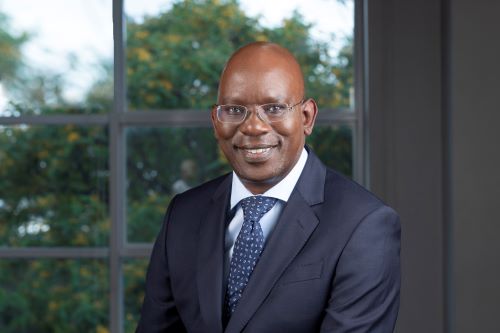
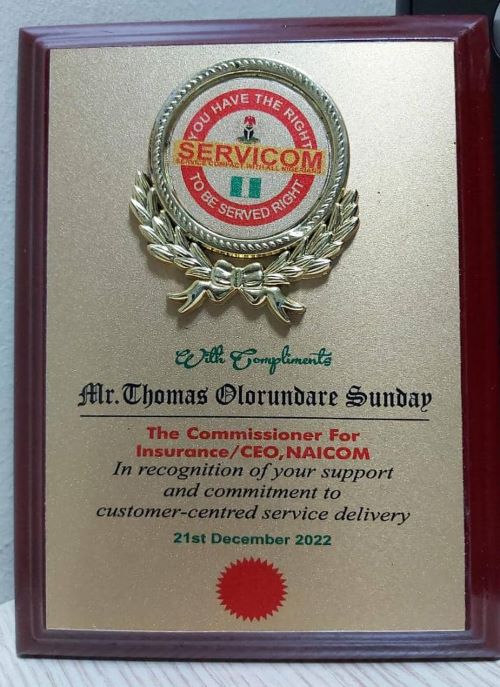
Mr. O. S. Thomas

Commissioner for Insurance/CEO

National Insurance Commission (NAICOM)

The National Insurance Commission (NAICOM) has released the performance indices of the Nigerian insurance industry in the second quarter of 2022.

The insight states that in terms of market size, the sector recorded an increased rate of growth at about 12 percent (11.9%) quarter-on-quarter with a total asset of about N2.3 trillion, divided into N1.2 trillion in assets of Non-Life Business while the Life Business stood at about N1.1trillion.

The market also recorded about N369.2 billion during the period in term of Gross Premium Income (GPI), indicating a 20.1 per cent growth rate compared to the same period of the previous year and an impressive 65.0 percent, quarter-on-quarter. The continued steady growth from the first quarter of the year correlates with the current performance of the period under review.

The market data from NAICOM states that the industry grew by 20.1 percent higher than the national real Gross Domestic Product (GDP) of 3.5 percent during the same period under review, which indicates the industry’s impressive performance given the recent trajectory.

According to the data, the Non-Life segment maintained its primacy at 59.3 percent of the total premium generated. Insights in the segment shows that Oil & Gas was the leading driver at 32.5 percent with a distant second at 20.7 percent for Fire.

Motor Insurance stood at 14.8 percent while Marine & Aviation, Gen. Accident and Miscellaneous reported a share of 12.3 percent, 10.9 percent and 8.9 percent in this order respectively. Life Business on the other hand recorded 40.6 percent of the insurance market production as its share contribution, gradually closes up.

The share of Annuity in the Life Insurance business logged at about 25 percent (24.7%) while Individual Life held a major driver position at 41.8 percent of the premium generated during the period.

In terms of Insurance Claims paid by underwriters, the growth of the gross claims reported was (0.2%) during the quarter compared to the corresponding period of 2021.

The industry Statistics for gross claims in Q2 of 2022 stood at N174.8 billion, representing 47.3 percent per cent of all premiums generated during the period. This occasion reflects the professional underwriting capacity of the industry as driven by the intensified regulatory activities of the Commission.

The net claims paid on the other hand stood at about N148.2 billion, signifying an 84.8 percent of all gross claims reported during the period. The Life Insurance business recorded a near perfect point of about 90 (88.90%) percent claims settlement as against the reported claims while non-life segment stood at about 77 (76.8%) per cent.

The Insurance market indeed remained profitable during the period according to the Report, recording an overall industry average of about 57 percent (56.9%), maintaining a relative position (57.7%) recorded in the corresponding period of preceding year.

The Non-Life segment loss ratio stood at 43.6 percent while the Life Business stood at about 69 (68.5%) percent depicting a less profitable scenario comparatively, over the same period. The net loss ratios for Non-Life bears an improved market image in the current period as compared to the preceding period when it was 48.2 percent.

Drivers of the loss experience are made up of about (12) underwriters with a record of loss ratios above 100 percent.


Annuity Customers Pass Vote of Confidence on AIICO Insurance

0

AIICO Insurance’s customers holding the company’s Annuity policy have expressed delight over excellent and satisfactory services rendered, passing a vote of confidence on the company during the 2022 Customer Service Week.

This year’s event themed ‘Celebrate Service’ had some key activities which include visits to customers (older citizens) to appreciate them and presenting them with gifts. Walk-in customers too participated in the various activities and got some take away gifts.

In his newsletter to customers, the MD/CEO, Mr. Babatunde Fajemirokun, stated: “This occasion gives us the opportunity to amplify our gratitude to you for your valued relationship with us. You are the sole reason we are in business and getting better at what we do. Journeying through life with you gives us the most pleasure.”

“The theme for this year is ‘Celebrate Service’. At AIICO, Customer Service is not just a department; it is a function that has all employees as stakeholders. Our fundamental purpose is to serve you and we are obsessed with meeting and exceeding your expectations. We look forward to many more years of serving you wholeheartedly.” said Mr. Fajemirokun.

In a recent interview, some of AIICO’s annuity customers shared their experiences.

Mr Joseph Igebulem, an annuitant, gave the company a 99 percent pass mark noting that the underwriting powerhouse has met and surpassed his expectations.

He said; “I am Mr Joseph Igebulem holding an annuity policy with AIICO and it has been seamlessly okay. For the past eight years, no flaws. I have even introduced them to my friends here in Lagos and Calabar.  So, if I should award in terms percentages, AIICO has met 99 percent of my expectations in the sense that I get information from them when I need it. And again, my payment is delivered when due. I am advising everyone and telling those on the verge of retirement now to go for AIICO because I trust it is a very good company for retirement.”

In a similar manner Mrs. Udu Veronica Ugwumba, who retired from PHCN said she bought AIICO Annuity policy since 2015 as she eulogised AIICO’s exceptional service delivery, adding that she has no hesitation recommending the company to everyone who may need its services.

“My name is Mrs Udu Veronica Ugwumba. I worked with National Electric Power Authority, now PHCN Plc. I went into AIICO annuity on the 30th November 2015. It has been a smooth ride with AIICO since I went into the policy, I have never regretted it. AIICO is indeed a good insurance company. In fact, I was attracted by the name, American International Insurance Company (AIICO) because I knew it would last.”

“There is confidence in AIICO, it is reliable. I have been recommending AIICO to people, I recommended them to my daughter, I recommended AIICO to a co-worker when we were retired and so many other people. And even when I lost my mother in 2016, I had little or nothing for my own contribution, I had to run to AIICO and they helped, giving me upfront payment. Even after burying my mother, I applied for quarterly payment of my annuity, AIICO did it for me. After that I applied again for monthly payment; they started again to pay me monthly. So AIICO is a reliable insurance company.” Ugwumba said.

Mrs. Okikiade, Clara Kunbi said: “I retired 2020, December, precisely and I joined AIICO Insurance in 2022. Ever since that time they have been paying my annuity regularly. By 13th I receive alert. But the one that surprised me most was before our last festival they paid me ahead of time. So, AIICO is doing a very good job. Also, they ensure that they meet their obligations to us as and when due. Keep doing the good job AIICO. Actually, I have introduced some people to AIICO because of my experience with them.” 

Mr. Philip Nnamdi Izundu noted: “I worked with Union Bank of Nigeria, retired and I started the policy the AIICO Annuity policy in 2013. The experience has been very good in terms of punctuality. They never failed and I can say that they are sensitive enough. They have always paid ahead of time especially during festivals. Of course, AIICO has met my expectation. And without reservation I recommend AIICO to those that want to do annuity,” said Mr Izundu.

The Management of AIICO has assured its customers, both existing and prospective, of its unwavering commitment to continue to deliver on its mission – creating the most compelling experience, offering best fit products and driving wholesome peace of mind.


SVP 2021-2025 is Catalyst for 5G, Broadband Penetration, Telecom Infrastructure-Danbatta

0

The Nigerian Communications Commission (NCC) says its Strategic Vision Implementation Plan (SVP) 2021 -2025 which was unveiled on September 7, 2021 was meant to speed up Broadband penetration, 5G deployment and rapid development of telecom infrastructure in Nigeria.

Professor Umar Danbatta, Executive Vice-Chairman/CEO, Nigerian Communications Commissions (NCC) said at the 2022 Annual Conference of the Guild of Corporate Online Publishers (GOCOP) in Lagos that the SVP 2021-2025 Plan has five major items namely:

  • Organisational Renewal for Operational Efficiency and Regulatory Excellence;
  • Facilitating the Provision of Infrastructure for a Digital Economy which fosters National Development;
  • Promoting Fair Competition, Inclusive Growth, Increased investment and Innovative Services;
  • Improve Quality of Service (QoS) for Enhanced Consumer Quality of Experience (QoE); and
  • Facilitating Strategic Collaboration and Partnership.

Danbatta, who was represented by Mrs. Nnenna Ukoha, Deputy Director at the NCC, emphasised that the Plan will lead to sustained implementation of the Nigerian National Broadband Plan 2020 – 2025, increase Broadband penetration which was 44.65 percent as at August 2022 and support the deployment of optic fibre cable using the infrastructure company (InfraCo) Project under the Open Access Model.

“The Commission has instructed all licensees to commence immediate rollout without recourse to counterpart funding since the licence is independent of the counterpart funding agreement.”

On 5G deployment, the NCC EVC/CEO said the Commission already licensed two operators (MTN and MAFAB) for the two available slots (3.5-3.6 GHz & 3.7-3.8 GHz bands) respectively, generating a total revenue of $563.1 million in the process.

Danbatta stated that NCC is working towards the establishment of the Nigeria Office for Developing the Indigenous Telecom Sector (NODITS), implementing government directives on local production of Sim cards in Nigeria and review of other regulations of the ICT and digital economy sector.

A key element in the NCC Strategic Plan, according to the Commission, is active collaboration with relevant stakeholders and partners for sustainable growth of the telecom sector in Nigeria.

The NCC Chief cited the participation of the Commission at the GOCOP Annual Conference 2022 as an example of such partnership, in addition to recent signing of Memorandum of Understanding (MoU) with the Federal Inland Revenue Service (FIRS) and Nigerian Security and Civil Defence Corps (NSCDC) amongst others.

“Last week, the Commission inaugurated a joint committee with the National Lottery Regulatory Commission (NLRC) to address issues about the operation of mobile lotteries to protect the interest of telecom consumers.”

Going forward, the Commission said it has equally embarked on other initiatives such as provision of funding for telecoms R&D to universities and Academia in the last five years, endowment of two professorial chairs in two Nigerian universities, disbursed over N500 million to universities for telecom research in addition to annual grants in telecommunications fields, developed a database of all tech hubs in Nigeria across the six geopolitical regions and provided sponsorship for young local innovators to ITU Telecom Worlds in Thailand & South Korea.


2023 Elections: INEC Moves to Stop Excessive Spending by Parties, Candidates

0

L-R: Mustapha Isah, President, Nigerian Guild of Editors (NGE); Dr. Chichi Aniagolu-Okoye, Regional Director, WA, Ford Foundation; Dr. Umar Ardo, Founder, Centre for Alternative Policy Perspectives and Strategy (CAPPS); Maureen Chigbo, President, GOCOP; Prof. Mahmood Yakubu, Chairman, INEC; Nnenna Ukoha, Deputy Director, NCC and Dr. Solomon Arase, former Inspector-General of Police at the 6th Annual Conference of GOCOP in Lagos.

The Independent National Electoral Commission (INEC) has said it would pay special attention to the observance of limits on parties and candidates’ finances in the forthcoming 2023 elections.

The Chairman of INEC, Prof. Mahmood Yakubu, said this Thursday at the 2022 Guild of Corporate Online Publishers (GOCOP) 6th Annual Conference in Lagos.

Prof. Yakubu, whilst speaking on the theme: “2023 Elections: Managing the Process for Credible Outcome” implored political parties and candidates to carefully study the provisions of the Electoral Act 2022 and familiarise themselves with their obligations as well as the penalties under the law.

He noted that the Commission would pay particular attention to the conduct of parties, candidates and their supporters, adding that as a regulator, the Commission would play its role to ensure compliance with the provision of the law as well as its guidelines and regulations.

“We will pay particular attention to peaceful campaign devoid of abusive, intemperate and slanderous language as well as the use of innuendoes or insinuations likely to provoke a counter-reaction resulting in the breach of the peace. Similarly, we will pay special attention to the observance of limits on party and candidate finance. I urge political parties and candidates to carefully study the provisions of the Electoral Act 2022 and familiarise themselves with their obligations as well as the penalties under the law,” she posited.

The INEC boss commended GOCOP for holding the conference, adding that it was most appropriate for a number of reasons, especially as the 2023 general election is fast approaching.

He noted that it is now 141 days to election day and that polling units will open at 8.30am on Saturday 25th February 2023 for national elections (Presidential and National Assembly) and same time on Saturday 11th March 2023 for State elections (Governorship and State Assembly).

He said that campaign in public by political parties officially commenced eight days ago on Wednesday 28th September 2022, adding that the tempo of political activities has increased as parties, candidates and their supporters commence campaigns, rallies, processions and media advertisement to canvass the support of the electorate.

He said the Commission has published the final list of 15,322 candidates for the general election contesting for 1,491 seats (one Presidential, 28 Governorship, 109 Senatorial, 360 House of Representatives and 993 State Assembly constituencies).

Yakubu reaffirmed the commitment of INEC to credible elections, stressing that votes will continue to count and will be the sole determinant of electoral outcome.

The INEC boss said the Commission has introduced many new innovations, supported by the deployment of appropriate technology, to protect the sanctity of the choice made by Nigerians at the polls ranging from voter registration to voter accreditation and result management, adding that the deployment of the Bimodal Voter Accreditation System (BVAS) with its dual fingerprint and facial biometric accreditation process has ensured that only genuine voters are accredited to vote during election. This, he said, has curtailed the incidence of multiple voting and other sharp practices associated with voter accreditation during elections.

He maintained that the BVAS has come to stay and will be the only means by which voters will be accredited in the 2023 general elections.

He stated that the introduction of the INEC Result Viewing (IReV) Portal has made the result management procedure more transparent, stressing that polling unit results are now uploaded in real-time to the IReV portal for public view. This, he noted, has enhanced the transparency, credibility and consequently public confidence in the outcome of elections.

He maintained that the IReV has come to stay and polling unit results will be uploaded to the portal in real-time in the 2023 General Election.

“As campaigns commence, I also wish to remind political parties and candidates that only last week, you all signed the Peace Accord organised by the National Peace Committee (NPC) in which you committed yourselves to peaceful electioneering campaign. I urge you to be guided by the letter and spirit of the Accord,” he said.

On vote buying, he noted that the INEC would continue to innovate to stem the menace

Chairman of the event, Dr. Umar Ardo, implored politicians to play according to electoral stipulated rules, adding that they should understand that in every election there must be winner and a loser.

He commended INEC for the introduction and deployment of technology to stem issues of election malpractices.

He also commended GOCOP for organising the event

Former Inspector General of Police, Dr. Solomon Arase, called for synergy between all stakeholders in the electoral process, whilst canvassing the need for prosecution of election offenders.

Dr. Chichi Aniagolu-Okoye of Regional Director, Fond Foundation (West Africa), commended INEC for the new Electoral Act, stressing that there should be continuous fine-tuning of technology deployed for elections.

She underscored the importance of the Police and Judiciary, stressing that every nation that hopes to develop should develop its Police and Judiciary.

She also called for collective efforts in tackling the menace of vote buying.

Dr. Aniagolu-Okoye implored the media to go beyond tackling the menace of fake news to addressing also irresponsible reporting, adding that all parties involved in the elections should note that there would still be Nigeria after the election.


Interswitch Unveils 2022 Global Payment Innovation Report in Partnership with World Bank, Global Processing Services

0

Today in Nairobi, Interswitch Group formally unveiled the 2022 Payments Innovation Jury Report, which was also supported by The World Bank and Global Processing Services (GPS).

The report titled: “Payment Innovation: Myths and Realities”, comes as part of the series of the which reveals some surprising insights from senior decision makers across the industry, and the 2022 report, which coincides with Interswitch’s 20th anniversary commemoration explores several key areas where payment innovation is currently focused, including A2A payments and BNPL, what actually drives innovation, and which areas of innovation are most overhyped, amongst other incisive global payment themes.

The 2022 Payments Innovation Jury whose expert insights and perspectives essentially drove the report was made up of 79 senior payments leaders across 30 different markets. To give a full, 360- degree picture, a significant number of senior regulators and investors were recruited to the Jury for the first time since its inception, alongside national payments companies, banks, fintechs, and payments policy bodies. Importantly, all Jury members participate on an anonymous basis to allow them to speak freely, unencumbered by the innovation priorities of their current organisation. The 2022 report is the tenth in a series spanning 14 years.

According to Mitchell Elegbe, Founder and Group Chief Executive Officer at Interswitch, “As one of the leading and influential players in payments who regard Africa as both our origin and primary catchment market, we are extremely enthused at Interswitch to yet again facilitate this timely and important research effort, which curates practical insights and expert perspectives of senior leaders globally, and across the entire spectrum of African retail payments. It is worth mentioning that this edition coincides with the 20th anniversary of Interswitch’s inception, and I am thoroughly delighted that at such a significant milestone in our journey as a front-row contributor to payment innovation in Africa, we once again have the privilege of supporting this worthy initiative that is facilitating balanced appraisal and better understanding of the payments industry as it continues to evolve”.

John Chaplin, Founder/Chairman of the Payments Innovation Jury and Board Director at Interswitch opines that “In the payments industry there have long been competing ideas on what will be the ‘Next Big Thing’, particularly as many good ideas fail to achieve the scale to operate economically. As such, what is surprising about the 2022 Payments Innovation Jury is the level of consensus achieved in almost all areas, from the future of BNPL to the end user benefits of CBDCs.

“It has been incredibly rewarding to gather the insights of 79 of the most senior players shaping the global payments industry. My grateful thanks to them for taking the time to share their views, which have been curated in this report. The support of Interswitch, the World Bank, and Global Processing Services is much appreciated, as their patronage allows us to operate on a not-for-profit basis and


distribute the report free of charge to anyone with an interest in the future of innovation in the payments industry.”


Some of the report’s key findings include:


  • Market share of account-to-account (A2A) transactions is expected to increase steadily over the next five years, but the lack of a sustainable income stream for participants calls elements of the A2A business case into
  • Although the dominance of the card model in developed countries will be hard to shake, volume growth in card payments will be harder to achieve as alternative payment methods such as A2A grow their market share.
  • In terms of which initiatives regulators should prioritise to promote innovation, the establishment of payment institution licenses with lower regulatory capital than full-service banks was seen as most effective, with sandboxes not being viewed as
  • There was an almost even split between whether Banking as a Service (BaaS) is a technology model or a business Hopes that traditional banks would benefit seem largely misplaced, as it is a new generation of specialist platform providers that are leading the charge.
  • BNPL usage is set to increase in the short/medium term because of strong benefits for consumers and However, its rapid expansion is likely to be a short-term phenomenon in the face of future regulation and rising credit losses.
  • The introduction of CBDCs is seen as highly likely in most The Jury was not convinced that there is market demand for CBDCs, however, and highlighted the significant operational costs of deployment. Essentially, the Jury believes that CBDCs will happen, but not that there are tangible benefits for much of the industry nor end users.
  • Payment data is still not being utilised to its full advantage, with the exception of fraud Regulatory restrictions on the use of personal data are leaving the field largely clear for a small number of global bigtechs who have better technology and a different business model than conventional payment providers.
  • Whilst the mobile is becoming the preferred form factor for payments globally, and gathering particular momentum in developing markets, mobile money has significant regulatory hurdles to
  • Asia continues to lead the global charge on payments innovation and Africa comes out ahead of the USA and Europe, despite traditionally having much lower levels of
  • The two areas of payments innovation where the Jury feel reality will diverge most from the promises were cryptocurrency and

The 2022 Payments Innovation Jury report: Payment Innovation: Myths and Realities can be read in full here: www.interswitchgroup.com/2022paymentinnovationjuryreport

Issues from Buhari’s Last Independence Day Broadcast

0

By Haniel Ukpaukure

I sat through the agony of watching President Muhammadu Buhari’s October 1, 2023 Independence Day broadcast not because I expected any cheering news – something different from his previous speeches, especially the recent ones – but because of its significance as his last in his capacity as Nigeria’s fourth democratically elected leader in the Fourth Republic.

It was more out of curiosity to hear what he would tell Nigerians as he begins to round off his two-term tenure.

My main takeaways from the speech, from the perspective of his promises on assumption of office in 2015, were that in the last seven years, his government has “worked methodically in reducing insurgency in the North East, militancy in the Niger Delta, ethnic and religious tensions in some sections of Nigeria along with other problems threatening our country; made “significant progress” in the fight against corruption, as evidenced in the “increasing number of prosecutions and convictions, with associated refunds of large sums of money,” and made efforts “in re-setting the economy manifested in Nigeria exiting two economic recessions by the very practical and realistic monetary and fiscal measures to ensure effective public financial management.”

It should be recalled that while campaigning for the 2015 general election, Buhari had promised to bring insecurity to an end, with a firm commitment to secure the return of the Chibok girls whose abduction was a major tool of his campaign.

He did not promise to merely reduce insurgency. He promised to wipe out corruption because, “if we don’t kill corruption, corruption will kill us.” He did not promise “significant progress” in the fight against corruption. He promised to revamp the economy, create jobs and improve the standard of living of Nigerians.

While the administration talks glibly about its success in reducing insurgency in the North East, it carefully avoids mentioning the fact that in 2105, Nigerians could travel to any part of the country at any time, day and night, without fear of ending up in kidnappers’ dens, as it is the case today.

The government does not want to mention the fact that under the watch of a president whose military background recommended him as the right man at the right time, terrorists have shown the level of dare-devilry and bravado never witnessed in the country.

The administration has been helpless as terrorists shot down a military aircraft; invaded the country’s premier military institution, killing soldiers and abducting some; issued a threat to abduct a sitting president and attempted to make good the threat by attacking his advanced convoy and also attacking the elite Guard’s Brigade that protects him and his family.

They also have attacked a strategic prison in the seat of government, freeing hundreds of their comrades. If this is evidence of reducing insurgency from the level it was seven years ago, then we should wonder what it could have been if insurgency hadn’t been “reduced.”

Buhari mentioned “increasing number of convictions” as proof of his administration’s success in the fight against corruption. It is possible the president was referring to the routine conviction of internet fraudsters, something the Economic and Financial Crimes Commission periodically flaunts as its achievements in the fight against corruption.

He couldn’t possibly have referred to the fight that is being waged through press statements and press conferences by his spokesmen, when Nigerians know that corruption now walks on four legs under his nose. It speaks volumes about the war on corruption that one man was able to steal over N190 billion, despite the various “measures” the administration has put in place to tackle corruption.

From what we are hearing, the man may walk away with a slap on the wrist through a plea bargain that may allow him keep the larger chunk of his loot, while he returns to the state an infinitesimal fraction that would not pay for his new, 17-year-old wife’s holiday in Dubai.

It is a measure of Buhari’s seriousness and commitment in the war on corruption that his ministers effortlessly spent N100 million to buy forms to contest presidential primaries, without any question from him.

On the economic front, the relevant figures and statistics, including the macro-economic indices – compared with what they were in 2015 – are there to confirm the administration’s effort in “re-setting” the economy.

These statistics are reflected in the cost of living for the average Nigerian – the prices of foodstuff and other essential commodities that have gone out of the reach of the generality of the people.

But we must give Buhari the credit of having the Petroleum Industry Bill that languished in the National Assembly throughout the life of the previous PDP administration passed during his tenure.

The Petroleum Industry Act that would reposition the nation’s oil and gas industry for the required growth bears his signature. If not for anything, he would be remembered for breaking what had turned into a jinx.

Ukpaukure, a media/publicity consultant and writer, lives in Lagos

[email protected]


‘New Mortgage Policy Will Catalyze Pension Industry, Boost Economy’- PENOP

0

The Pension Operators would like to commend the National Pension Commission (PENCOM) for the recent release of the guidelines that brings into effect the use of a portion of one’s Retirement Savings Account (RSA) as equity contribution for obtaining residential mortgages.

The provision for this had been part of the amendments that occurred when the Pension Reform act was amended in 2014. We are aware that the process of actualising this portion of the act has gone through a number of iterations and stakeholder engagement and we are happy that it has finally been released.

Whilst we realise that there might be some initial teething problems, we the pension operators are excited and are primmed to partner with the commission, RSA holders and other stakeholders to ensure that this policy actualises the reason for why it was set up.

The homeownership ratio and first-time home buyer statistics in Nigeria is very low and we believe that this policy will help to improve this and also provide increased benefits to RSA holders in the immediate.

This policy is very catalytic in nature and has the potential to spur growth in other sectors of the economy. It should boost the mortgage finance and home loan sector, in addition to having a positive effect on the construction value chain and building materials sector.

We believe it will create massive jobs for artisans and blue color workers involved in the construction value chain and also further open up wealth management and financial planning industry.

RSA holders will now begin to plan towards a target RSA balance because they have a goal of owning a home.

We also believe that voluntary contributions will increase because people can use the contingent portion of their voluntary contributions as part of the equity contribution for residential mortgages. In addition, more companies will now take their contributions more seriously as will staffs of these companies.

For those who do not have an RSA account and are working in the formal sector, we urge them to commence the process in conjunction with their employers. For those in self-employment, we also encourage them to take advantage of the Micro Pension Plan (MPP).

Regarding the MPP, we are also happy that the policy extends to this is extended to self-employed individuals and those in the informal sector. We believe this will help to grow the Micro Pension business and ensure that millions of Nigerians in the informal sector will have the opportunity to enjoy structured pensions when they retire and also benefit from the gains of the pension reform.

Overall, we believe this policy is net positive for the pension industry and the economy as a whole. The effects are catalytic and will help to galvanize various sector of the economy. The pension industry over the years has played a significant role in the local debt and equity market, financing National and Sub National projects and debt programs and financed transformational companies and projects.

The industry is primmed to do more and we believe that this new policy is another milestone in the positive effect of the pension industry on the economy and also another example of the collaborative nature of the pension regulator that leads to gains for the wider economy.


About PenOp

Pension Fund Operators Association of Nigeria (PenOp) is an independent, non-governmental, non-political and non-profit making body.

PenOp was established to promote the operations of the pension industry, provide for self-regulation and ensure that international best practices relating to the industry are observed by the operators registered in Nigeria. It is the umbrella association for all the Licensed Pension Fund Custodians, Pension Fund Administrators and Closed Pension Fund Administrators (PFCs, PFAs and CPFAs) operating in Nigeria.

Its role internally, is to add value to its members across all levels; information, education, visibility, networking, strategy, product development, etc. Externally its role is to increase the awareness and visibility of the pension industry and enable external stakeholders understand and participate in the development of this financial sub-sector wherever and whenever possible.


Stanbic IBTC PMI: Output Growth Quickens to 5-Month High

0

The end of the third quarter of 2022 saw growth gather momentum in the Nigerian private sector. Sharper rises in output and new orders were recorded, while there were emerging signs of capacity pressures. Cost inflation remained elevated, in large part due to currency weakness, while business confidence waned.

The headline figure derived from the survey is the Purchasing Managers’ Index. Readings above 50.0 signal an improvement in business conditions on the previous month, while readings below 50.0 show a deterioration.

The headline PMI rose to 53.7 in September, up from 52.3 in August and signaling a solid strengthening in the health of the private sector at the end of the third quarter. The improvement in business conditions was the most marked since May.

In line with the headline figure, both output and new orders increased at sharper rates during the month. Firms often linked higher new business to rising demand, with some reporting that customer referrals had supported growth. In turn, output rose for the third month running, and at the fastest pace since April.

Rising new orders, and some reports of difficulties securing necessary funding, resulted in a renewed increase in backlogs of work during September, the first in 28 months.

Companies also increased their staffing levels and purchasing activity, largely in response to greater new business volumes. In both cases, however, rates of expansion eased from the previous survey period. Higher purchasing activity fed through to a further accumulation of inventories.

Purchase costs rose sharply, with anecdotal evidence often linking higher prices to currency depreciation. Meanwhile, staff costs increased at the fastest pace in three months. Panelists reported that efforts to motivate staff and help them with higher living costs had been behind salary increases.

With overall input costs again rising at one of the sharpest rates since the survey began, Nigerian companies increased their selling prices accordingly. Although marked, the rate of charge inflation slowed sharply and was the joint-weakest in 21 months. Suppliers’ delivery times continued to shorten, often as a result of strong competition among vendors. The latest shortening of lead times was marked, and the most pronounced in four months.

Despite the improving growth picture in September, firms reported waning confidence in the year-ahead outlook. Sentiment remained positive overall but was the lowest since August 2021 and among the weakest on record. Those firms that expressed optimism often mentioned business expansion plans.

Nigeria Re-Elected as ITU Council Member

0

Professor Umar Garba Danbatta, Executive Vice-Chairman and Chief Executive Officer of the Nigerian Communications Commission (NCC) casting his vote at the on-going ITU Plenipotentiary Conference 2022 in Bucharest, Romania on Monday.

In clear recognition of the critical role Nigeria is playing on the global telecom stage, the country was re-elected earlier today as a Council member of the International Telecommunication Union (ITU), the United Nations specialised agency that oversees global telecommunication operations. Nigeria will serve on the Council again from 2023-2026.

The election of Nigeria and other countries, on Monday, October 3, 2022, into different regional groups that constitute ITU Council, was the highpoint of the Plenipotentiary Conference 2022 (PP-22) on-going in Bucharest, the capital city of the Republic of Romania.

The Nigerian delegation was successfully led to the global event by the Honourable Minister of Communications and Digital Economy, Prof. Isa Ali Ibrahim Pantami. Other members of the delegation include the Chairman, Board of Commissioners of the Nigerian Communications Commission (NCC), Prof. Adeolu Akande, and the Executive Vice Chairman/Chief Executive Officer of NCC, Prof. Umar Danbatta.

At the conference, which started on September 26, 2022 and scheduled to end on October 14, 2022, member states at the event voted on the composition of the next ITU Council and the 12 representatives to serve on the Radio Regulations Board (RRB) for the next four years.

The 21st Plenipotentiary Conference of the Council, also saw the election by member states, of Doreen Bogdan-Martin of the United States of America as the organisation’s next Secretary-General.

Like Nigeria and the countries elected into the Council, Bogdan-Martin, as the first woman to lead ITU in its 157-year history, will begin her four-year term from January 2023, when Houlin Zhao would have completed his second final term of four years in office as ITU Secretary General.

The seats in ITU Council are divided into five regions, A to E. Nigeria was elected into the ITU Council, Region D for Africa, which has 13 seats. Other 12 countries elected alongside Nigeria are Algeria; Egypt; Ghana; Kenya; Mauritius; Morocco; Rwanda; Senegal; South Africa; Tanzania; Tunisia; Uganda.

Elections of member states also took place into the Region A for The Americas (nine seats); Region B for Western Europe (eight seats); Region C for Eastern Europe & Northern Asia (five seats); and Region E, for Asia and Australasia with 13 seats as Africa.

Commenting on Nigeria’s re-election as ITU Council member, the Executive Vice Chairman and Chief Executive Officer, Prof. Umar Danbatta, thanked the ITU member states for the confidence it has in Nigeria expressed by the re-elected into the ITU Council, in which the country has been playing critical role over the years.

“The re-election of Nigeria as a member of ITU Council for the next four years, again, points to the globally-recognised leadership role Nigeria is playing in Africa and at the level of ITU Council in the area of telecommunications policy formulation and technical regulations development to drive ITU’s mission and vision,” the EVC said.

The ITU, originally established in 1865 as the International Telegraph Union and became a United Nations specialised agency in 1947, was set up to co-ordinate telecommunications operations and services throughout the world. It is headquartered in Geneva, Switzerland.

Nigeria became a member of ITU on November 4, 1961. The USA joined on July 1, 1908; United Kingdom, February 24, 1871, and UAE on June 27, 1972.

The ITU is governed by the Plenipotentiary Conference and the Administrative Council. The Plenipotentiary Conference is the supreme organ of the Union. It is the decision-making body which determines the direction of the Union and its activities.

The Council, on the other hand, acts as the Union’s governing body in the interval between Plenipotentiary Conferences. Its role is to consider broad telecommunication policy issues to ensure that the Union’s activities, policies, and strategies fully respond to today’s dynamic, rapidly changing telecommunications environment.

ITU Council also prepares a report on the policy and strategic planning of the ITU, and it is responsible for ensuring the smooth day-to-day running of the Union, coordinating work programmes, approving budgets, and controlling finances and expenditure.

The Council also takes all steps to facilitate the implementation of the provisions of the ITU Constitution, the ITU Convention, the Administrative Regulations (International Telecommunications Regulations and Radio Regulations), the decisions of Plenipotentiary Conferences, and where appropriate, the decisions of other conferences and meetings of the Union.