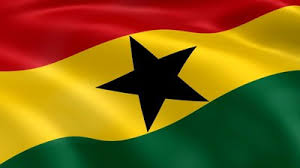
Ghana Forecasts 5.4% Economic Growth in 2016

Ghana forecasts for 2016, an economic growth of 5.4% against 4.1% in 2015, said Minister of Finances, Seth Terkper, on February 9.

Addressing a press conference, Terkper added that Ghanaian authorities intended to lower the inflation rate to 10% this year against 17.7% the previous year.

Moreover, he added that Ghana could revise its budget for the year due to oil prices being lower than expected, recalling that this budget was based on a $53 per barrel oil price. Barrel of oil currently trades at $30.

From 2003 to 2012, Ghana’s GDP grew 7.5% per year mainly because of gold, cocoa and oil exports.

However, the West African nation which produces about 100,000 barrels of oil per day, started experiencing economic troubles in 2013 as public accounts suffered a severe degradation.

This in turn led to a high budget deficit, an inflation which exceeded official previsions as well as a debt-GDP ratio of more than 70%.


Hot this week

CIIN Boss, Yetunde llori, Bows Out, Lists Achievements in Office

Mrs. Yetunde llori, the President/Chairman of Council, Chartered Insurance...

WorldStage Business Forum Q2 2026: Prof. Baale Makes Case for Building World-class Nigerian Corporate Culture

L-R: Mr. Segun Adeleye, President/CEO, World Stage Limited; Prof. Lere...

Insurance Brokers Reaffirm Commitment to Local Content, Digital Innovation at SUPERNEWS Conference

Deputy President of the Nigerian Council of Registered Insurance...

Regency Alliance Insurance Launches N7bn Private Placement

Regency Alliance Insurance Plc has officially launched a private...

Topics

NLNG Rebrands The Nigeria Prizes with New Visual Identities

L–R: Dr. Sophia Horsfall, GM, External Relations & Sustainable Development,...

Why Investors Should Not Ignore Opportunities in Fragile States

Africa is experiencing fewer wars than it did two decades ago but conflict, insecurity and the fragility of states is still a major concern for business. Politically motivated instability can be seen in countries like Burundi, South Sudan, Mali, eastern DRC, Libya and Somalia, while Nigeria and Kenya are dealing with terrorist activities. But American entrepreneur Jake Cusack believes there are “genuine economic opportunities” in these fragile markets. He says companies need to be strategic about what parts of a country they invest in, and whom to partner with, as opposed to writing off an entire country.

Nestlé: ‘More Women in the Workplace Make Business Sense’

Nestlé has launched an ambitious Gender Balance Acceleration Plan ‘From...

Huawei, Vodafone Complete World’s First 2 Tbit/s WDM Field Trial

­Huawei and Vodafone have announced the successful trial of...

FG to Commission Nedogas 300 MMscfd Kwale Gas Gathering Facility

Nedogas Development Company Limited (NDCL), a Joint Venture company...

Zuriel Oduwole, Sterling One Foundation, Sanwo-Olu Harp on Gender Equality, Youth Empowerment

L-R: Moyo Akinyosoye, Business Executive, Institutional Banking, Sterling Bank;...

Case Study: The Collapse of Lehman Brothers

Overview On September 15, 2008, Lehman Brothers filed for bankruptcy. With $639 billion in assets and $619 billion in debt, Lehman's bankruptcy filing was the largest in history, as its assets far surpassed those of previous bankrupt giants such as WorldCom and Enron. Lehman was the fourth-largest U.S. investment bank at the time of its collapse, with 25,000 employees worldwide. Lehman's demise also made it the largest victim, of the U.S. subprime mortgage-induced financial crisis that swept through global financial markets in 2008. Click here to make a lazy tweet

133m Nigerians Lack Access to Financial Inclusion, Risk Poverty—Adeduro 

Mr. Mayowa Adeduro Managing Director/CEO Tangerine General Insurance Limited Mr. Mayowa Adeduro,...