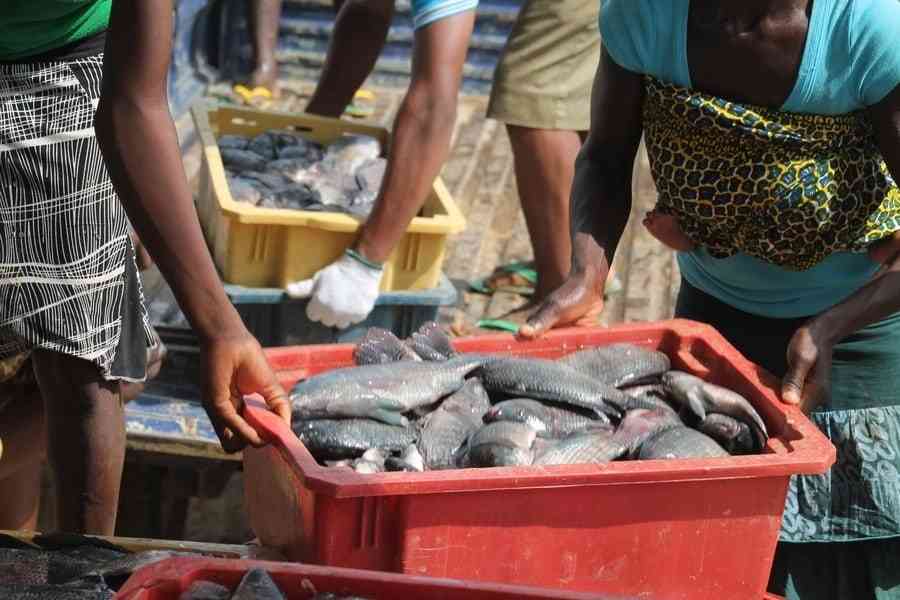
Fish Farmers Appeal to FG for Special Movement Permit amidst Lockdown


To curb losses in the fish farming value chain, the Catfish and Allied Fish Farmers Association of Nigeria (CAFFAN) has appealed to the Federal Government to grant farmers special movement permit to move fish and its products from various fish farms to areas of need within Nigeria.

Mr. Rotimi Oloye, the CAFFAN National President stated recently that due to restriction of movement of persons to curtail the spread of Coronavirus in the country, its members now have difficulties accessing their farms across the nation.

He noted that the farmers mostly affected were those close to border towns as they are denied passage by security operatives on the roads.

He said: “This is adding to cost of production that is already on the high side due to cost of exchange of naira to dollars used in importing more than 70 per cent of our inputs like fish meal, hormones and other additives like lysine, methionine.  This situation can make farmers to abandon farming thereby leading to threats of food insecurity. As everyone is well aware, unless properly processed and preserved, fish has a very short shelf-life value.”

He added that the continuous restriction on the movement of fish farmers would eventually affect players in the fish value chain.

He said: “The inability of fish farmers to have access to their farms would have a multiplier effect across the fish value chain. Without access to our farms, we won’t be able to purchase fish fingerlings. We won’t also be able to purchase fish feeds, which will have an impact on their sales and the business. Those whom we sell fish to will also not be able to purchase this very important source of protein and nutrient. It could potentially lead to loss of employment while people who have shown interest in investing in the fish farming may lose interest.”

Furthermore, Oloye also advised the federal government to include processed homegrown catfish to the palliatives being shared to people, emphasizing that fish and fishery products were nutritional foods because they contained adequate nutrients necessary to boost human body cells and immune system.


spot_img
spot_img
spot_img
spot_img
spot_img

Hot this week

Ecobank Marks 14th Ecobank Day Across Nigeria, Empowering Students with Digital Skills for the Future

Hope Fountain Foundation for the Deaf, Agege, Lagos. Ecobank Nigeria...

Leadway Named Insurance Company of the Year at 2026 BusinessDay BAFI Awards

L–R: Chief Executive Officer, Creato Urban Limited, Odion Aleobua;...

Emergency: Rising Prices Worsen Nigeria’s Food Insecurity—Orodata

Rising food prices and the high cost of nutritious...

Fidelity Bank Excels at 2026 BAFI Awards, Wins Two Awards

L-R: Mobolaji Sunmoni, Team Lead, Upstream; Abimbola Ogunyemi, Team...

Fidelity Bank: Celebration of Beauty Industry Excellence

Managing Director/Chief Executive Officer, Fidelity Bank Plc, Nneka Onyeali-Ikpe...

Topics

AMCON, NDIC, CBN Debt Recovery Meeting in Abuja

L–R: Mr Niyi Fadeyi, Assistant Director, Department of State...

Linkage Assurance: N35bn Total Assets, N11bn Premium Income in 2021

Daniel Braie Managing Director/CEO Linkage Assurance Plc Linkage Assurance Plc in the...

PenCom: ‘PFAs Comply with N5bn Minimum Regulatory Capital Requirement’

The National Pension Commission (PenCom) is pleased to inform...

Allianz, Sanlam Joint Venture Targets 29 Markets in Africa

Mr. Amine Benabbou Head of Business Division, Africa and Middle...

Stanbic IBTC Bank PMI: Sharpest Rise in New Orders in 14 Months

The recovery in the Nigerian private sector gathered strength...

E-Payment Transactions Hit N264tn in Q2 2020-NBS

The National Bureau of Statistics (NBS) says a total...

FBN Holdings Leverages NGX Invest for N150bn Rights Issue

FBN Holdings Plc’s N150 billion rights issue has gone...

IMF Seeks Increase in Banks’ Capital Requirement in West Africa

Citing rising level of non-performing loans at 15.7 per cent and commercial banks’ borrowing from their central banks at nine per cent of liabilities in the West African Economic and Monetary Union (WAEMU), the International Monetary Fund (IMF) has strongly advocated increase in banks’ capital adequacy requirements to maintain sound financial stability for regional economic growth. The Fund observed that while the average capital adequacy ratio of banks (9.3 percent) was above the minimum required (8 percent) at the end of June 2014, it was however lower than the minimum required in half of the countries in the region, just as the level of non-performing loans reached 15.7 percent of total loans.
spot_img

Related Articles

Popular Categories

spot_imgspot_img