FG Plans N350bn Capital Projects, $1bn Eurobond to Ease Recession

In line with its commitment to stimulate economic growth in the country, the Federal Government is set to release over N350 billion to fund capital projects across the country, in addition to $1 billion Eurobond scheme before the end of the year.

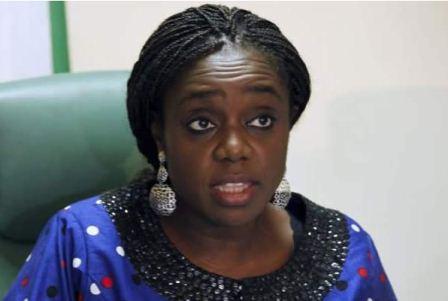
The Minister of Finance, Mrs. Kemi Adeosun assured that the N350 billion capital votes will be released immediately into the system asthe Federal Government continues to tackle the economic crisis currently
facing the nation.

Adeosun explained:

“With the N350 billion to be released this week, the federal government would have released the total sum of N770 billion for capital projects this year, having released N420 billion thus far in
2016.”

She explained that the bulk of the money so far released went into on-going projects, especially works, defence, transportation, interior, power and agriculture.

The minister also disclosed that the administration was working on raising $1 billion Eurobond. The proceeds for this would be used only for capital projects.

Giving further clarifications on the Eurobond issue, Director-General, Debt Management Office (DMO), Dr. Abraham Nwankwo, said: “We intend to raise the money before the year ends. In terms of the progress made so far, more than five weeks ago, we put out advertisements for Request For
Proposals in local and international media, following due process so that we can allow transaction partners who are interested to compete.“

The closing date of the RFPs is September 19, 2016.

“We have a directive to make sure we use minimum time to conclude all these activities. So we
assure you that we are going to cut the time because of the emergency situation. Before the middle of December, we will have the money. We are very focused on the fact that these monies are needed urgently to turn around the economy and we are working on that.”


Hot this week

Is Investing for Me? Rethinking Who the Stock Market is Actually Built For

  By Robinson Kolawole "Investing is not for someone like me."...

CIIN Boss, Yetunde llori, Bows Out, Lists Achievements in Office

Mrs. Yetunde llori, the President/Chairman of Council, Chartered Insurance...

WorldStage Business Forum Q2 2026: Prof. Baale Makes Case for Building World-class Nigerian Corporate Culture

L-R: Mr. Segun Adeleye, President/CEO, World Stage Limited; Prof. Lere...

Insurance Brokers Reaffirm Commitment to Local Content, Digital Innovation at SUPERNEWS Conference

Deputy President of the Nigerian Council of Registered Insurance...

Topics

Visa Holds 1st Fraud Prevention Workshop in West Africa

Visa Inc., a global payments technology company, organized its...

NAICOM Champions Engagement between Nigeria, Ghana Insurance Operators

The Commissioner for Insurance/CEO of NAICOM, Mr. Olusegun Omosehin...

National Association of Microfinance Banks at NSE

L – R shows Mr. Oscar N. Onyema, Chief...

How African Entrepreneurs Can Tap Into Global Market

Everybody loves chocolate. Hundreds of years ago, the Greeks referred to chocolate as the ‘food of the gods’. It’s a highly demanded luxury product and an impulsive treat for millions of people around the world. No wonder the global market for chocolate and cocoa beverages is now worth over $100 billion (and growing) every year. Although the developed and fast developing countries (especially in Europe, Asia and North America) consume over 90 percent of the chocolate produced every year, chocolate largely exists because of Africa.

All Set for Ecobank 2026 National Schools’ Team Chess Championship

L–R: Austen Osokpor, Head, Marketing and Corporate Communications, Ecobank...

World Bank Report: Banks Provided $28bn in Climate Finance in 2014

The leaders of the powerful G7 countries made headlines in June when they committed to a low-carbon growth path and formally recognized the need to reach zero net emissions globally before the end of the century. They know it will require shifting trillions of dollars from carbon-intensive investments to low-carbon, resilient growth, and they called on the six big multilateral development banks (MDBs) to use "to the fullest extent possible" their balance sheets and their capacity to mobilize partners to increase climate finance for developing countries.

Dangote and the Nigeria Refinery Revolution

  Beyond the Monopoly Myths By Moses Braimah When the Dangote...

Oloibiri Museum: NCDMB Executes Construction Contract with Julius Berger

The Nigerian Content Development and Monitoring Board (NCDMB) on...