Tuesday, December 2, 2025
25.3 C
Lagos

Ecobank Ready to Explore Opportunities in AfCFTA–CEO

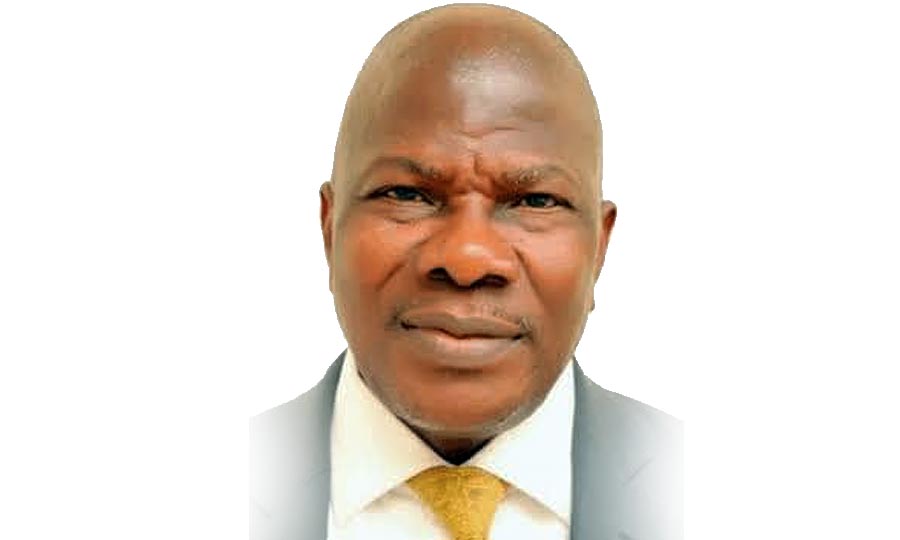
The Managing Director, Ecobank Nigeria, Patrick Akinwuntan has said the bank is prepared to partner with other organisations to explore the opportunities available in the African Continental Free Trade Area (AfCFTA).

Akinwuntan in his remark at an event in Lagos pointed out that the pan African bank was set up primarily for the economic integration and development of Africa, stressing that the bank was ready to deploy its capacity, platform and network to achieve the AfCFTA objectives.

According to him, “Naturally for us as a pan African bank, we are set up to support the economic integration and development of Africa. We have a commitment, capacity, network to support the realization of AfCFTA objectives. We understand the regulatory environments, cultures and have the technology and innovation platforms. We will support Fintech to push Africa to benefit from the global market.”

Also speaking, AfCFTA, Mene Wamkele expressed satisfaction that Nigeria is ready to deposit the instrument of ratification of the AfCFTA, noting that he is looking forward to Nigeria’s leadership in AfCFTA.

He observed that for a long time the African continent has focused on security and political issues, noting that focus is now being shifted towards trade and investment-related matters.

“Whatever decision we take at the secretariat would be informed by what Africa wants. We will not put up any design that will not support what Africa wants. We would employ digitization, and fintech will drive financial inclusion. We would drive trade inclusion through fintech that would be affordable, accessible, and available,” adding that “Border closure and xenophobic issues have to be addressed according to the rules of the trade agreement, foreigners have to be protected by the agreement. All foreign entities must be treated like domestic players. Discrimination of any kind will not be tolerated. AfCFTA has improved on the WTO requirements on trade facilitation, and we would ensure that countries meet up with their obligation to ensure smooth trade,” Wamkele pointed out.


spot_img
spot_img
spot_img

Hot this week

NGX T+2 Settlement Cycle ‘Goes Live’ Event

L – R: Chinwendu Ekeh, Head, Operations & IT,...

Dangote Contracts Honeywell for Major Refinery Capacity Upgrade to 1.4m BPD

Dangote Group is pleased to announce that it has...

AIICO Launches All-in-One Financial Protection for Nigeria’s Underserved Population

L-R: Mr. Mike Eko – (Novus Agro Limited) Mr. Oluwatosin...

NNPC Declares ₦5.4tn Profit After Tax

NNPC Limited has announced its financial performance for the...

Stanbic IBTC Unveils Digital Lending Suite to Enhance Access to Credit

Stanbic IBTC Bank, a member of Standard Bank Group,...

Topics

G7 Supports Women in Africa Initiative with $251m

French President Emmanuel Macron and G7 leaders on Sunday...

Facebook Celebrates ‘Icons of Change in sub-Saharan Africa

Facebook has celebrated 40 young leaders, developers, entrepreneurs and...

US Seeks Probe of AfDB’s President, Adesina over Ethics Allegations

  The United States of America (USA) through its Department...

FBN Holdings Reports N595bn Earnings in 2017

Mr. UK Eke Group Managing Director FBN Holdings Plc FBN Holdings Plc...

Enhancing the VIP experience at sporting events

Elementum nulla turpis cursus. Integer liberos kusto euismod aene pretium faucibus ...

Kenya Airways Selects GE Aviation for Digital Flight Operations

Maximizing Airline Efficiency with the Most Accurate Data and...

G2O Nations Jeopardise Energy Transition

The G20 nations are at risk of falling short...

Will Buhari Reverse Power Sector Privatisation?

Labour Supports Reversal, Alleges Irregularities, Fraud, Worsening Power Situation The in-coming administration of President-elect, Mohammadu Buhari is under intense pressure to reverse the privatisation of power assets in the country initiated under the out-going Goodluck Jonathan government. Another initiative is to increase Federal Government equity in the already privatised power assets from 49 to 59 percent in order to have control in the running of such power assets across the country.
spot_img

Related Articles

Popular Categories

spot_imgspot_img