



PwC : EU Referendum Could Affect Insurer Regulation

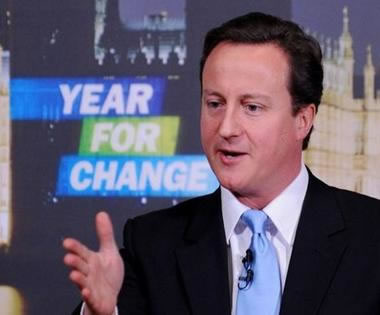
David CameronPrime Minister David Cameron’s announcement of an in/out referendum on the UK being a European Union (EU) member could affect insurer regulation, according to PwC global insurance regulatory leader Paul Clarke.

In a speech earlier this week, Cameron said that if the Conservatives were re-elected he would hold a vote on EU membership.

But Clarke said: “Potentially the biggest impact on the insurance industry will be on regulation. The EU drives the regulatory environment, Solvency II being a classic example.

“Not being part of the EU would hand more discretion to domestic authorities over rule design. From a practical point of view, it is likely the UK would choose to pursue a Solvency II equivalent approach.

“Ironically, the risk would be a UK outside of the EU, unable to influence from within, yet still compelled to follow EU regulation to remain competitive.”

Dropping out could leave UK voiceless, says Clarke.

Hot this week

NGX, Brazilian Business Delegation Explore Areas of Collaboration, Partnership

WELCOME REMARKS BY ALHAJI (DR.) UMARU KWAIRANGA GROUP CHAIRMAN,...

Leadway’s Post-Recapitalisation Signals Era of Digital-First Insurance for Critical Sectors and Nigeria’s Next Generation

Leadway Assurance, Nigeria’s foremost insurance services provider and a...

The 2026 Almond Insurance Industry Awards Voting Opens Officially

L-R:  Mr. Obinna Chilekezi, Member, Panel of Judges, 2026...

Emmanuel Okpanachi: Building the Technology Behind Africa’s Next Generation of Events

Africa’s events industry is growing rapidly, but the technology...

SEC, Meristem Collaborate to Curb Unclaimed Funds, Strengthen Investor Protection

Head, Monitoring & Enforcement Department Securities and Exchange Commission,...

Topics

ADB Endorses $400bn Project to Transform Agriculture in Africa

The African Development Bank (AfDB) recently endorsed its “Feed...

Insurance Brokers Reaffirm Commitment to Local Content, Digital Innovation at SUPERNEWS Conference

Deputy President of the Nigerian Council of Registered Insurance...

IMO Dep Gov Elect: ‘No More Sharing of ISOPADEC Funds’

Imo State Deputy Governor-elect, Rt. Hon. Gerald Alphonsus Irona...

Global Airlines Financial Monitor: March 2018

The final data for Q4 2017 confirms the...

Unity Bank Disburses Over N500m Through SHOCOF to Support Traders

As part of efforts to promote SMEs and strengthen...

Book Presentation: GOCOP Seeks to Sanitise Online Journalism, Set Standards

The President of the Guild of Corporate Online Publishers...

Non-profit Employees Lack Confidence in Retirement Planning

According to a study released by the TIAA-CREF Institute...

Banks, Telcos Disagreement Hindering Mobile Money Services

The inability of banks and telecom operators to agree on modalities for mobile money operations is hindering the potential of such transactions in Nigeria, compared to the acclaimed success of M-pesa in Kenya. Mobile money transactions need legislations and approvals from both the Central Bank of Nigeria (CBN) which regulates the banking sector and the Nigerian Communications Commission (NCC) that oversees telecom services in the country. Giving an insight into the success of M-Pesa in Kenya at the Commonwealth Broadband Forum 2015 in Abuja, Mr. Joseph Tiampati Musuni, Principal Secretary, Ministry of Information, Communications and Technology, Kenya, said their country experienced a similar Banks-Telcos disagreement at the outset of mobile money services in Kenya. But he added that the government was able to facilitate an amicable and working arrangement between them to pave way for roll-out of the service.







