


Nigeria Imports N1bn of Rice Daily

N1billion. That is, according to the Arewa Consultative Forum’s former president, how much rice Nigeria imports every day.

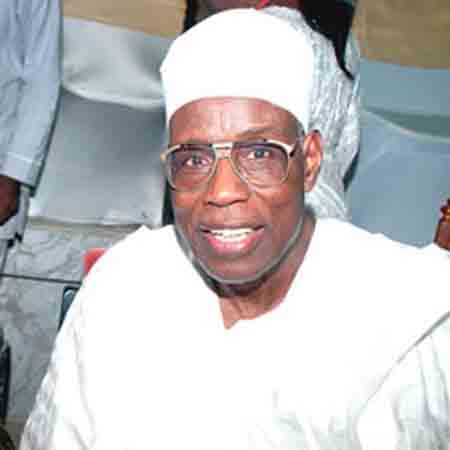
Addressing shareholders of Jamaiyar Matan Arewa during a meeting, Alhaji Aliko Muhamed said spending so much on rice imports was needless given Nigeria’s assets. Comparing to China, he said: “China has a population of around 1.3 billion people but they don’t import food. They are able to feed themselves while Nigeria which has a population lower can’t feed its people without imports.”

He then called on government at all levels in the country to take necessary measures to reverse the trend. Muhammed also asked Nigerian women to urge their husbands to turn to agricultural activities.

This speech comes as Nigeria’s economy presently experiences some turmoil resulting from fall in price of oil. The situation which has driven authorities to turn to other sources of revenue places agriculture as a valid alternative to oil and gas.

– Aaron Akinocho

Hot this week

AFRACA-NIRSAL Masterclass Builds Financial Institutions’ Capacity for Climate, AI-Driven Agricultural Finance

The African Rural and Agricultural Credit Association (AFRACA), in...

Shell Reinforces Safety Commitment at CEO Contractors Forum

Shell leaders and Contractor CEOs at the Annual Shell...

Guinea Insurance Receives New Licence from NAICOM Post-Recapitalisation

L-R: Ademola Abidogun, Managing Director/CEO, Guinea Insurance Plc and...

AXA Mansard Reports N7.8bn H1 Profit, Capital Base Meets Recapitalisation Threshold

AXA Mansard Insurance Plc has sustained its growth momentum...

AXA Mansard Health Int’l Health Plan Covers Cancer, Other Chronic Health Conditions

 Mr. Tope Adeniyi CEO AXA Mansard Health AXA Mansard Health’s International Healthcare...

Topics

BUHARINOMICS: Charting Path to Sustainable Economic Renaissance

The presidential election was over on Saturday, March 28, 2015. It is now a historical document for academic research and street political analysis. On March 28, CHANGE triumphed over TRANSFORMATION AGENDA, leading to the emergence of General Muhammadu Buhari as President, Federal Republic of Nigeria. On May 29, Buhari assumed the leadership of the nation, bringing to an end, the regime of Goodluck Jonathan. For Buhari, it is a long road to Aso Rock. Three times he contested and lost. And three times he dusted the stinking ashes of defeat to rise again to seek for the same office. And on the fourth effort, he won. Either fortune smiled on him or the Gods took pity on him and handed him the office to break the cycle of defeat and save him from the poisoned pen of harsh historians and political propagandists.

China’s Forex Reserves Fall to $3.20tr in July

China's foreign exchange reserves fell to $3.20 trillion in...

NGX Holds 63rd AGM, Shareholders Approve Key Resolutions

The Nigerian Exchange Group Plc (NGX Group), a leading...

Sarovar Hotel Group Plans 1O Hotels in Africa

In a statement published on May 23, the Indian...

NCC Directs Telcos on Tariffs Transparency

The Nigerian Communications Commission (NCC) has issued a directive...

Nigeria Expects 600 Delegates at 47th AIO Confab from Sept 4

Mrs. Ebelechukwu Nwachukwu Chairperson Local Organising Committee (LOC) 47th AIO Conference &...

The Need for Non-Oil Sector Development

The current state of oil prices in the international market is a divine blessing for Nigeria. It represents a unique opportunity for Nigeria to re-discover itself and diversify its sources of national revenue or slump into deeper financial crisis and poverty. It has been proven in the lives of individuals, organisations and nations, that certain negative experiences or consequences spurred them to innovations and critical thinking, and led them to greater heights. It is our hope that such could become of our own country.

Nigeria’s Democratic Success: Time for Greater U.S. Engagement

The United States needs to act fast, wisely and comprehensively to shore up and strengthen its relations with Nigeria following that country’s recent successful national elections. Nigeria’s presidential and gubernatorial elections (held respectively March 28 and April 11) were a political triumph for the people of that country as well as for the continued positive trajectory of democracy across sub-Saharan Africa.







