








By Moses Braimah
Africa is blessed with abundant resources, immense talent and a youthful population bursting with potential.
Yet, what continues to elude us—and arguably remains the most critical ingredient for true transformation—is leadership. In Nigeria, this deficit is even more pronounced.
Despite decades of democracy and natural endowments, the country lingers in a state of economic and social underdevelopment. The truth is stark: we have almost everything except the leadership that can turn our fortunes around.
Leadership in Africa, and particularly in Nigeria, has too often been reduced to power grabs—an unending cycle of domination, oppression, looting and a brazen display of wickedness. This is a far cry from what visionary nations like Singapore, Rwanda, and even China have demonstrated.
These countries didn’t wait for their citizens to become perfect or entirely patriotic. Instead, they were driven forward by a small but determined band of focused and courageous leaders with a clear vision and unwavering resolve.
What Nigeria needs today, and indeed many other countries in Africa, isn’t an army of angels, but a handful of leaders with integrity, purpose, and national interest at heart.
Once the vision is clear and the people are convinced of good intentions, it is much easier to create a band of good and trusted followers to move a nation towards the path of greatness, transformation and development. Righteousness, as they say, exalts a nation.
With the right leadership in place, Nigeria could experience rapid and unstoppable transformation within just three to five years. The foundations for change already exist: widespread dissatisfaction, increasing awareness among the populace and an undeniable longing for a better nation. What’s missing is a moral compass at the top to galvanise this energy into positive nation-building.
As Nigeria, for example, reflects on the consequences of past leadership failures, many seemed to be unhappy and regret roles played in bringing and sustaining the challenging leadership style of Buhari, which resulted to so many disappointments and probably need for ‘revenge.
The real question is: MUST WE CONTINUE IN THAT PATH?
Our thinking for nation development needs to be gotten correctly. This may require many sacrifices, especially from those who invested a lot in the last regime and felt bruised, used and dumped.
From Obasanjo till now, maybe with the exemption of Yar Adua, it’s the same pattern. Nigeria has been locked in a familiar pattern—rhetoric over results, personal ambition over national good. Priority is given to getting 2nd term.
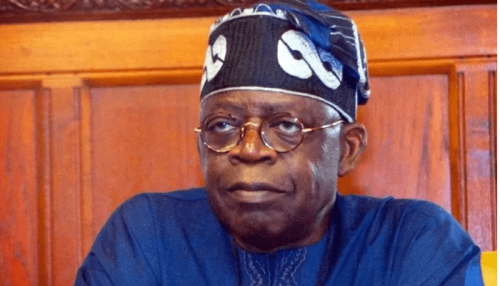
The biggest challenge PBAT is facing is the reality of the last election result and what he inherited from Buhari. Every move currently can be summarised as ‘desperation’. No dulling! The economy seemed to have tanked. The only way he is comfortable with and most likely a sure banker is what he is doing now. Every move appears desperate, but also calculated towards 2027. Will he succeed? Most likely. But will success lead to better governance and sustainable reform? That remains uncertain. No guaranty. Why? He doesn’t just leave after completing his tenure. Looking at antecedents … sustainability is key after tenure is complete. However, sacrifice is a necessary price for national rebirth.
What is certain is this: leadership remains the key to Africa’s transformation. Righteousness, as they say, exalts a nation. And for Nigeria, the path to greatness lies in finding and empowering that rare breed of leaders who place country above self. Leaders who understand that the goal is not just to govern, but to lay down structures that endure long after they leave office.
The potential for transformation is real. But it will only become reality when leadership becomes about service, not survival.
Until we get leadership right, our potential will remain a dream deferred. But once we do, the world will witness a reborn Nigeria and Africa as a whole – bold, thriving, and finally living up to its promise.
NB: Braimah is an advocate of good governance and sustainable progress.
















