








By Moses Braimah
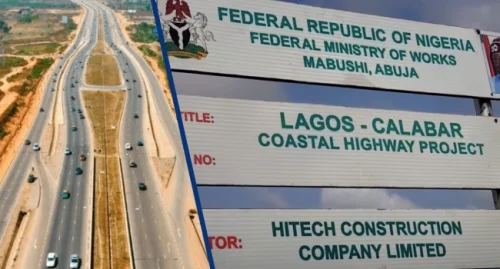
The Lagos-Calabar Coastal Highway represents an economic game-changer for Nigeria, particularly in amplifying its blue economy—an economic model focused on sustainable use of ocean resources.
This 700-kilometer infrastructure project promises to unlock untapped potentials in maritime trade, tourism, fisheries, and other coastal industries, collectively contributing billions to Nigeria’s GDP.
Let’s look at the Maritime Trade which is capable of unlocking new potential.
With Nigeria’s ports currently handling over 100 million metric tons of cargo annually, the Lagos-Calabar Coastal Highway is poised to increase efficiency and capacity.
By reducing transport costs and improving connectivity between ports such as Lagos, Delta, and Rivers, the highway could boost trade revenues by up to $5 billion annually. Investments in modern port infrastructure and logistics hubs—estimated at $2 billion—are critical to maximize this potential.
As for tourism which is a coastal goldmine, Nigeria’s coastal regions have immense tourism potential, with attractions ranging from Calabar’s carnivals to Akwa Ibom’s pristine beaches. Improved accessibility via the highway is projected to increase tourist inflows by 30-40% over the next decade.
This growth could add $3 billion annually to the GDP through hospitality, cultural tourism, and eco-tourism ventures. Strategic investments of $1 billion in resorts, transportation, and marketing will be necessary to develop and sustain these attractions.
When it comes to fisheries and marine resources, the Nigerian fishing industry contributed approximately 1.16% in 2021 and 0.47% in 2022 to Nigeria GDP annually.
Therefore, enhanced road networks connecting fishing communities to urban markets could increase this by 20-30%, generating an additional $300 million annually. Investments of around $500 million in aquaculture facilities, cold storage, and fish processing plants will be essential to support this growth sustainably.
With the current high level of unemployment in Nigeria, the Lagos-Calabar Coastal Highway is expected to create jobs across different sectors. Over 50,000 jobs during its construction phase and an additional 100,000 permanent jobs across sectors like logistics, tourism, and fisheries. This employment surge could inject an estimated $2 billion into the economy annually through wages and related spending.
So, what are the investment needed for sustainability? To fully realize the highway’s potential, Nigeria will require investments in several key areas:
- Infrastructure: $2 billion for port upgrades and logistics hubs.
- Tourism Development: $1 billion for resorts, cultural centers, and marketing campaigns.
- Marine Economy: $500 million for aquaculture and fish processing facilities.
- Logistics: $1 billion for cold chains, warehouses, and transport solutions.
In all these, what are the economic size and impact? Collectively, the Lagos-Calabar Coastal Highway is projected to contribute an additional $10-12 billion annually to Nigeria’s GDP within its first decade of operation.
This significant boost will be driven by increased trade efficiency, enhanced tourism, and expanded fisheries operations, positioning Nigeria as a major player in the global blue economy.
By aligning with sustainable practices and focusing on high-impact investments, the Lagos-Calabar Coastal Highway can serve as a blueprint for leveraging infrastructure to drive economic growth, create jobs, and ensure long-term environmental stewardship.
In total, the Highway represents an infrastructure investment with the potential to inject over $6 billion annually into Nigeria’s economy while positioning the country as a regional leader in the blue economy. With the right mix of public-private partnerships and targeted investments, this project can drive Nigeria’s economic transformation for decades to come.
This project is not just a road; it’s a potential investment in Nigeria’s future prosperity.
– Braimah is an Executive Project Director at PacificMessages.
















