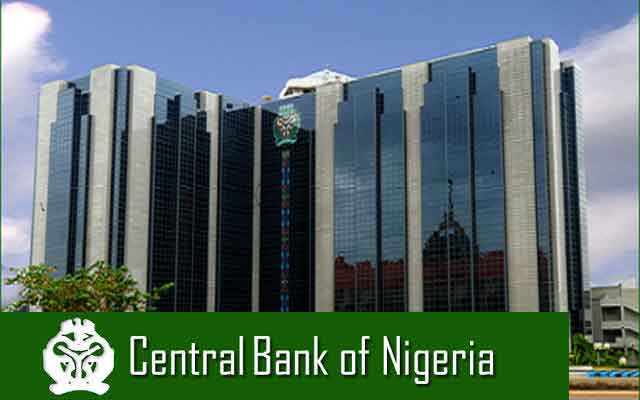


The Monetary Policy Committee (MPC) of the Central Bank of Nigeria [CBN] at the conclusion of its 2nd meeting for the year decided to tighten its policy stance on key rates in the system.
The Committee admitted that the sustained pressure in the domestic economy – as reflected in the sharp jump in inflation rate to 11.4%, rising unemployment rate (10.4%) and slowing GDP growth (2.8%) – is driven by structural weakness in the system.
· As against a dovish stance increasingly communicated by committee members in recent statements, the Committee surprisingly reverted to a hawkish stance by taking the following decisions:
· Increased the Monetary Policy Rate (MPR) upwards by 100bps from 11.0% to 12.0% to compensate investors for lowered real return and attract foreign private capital
· Narrowed the asymmetric corridor around the MPR from +200/-700bps to +200/-500bps
· Increased Cash Reserve Ratio (CRR) from 20.0% to 22.5%to curtail increased banking system liquidity
· And, kept the Liquidity Ratio (LR) at 30.0%.
Implication for the Financial Market
The decision of the MPC to tighten monetary policy was against the run of play as it came against the broad analyst consensus of a hold on all policy rates.
Afrinvest Research had projected 100bps increase in MPR to 12.0% in our 2016 outlook but we are particularly surprised that the MPC would be taking the tightening course this early into its easing mode; especially given that;
1) the pressure on consumer prices, as admitted by the committee, is as a result of structural and cost push factors which we believe could worsen if cost of funds and go up with policy tightening and FX shortages are not addressed
2) the suggestion that increase in banking system liquidity is fundamentally driving the pressure on exchange rate is not also subject to fact as we have continued to see high subscription at CBN inter-bank auctions despite intermittent OMO mop-ups conducted and
3) exchange rate certainty has as much impact on foreign capital inflows as interest rate competitiveness and the current tightening is too mild to compensate for the exchange rate risk.
The move to hike CRR by 2.5% to 22.5% was in a bid to curb speculative activities in the FX market. We estimate this to quarantine the sum of N409.7bn from the system.
However, we are of the view that this reflects the notion that previous decision to reduce CRR by 5.0% was largely premature given that the operating environment remains unattractive for loan growth.
We do not expect a reversal in this tightening stance in the medium-term as committee members would remain wary of the liquidity impulse from expansionary budget.
In the interim, we expect to see a 100bps-200bps increase in yields in the fixed income market while Cost of Funds (CoF) may likely rise for Tier-2 banks as interbank market adjusts to the tightening of liquidity.
However, assets repricing of fixed income securities and other risk assets would likely compensate for this.
We retain our estimates on Net Interest Margins for our coverage banks as we monitor the pace of assets reprising.
In addition, we do not expect a significant reaction from the equities market, as exchange rate challenges which remain the major concern for investors, most especially the foreign players was left unaddressed by the Committee.