






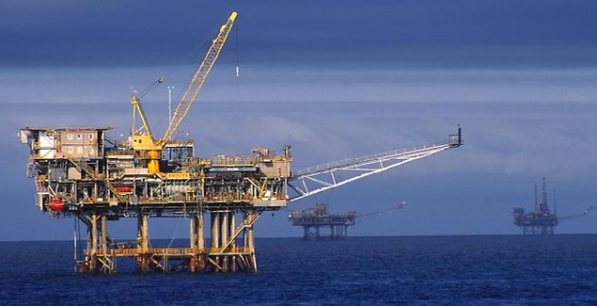


Latest report by the World Bank Group suggests that low oil prices have considerably reduced growth in commodity-exporting countries in Sub-Saharan Africa, especially in Nigeria and Angola etc. and have also slowed activity in non-oil sectors.
The report says that although South Africa is expected to be one of the main beneficiaries of low oil prices, growth is being held back by energy shortages, weak investor confidence amid policy uncertainty, and by the anticipated gradual tightening of monetary and fiscal policy. Growth in the region is forecast to slow to 4.2 percent, slower than previously expected.
“This mainly reflects a reassessment of prospects in Nigeria and Angola following the sharp drop in oil prices, and in South Africa, because of on-going difficulties in electricity supply. For 2016-17, growth is expected to be only marginally higher as these challenges partially offset stronger trading partner growth and the continued expansion in the region’s low-income countries.”
The World Bank said developing countries face a series of tough challenges in 2015, including the looming prospect of higher borrowing costs as they adapt to a new era of low prices for oil and other key commodities, resulting in a fourth consecutive year of disappointing economic growth this year, says the World Bank Group’s latest Global Economic Prospects (GEP) report.
As a result, developing countries are now projected to grow by 4.4 percent this year, with a likely rise to 5.2 percent in 2016, and 5.4 percent in 2017.
“After four years of disappointing performance, growth in developing countries is still struggling to gain momentum,” said Franziska Ohnsorge, Lead Author of the report.
“Despite auspicious financing conditions, a protracted slowdown has been underway in many developing countries, driven by shortages in
agriculture, power, transport, infrastructure, and other vital economic services. This makes the case for structural reforms all the more urgent.”
“Developing countries were an engine of global growth following the financial crisis, but now they face a more difficult economic environment,” said World Bank Group President Jim Yong Kim.
“We’ll do all we can to help low and middle-income countries become more resilient so that they can manage this transition as securely as possible. We believe that countries that invest in people’s education and health, improve the business environment, and create jobs through upgrades in infrastructure will emerge much stronger in the years ahead. These kinds of investments will help hundreds of millions of people lift themselves out of poverty.”
















