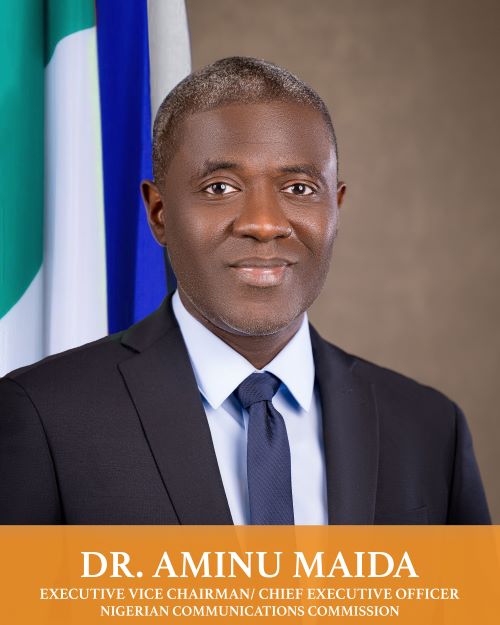


By Aminu Maida
EVC/CEO of NCC
I welcome you all to this Public Inquiry, focusing on three vital regulatory instruments in the communications sector. It is also a privilege for me to address this esteemed gathering of experts, stakeholders and engaged citizens, all of whom bring valuable insights and perspectives that will help shape the future of our industry.
Your participations, valuable contributions and feedback are vital in shaping a path forward that benefits all of us. Before we delve into the details of these regulatory instruments, let’s take a moment to acknowledge the significance of this event.
The Nigerian Communications Commission, as the independent regulatory authority for the communications industry in Nigeria, has always been committed to promoting an efficient, accessible and competitive telecom industry. The public inquiry we are conducting today is a testament to the Commission’s dedication to transparency and inclusivity ensuring that the voices of all stakeholders are heard and considered.
These regulatory instruments play a vital role in shaping our communications landscape and it is essential that we visit and refine them to address emerging challenges, trends and opportunities. The instruments that we considered during the course of this public inquiry are vital in ensuring the communications sector meets the demand of the ever-evolving digital age.
The first Regulatory instrument in our agenda today is Telecommunications Networks Interconnect Regulations. As we all know, interconnection plays a vital role in enabling seamless communication between two different networks, and facilitating the growth of the communications industry in Nigeria. This review is crucial to keep pace with technological advancement, foster competition, protect consumer interest, align with international standards and improve regulatory efficiency in the industry.
The second instrument to be reviewed is Guidelines on Procedure for Granting Approval to Disconnect Telecommunications Operators. As the industry continues to evolve is the main instances where disconnection of operators becomes necessary these guidelines lay out the procedural framework through which such approvals are granted, ensuring that they are carried out in a transparent and accountable manner.
Lastly, we will be reviewing the guidelines for is Guidelines for Dispute Resolution. Disputes are an inevitable part of any industry. In fact, it is indisputable in any transaction and having a robust framework to resolve them is crucial, and these guidelines aim to provide a clear and transparent mechanism for resolving conflicts within the communications sector promoting timely resolutions and ensuring that stakeholders are treated fairly.
As disputes arise, we must evaluate and improve these guidelines to ensure they remain effective in resolving conflicts and promoting a stable telecommunications ecosystem.
On that note ladies and gentlemen, I invite participants to engage in meaningful and constructive discussions that will reflect the current needs and challenges of the Nigerian communications industry. Your various inputs will be invaluable in shaping the future of our telecommunications sector. Together we can create an environment that inspires innovation, encourages fair competition and ultimately serves the best interest of all stakeholders.