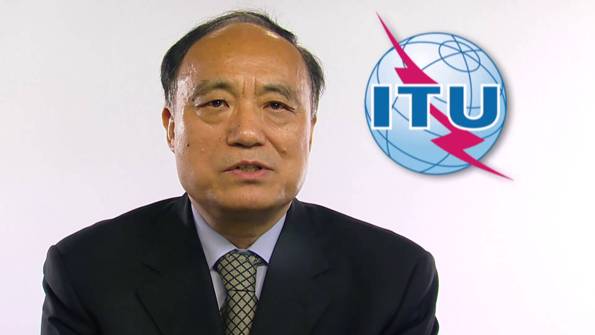


The International Telecommunications Union [ITU] has launched the first World Smart City online community was launched to assist city stakeholders in their efforts to develop Smart Sustainable Cities.
The new community aims to identify the top ‘pain points’ presenting challenges to city development.
The community launch is part of the build-up to the first World Smart City Forum, organised by IEC in partnership with ISO and ITU. The Forum will be held in Singapore on July 13, 2016, co-located with the World Cities Summit.
“The development of Smart Sustainable Cities has become a key policy point to administrations around the world as well as to UN organisations,” said ITU Secretary-General, Houlin Zhao.
“The recognition of the potential of smart cities comes in parallel with recognition that building smartness into an existing city, or developing a smart city from the ground up, is a complex undertaking, calling for improved cooperation and more integrated decision-making by a variety of city stakeholders and global standards bodies, such as ITU, IEC and ISO.”
By year 2050, an estimated 66 per cent of the world’s population will live in urban areas. City leaders face a major challenge in the need to supply these populations with basic resources, such as safe food, clean water and sufficient energy, while ensuring overall economic, social and environmental sustainability. Cities need to achieve substantial improvements in the efficiency with which they operate and use their resources.
Frans Vreeswijk, IEC General Secretary and CEO: “Cities are giant systems with countless subsystems. All of them depend on electricity and hardware to move people and things, collect data and exchange information. Already now, IEC work impacts all of them. More than ever before, many different organisations will need to collaborate to help make cities smarter; technology integration is a special challenge that requires partnerships and alliances. That’s what the online community and Forum is trying to achieve.”
Kevin McKinley, Acting ISO Secretary-General: “Smart cities make sense: they waste less, offer better quality of life and ensure a brighter future for the next generation. But cities face many challenges in their quest to improve. ISO Standards help cities measure and improve their performance, for example with standards for city indicators, sustainable communities and city infrastructures. These Standards provide best practices and harmonised solutions that can be used everywhere, and allow city planners and decision-makers to benefit from global expertise.”