









L-R: Managing Director/Chief Executive Officer, SanlamAllianz General Insurance, Mrs. Jacqueline Uche Agweh; Chairman, Nigerian Insurers Association (NIA) and Managing Director/Chief Executive Officer, Rex Insurance Limited, Mrs. Ebelechukwu Nwachukwu; Founder and Managing Partner, HRISP Partners, Mr. Oguche Aguda and Head of Safekeeping and Corporate Action at Zenith Pensions Custodian Limited, Mr. Alfred Nkuma at the 2026 NAIPE annual conference in Lagos on Thursday, October 8, 2026.
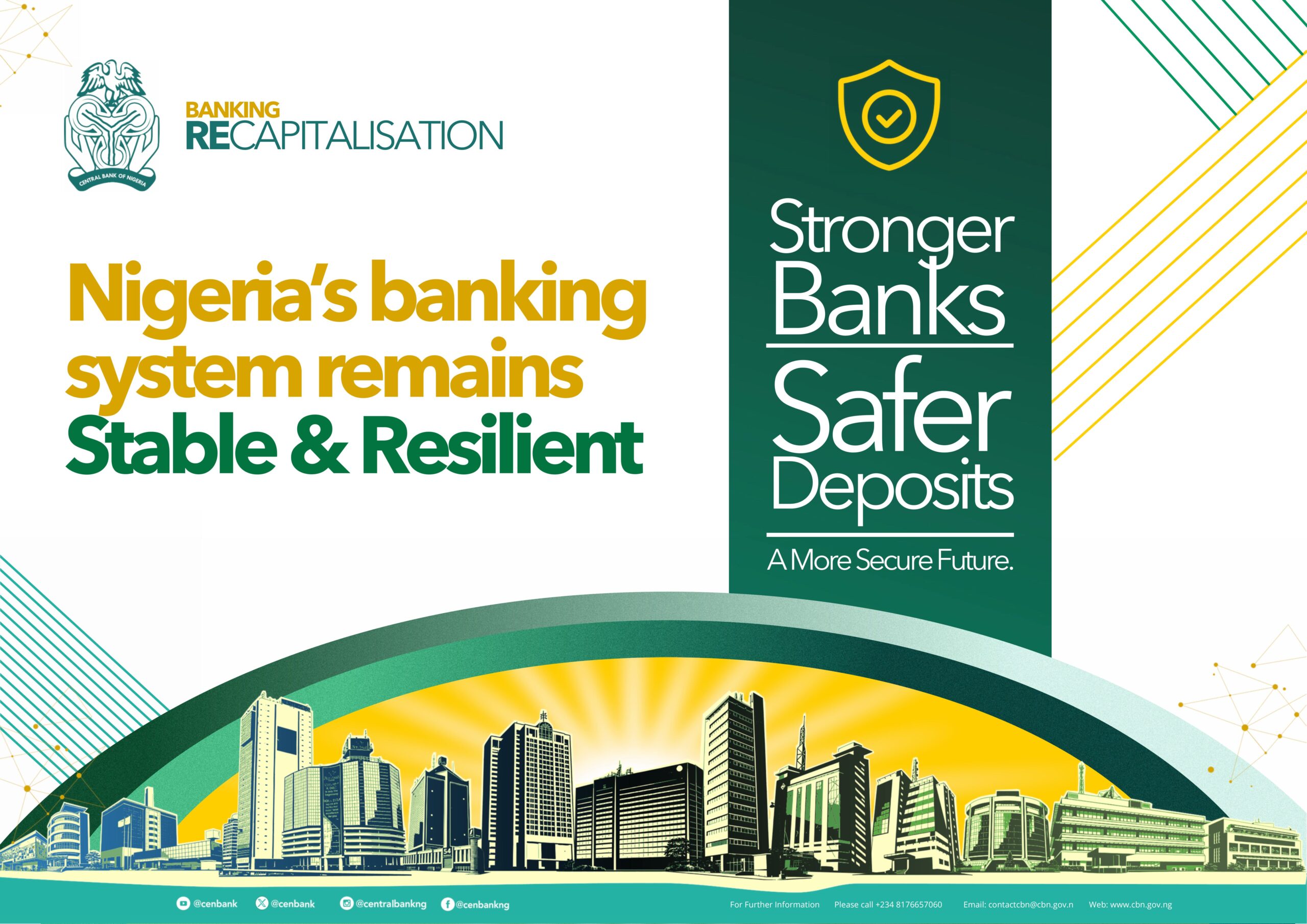
Stakeholders in the insurance and pension sectors have urged operators to deploy funds raised through recapitalisation to improve services, develop innovative products and strengthen customer confidence.
They made the call in Lagos during a panel discussion at the 11th Annual Conference of the Nigerian Association of Insurance and Pension Editors (NAIPE).
The conference, themed “Post-Recapitalisation Market Dynamics in Insurance and Pension Sectors“, also saw the panelists stressed that the success of recapitalisation should be measured by its impact on policyholders, contributors and the wider economy, rather than by the amount of capital raised.
Speaking on the insurance sector, Mrs. Jacqueline Agweh, Managing Director, SanlamAllianz General Insurance, said the post-recapitalisation era had given insurers an opportunity to develop products that addressed customers’ specific needs.
She said insurers must work closely with customers to understand those needs and provide tailor-made products and services.
According to her, innovation, digital transformation, user-friendly technology and self-service platforms will be critical to improving customer experience.
Agweh advised insurers to simplify onboarding processes and use technology to improve risk assessment, claims investigation and other operations.
She also called for greater focus on retail insurance and micro-insurance, stressing that affordability and simplicity were key to deepening insurance penetration.
“Bulky policy documents and complicated terms often discourage people from taking insurance products. Insurers must make their systems seamless and develop digital platforms that would enable customers to access insurance services conveniently,” she said.
Agweh further advocated embedding insurance into everyday economic activities, so that it becomes an integral part of consumers’ daily transactions.
“Why can’t my phone be insured from the point of purchase? Why can’t you bring it in? Sometimes, it is so subtle, you don’t even see that they pay for insurance,” she said.
She added that the post-recapitalisation industry should focus on making insurance a culture by creating products that are accessible, affordable and relevant to the people.
Also speaking, Mr. Babalola Rufus, Executive Director, NLPC Pensions, urged operators to ensure that policyholders and Retirement Savings Account (RSA) holders had their funds secured, properly invested and paid when due.
Rufus noted that shareholders and contributors had committed funds to the insurance and pension sectors, expecting value from their investment and contributions. He said the success of recapitalisation in both sectors should ultimately be judged by the benefits delivered to customers.
According to him, recapitalisation should result in stronger institutions, better investment decisions, improved services, wider participation and greater accountability.
On his part, Mr. Peters Elendu, Managing Director, Zenith Pensions Custodian Limited, advised pension operators to invest in technology, artificial intelligence, data analytics and innovation to make pension services easier and more accessible.
Elendu, who was represented by Mr Alfred Nkuma, Head, Safekeeping and Corporate Action at the firm, also called for investment in human capital to ensure that employees had the skills required to drive technological transformation in the sector.
He said recapitalisation should not be viewed merely as a regulatory compliance exercise but as a strategic opportunity to build resilient institutions. He added that the focus should now shift from the amount of capital raised to how effectively the additional funds were deployed to solve problems and create long-term value.
Nkuma said pension fund custodians had a responsibility to safeguard pension assets, diversify investments and ensure liquidity to meet beneficiaries’ obligations.
He noted that trust and confidence were critical to sustaining contributions to the pension system.
Nkuma assured that custodians would continue to prioritise the safety, availability and growth of pension assets belonging to Nigerian workers.