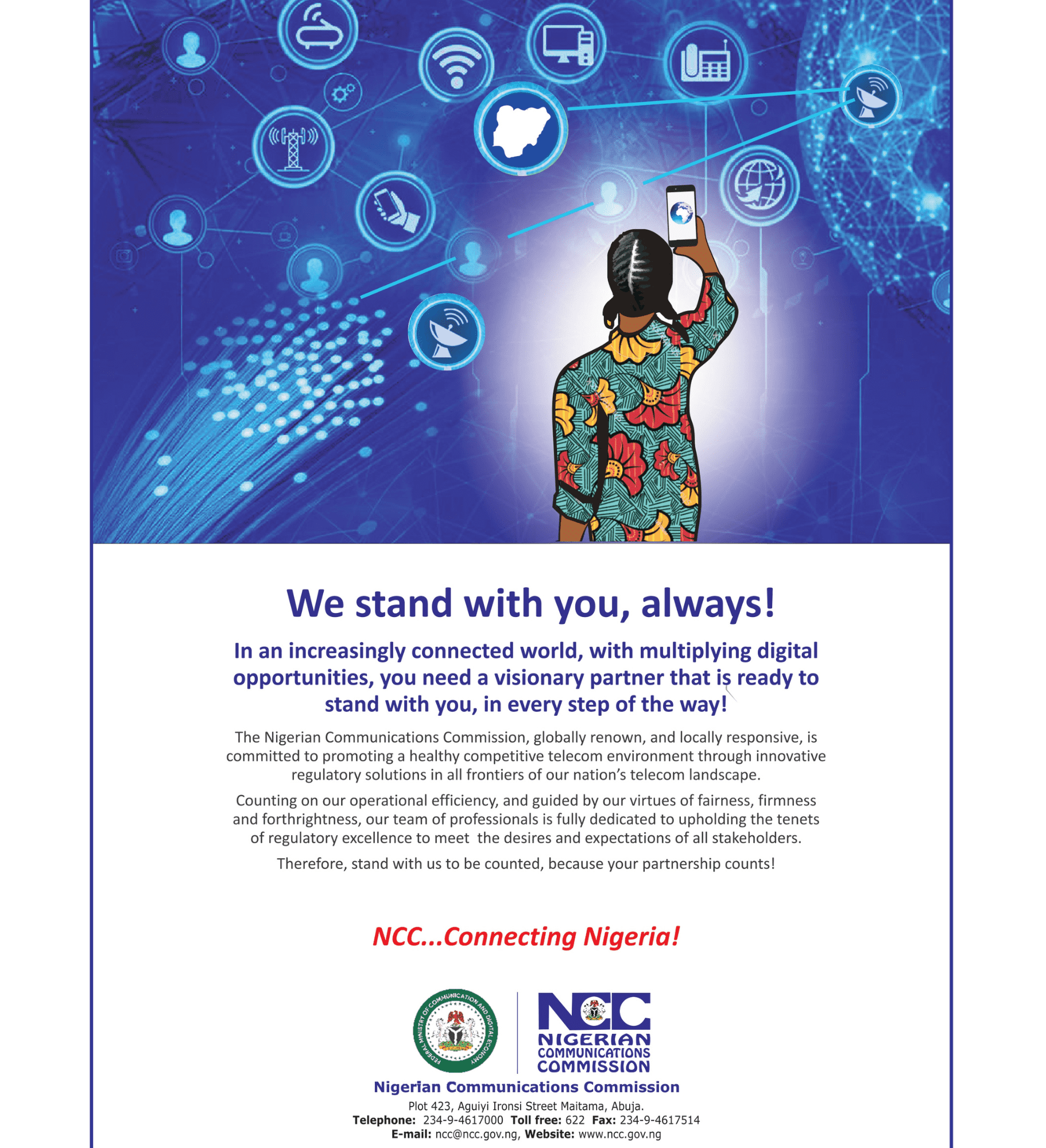






With sub-US$50 smartphones on the way, rapid improvements to telecom infrastructure, and the availability of affordable cloud applications, the mobile Internet is rapidly transforming the way that Nigeria does business.
It is empowering enterprises to be more flexible, responsive and efficient than ever before. That’s according to Magnus Nmonwu, Regional Director for Sage West Africa who says that Nigeria is adopting the mobile Internet as quickly and enthusiastically as it did mobile voice services some years ago. “Mobility is the growth engine of the Nigerian economy,” he adds.
“It is helping people to enhance their lives and to improve their standard of living, while enabling enterprises to transform how they operate.”
According to statistics from the Ericsson Mobility Report total mobile subscription penetration in Sub-Saharan Africa is about 80% but will grow to 100% and 1 billion mobile subscriptions by 2021.
Nigeria, as one of the largest mobile markets in Africa, is leading the trend based on these results. As one example of mobile’s impact on Nigeria’s economy, consider the fact that the Ministry of Science and Technology forecasts that the mobile market will be worth US$166 billion dollars in 2020 and directly employ about 2.7 million people.
New Mobile Behaviours
“Many of our customers and employees today walk around with smart devices that give them access to apps and information wherever they are,” says Nmonwu.
“For example, Facebook’s statistics show that 7.1 million Nigerians access its platform every day. And 100% of its monthly users access Facebook on a mobile smart phone.”
Tapping into this behaviour gives organisations new ways to interact with employees, suppliers, customers and other stakeholders, he adds. This ranges from mobile marketing, advertising and e-commerce for consumers to mobilising business applications such as the enterprise resource planning (ERP) solutions.
On the Road Again
Employees and managers are increasingly able to access information on the road to serve customers, speed up decision-making, and save time. A salesperson can now easily check from a tablet or smartphone whether a product is in stock while on-site with a customer, and place the order without going to the office. And managers can now use their time between meetings and at airports more productively.
Mobile technology is also helping HR departments to become more efficient and to build better relationships with employees. For example, companies can offer employee self-service (ESS) across mobile devices to streamline HR processes and engage with employees more effectively.
With mobile ESS, companies can enable employees to file leave applications, submit doctor’s notes when they’re ill, and make expense claims – all from their mobile devices. They can look up their payslips, change their personal details, and more, all without needing to do paperwork, visit or call the HR department.
The future is mobile and we are giving our customers the power to control their businesses from the palm of their hand,” says Nmonwu. “We connect our customers to accountants and partners with real time and intuitive information about their business.”
Productivity boom
Says Nmonwu: “In addition to the productivity boom, organisations need to adopt mobile business processes and apps to meet the expectations of employees and customers. Today’s consumer and employee wants to interact with companies using accessible, easy to use mobile services and apps.
“Enterprises thus need to start mobile security and device management, so that they can support mobile employees. Today’s consumer wants service on demand from a handset and today’s employee wants to be productive wherever he or she is, at anytime or in any location. With this, we expect to see a great deal of investment into mobile technology in West Africa over the next year or two.”
Image credit: Telecominfo