





Emirates has welcomed MSN A6-EVL, its 116th A380 as the first of three A380s to join its fleet in 2020. The newest member of the Emirates fleet was powered by a blend of jet fuel and sustainable aviation fuel (SAF). This is the first time the airline is using sustainable aviation fuel to power an A380. The biofuel used for the flight was produced from used cooking oil in Finland.
The aircraft arrived in Dubai at the weekend, powered by a blend of conventional jet fuel and sustainable aviation fuel.
Emirates is scheduled to receive two more A380 aircraft later this month, one of which will feature its long-awaited signature Premium Economy product.
Since its entry into the Emirates fleet 12 years ago, the A380 has been the airline’s flagship and a customer favourite, captivating the imagination of travellers by providing an unmatched travel experience. Signature elements such as A380 Onboard Lounge and Shower Spa, continue to be talked about around the world.
The Emirates A380 experience remains highly sought after by customers, with many ensuring they book their travel on this aircraft to experience its spaciousness, quietness and comfort across every cabin. Emirates has recently reinstated its iconic products for customers to enjoy, balancing an elevated experience during the pandemic with measures that prioritise the health and well-being of passengers.
Sir Tim Clark, President of Emirates Airline said: “The A380 has been a success story for Emirates, and this is reflected in the strong customer interest wherever we’ve deployed the aircraft over the years. The A380 has helped us efficiently serve customer demand at slot constrained airports and also on trunk routes, supporting our long-haul hub operations. Importantly, with the space and technology on this aircraft, we’ve been able to introduce new concepts onboard that have transformed the flying experience for the better. The A380 will remain our flagship for the next decade, and we will re-deploy it on more routes as travel demand returns.”
The double-decker A380 is also demonstrating its versatility by being utilised as a ‘mini-freighter’ on select cargo charter operations to transport urgently required cargo across the Emirates network.
Sir Tim commented on the airline’s commitment to reducing its environmental impact: “Sustainability remains very much on our agenda at Emirates. We are watching developments in sustainable aviation fuel very closely, and we look forward to a time when it can be produced at scale, and in a cost competitive manner. Our latest A380 delivery flight was partially powered by sustainable aviation fuel and this is a positive step towards reducing our overall emissions.”
Emirates continues to support initiatives that contribute to the development of the SAF industry and wider deployment of biofuels. The airline is part of the Steering Committee of the Clean Skies for Tomorrow coalition, established by the World Economic Forum to promote the development of SAF. Emirates has also supported a series of webinars on the future of SAF in the UAE, hosted by Khalifa University. A third of Emirates’ crew transportation buses in Dubai currently are powered by biofuels, with its one of its main crew bus transport contractors, Al Wegdaniyah, adopting biofuel supplied by Neutral Fuels.
Emirates remains committed to continues to emissions reduction. In addition to operating modern and fuel efficient aircraft with an average age of 6.5 years, Emirates also has a comprehensive fuel efficiency programme that has implemented a range of initiatives including working with air navigation providers on “flex tracks”, or flexible routings that create the most efficient flight plan for each flight.
Emirates also runs a robust fuel monitoring system. On the ground, the airline implements fuel-efficient practices where possible, such as the use of power units that consume less energy, and switching one or two engines off while taxiing in after landing. Other operating initiatives include idle reverse thrust on landing, loading efficiency improvements, aircraft weight management, and the introduction of electronic flight bags for cockpit crew.

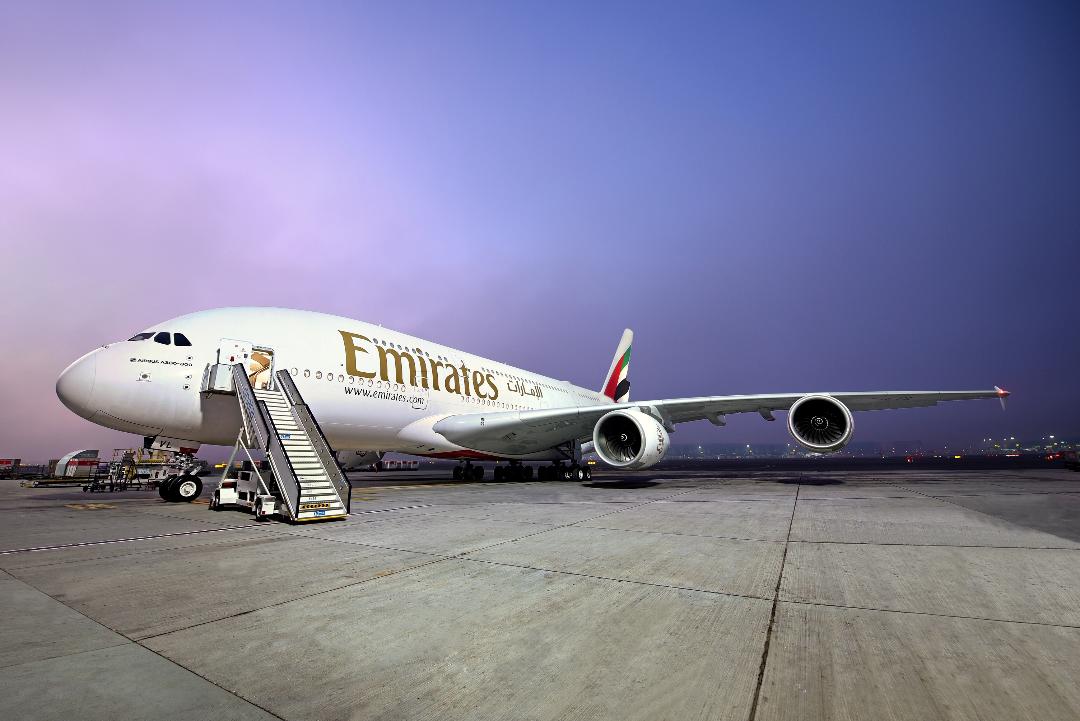
Emirates Unveils Biofuel-powered, Environmentally-friendly A380s












Popular Categories




