






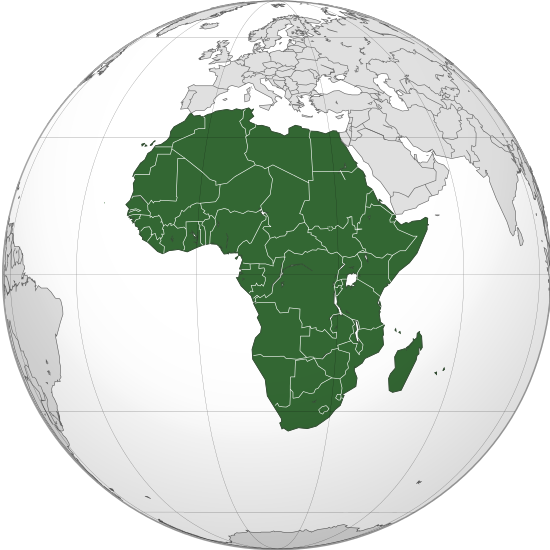


An estimated 34% of African businesses reported losing out on deals to corrupt competitors in an annual survey of business attitudes comprising interviews with 824 companies worldwide. The survey was conducted by Control Risks, a global business risk consultancy.
Corruption is still a major cost to international business, with 34%* of respondents from Africa reported losing out on deals to corrupt competitors.
Corruption risks continue to deter investors. 30% say they have decided not to conduct business in specific countries because of the perceived risk of corruption.
And corruption is killing deals. 41% of global respondents reported that the risk of corruption was the primary reason they pulled out of a deal on which they had already spent time and money – even 55% of African respondents.
But the picture is improving. Companies from countries with tight enforcement report fewer losses than before from corrupt competitors.
In 2006, 44% of US companies said they had lost out to corrupt competitors, compared with only 24% in 2015.
These figures are echoed for Germany and the UK. 81% of respondents agree that international anti-corruption laws “improve the business environment for everyone”.
Control Risks’ survey reveals companies are now more willing to challenge when faced with suspected corruption. 39% of companies said they would complain to a contract awarder if they felt they had lost out due to corruption (70% in South Africa), compared to just 8% of respondents in 2006.
In 2006, only 6.5% of respondents said they would appeal to law-enforcement authorities, compared with 19% of global respondents in 2015, with 24% of respondents (60% in South Africa) now saying they would try to gather evidence for legal action.
Companies feel that international anti-corruption legislation is improving the business environment. Most respondents felt these laws made it easier for good companies to operate in high-risk markets (55%) and serve as a deterrent for corrupt competitors (63%). This was particularly true of companies in developing markets. 79% of Mexicans agree or strongly agree, as well as 68% of Indonesians, 64% of Brazilians and 53% of Nigerians. In the US, 54% say tough laws make it easier to operate in high risk markets, while 42% disagree.
Commenting on the survey’s findings, Daniel Heal, Senior Managing Director, East Africa at Control Risks, said:
“Too many businesses are still losing out on good opportunities to corrupt competitors, or choosing not to take a risk on an investment or entering a new market in the first place for fear of encountering corrupt practices. Companies need to find a balance and do more due diligence early on in any negotiation or market entry planning, to spot the points of light in countries that may otherwise appear as no-go areas.
Another concern is an overreliance on compliance. Often when organisations have comprehensive compliance processes in place, business leaders treat them as a safety net and don’t police ruthlessly enough internally. More than half of the businesses we surveyed hadn’t conducted a corruption-related investigation in two years. Given the size and complexity of most organisations this would suggest there is a danger of a false sense of security in compliance departments.”
















