






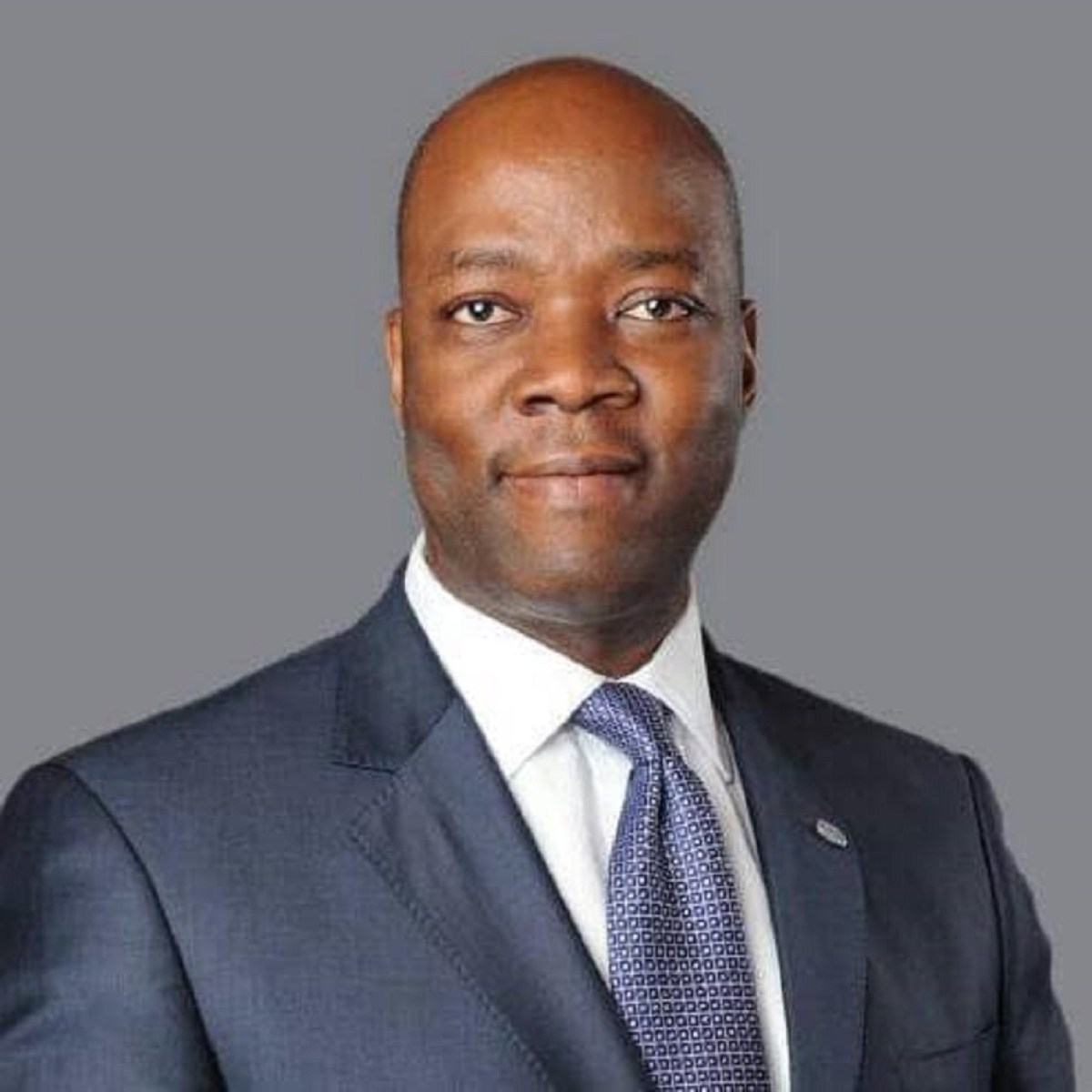


Patrick Akinwuntan
Managing Director
Ecobank Nigeria
The Managing Director, Ecobank Nigeria, Patrick Akinwuntan has said the success of African Continental Free Trade Area (AfCFTA) will rely heavily on the financial services industry’s ability to facilitate the liberalisation process.
Akinwuntan, who made this submission at a webinar titled: Exploring Nigeria’s Readiness for the African Continental Free Trade Area organised by Deloitte, maintained that the banking industry in Nigeria is ready for the implementation of the AfCFTA, and that it will be responsible for facilitating transactions, mobilising savings, allocating capital funds and monitoring managers so that the funds allocated will be utilised as envisaged, as well as managing risks.
According to Akinwuntan, “Nigeria banks have strong capital and their operating synergies have been tremendous for the past five years particularly in the digital banking space. Nigeria is a leading player on the continent in payments required to facilitate trade; mobilisation of savings required to galvanise the economy; focus on the SME segment, which is the largest employer of labour especially in the critical industries such as Agriculture as Africa is a continent that is rich in commodities; education of our teeming population and health.”
Further, the Ecobank Managing Director said for the financial institutions to adequately play their expected roles, they would need to drive value creation by developing new technologies, scaling its payment infrastructure and methods to a pan African play to serve the diversified economies expected from the agreement.
He noted that “Africa’s financial services sector will also be relied on to provide the credit and support necessary for certain industries to move forward particularly the infrastructure and manufacturing sectors, which will be at the centre of Africa’s development goals following the AfCFTA enactment”.
“Nigerian financial service industry has the basic platform to enable African financial services to contribute significantly to the trade area. The BVN innovation in Nigeria is unique, more like the social security number in USA. NIBSS, the hub for payment systems in Nigeria is a strong base that is scalable to a pan African payment network. In terms of continental expansion, we are beginning to increased interest in Pan African banks. Ecobank with strong Nigeria content is a lead player in this space, with presence in over 33 countries in Africa, he stated.
Earlier, the Minister of Industry, Trade and Investment, Otunba Adeniyi Adebayo said the Nigerian government was irrevocably committed to the success of the AfCTA. According to him, the AfCFTA complements Nigeria’s export diversification aspiration as it provides preferential market access for Nigerian products and services in the vast African market.
“For Nigeria, the gains are significant. The AfCFTA would expand market access for Nigeria’s exporters of goods and services, spur growth and boost job creation, eliminate barriers against Nigeria’s products, provide a Dispute Settlement Mechanism for stopping the hostile and discriminatory treatment directed against Nigerian, safeguard the Nigerian economy from dumping and unfair trade practices and support the industrial policy, among others among others.”
In his welcome address, Delloite CEO, West Africa, Fatai Folarin, said his organisation decided to organise the webinar to create awareness on the attendant benefits inherent in AfCTA. He explained the trade agreement aims to create a single continental market for goods and services, with free movement of business, persons and investments within the African region.
The AfCFTA due to commence in January 2021, will pave the way for a rapid dismantling of such impediments to cross-border trade. Alongside the removal of tariff barriers, the AfCFTA will also focus attention on outstanding nontariff barriers (NTBs), an important step toward increased trade in the region.
The AfCFTA aims to create a single continental market for goods and services, with free movement of business persons and investments, and thus pave the way for accelerating the establishment of the Customs Union.
It will bring together all 55 AU member states covering a market of more than 1.2 billion people. In terms of numbers of participating countries, it is set to be the world’s largest free trade area since the formation of the World Trade Organisation.
















