

By Elvis Eromosele
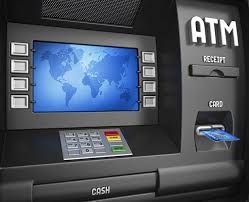
Nigeria is a cash-driven economy. Yet, today, when cash is needed, the default option isn’t the bank’s ATM but the nearest Point-of-Sale (POS) agent. ATMs, once the backbone of convenience banking, now sit idle, often empty, gathering dust, while POS agents offer the only real alternative for cash withdrawals. In a cash-driven economy, ATMs have become extremely unreliable for Nigerians needing cash.
This shift begs several critical questions. Are ATMs going out of fashion in Nigeria? Is the massive infrastructure investment in ATMs now a waste? And most importantly, why do ATMs rarely have cash since the infamous CBN naira redesign policy?
ATMs were once symbols of banking convenience. Their introduction in Nigeria in the early 1990s revolutionised cash withdrawals, offering 24/7 access to money without the hassle of entering a bank hall. However, the story changed drastically after the CBN’s naira redesign policy in late 2022. The move, which sought to limit cash circulation and encourage a cashless economy, led to a severe cash crunch. Even after the policy was reversed and old notes returned into circulation, ATMs never fully recovered.
While several factors contribute to the near-death of ATM cash availability in Nigeria, the CBN’s cash policy hangover tops the list. The cash scarcity that began with the naira redesign created a shift in how banks handled cash distribution. Even after the policy softened, many banks still operate under the mindset of cash rationing, and ATMs remain dry.
Secondly, running an ATM is expensive. Each machine requires regular cash loading, security, power supply and maintenance. With the high cost of diesel and frequent power outages, keeping ATMs functional has become a burden for banks. Many banks prefer to direct customers to digital transactions or POS agents reducing the need for constant ATM maintenance.
Another reason is that ATMs are prime targets for fraudsters and criminals. Cases of card skimming, machine tampering and outright vandalism have discouraged banks from investing in more ATMs. It appears easier, safer and maybe more convenient to work with POS agents, who assume the risk of handling cash.
In addition, POS businesses have exploded across Nigeria, filling the cash withdrawal gap that ATMs once occupied. With over 1.6 million POS terminals in the country, these agents are more accessible than bank ATMs. Banks themselves appear to encourage this shift by supplying POS agents with cash, while ATMs remain empty.
Furthermore, reports indicate that many banks struggle with logistics, making it difficult to restock ATMs efficiently. Poor cash management strategies, delayed cash deliveries and a lack of urgency in ATM restocking contribute to the ongoing crisis.
Yet, considering the millions of naira invested in ATM deployment, maintenance and security, the decline of ATMS feels like a massive waste of resources. Many banks invested heavily in ATM infrastructure over the years, only to see the machines fall into disuse.
So, while ATMs may not be entirely obsolete, their role has significantly diminished. Digital banking and mobile money are rapidly replacing the need for physical cash withdrawals. It is no surprise therefore to see banks now focusing on mobile transactions, transfers and QR code payments rather than cash-based transactions.
But all hope is not yet lost. To restore ATMs to their former usefulness and balance the cash distribution system, things must be done differently.
The CBN, for one, should enforce a policy that ensures banks prioritize ATM cash supply. So, just as they provide cash to POS agents, banks should be required to maintain a minimum level of cash availability in their ATMs.
Banks can also explore solar-powered ATMs to cut operational costs, especially in areas with poor electricity supply. Additionally, introducing deposit-taking ATMs, which allow customers to withdraw and deposit cash simultaneously, could improve liquidity and reduce the frequency of cash restocking challenges.
Moreover, improved security measures, including surveillance cameras, fraud detection software and real-time tracking can reduce ATM-related crimes and encourage more banks to keep their machines functional. Aside, many Nigerians now see POS agents as the only viable cash source but their withdrawal charges are a real burden. The CBN and banks should regulate these to ensure affordability.
ATMS may not disappear completely, but their role would undeniably continue to shrink. Digital transactions, mobile banking and fintech solutions are taking over. As Nigeria moves towards a more cashless economy, ATMs may transition from being the primary cash dispenser to backup options for emergencies.
For now, though, the frustration remains. The days of walking up to an ATM and effortlessly withdrawing cash seem long gone. And unless major reforms take place, the trend of empty ATMs will continue, leaving Nigerians with no choice but to pay extra at POS stands.
In the end, the real question isn’t whether ATMs are going out of fashion; it is whether banks and regulators are willing to fix the system or let ATMs fade into irrelevance.
Eromosele, a corporate communication professional and public affairs analyst, wrote via: elviseroms@gmail.com