





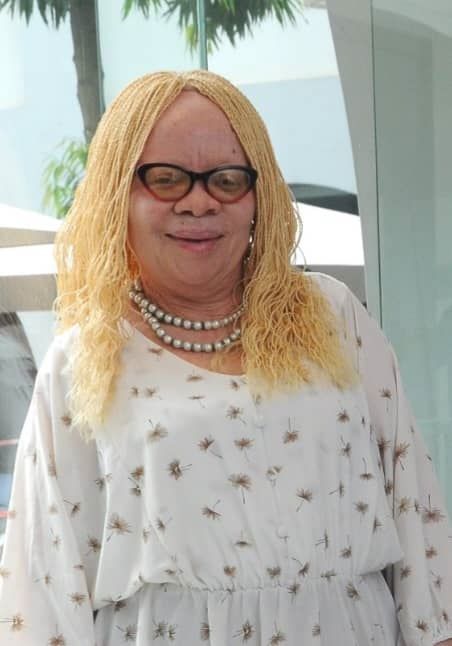


By Dr. Mrs. Bisi Bamishe
National President
Albinism Association of Nigeria (AAN)
The Albinism Association of Nigeria (AAN) stands before the nation today with deep sorrow and grave concern over the escalating health crisis facing persons with albinism (PWAs) in Nigeria.
Our people are dying in silence, with little to no awareness of the immense health challenges we endure, particularly the devastating impact of skin cancer.
Despite our continuous advocacy efforts, the plight of persons with albinism remains largely unaddressed, and the consequences are dire. Within just a few days, we have lost three of our beloved members to this ravaging disease.
Even as we speak, many others are battling for their lives. Some lying helpless in hospitals, while others struggle in their homes without access to proper medical care or hope for survival. The grim reality is that the community of persons with albinism in Nigeria is under siege, and urgent action is required to prevent further loss of lives.
Today, as the world observes World Cancer Day 2025 under the theme “United by Unique,” we seize this moment to amplify the voices of persons with albinism in Nigeria.
The theme speaks to the power of unity in addressing the global cancer burden, and now more than ever, we call on the federal, state, and local governments, the legislative arms at all levels, well-meaning individuals, local and international donors, and relevant stakeholders to stand with us in the fight against this dreaded disease.
For years, persons with albinism in Nigeria have faced significant health challenges, including extreme vulnerability to skin cancer due to the lack of melanin in our skin. The absence of structured government interventions, including access to free or subsidised skin cancer treatments, preventive measures such as sunscreen distribution, and specialised dermatological care, has left our community in a state of despair. Without immediate action, we will continue to witness the preventable deaths of our members.
In our efforts to address this crisis, the AAN has carried out multiple advocacy visits to key national and state stakeholders, raising awareness about the pressing health needs of persons with albinism.
We have engaged policymakers, health authorities, and legislators, urging them to implement sustainable policies that will ensure access to affordable healthcare, routine skin cancer screening, and the provision of lifesaving treatments for affected persons.
However, the time for mere discussions has passed. We need tangible, swift, and decisive actions to save lives. Therefore, we make the following urgent appeals:
- Inclusion of Persons with Albinism in Government Healthcare Programs: We urge the Federal Ministry of Health to integrate free and subsidized skin cancer treatment, early screening, and regular dermatological check-ups for persons with albinism in public hospitals. In addition, skin cancer should be included in the National Health Insurance Scheme (NHIS).
- Provision of Sunscreen and Protective Gear: Sunscreen, wide-brimmed hats, and protective clothing should be made accessible and affordable, especially to low-income PWAs, through government intervention programs and corporate social responsibility initiatives.
- Legislative Support and Policy Implementation: We call on lawmakers at all levels to pass and implement policies that recognise and address the specific health challenges of persons with albinism, including budgetary allocations for skin cancer prevention and treatment.
- Partnerships with Local and International Organisations: We seek collaboration with global health organisations, donor agencies, and research institutions to develop long-term solutions that will improve the healthcare and quality of life for PWAs in Nigeria.
- Public Awareness and Sensitisation Campaigns: There is a need for nationwide educational campaigns to enlighten both PWAs and the general public on the importance of early detection, preventive measures, and available treatment options.
We must acknowledge the efforts of some state governors, development partners and NGOs that have done a lot for us. Special appreciation goes to Lagos State Government that has spent over N20 million on skin cancer patients in the last two years as well as provision of sunscreen, hats and umbrellas. We hope other states can follow suit as much as possible.
The lives of our community members are precious, and we cannot afford to remain passive in the face of this growing crisis. We stand united by unique challenges, but we also believe in the collective power of government intervention, public support, and global solidarity to change the narrative for persons with albinism in Nigeria.
On this World Cancer Day 2025, we call on everyone: leaders, policymakers, health professionals, civil society organisations, corporate bodies, and compassionate individuals to take action. Let us work together to reduce, and ultimately eliminate, the burden of skin cancer among persons with albinism.
The time to act is now!