





The Middle East and Africa (MEA) wearables market experienced a 65.3% year-on-year growth in shipments in the first quarter of 2016, according to global technology research and consulting firm International Data Corporation (IDC). IDC tracks seven major countries across MEA, and shipments into these countries totaled 419,925 units in Q1 2016.
“The growth of the wearables market provides a rare ray of light amid an overall downturn for personal computing in the region,” says Nakul Dogra, a Senior Research Analyst for Personal Computing, Systems, and Infrastructure Solutions at IDC Middle East, Africa, and Turkey.
“This growth has been spurred by a number of factors, including declining average selling prices, new product launches, the entrance of lower-cost wearables, and the introduction of sleeker designs.”
Smart wearables, which are classified as devices capable of running third-party applications, are still finding their feet in the market as many consumers continue to view the devices as too expensive for the features and functions they offer. As such, most of the growth in this segment of the market stems from the increasing popularity of smart watches.
Basic wearables, which are not capable of running third-party applications, continue to dominate the overall MEA wearables market with 71% unit share versus 29% for smart wearables. This dominance can be attributed to the growing popularity of fitness bands, which have been flooding into the market for a while now, proving to be a big hit with consumers.
The future of the MEA wearables market looks bright with IDC forecasting a compound annual growth rate (CAGR) of 20.1% for the 2016–2020 period. This growth will primarily be driven by increased adoption of smart watches and wristbands as these devices evolve to become more sophisticated than simple health and fitness trackers.
“The growth will be further augmented by the launch of new wearable products in the clothing, eyewear, earwear categories, among others,” says Fouad Rafiq Charakla, a Senior Research Manager for Personal Computing, Systems, and Infrastructure Solutions at IDC Middle East, Africa, and Turkey.
“IDC expects vendors to step up their new product launches in the MEA market as share gain becomes the name of the game. We also anticipate new operating systems and versatile pools of applications to emerge in order to support all these new devices.”
These are exciting times for the wearables market, with niche and mass-market introductions set to change the way we interact with technology in our day-to-day lives.
To keep pace with the changes taking place in this fast-moving market, IDC has launched its Worldwide Quarterly Wearable Device Tracker, which helps vendors looking to enter this market, promote new product developments, or accelerate the growth of their wearables divisions.
The tracker includes details on products, vendors, and technology trends at both global and country lev-els, as well as historical market data and five-year forecasts.
The report also provides valuable insights into the adoption of core wearable features, such as form factor, connectivity, sensors, operating sys-tems, and applications, and offers invaluable assistance to tech firms looking to develop successful long-term business strategies for wearable devices.

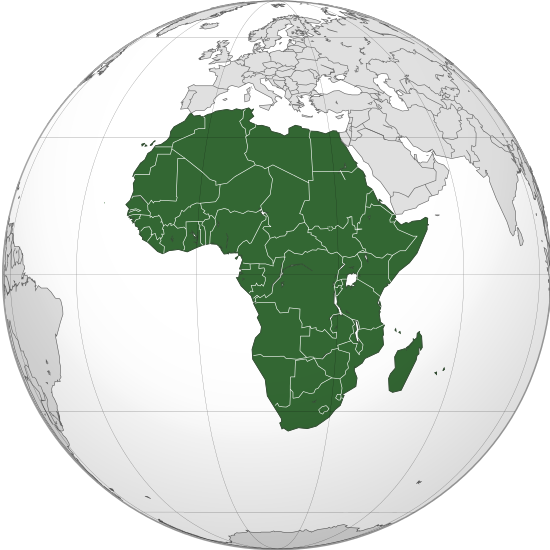
Africa, ME Wearables Market Rose 65.3% in Qtr 1












Popular Categories




